


Antique Timekeeper
An antique timekeeper carries the weight of past hours, offering a functional object of brass, silver, and mahogany that anchors a room or a waistcoat.
Antique Timekeeper
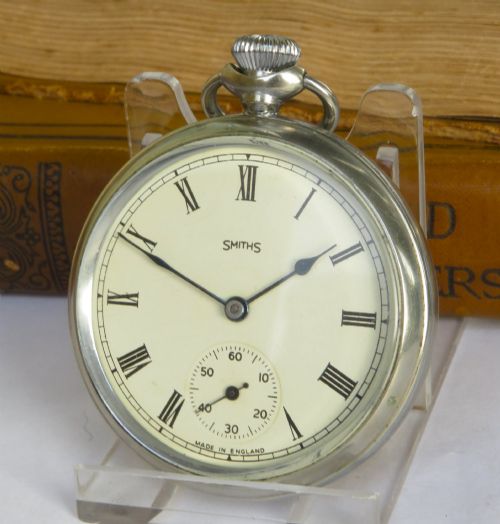
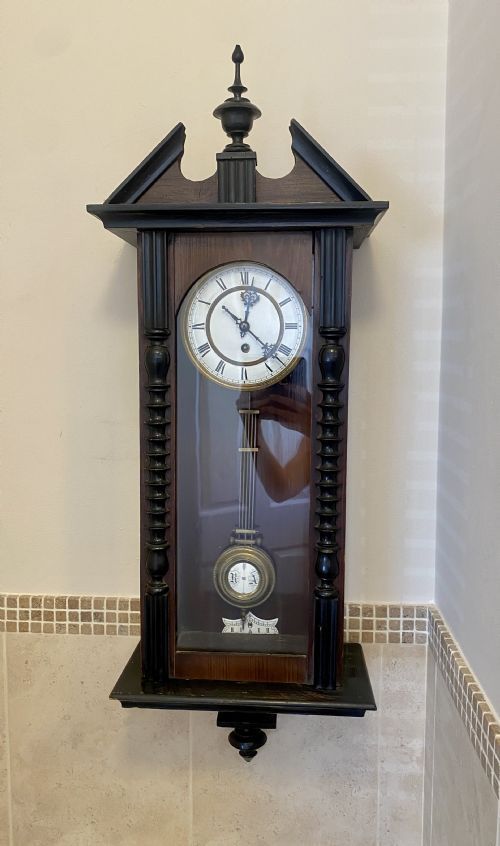
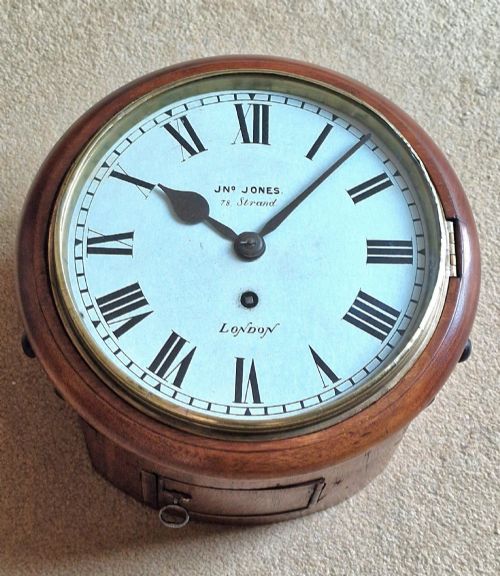
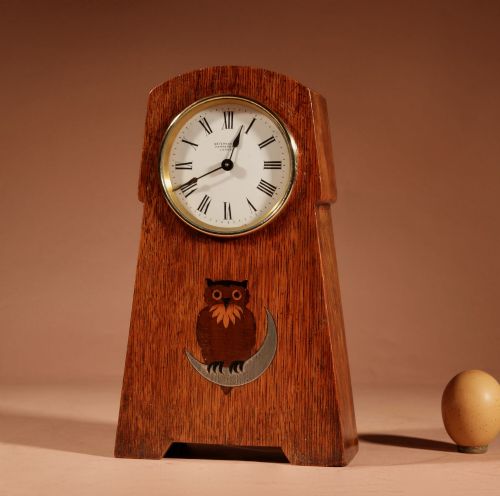
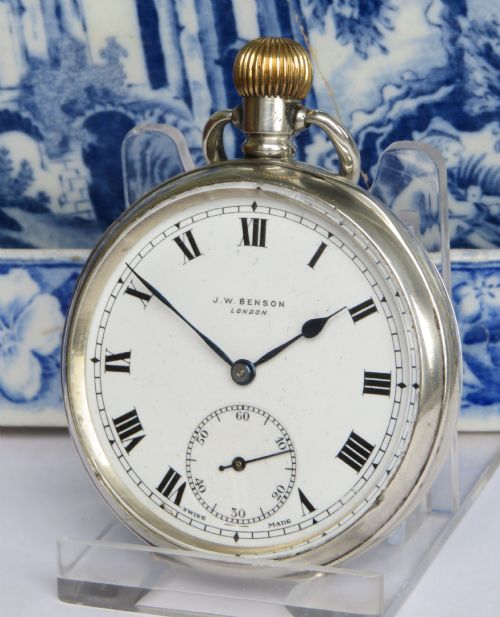
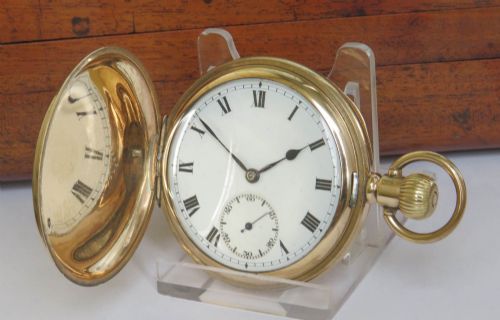
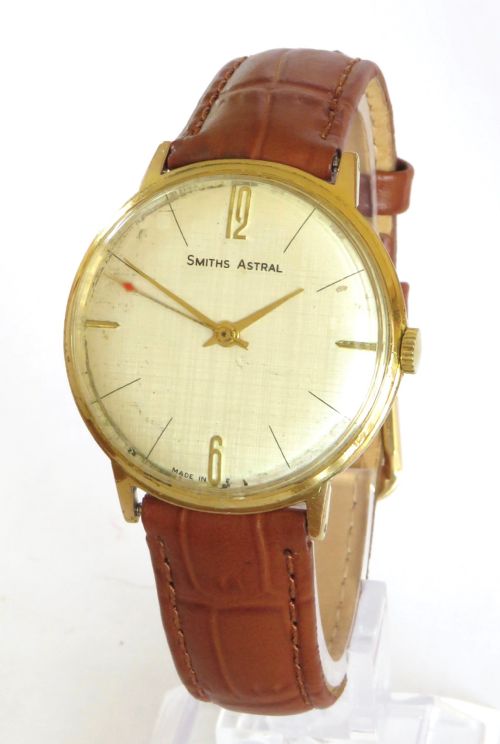
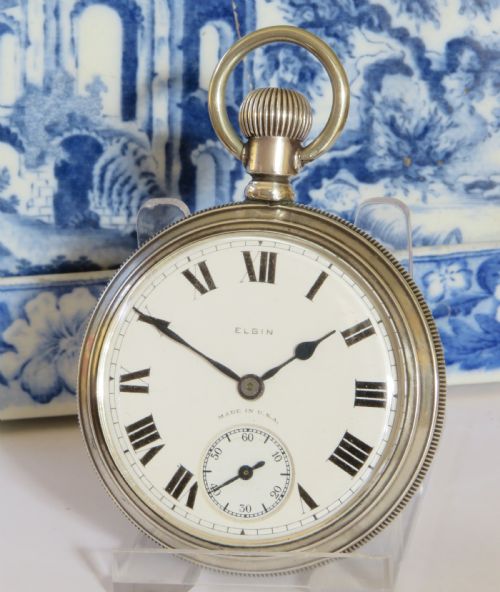
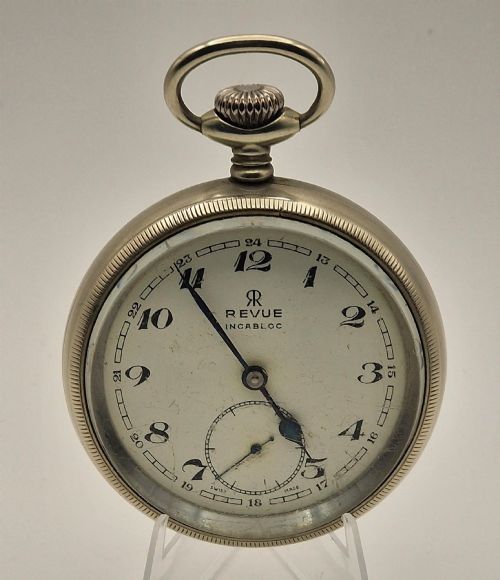
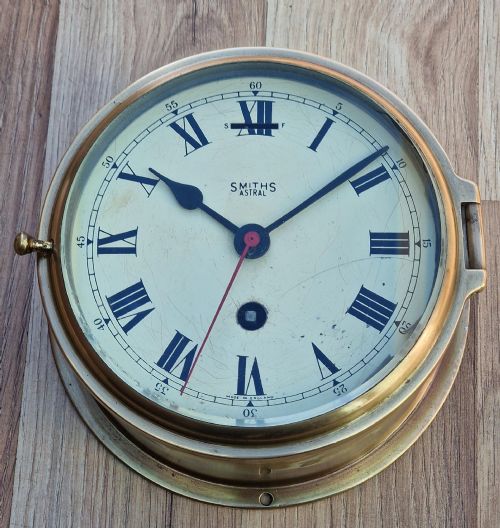
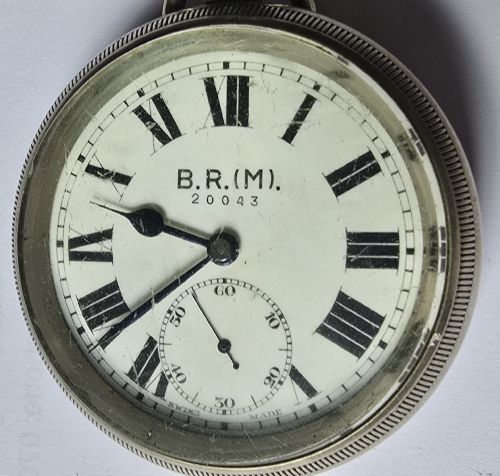
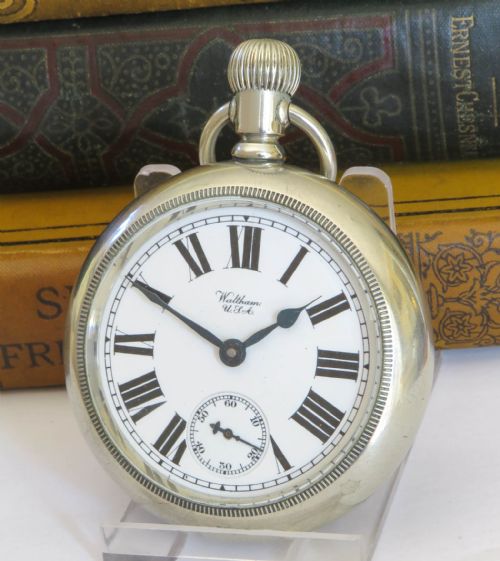
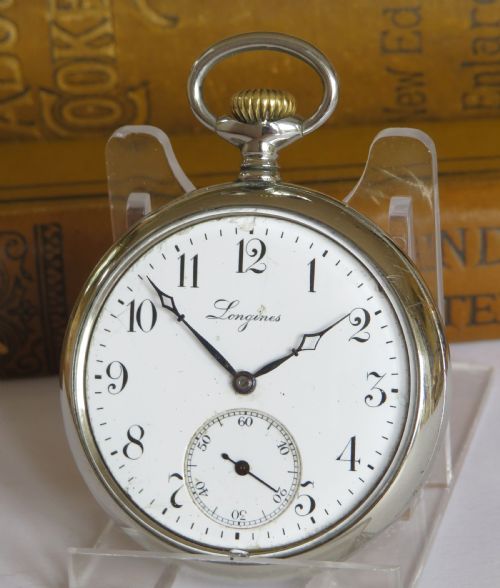
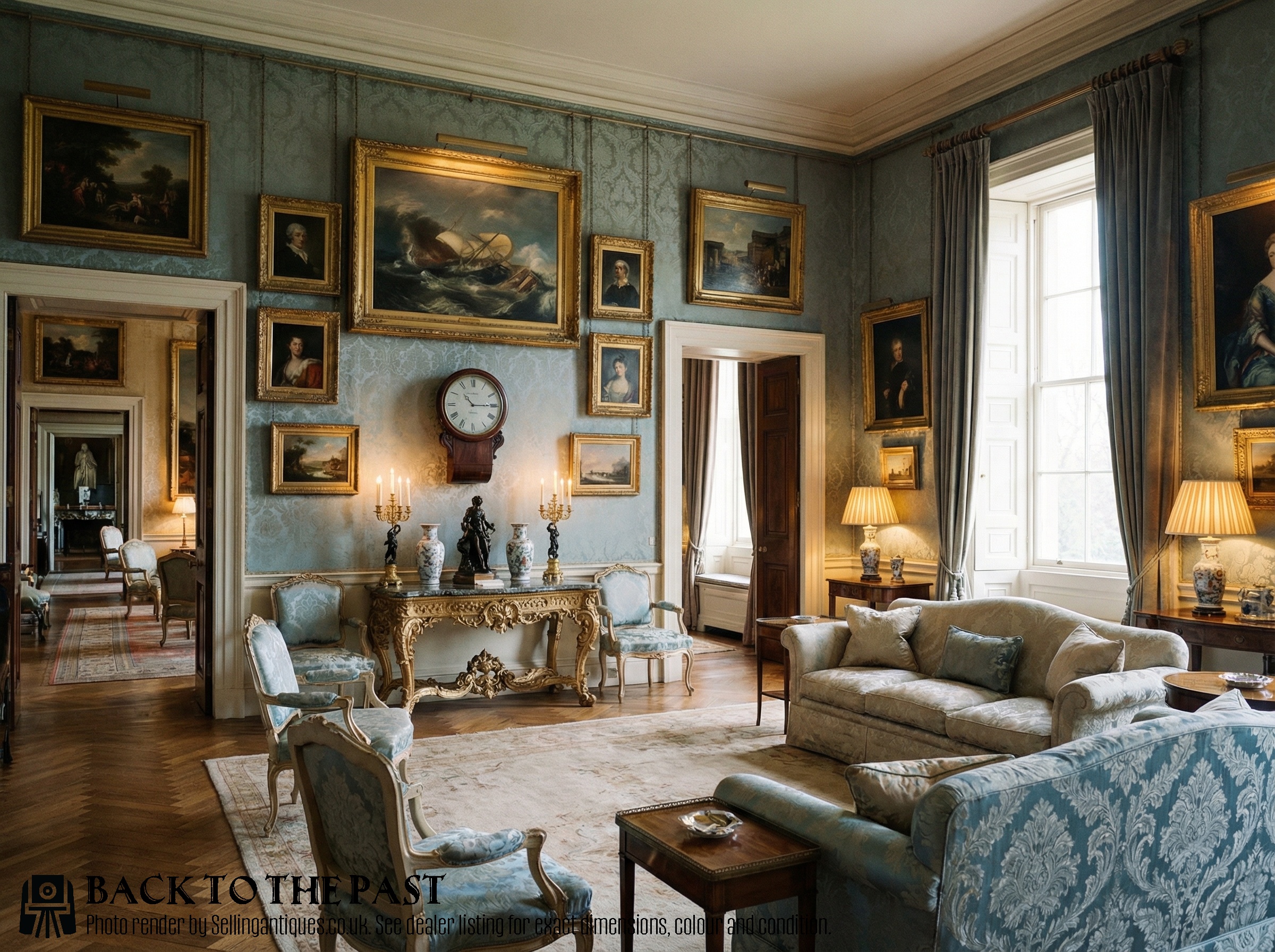
An antique timekeeper spans portable pocket watches and wristwatches alongside domestic wall clocks, heavy mantel clocks, and longcase grandfather clocks. When exploring this selection, buyers encounter domestic pieces intended for interiors and personal items meant for daily carriage.
The objects derive from Georgian, Victorian, and Edwardian eras, extending into Art Deco and Mid-Century designs. Brass carriage clocks and silver pocket watches appear frequently among the diverse styles.
Origins range from British makers to French workshops, encompassing specialised instruments like nautical hour glasses alongside standard household clocks.

Materials and Construction
Makers utilised metals including brass, steel, and gold plate alongside precious silver for pocket watch cases and clock fittings. Glass protects dials, while enamel often forms the face of pocket watches and carriage clocks.
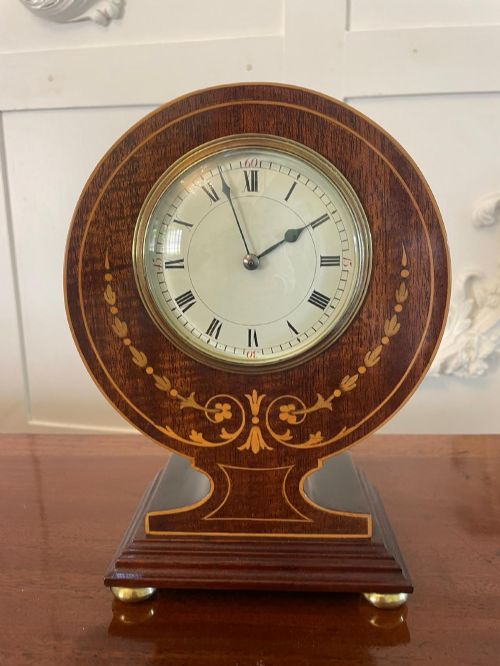
Cabinetmakers shaped timber cases from mahogany, rosewood, oak, and golden oak, sometimes incorporating marble or gilt bronze. Bakelite emerges in later pieces from the Art Deco period.
Internal movements rely on intricate metal gears, stem winding mechanisms, and striking escapements housed within protective metal or wooden enclosures.
Antique Timekeeper Retail Price Guide 2026
Typical asking prices for timekeeper among the pieces listed under this phrase on Sellingantiques today, from the lower quarter to the upper quarter. They describe what is for sale here now, not the wider market.
Distinctions in Quality
The refinement of the internal movement and the precision of the exterior casing dictate the standing of a piece. Fine execution shows in crisp engraving on brass gorge cases and balanced proportions in mahogany bracket clocks.
Materials contribute to overall standard, where solid silver or gilt bronze elements elevate a domestic clock or pocket watch above simpler metal variants. The reputation of the maker, whether recorded on a dial or movement, influences the merit of the object.
Richard Jones of Hereford·Turner of London·Pickford of London·Drocourt Paris
The Antique Timekeeper Glossary
- Carriage clock
- A portable spring-driven timepiece designed for travellers, typically housed in a brass case with glass panels.
- Bracket clock
- A portable table or shelf clock, historically placed on a wall bracket.
- Longcase clock
- A tall pendulum clock enclosed in a wooden case, commonly called a grandfather clock.
- Full hunter
- A pocket watch featuring a spring-loaded metal cover that protects the glass dial.
- Gorge case
- A stepped brass housing specific to high-grade carriage clocks.
Antique Timekeeper: Frequently Asked Questions
How do I wind an antique timekeeper?
Most mechanical pocket watches utilise a stem winding mechanism, while key-wound models require the correct matching key to tension the mainspring.
Careful handling ensures the internal brass gears do not over-wind, preserving the historical movement.
Where should I place a mantel clock?
Solid marble, mahogany, and gilt bronze mantel clocks require a stable, level surface away from direct heat sources and dampness.
Placement on a firm mantelpiece or shelf allows the pendulum or balance wheel to operate accurately.
How do I identify a carriage clock?
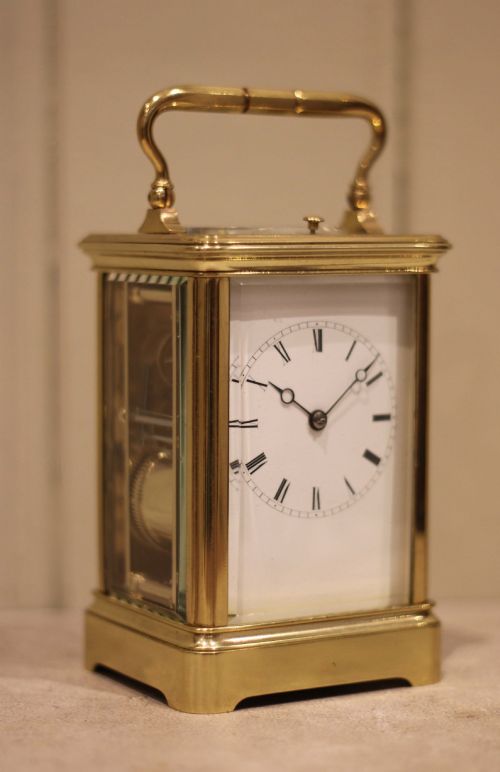
Carriage clocks feature rectangular brass frames with bevelled glass viewing panels and a folding handle on top.
Originating for travel, these pieces often incorporate striking or repeating mechanisms visible through the glass.