


Antique Style Carvers
Antique style carvers are armchairs designed to head a dining table, combining historic revival forms with sturdy timber construction.
Antique Style Carvers
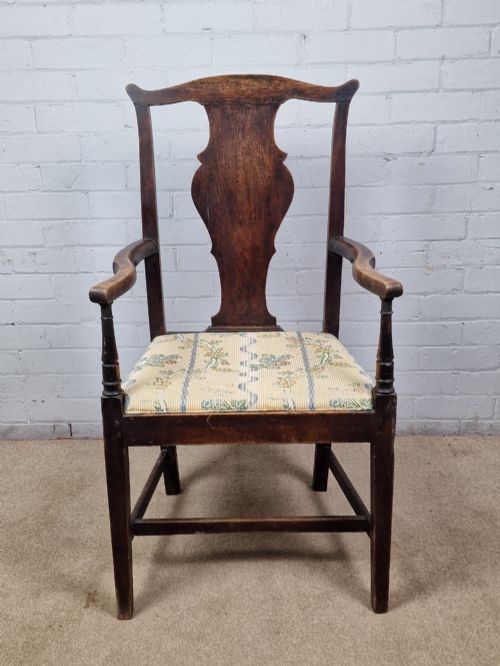
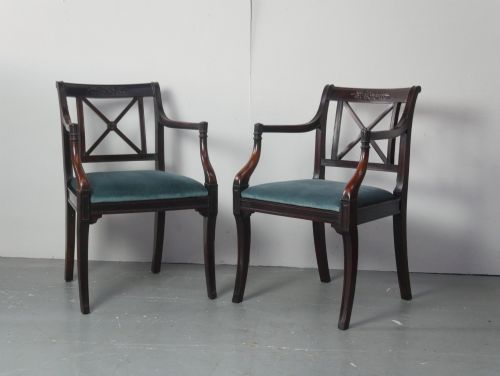
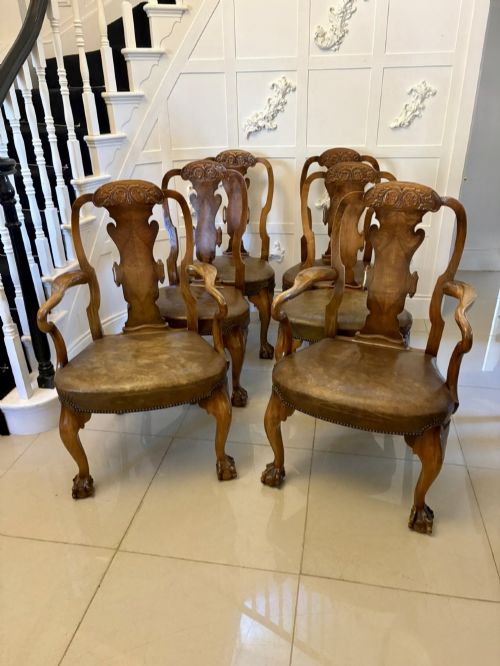
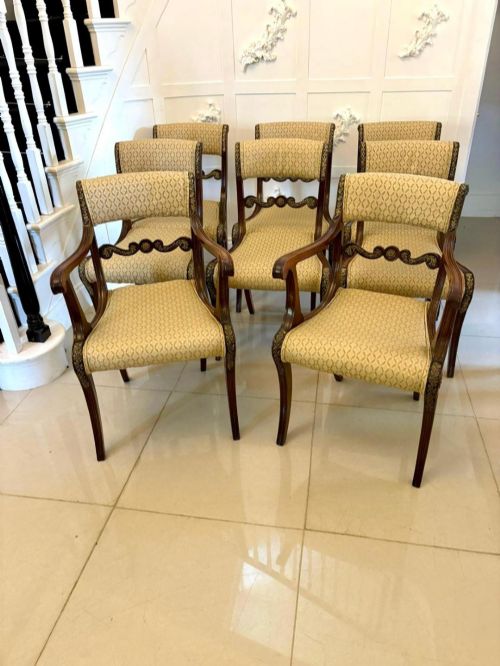
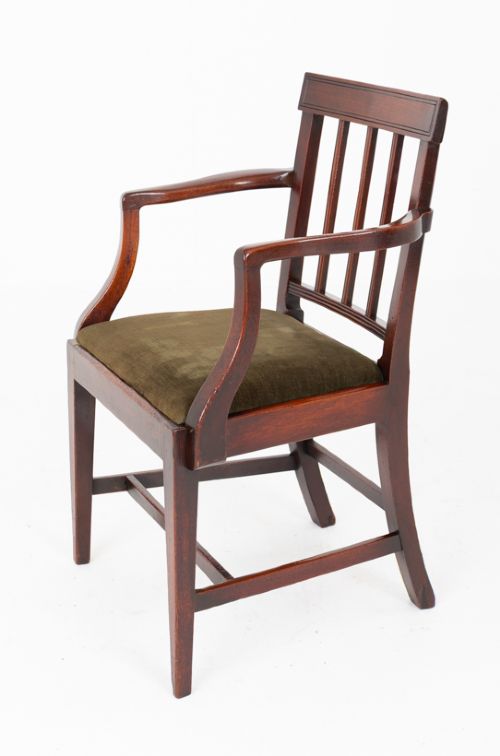
When searching for antique style carvers, buyers encounter open armchairs and elbow chairs created to match dining sets or serve as standalone seating. These pieces draw heavily on historical design vocabularies spanning the eighteenth century through to the early decades of the twentieth century.
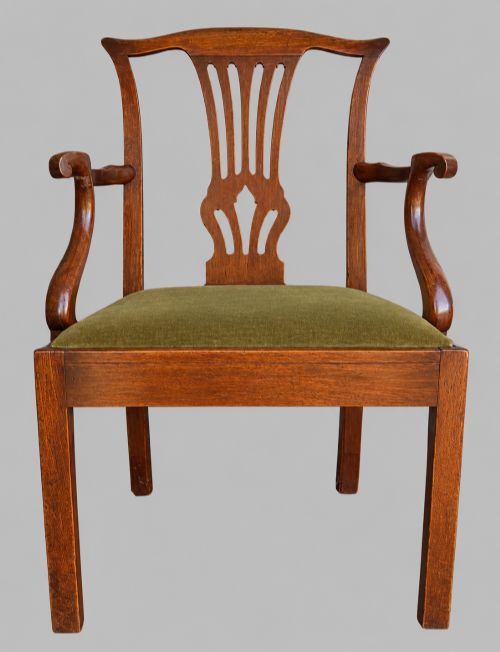
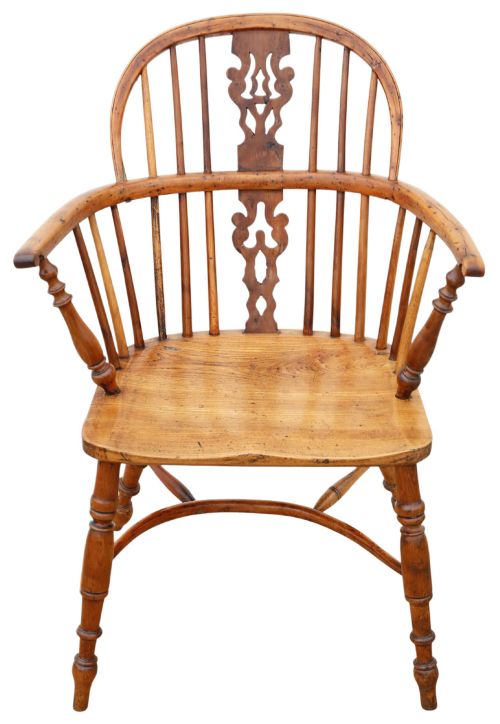
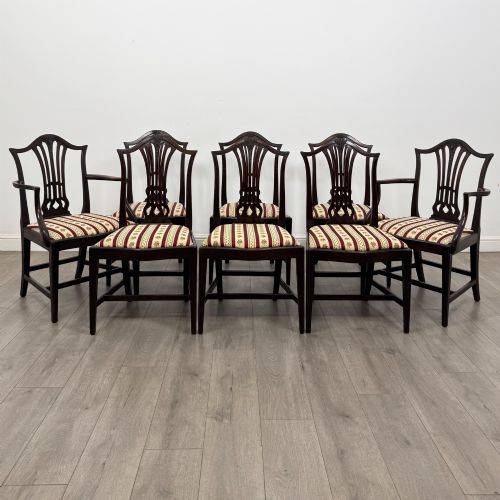
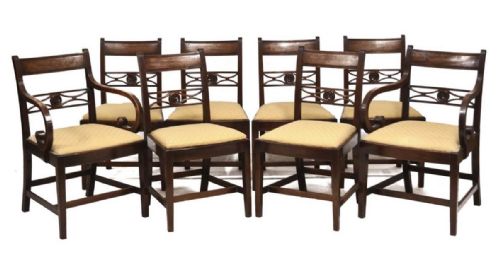
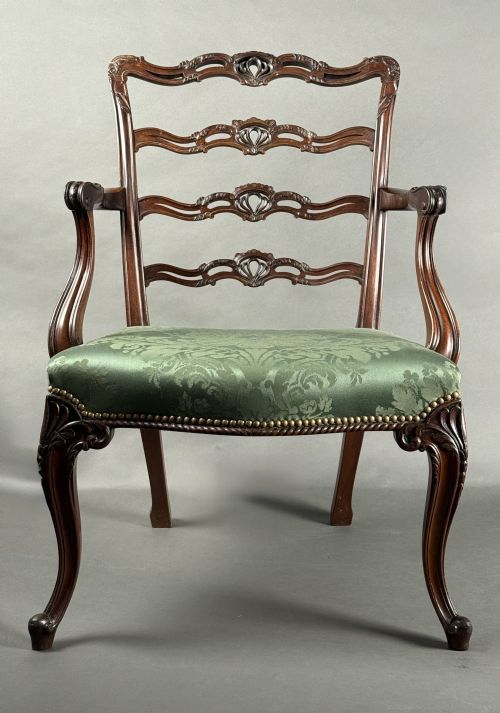
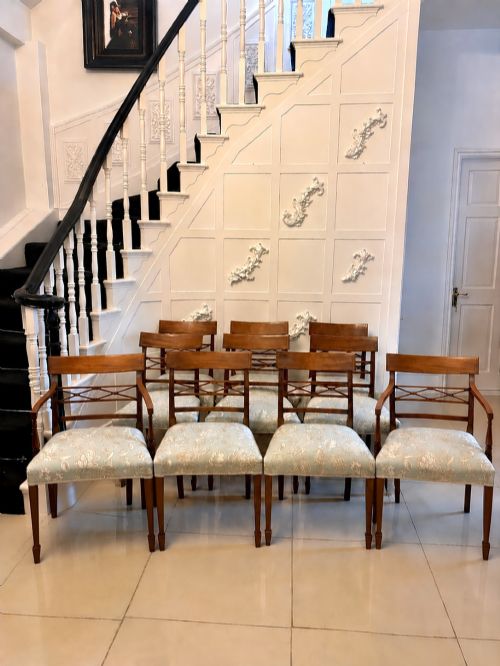
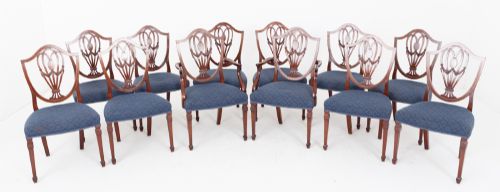
The versions most frequently met on this page include revival interpretations of Chippendale, Hepplewhite, and Sheraton forms executed in solid mahogany or walnut. Alongside formal dining carvers, the selection encompasses country armchairs in elm, ash, and fruitwood, often featuring rush or timber seats.
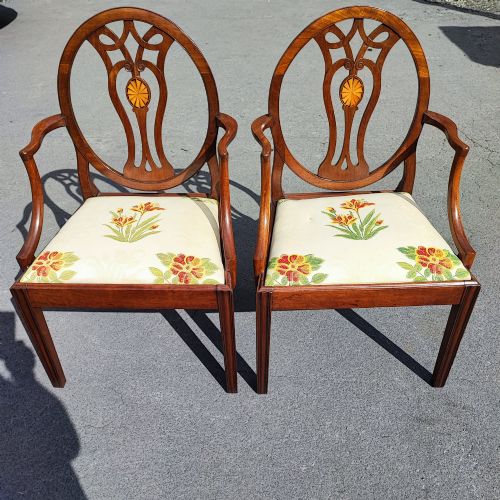
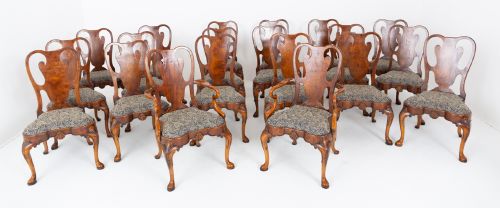
Many examples emerge as part of larger dining sets or matched pairs intended for the heads of a table. Makers across the nineteenth and twentieth centuries produced these pieces to replicate the grandeur of earlier Georgian periods for contemporary homes.
Materials and construction methods
Cabinetmakers constructed these carvers primarily using dense hardwoods such as mahogany, walnut, and oak, supplemented by regional timbers like elm and yew for country workshop items. These woods provided the structural integrity required for sturdy arm supports and substantial splats.
Joinery techniques relied on traditional mortise and tenon joints to secure the frames, while decorative details involved hand carving, inlay, and pierced ladder backs. Seats frequently received drop-in upholstery pads covered in leather, fabric, or velvet, though some retained woven rush.
Listings feature mahogany, walnut, and oak alongside country timbers like elm and yew across multiple historic periods.
Judging the standard of workmanship
The distinction between standard commercial output and superior craftsmanship rests in the crispness of the timber carving and the selection of figured wood veneers. Finer examples display deeply undercut foliage, balanced proportions, and careful grain matching across the crest rails and arms.
Structural stability and the integrity of the original joinery define the enduring utility of each chair. Higher quality carvers maintain tight joints and substantial timber scantlings that resist the loosening stresses placed upon armchair elbows over generations of use.
Liberty Morris & Co·Maple & Co·Alfred Allen of Birmingham
The Antique Style Carvers Glossary
- Carver
- An armchair designed with upholstered or open elbows, traditionally placed at the head and foot of a dining table. These seats matched the smaller single chairs in a set.
- Elbow chair
- An alternative designation for a dining armchair, referencing the prominent wooden rests designed to support the sitter's arms.
- Chippendale style
- A revival furniture design originating from eighteenth-century patterns, characterised by interlaced ribbon splats, cabriole legs, and carved scrollwork.
- Shield back
- A chair back shaped in the outline of a heraldic shield, popularised by designers like Hepplewhite during the Georgian period.
- Splath
- The central vertical slat of timber running from the seat up to the crest rail in a chair back, often pierced or carved.
Antique Style Carvers: Frequently Asked Questions
What is an antique style carver?
An antique style carver is an armchair traditionally placed at the head of a dining table to match a set of single chairs.
These pieces often replicate earlier Georgian or Regency designs while being manufactured in later periods.
How were carvers used originally?
Carvers were used by the head of the household or honoured guests at the dining table, offering greater comfort through their armrests.
They also served as desk chairs or library seating in wealthier homes.
How do I distinguish revival styles?
Revival styles are identified by comparing their decorative motifs and wood types against the original eighteenth-century aesthetics.
Chippendale revival pieces often show heavier carving, while Hepplewhite styles favor shield backs and tapered legs.
How should I care for timber carvers?
Timber carvers require stable indoor humidity and protection from direct sunlight to prevent the wood from drying or splitting.
Regular dusting with a dry cloth keeps the polished finish intact without damaging the historical surface.