
Mahogany Carver Dining Chairs
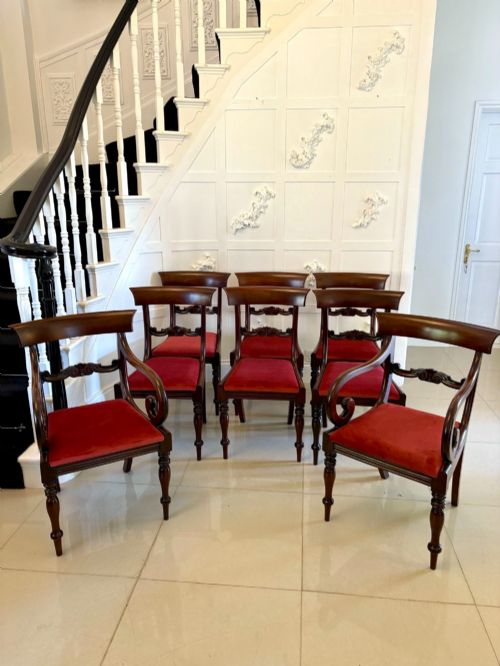
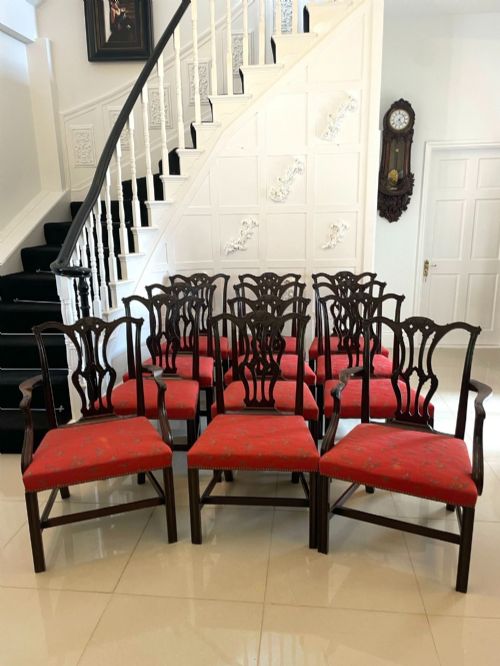
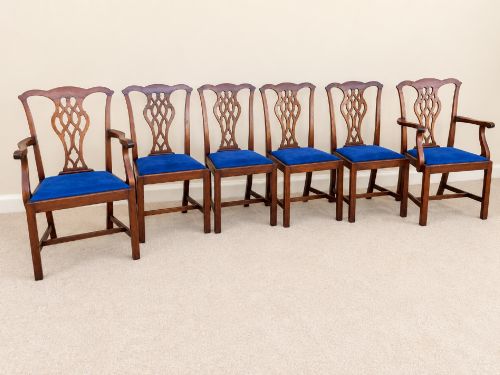
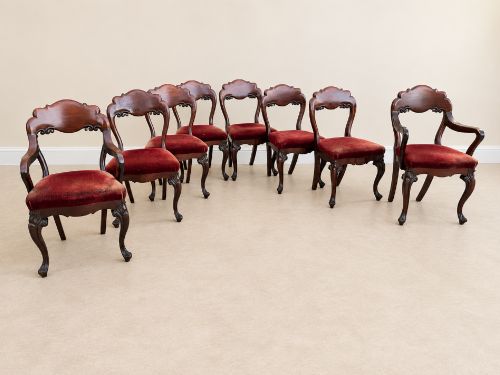
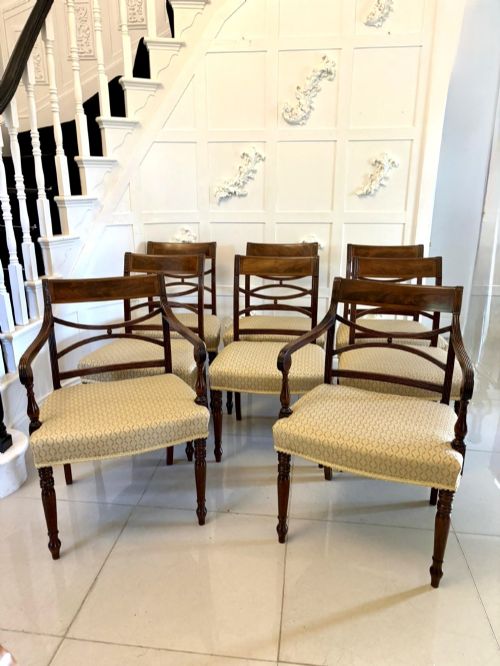
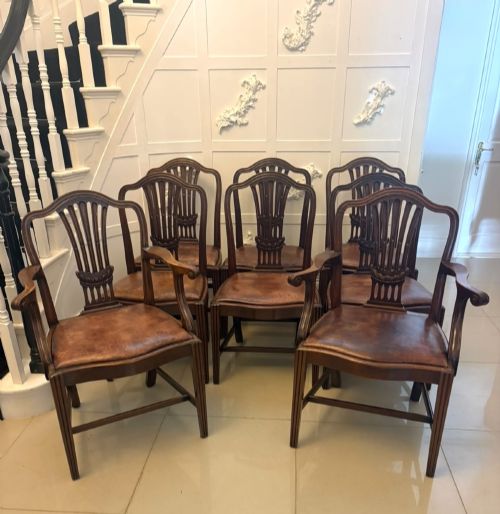
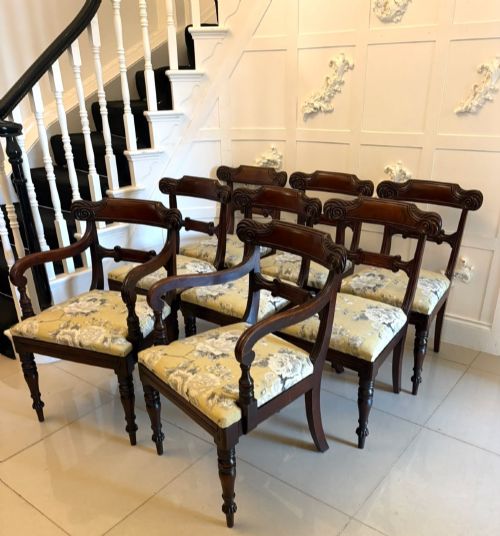
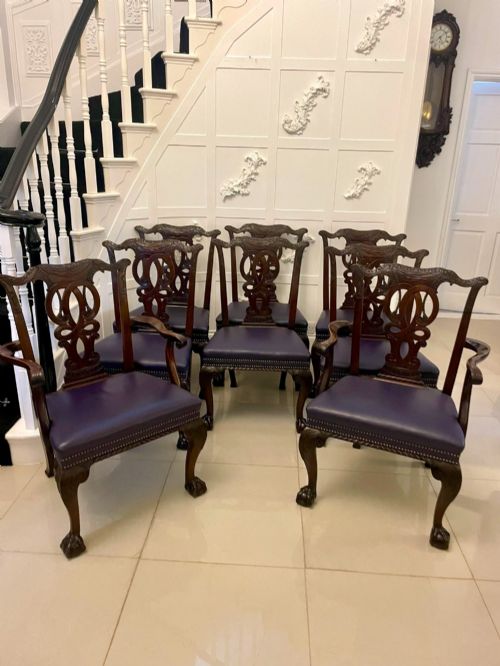
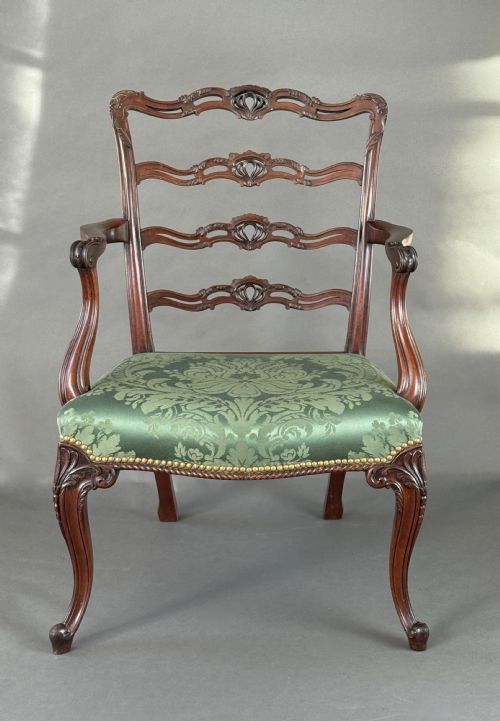
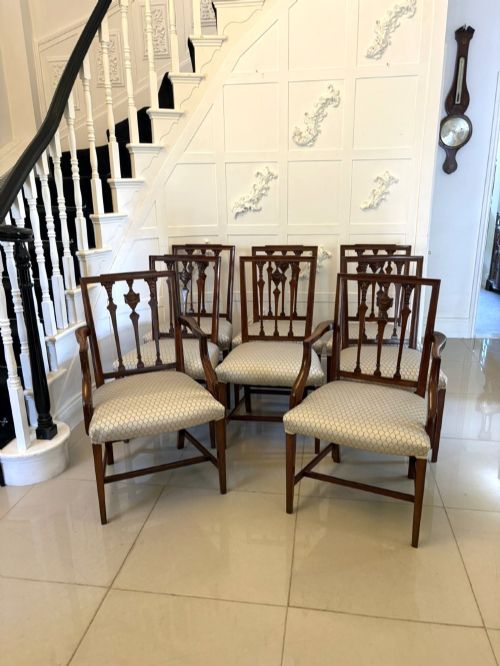
Mahogany carver dining chairs anchor the head of the table with substantial arms and rich timber grain.
Mahogany Carver Dining Chairs
Mahogany carver dining chairs are armed dining seats designed to accompany matching sets of single chairs, appearing frequently as pairs within larger dining groupings or as individual desk and elbow chairs. Buyers searching for mahogany carver dining chairs encounter forms spanning the eighteenth, nineteenth, and early twentieth centuries, including Georgian originals and later revival interpretations.
The material foundation across these pieces relies predominantly on mahogany timber, sometimes exhibiting flame grain figures or inlaid details. Styles range from George III and Regency designs to Hepplewhite, Chippendale, and Sheraton revivals produced during the Victorian and Edwardian periods.
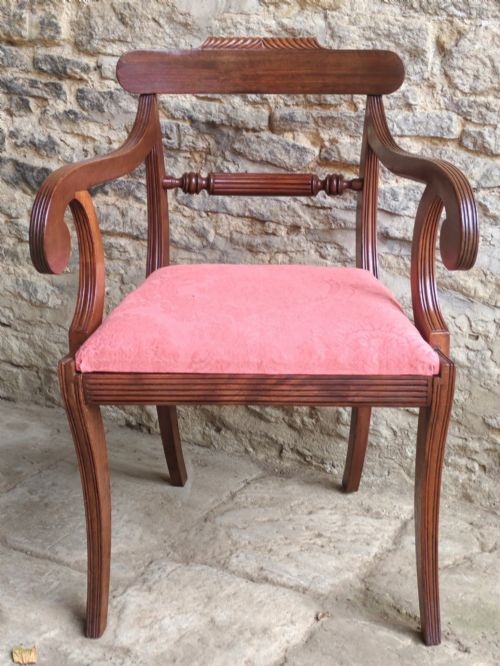
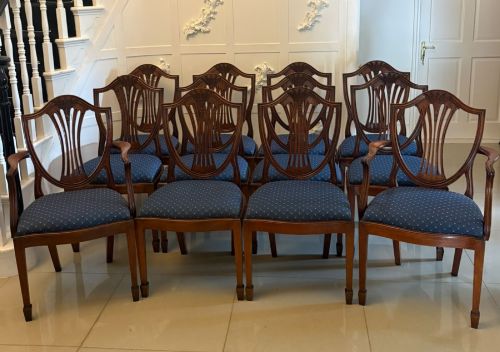
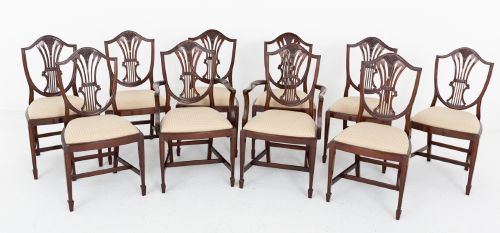
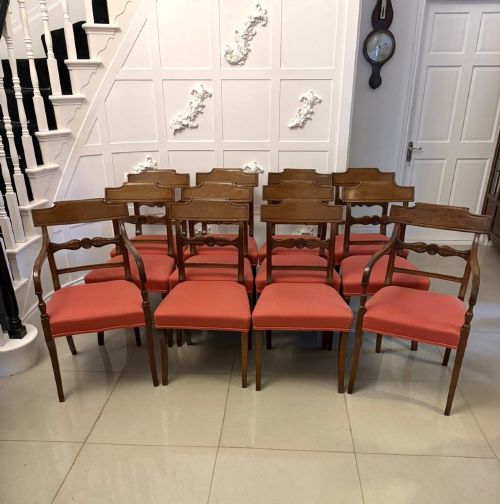
Armchairs and elbow chairs appear regularly alongside larger dining sets that include two carvers and several single chairs. The structural variety encompasses shield backs, ropebacks, barbacks, and solid frames fitted with drop-in or upholstered seats.
Materials and construction methods
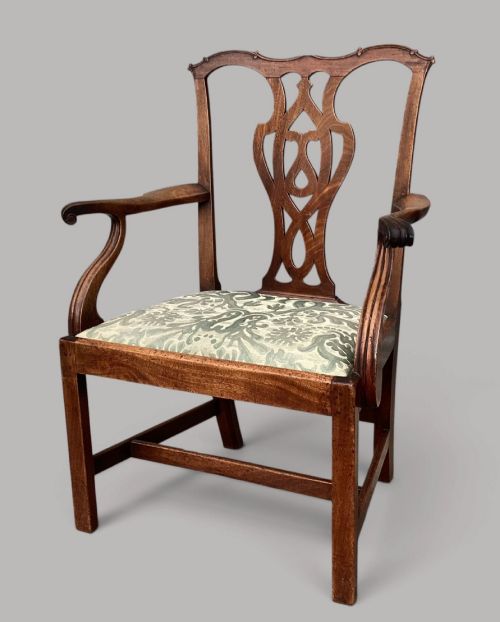
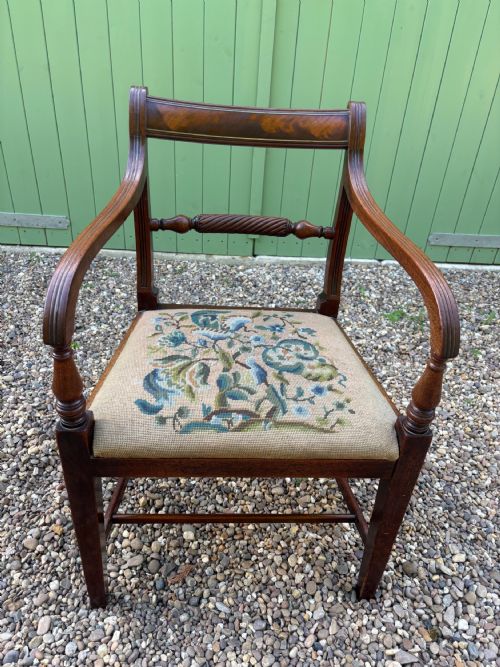
Makers constructed these carvers using solid mahogany timbers, utilising the dense grain for carved details such as scroll arms, interlaced splats, and reeded legs. Workshops frequently applied upholstery fabrics, leather, velvet, or cane to the seats and backs.
Joinery methods involved traditional mortise and tenon joints to secure the arms and frames, occasionally supplemented by brass fittings. Surface finishes relied on polished timber treatments that highlighted the natural reddish-brown tones of the mahogany.
Listings feature mahogany carvers across eight distinct periods, spanning eighteenth-century George III work to Edwardian and 1930s revivals.
Assessing craftsmanship and proportion
Quality separates through the crispness of the timber carving on the arm supports and splats, where sharper detail indicates superior hand-tool work by the maker. The integrity of the frame construction and the weight of the solid mahogany timber dictate structural longevity.
Proportion and scale influence desirability, particularly in how the arms curve to clear the dining table edge while maintaining comfortable seating geometry. Original timber surfaces with deep patination hold greater distinction than heavily refinished examples.
Howard and Sons·Warings
The Mahogany Carver Dining Chairs Glossary
- Carver
- An armchair designed to sit at the head of a dining table. These pieces feature integrated armrests to distinguish them from standard single dining chairs.
- Shield back
- A chair back shaped in the outline of a heraldic shield, popularised during the late eighteenth century. This form often incorporates carved splats and symmetrical woodwork.
- Barback
- A chair featuring a horizontal wooden slat across the upper backrest, common in nineteenth-century seating. This design provides structural support while displaying prominent timber grain.
- Ropeback
- A backrest design carved to resemble twisted rope, frequently seen on early nineteenth-century dining chairs. The motif appears along the top rail or central splat.
Mahogany Carver Dining Chairs: Frequently Asked Questions
How do I date a mahogany carver?
Dating relies on examining the timber characteristics, construction methods, and stylistic details such as leg shapes and backrest forms. Georgian pieces display hand-carving and lighter proportions, while Victorian and Edwardian examples often feature heavier frames or revival motifs.
Secondary woods and joinery marks inside the seat frame also help establish the period of manufacture. Comparing the piece to documented regional styles narrows the timeline further.
Can carver chairs match different dining tables?
Carvers pair effectively with various dining tables provided the height of the armrests clears the underside of the table rim. Mixing antique carvers with different tables is a traditional method of creating a collected dining room interior.
Matching the timber tone, such as the reddish-brown hue of mahogany, ensures visual harmony even if the exact period differs slightly. Checking clearance dimensions prevents clearance issues when pushing the chair inward.
How do I care for mahogany furniture?
Maintenance involves dusting with a soft, dry cloth and avoiding placement near direct heat sources or strong sunlight. These precautions prevent the timber from drying out and protect the polished surface.
Occasional applications of appropriate furniture wax nourish the mahogany and preserve its natural sheen. Keeping humidity levels stable in the room protects the glue joints and timber structure.