

Antique Dining Chairs Set of 6
An antique dining chairs set of 6 brings matched proportion and period timber to the table, uniting a room through traditional craft.
Antique Dining Chairs Set of 6
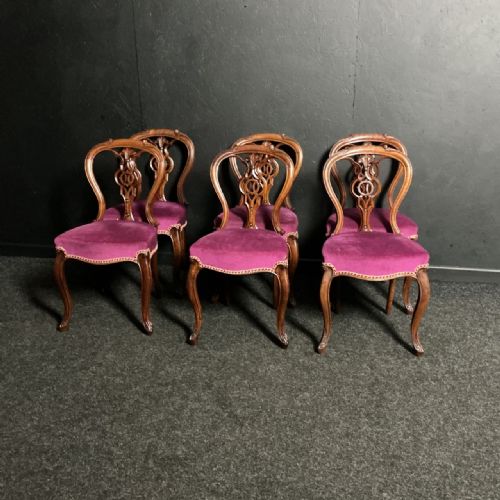
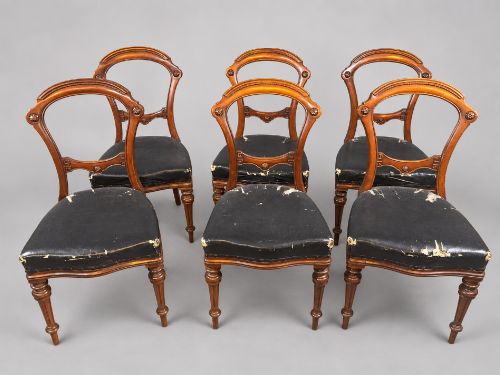
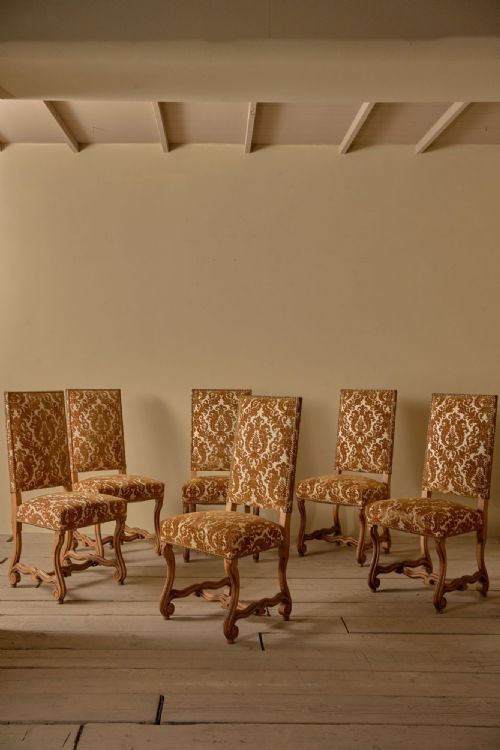
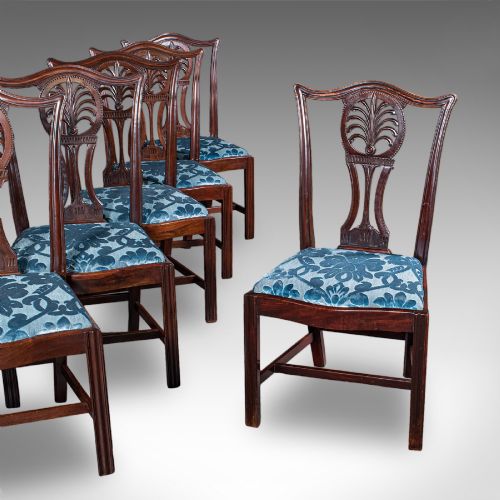
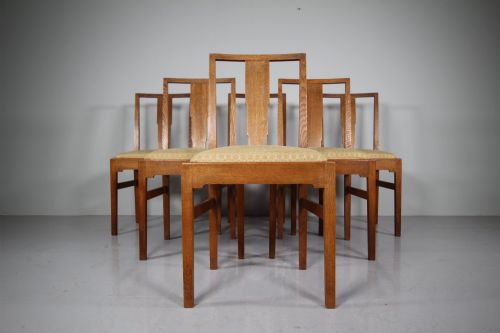
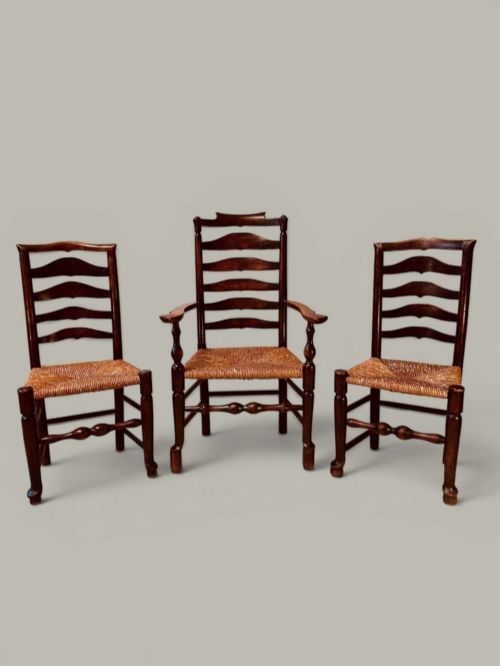
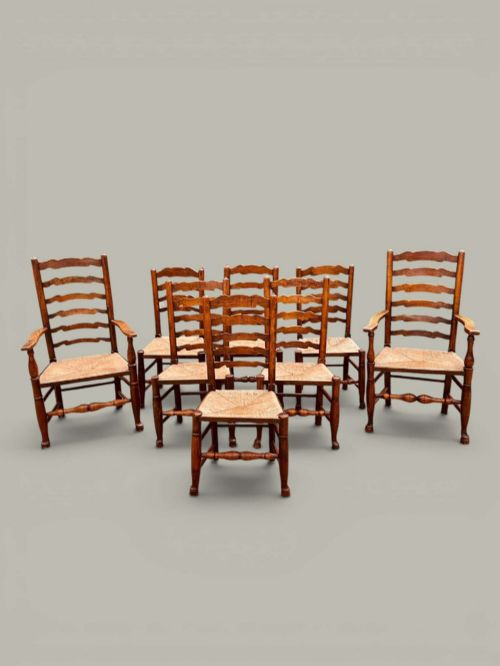
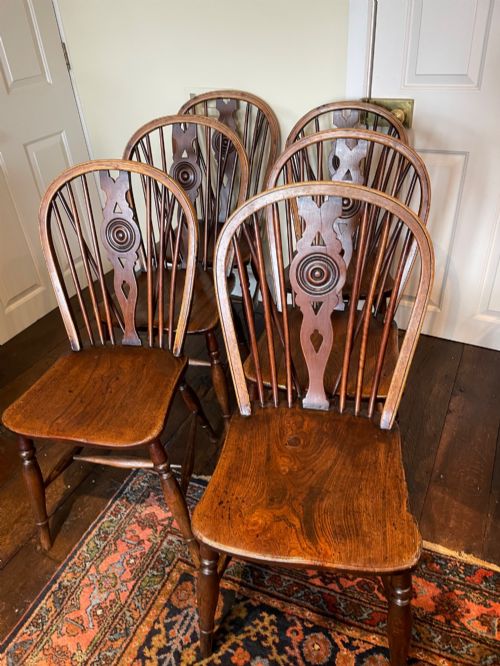
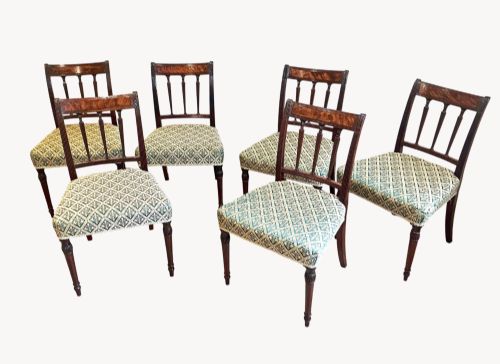
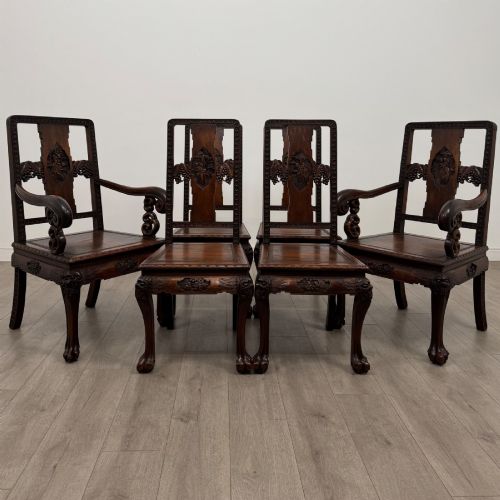
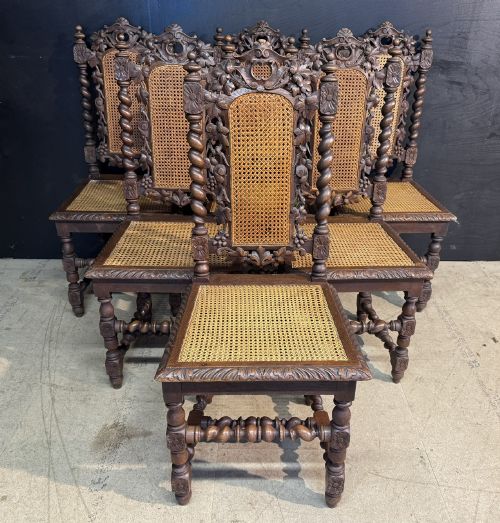
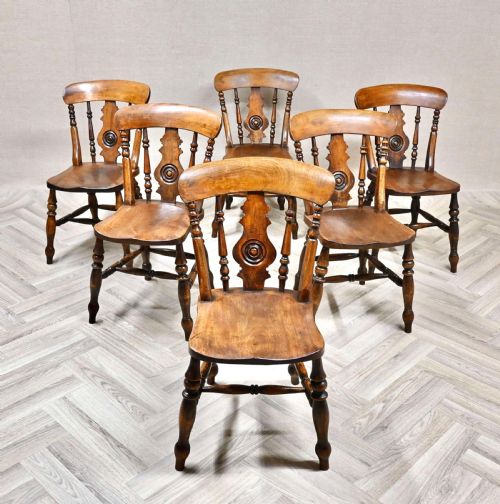
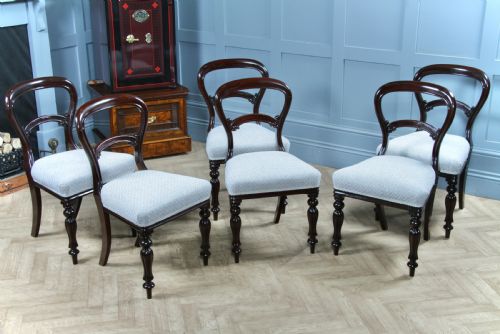
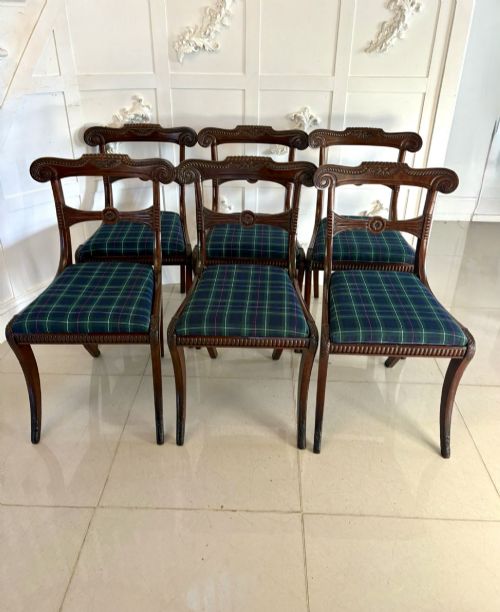
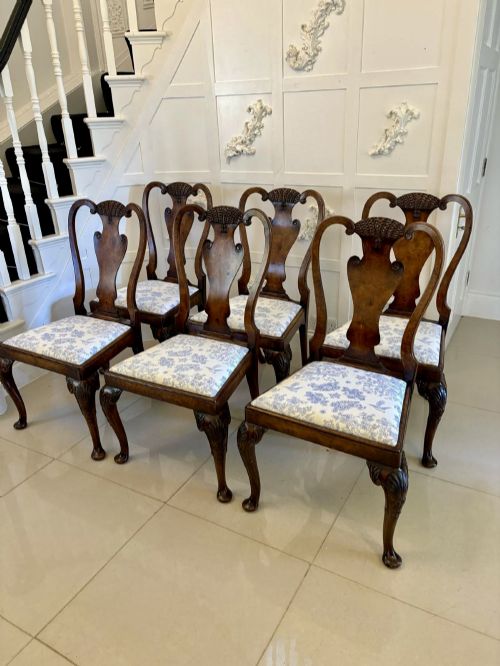
An antique dining chairs set of 6 delivers matched seating shaped by centuries of domestic dining habits. These groups emerge from periods spanning the eighteenth, nineteenth, and early twentieth centuries, encompassing formal town designs and vernacular country forms. The buyer encounters mahogany, oak, walnut, and fruitwood frames, often outfitted with rush, leather, fabric, or velvet seats.
Sets on this page trace origins through Georgian elegance, Regency restraint, Victorian elaboration, and Arts and Crafts plainness. While many original suites survive in smaller numbers, larger dining groups frequently get separated over time, making a verified grouping of six a practical target for modern tables. Buyers select between upright side chairs and paired carvers with arms, aligning with formal dining rooms or rustic farmhouse settings.
Materials and Construction
Cabinetmakers built these frames from dense hardwoods like mahogany, oak, and walnut, employing traditional mortise and tenon joinery to endure heavy daily use. Country workshops utilised ash, alder, fruitwood, and elm, often turning spindles on a lathe or weaving rush directly into the seat rails.
Upholstery methods evolved from stuffed horsehair beneath leather and fabric to modern webbing, secured with traditional tacks across balloon backs, bar backs, and ladder backs. Carved details, barley twists, and reeded legs received hand-finishing with natural waxes and polishes that highlight the grain of the timber.
Antique Dining Chairs Set of 6 Retail Price Guide 2026
Typical asking prices for dining chairs set of 6 among the pieces listed under this phrase on Sellingantiques today, from the lower quarter to the upper quarter. They describe what is for sale here now, not the wider market.
Country rush seats occasionally preserve the faint impression of generations of nineteenth-century trousers.
Assessing Quality and Uniformity
The integrity of a matched set depends on whether the chairs started life together or got assembled later from similar single pieces. Subtle discrepancies in timber shrinkage, turning proportions, or carving depth reveal whether a set shares a single origin.
Structural resilience separates robust frames from compromised ones, particularly where joints meet the seat rails and legs. Crispness of hand-carved detail and the quality of secondary timbers underneath also distinguish standard vernacular seating from high-workshop production.
Mayhew & Ince·Gordon Russell·Heals
The Antique Dining Chairs Set of 6 Glossary
- Carver
- An armchair designed with armrests, traditionally placed at the head of the dining table.
- Balloon Back
- A curved, oval-shaped wooden backrest popular during the Victorian period.
- Ladder Back
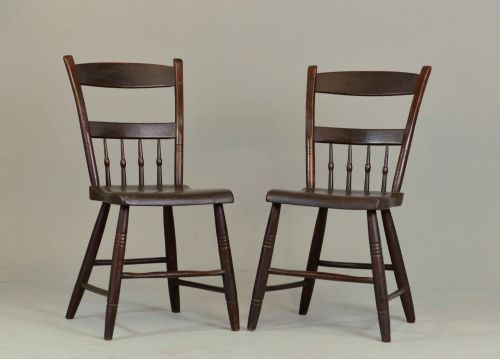
- A chair back featuring multiple horizontal wooden slats resembling the rungs of a ladder.
- Rush Seat
- A woven seating surface made from dried marsh grasses twisted into cords.
- Sabre Leg
- A concave, outwardly curved leg shape characteristic of the Regency style.
Antique Dining Chairs Set of 6: Frequently Asked Questions
Were carvers always part of the set?
Formal dining sets frequently included two armed carvers alongside four or more side chairs for the heads of the table.
Many country and vernacular sets consisted entirely of side chairs without arms.
How do I clean antique upholstery?
Use a soft brush attachment on a vacuum to remove surface dust from fabric, velvet, or leather surfaces.
Avoid harsh chemical cleaners and consult a professional restorer for antique leather conditioning or horsehair stuffing repairs.
Can antique chairs handle daily use?
Solid hardwood frames built with traditional joinery remain exceptionally sturdy and suited for everyday dining.
Periodic checks of the glue joints and stretcher bars help prevent looseness caused by regular sitting.