
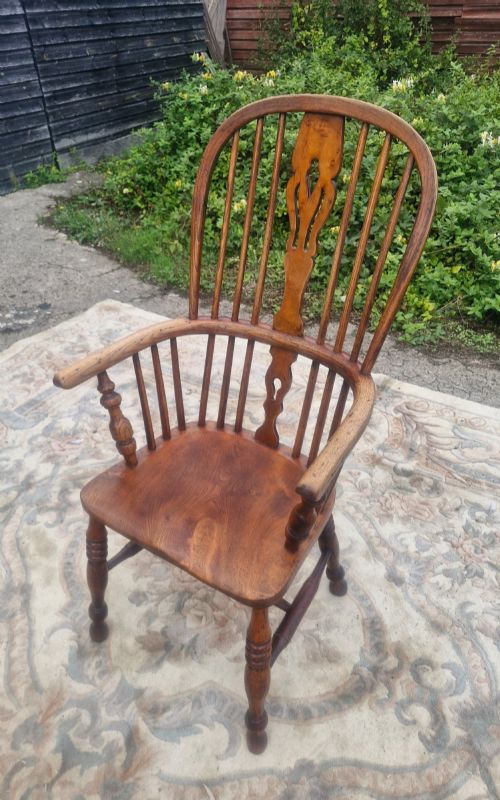

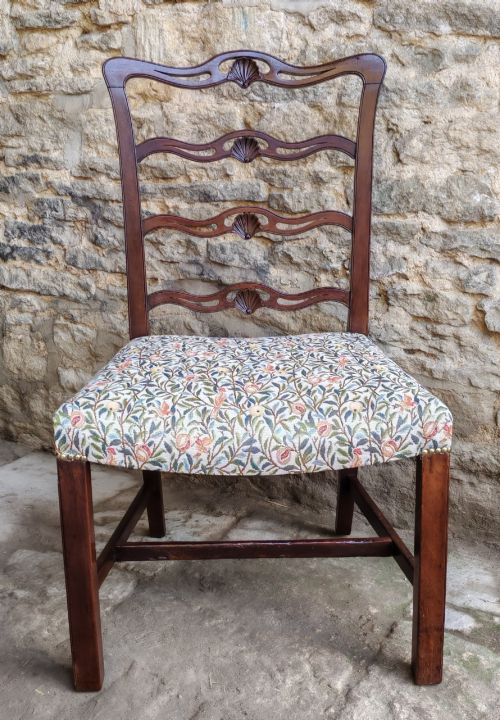
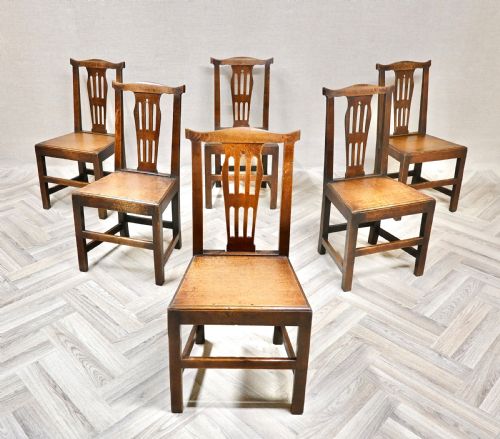
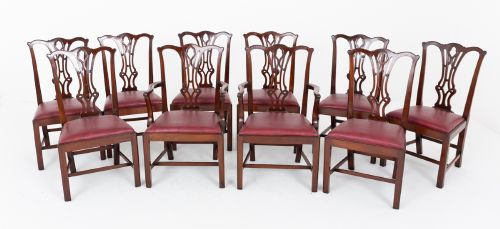

Pierced Back Dining Chairs
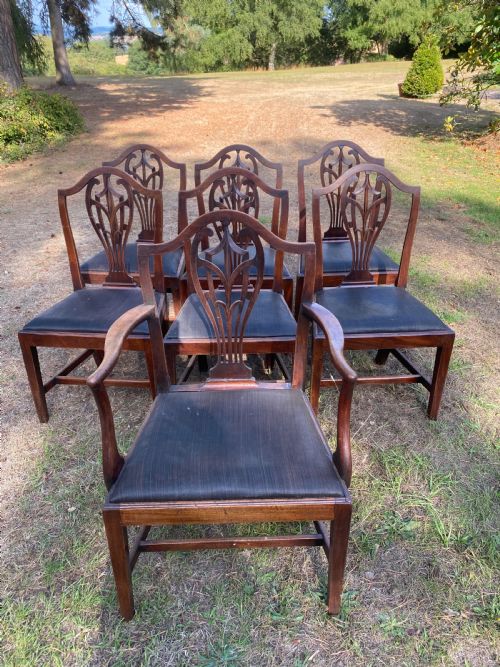
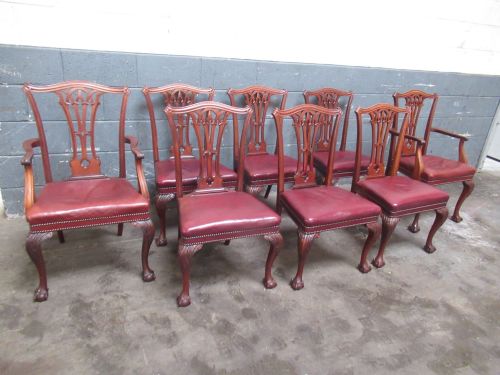
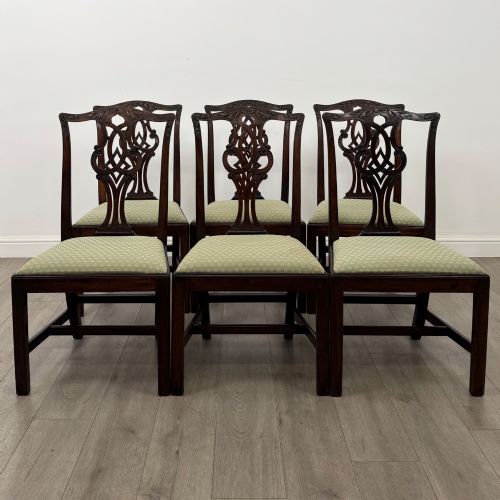
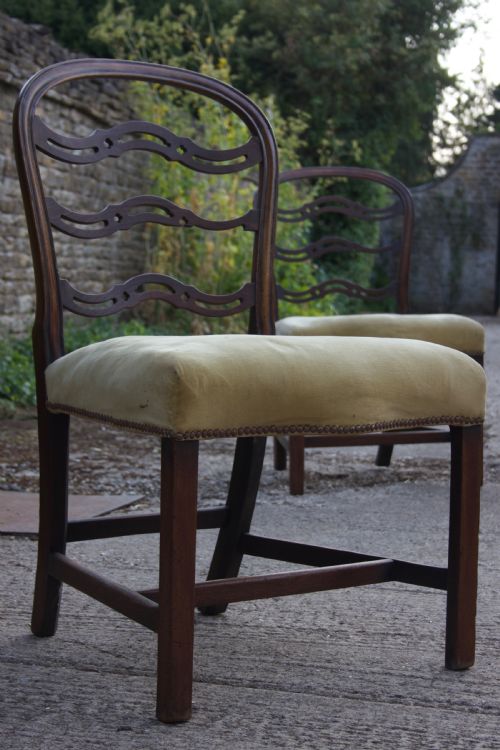
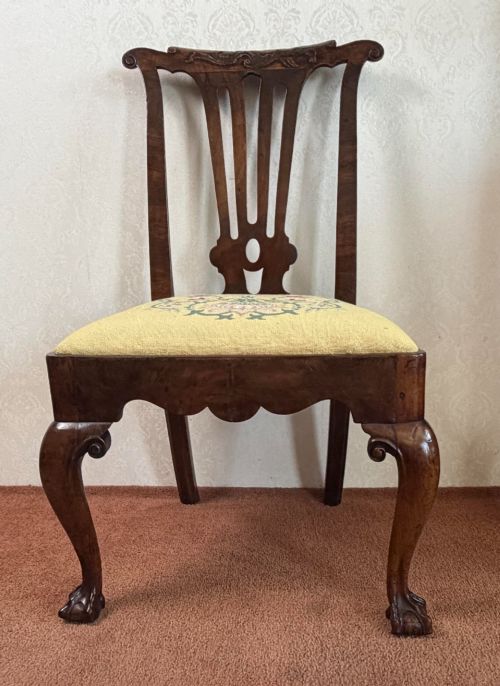
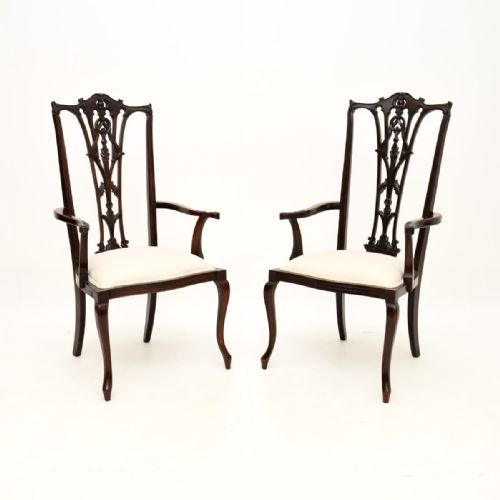
Pierced back dining chairs are timber seats defined by openwork splats, bringing elegance and architectural detail to the table.
Pierced Back Dining Chairs
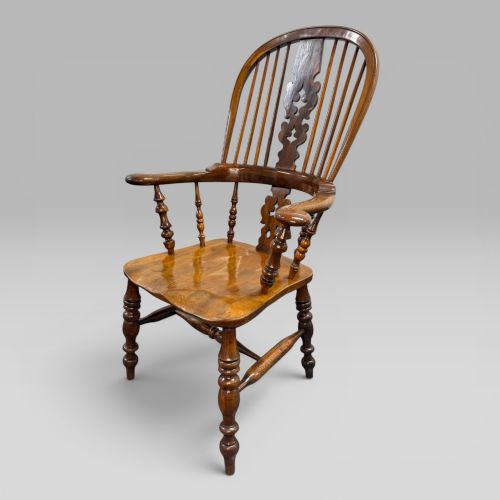
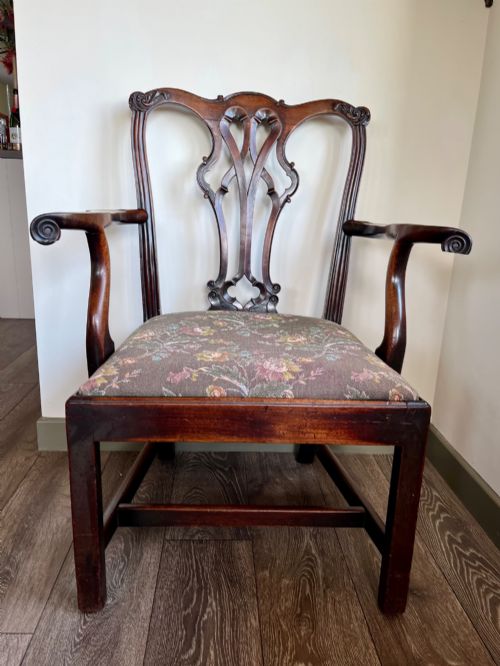
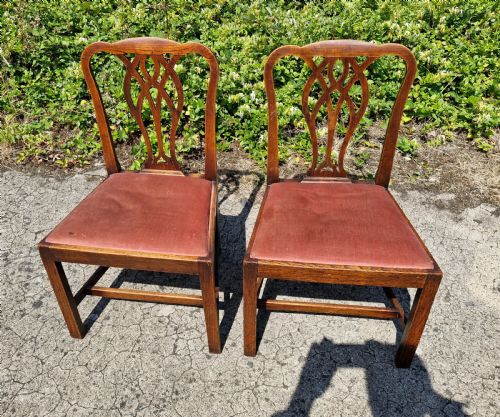
The selection ranges from single side chairs and matched sets of dining chairs to armchairs and carvers. Influences span from Georgian and Chippendale styles through to Victorian, Edwardian and later revival periods.
How they were made
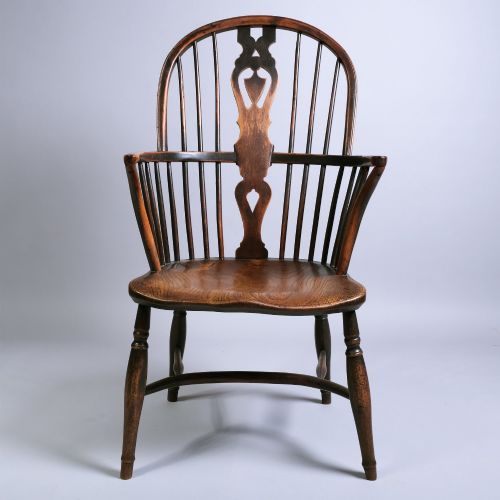
Cabinet makers utilised dense hardwoods such as mahogany, walnut and oak for formal dining sets, shaping timber with hand saws, chisels and files to achieve intricate pierced splats. Country makers turned to local timbers including yew, elm, beech and ash, bending steam-softened wood for hoop backs and comb backs.
Joinery relied on traditional mortise and tenon joints, dowels and pegs to secure frames. Seats frequently incorporated drop-in upholstered pads covered in fabric or textile, or solid timber shaping.
Pierced Back Dining Chairs Retail Price Guide 2026
Typical asking prices for pierced back dining chairs among the pieces listed under this phrase on Sellingantiques today, from the lower quarter to the upper quarter. They describe what is for sale here now, not the wider market.
What varies in quality
Quality rests in the precision of the timber selection and the crispness of the hand-carved or pierced detail within the splat. Superior examples demonstrate thoughtful grain matching, robust frame construction and well-proportioned components that endure decades of daily sitting.
Later revivals and simpler country iterations display varying degrees of hand finishing, where simpler joinery and softer woods separate vernacular production from high-style urban workshop output.
Wheelers of Arncroach
The Pierced Back Dining Chairs Glossary
- Splat
- The vertical central strip of wood in the back of a chair, often pierced or carved in styles such as Chippendale.
- Windsor
- A traditional wooden chair built with a solid saddle-shaped seat into which the legs, back sticks and bow are separately inserted.
- Carver
- An armchair, typically designed to sit at the head of a dining table and matching the surrounding side chairs.
- Crinoline stretcher
- A curved metal or wooden brace connecting the legs of a Windsor chair to provide stability and structural strength.
- Drop-in seat
- A removable wooden frame upholstered in fabric or textile that drops into a rebate in the chair rails.
Pierced Back Dining Chairs: Frequently Asked Questions
How do I date a pierced back chair?
Dating relies on observing timber choices, tool marks, construction methods and stylistic indicators such as Georgian fretwork or Victorian carving.
Comparing the stretcher arrangement, leg shape and patination against known period examples helps clarify the decade of production.
Are these chairs suitable for daily use?
Most solid timber dining chairs are built for regular seating, provided the structural joints remain tight and secure.
Checking the stability of the legs and the integrity of the glue joints ensures safety during everyday meals.
How should I care for antique wood chairs?
Maintenance involves keeping timber away from direct heat sources and sudden humidity changes to prevent wood splitting.
Applying a traditional beeswax polish occasionally helps nourish the grain and preserve the historic finish.