



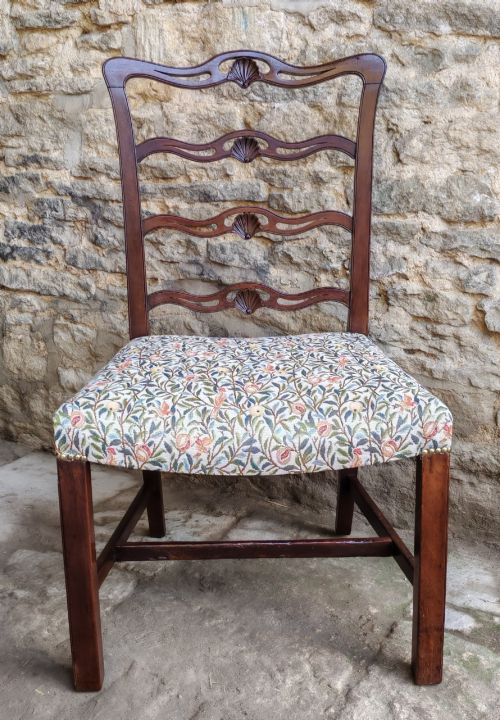
Victorian Wooden Dining Chairs
Victorian wooden dining chairs bring warmth and sturdy utility to a room, offering genuine nineteenth-century character for daily use.
Understanding Victorian wooden dining chairs
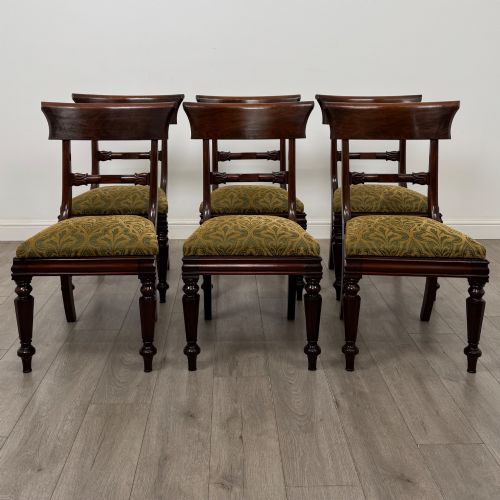
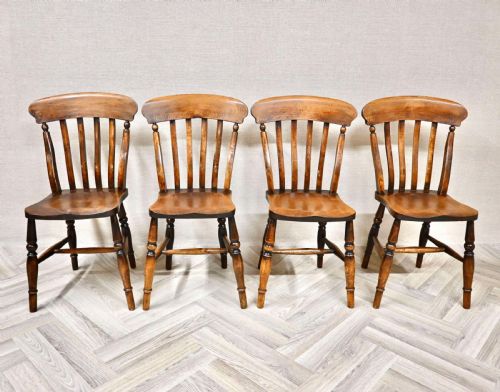
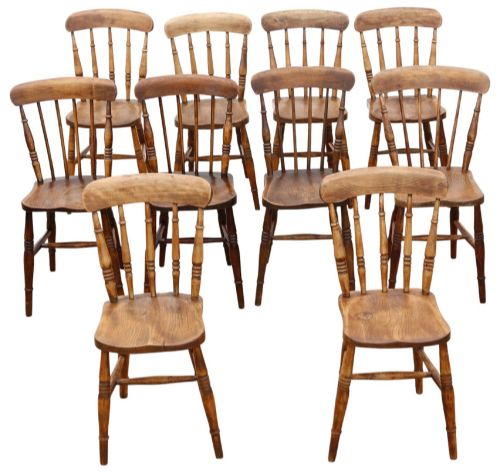
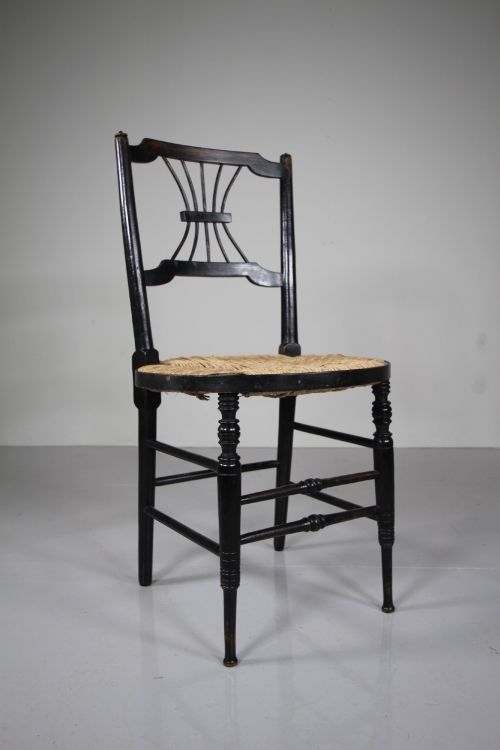
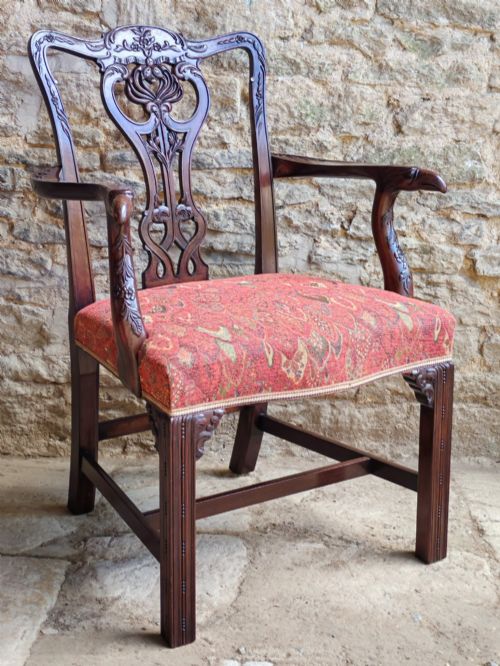
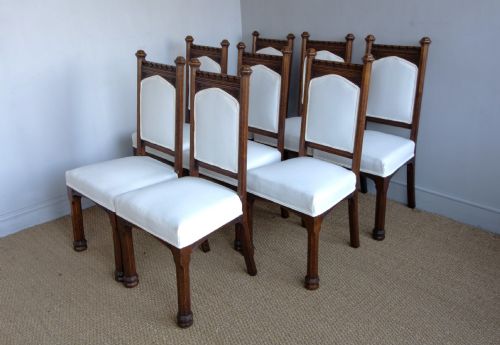
Victorian wooden dining chairs are nineteenth-century seating pieces designed for the dining room or kitchen, appearing here in sets of four, six, or eight. These include robust kitchen dining chairs and more formal turned leg mahogany dining chairs.
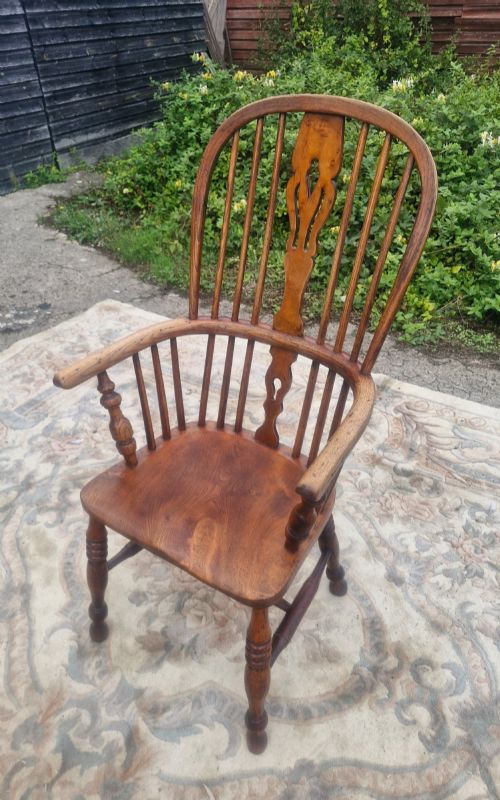
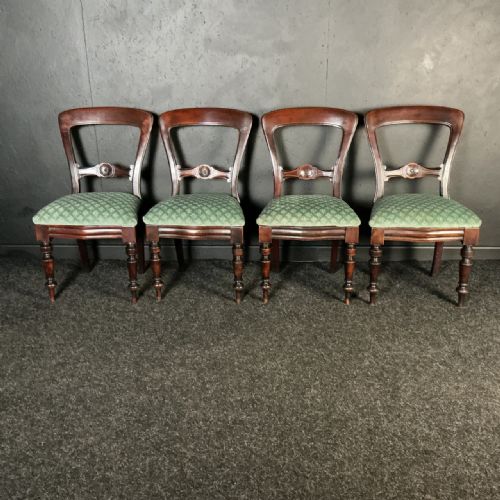
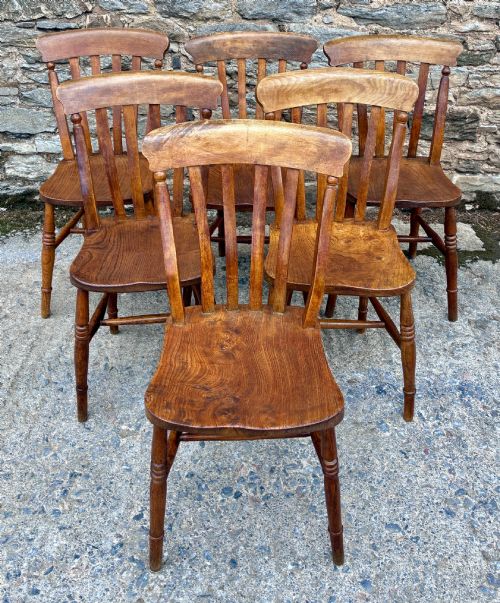
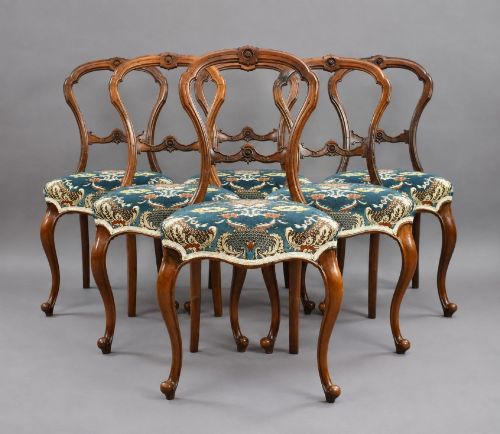
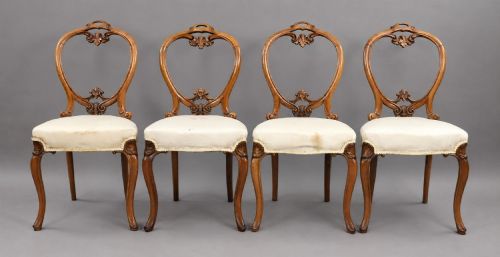
Buyers will most frequently encounter country and domestic styles on this page, such as Windsor farmhouse chairs, stick back kitchen chairs, and Edinburgh Pattern side chairs. Balloon back dining chairs also represent the period.
Originating across different regions, these chairs reflect both regional domestic workshops and formal cabinet-making traditions of the nineteenth century.
Materials and construction
Construction relies heavily on traditional timber species recorded in the listings, combining elm, mahogany, oak, beech, birch, and ash. Elm and beech often form country stick backs, whilst mahogany suits formal turned leg dining chairs.
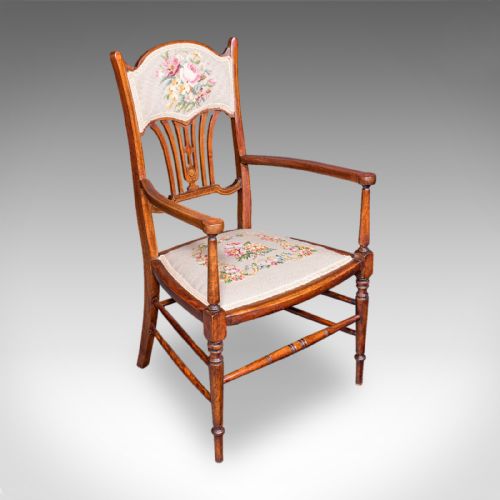
Seat pads and frames utilise solid timbers shaped through turning and stick back construction methods. Some examples incorporate upholstery materials such as velvet and fabric.
Retail Price Guide 2026
Typical UK retail prices for victorian wooden dining chairs, calculated from the Sellingantiques database of over a million retail prices indexed since 2003. This retail price guide relies exclusively on Sellingantiques data; no external sources or auction records are used, so the figures do not describe the wider market.
Listings feature 19th Century and Victorian periods, utilising elm, mahogany, oak, beech, velvet, birch, ash, and fabric.
Assessing quality
Quality separates through the choice of timber and the sophistication of the form, moving from rustic kitchen seating to formal turned mahogany or patterned birch frames. Finer sets show deliberate grain selection and balanced turning.
The integrity of the construction distinguishes standard domestic utility from superior craftsmanship, particularly in the joinery of stick backs and balloon backs.
The Victorian Wooden Dining Chairs Glossary
- Windsor
- A traditional wooden chair style featuring a saddle-seated base with spindles inserted into the seat. These often appear in farmhouse and kitchen settings.
- Stick back
- A chair construction where turned wooden spindles form the backrest, secured into a solid wooden seat. This method provides robust support for daily dining.
- Balloon back
- A distinct nineteenth-century chair back shape curving in a continuous loop resembling a balloon. This style is frequently found on formal Victorian dining chairs.
- Edinburgh Pattern
- A specific regional design of nineteenth-century side chair, represented here in birch. It defines a distinct local woodworking tradition.
- Thames Valley
- A geographical attribution associated with regional nineteenth-century chair production, particularly involving elm and beech stick backs.
Frequently Asked Questions
How many chairs come in a set?
Sets listed here typically number four, six, or eight chairs, suiting various dining table sizes.
Buyers should check individual listings to confirm the exact quantity included in each set.
What woods were used for these chairs?
Makers utilised a variety of timbers including elm, mahogany, oak, beech, birch, and ash.
Softer or more pliable woods like elm and beech suited country stick backs, whilst mahogany was chosen for formal dining furniture.
Are these chairs suitable for daily use?
These nineteenth-century chairs were built for practical domestic dining and kitchen tasks.
Their solid wooden construction makes them durable for everyday sitting when properly maintained.
How do I identify a balloon back chair?
Balloon back chairs feature an oval or loop-shaped wooden top rail that resembles an inflated balloon.
This curved design gained popularity during the nineteenth century for formal dining settings.