
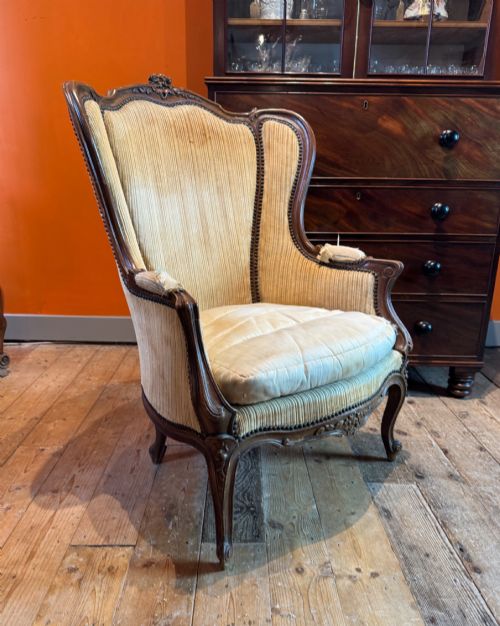
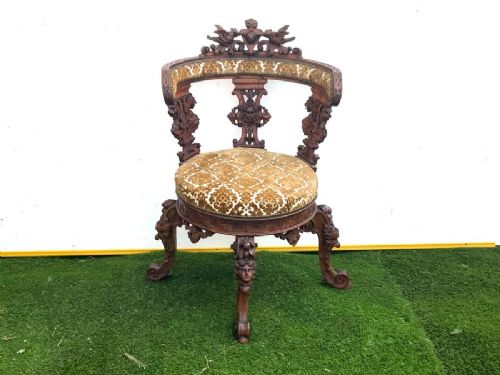
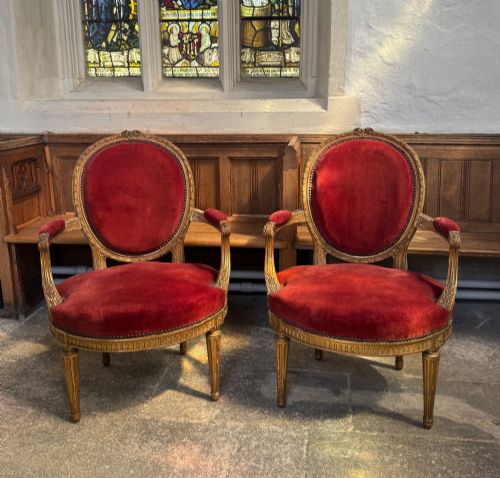
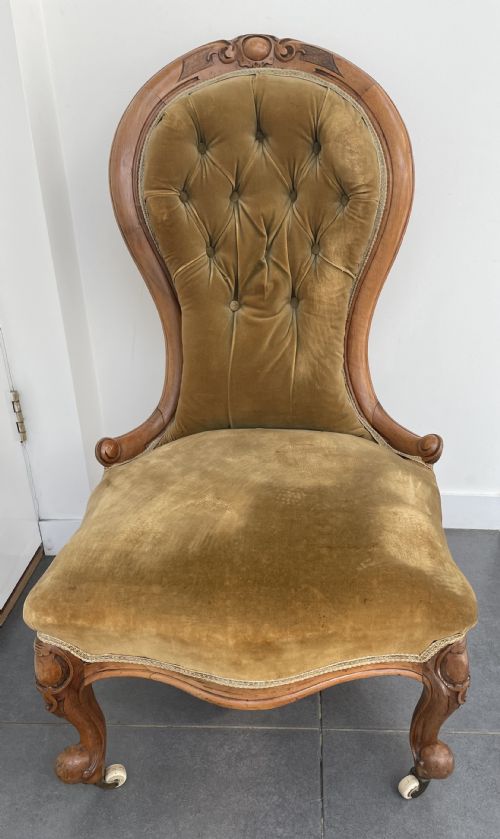
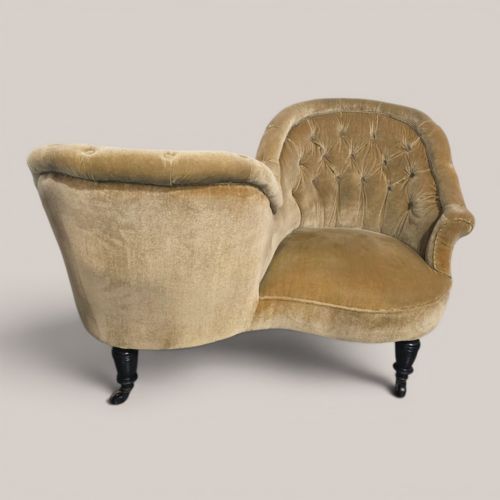
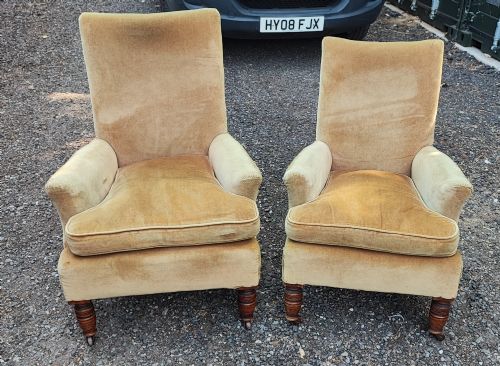
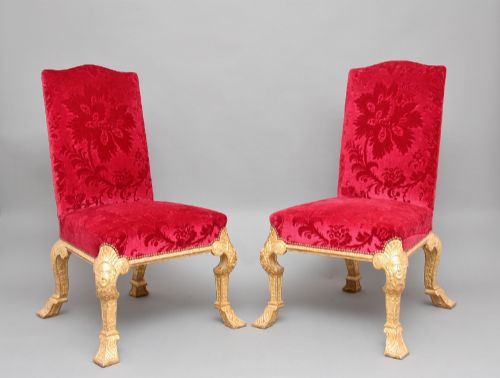
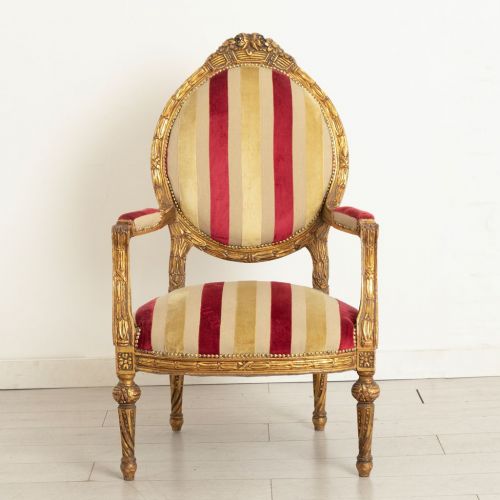
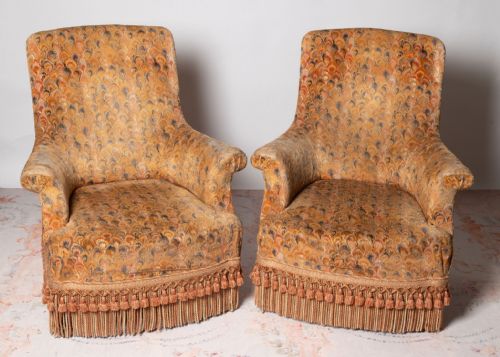


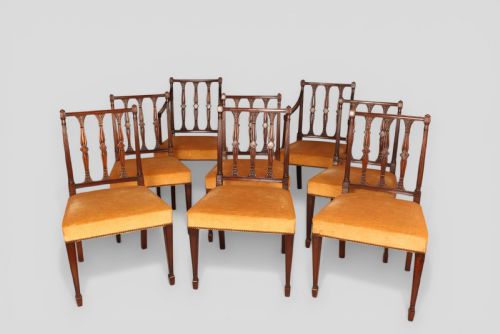
Gold Velvet Chairs
Gold velvet chairs bring warmth and tactile depth to a room, spanning periods from the eighteenth century to the twentieth.
Gold Velvet Chairs
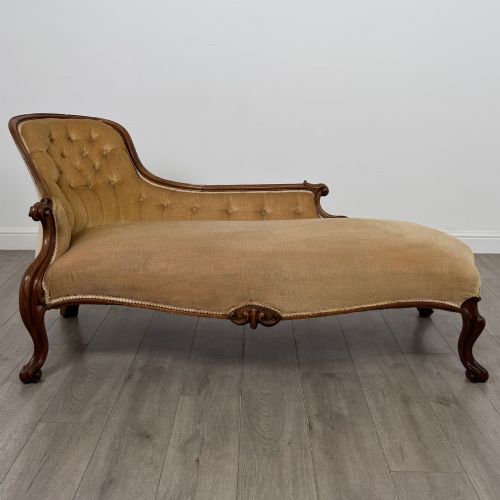
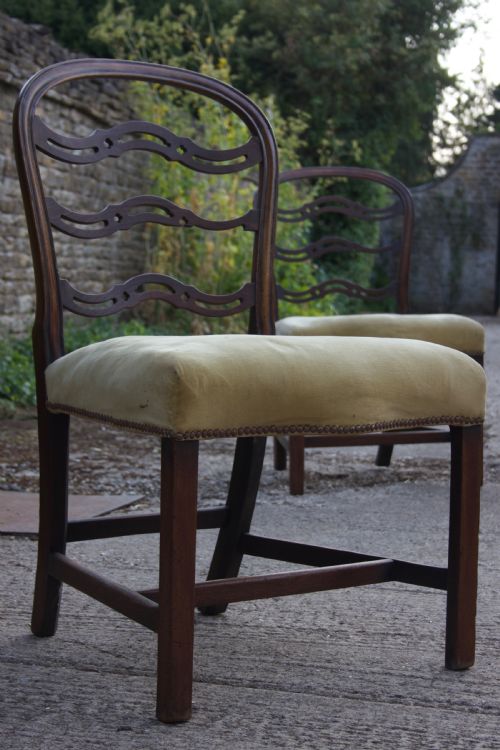
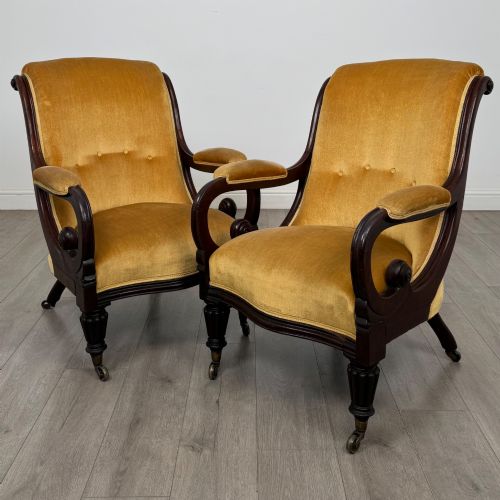
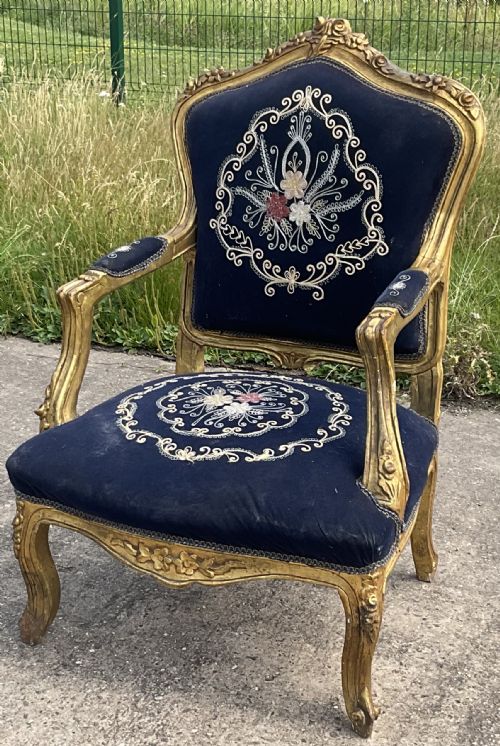
Gold velvet chairs encompass seating forms designed for relaxation, dining and formal reception, including armchairs, nursing chairs, side chairs and dining sets. Buyers seeking gold velvet chairs encounter nineteenth-century Victorian walnut frames, French giltwood seating in Louis XVI styles, and earlier Georgian and Regency mahogany designs.
The selection ranges from single occasional chairs and pairs of salon seats to larger dining sets and library armchairs. Many pieces trace their origins to French workshops, Italian makers and British cabinetmakers working across distinct historical revivals.
Quality factors
Quality rests upon the crispness and depth of hand carving in the wooden or giltwood frames. Subtleties in proportion, the integrity of original joinery, and the weight of the timber define the better examples.
The refinement of surface finishes, whether polished wood or gilded decoration, dictates the standing of a piece. Upholstery standard and the preservation of structural stability further separate the exceptional from the ordinary.
Listings feature walnut, mahogany, rosewood, and giltwood frames paired with velvet.
Blyth & Sons·Lamb of Manchester
The Gold Velvet Chairs Glossary
- Giltwood
- Wood that has been coated with gold leaf or gold paint over a prepared gesso surface. This finish appears frequently on decorative French and revival armchairs.
- Fauteuil
- An open-armed upholstered armchair with an exposed wooden frame, originating in France. These chairs typically feature padded armrests and carved rails.
- Bergere
- A closed-arm upholstered armchair with padded sides, often featuring cane work or fully upholstered panels. The style gained popularity in eighteenth-century France and subsequent revivals.
- Balloon back
- A chair back shape formed in a continuous curved loop resembling a balloon, characteristic of Victorian dining and salon seating. This design provides ergonomic support while maintaining an elegant silhouette.
- Bobbin turned
- Turned woodwork shaped on a lathe to resemble a series of bobbins or spools strung together. This decorative technique appears on legs and stretchers of nineteenth-century chairs.
Gold Velvet Chairs: Frequently Asked Questions
What is the difference between an armchair and a salon chair?
Armchairs feature structural side supports designed for prolonged resting and reading, often found in libraries and drawing rooms. Salon chairs are lighter, smaller seats intended for formal entertaining and conversation.
Salon chairs frequently employ decorative frames, such as gilded wood or carved walnut, prioritizing visual grace over heavy padding.
How do I care for antique velvet upholstery?
Antique velvet requires gentle handling to preserve the pile and texture of the fabric. Avoid direct sunlight to prevent fading, and use soft brushing to remove surface dust.
Professional specialist cleaning is recommended for any deeper maintenance to protect the delicate textile fibres and underlying structure.
Can I mix different chair styles in a dining room?
Mixing chair styles creates a layered interior by combining complementary periods and materials, such as pairing mahogany side chairs with carved walnut carvers. Maintaining a shared element, such as matching upholstery or similar wood tones, unifies the arrangement.
Historical dining sets often included single chairs alongside larger armchairs for the head of the table, offering a precedent for mixed seating.