


Traditional Carved Armchairs
Traditional carved armchairs comprise heavy timber seating shaped by hand across centuries, offering solid domestic comfort through enduring joinery.
Traditional Carved Armchairs
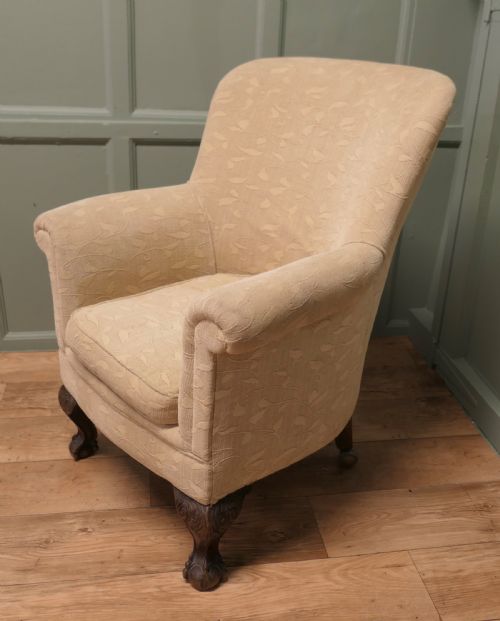
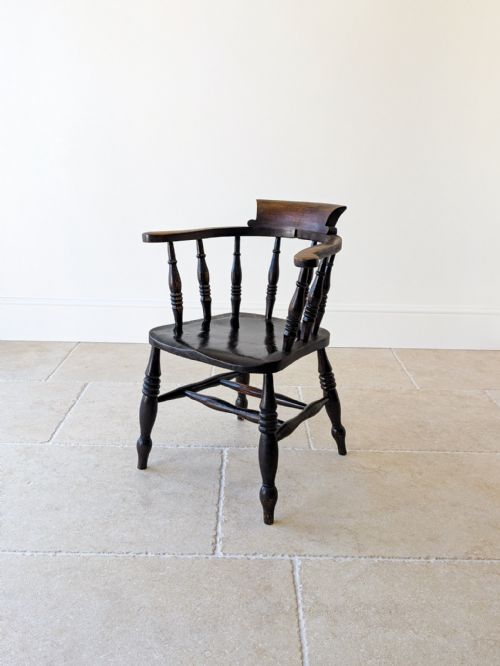
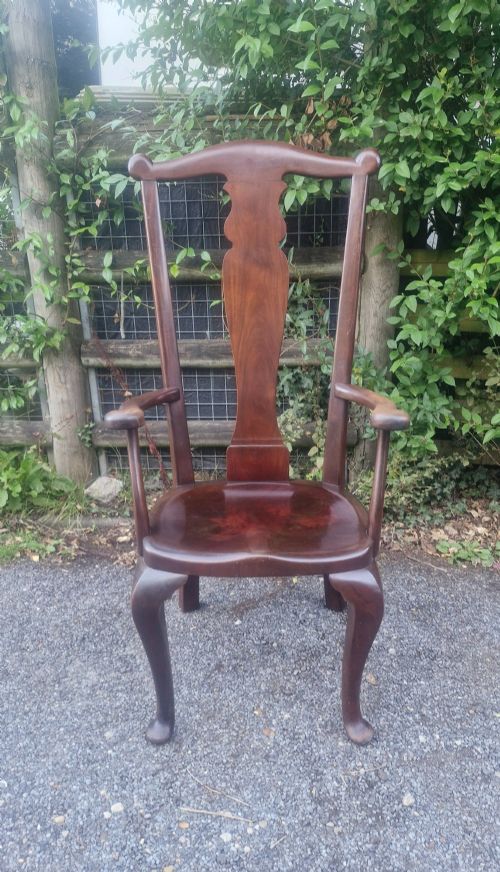
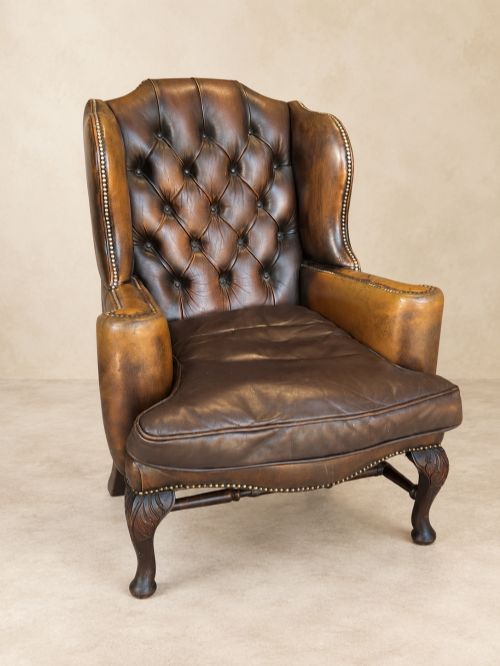
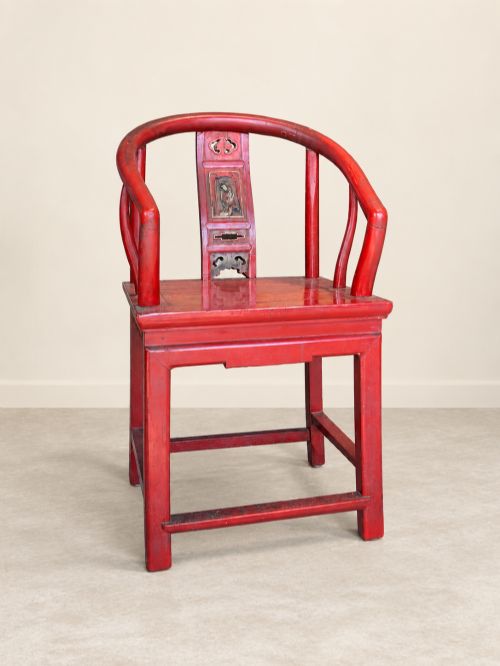
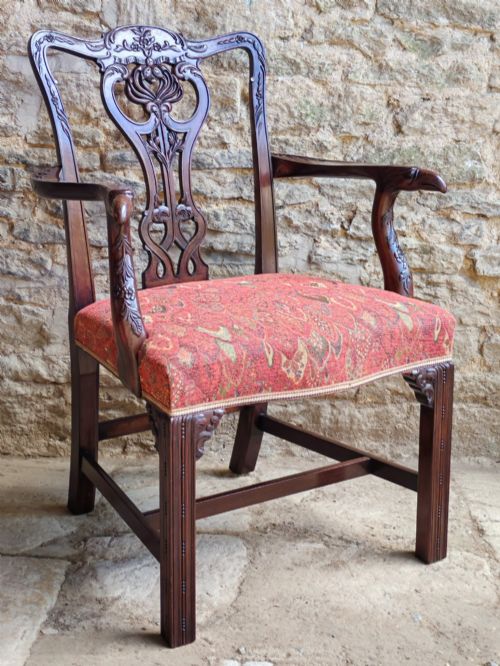
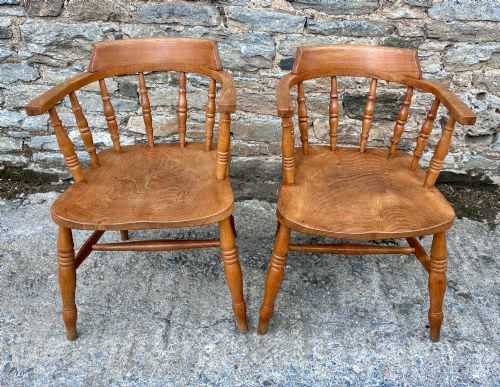
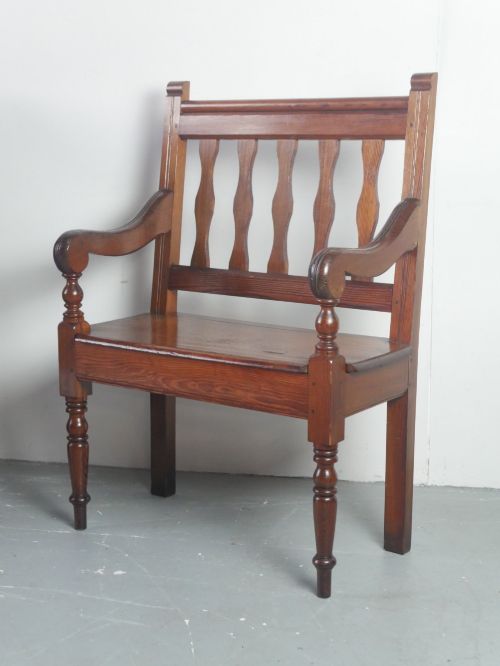
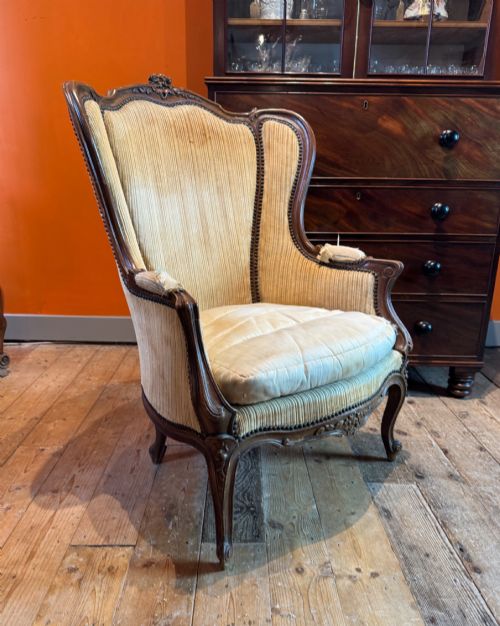
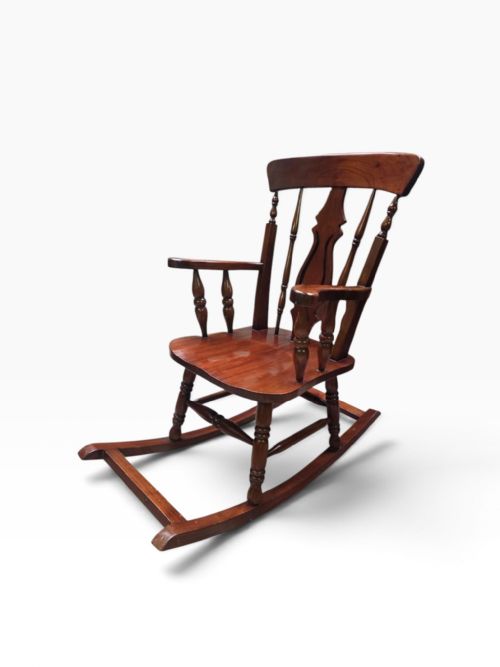
Traditional carved armchairs encompass heavy wooden seating shaped across centuries, ranging from robust provincial elm and ash captains' chairs to formal mahogany library seats. Buyers searching for traditional carved armchairs encounter varied forms including windsor rockers, wing armchairs, and oak wainscot seats spanning the seventeenth to the twentieth century.
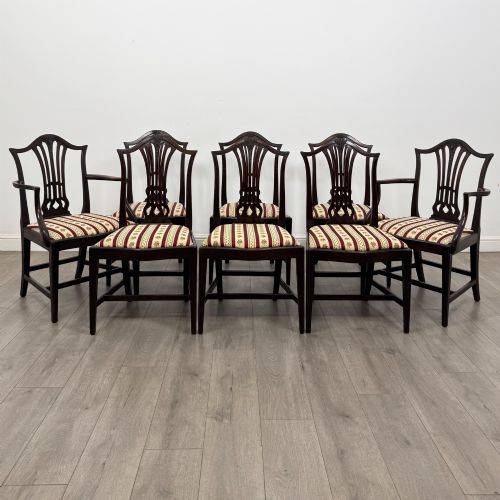
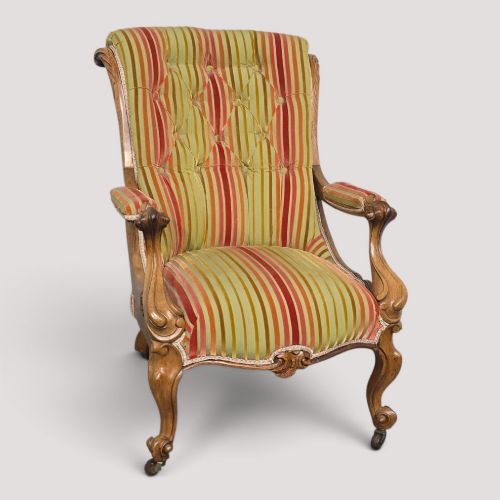
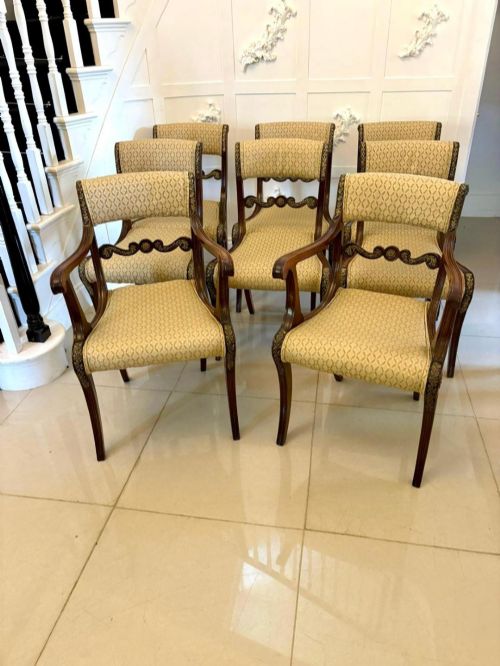
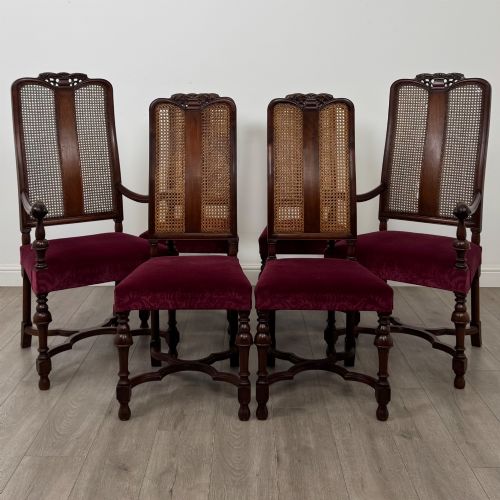
The selections on this page lean heavily toward nineteenth-century revival styles and earlier vernacular forms, constructed primarily in mahogany, oak, and elm. Dining chairs, desk chairs, and library carvers dominate the inventory, often displaying carved shield backs, ropebacks, or upholstered panels.
Provincial pieces like smoker's bows and captain's chairs sit alongside refined Georgian and Regency library models, showing how functional seating evolved from solid timber frames into upholstered comfort. Each piece reflects the domestic habits of its period, whether designed for the fireside, the writing desk, or the formal dining room.
How they were made
Makers relied on durable hardwoods such as mahogany, oak, walnut, and elm, selecting each timber for its grain and structural strength. Frames were joined using traditional mortise and tenon joints, dowels, and hand-cut dovetails that held heavy loads without modern adhesives.
Carving was executed entirely by hand using gouges and chisels to create motifs like ribbons, wheat ears, and scrollwork directly onto the solid wood. Upholstered versions incorporated horsehair stuffing, webbed foundations, and coverings of leather, velvet, or woven cane secured with brass tacks.
Some provincial elm captain's chairs retain deep saddle seats hollowed out by hand to keep nineteenth-century sitters from sliding off during long meetings.
What varies in quality
The calibre of a piece rests on the crispness of the hand carving and the selection of timber with rich, unblemished grain. Superior examples retain their original frame structure without excessive timber shrinkage or replaced structural members.
Refinement in turning, joinery tightness, and the proportion of arms and legs distinguish standard domestic seating from exhibition-quality workshop productions. Maker attribution and the preservation of original leather, cane, or fabric surfaces further elevate an item's standing.
Howard and Sons·Warings·Maple and Co·Whytock and Reid·Alfred Allen of Birmingham
The Traditional Carved Armchairs Glossary
- Carver
- An armchair designed to match a set of dining chairs, usually featuring open arms. These pieces provided a seat of authority at the head of the dining table.
- Bergere
- An enclosed upholstered armchair with wooden framing and cane or wicker side panels. Originating in France, they often featured loose down cushion seats.
- Wainscot
- A heavy wooden armchair constructed from solid oak with panelled backs and substantial armrests. Dating to earlier centuries, they represent the sturdiest domestic seating.
- Windsor
- A chair built with a solid wooden seat into which the legs and back spindles are directly wedged. They often incorporate bentwood bows and elm or ash construction.
- Shield back
- A chair back shaped in the outline of a heraldic shield, popularized during the eighteenth century. These designs frequently incorporated carved drapery or wheat ears.
Traditional Carved Armchairs: Frequently Asked Questions
How do I identify a genuine antique armchair?
Examine the construction methods beneath the seat and around the joints for hand-cut marks, wooden pegs, and aged timber patination. Tool marks and inconsistencies in hand-carved details generally point to older manufacturing.
Check for natural wear patterns on the feet and armrests where hands and floors made contact over generations. Genuine pieces display consistent ageing across the entire wooden frame rather than isolated artificial distress.
What is the difference between an armchair and a carver?
A carver specifically denotes an armchair designed to accompany a matching set of dining chairs, featuring arms set wide enough to accommodate formal clothing. Standard armchairs were built as standalone pieces for libraries, halls, or bedrooms.
Dining carvers usually have slightly higher seats and narrower profiles to fit neatly beneath a dining table. Standalone armchairs prioritize deep cushioning and relaxed reclining angles for reading or resting.
How should I care for antique wood and leather?
Keep wooden frames away from direct sunlight and sudden radiator heat to prevent the timber from splitting or warping. Apply a gentle microcrystalline wax periodically to nourish the polish without building up heavy residues.
Treat antique leather with specialised leather balms to maintain flexibility and stop the surface from cracking. Avoid harsh modern chemical cleaners on any historic fabric, wood, or metal fittings.
Can I use an antique armchair every day?
Most traditional carved armchairs were built for rigorous daily domestic use from durable hardwoods like oak and mahogany. Solid timber frames handle regular sitting easily, provided the joints remain tight and secure.
Pieces with delicate cane panels or fragile antique upholstery require more gentle treatment to avoid tearing the historic materials. Checking the stability of the underframe ensures safe daily seating.