
Antique Oak Dining Carvers
These antique oak dining carvers offer sturdy seating with arms, combining heavy timber frames with period character to anchor a traditional dining table.
Antique Oak Dining Carvers
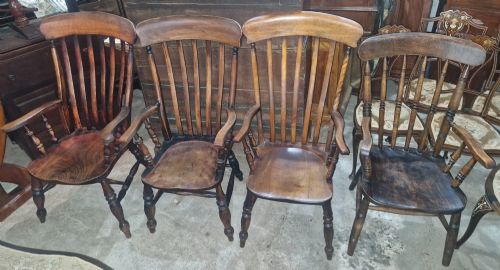
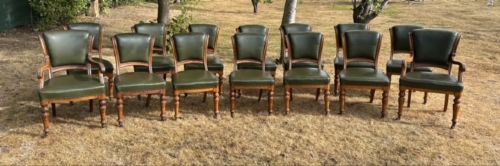
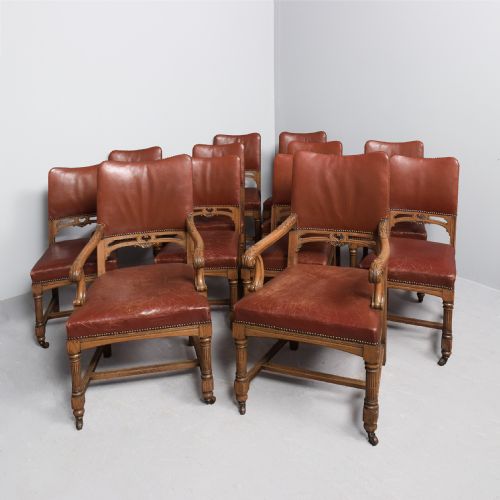
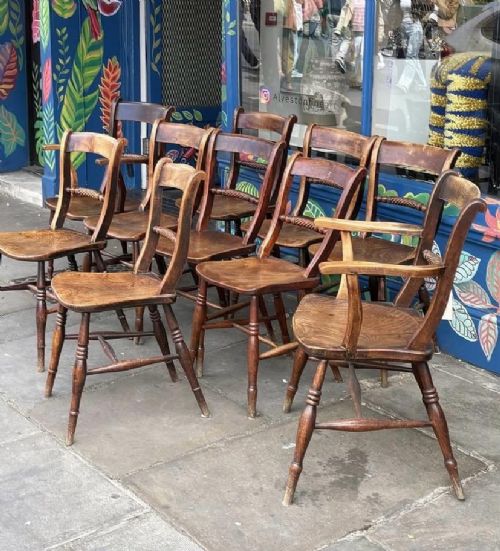
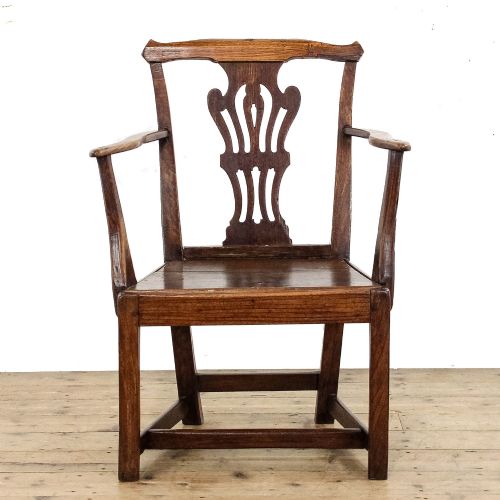
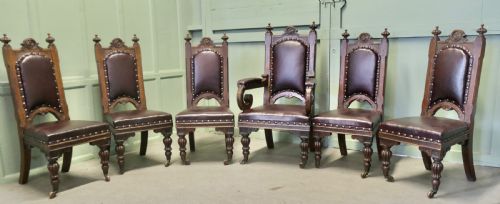
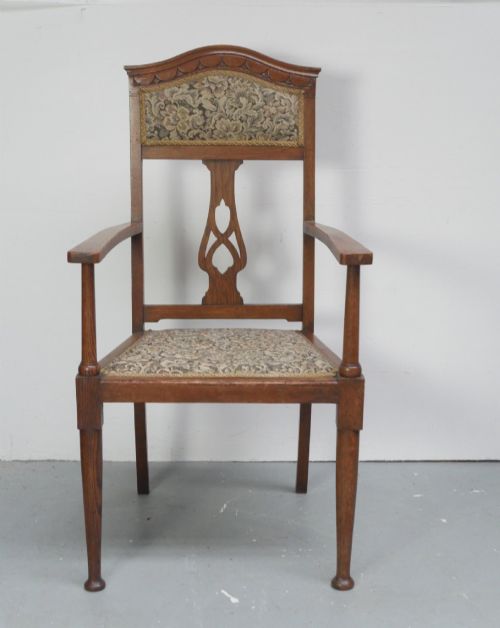
When searching for antique oak dining carvers, a buyer encounters armchairs intended to sit at the heads of a dining table alongside matching side chairs. These seating pieces span multiple eras, appearing in Georgian designs, Victorian Gothic revivals, Edwardian interpretations, and robust Arts and Crafts styles.
Origins range from formal urban workshops producing revival styles like Jacobean and Derbyshire to rural makers fashioning simpler country farmhouse seating. Buyers find both single armchairs and matched pairs intended to complete a larger set of dining seats.
Materials and construction methods
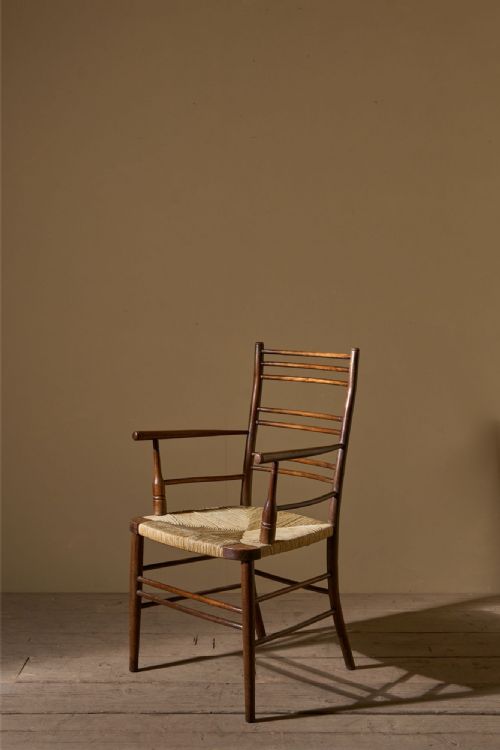
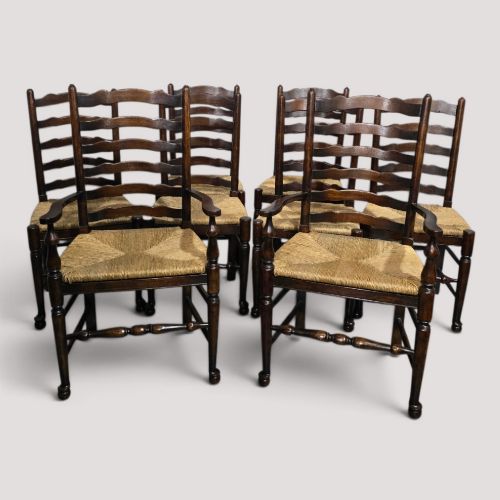
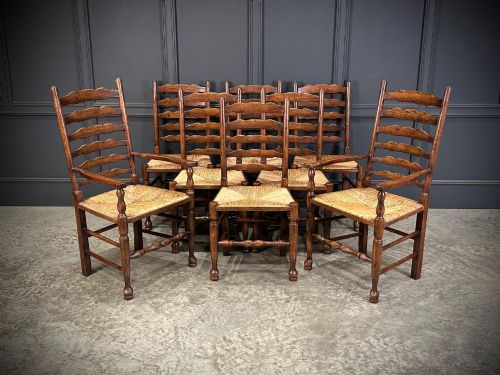
Construction relies heavily on solid oak timbers, chosen for strength and durability, complemented by secondary woods such as elm, beech, and ash found in country Windsor and ladder back frames. Artisans shaped these heavy woods using traditional joinery, turning uprights on lathes and securing joints with pegs.
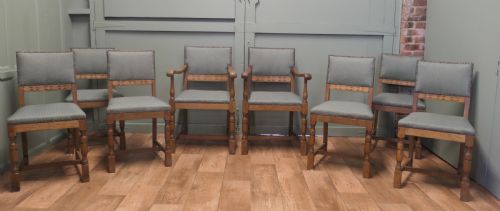
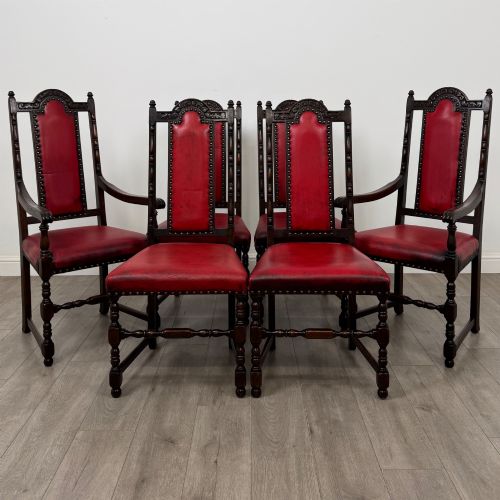
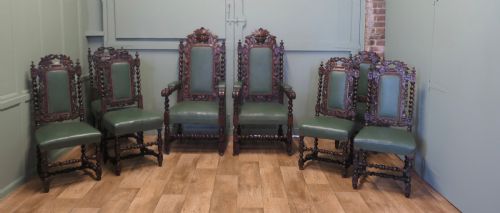
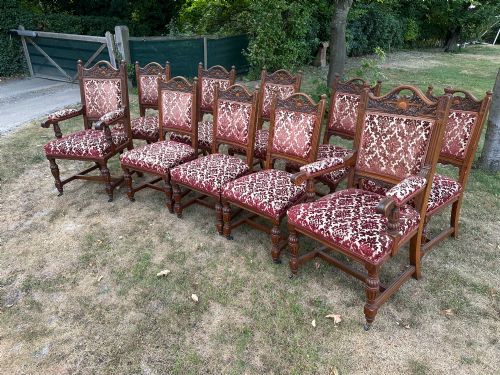
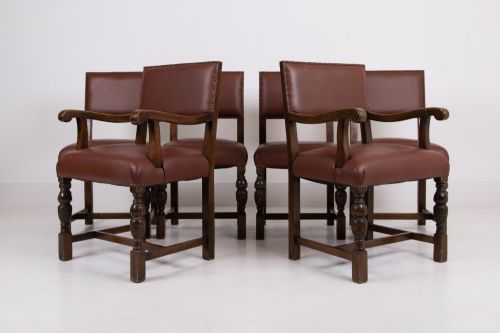
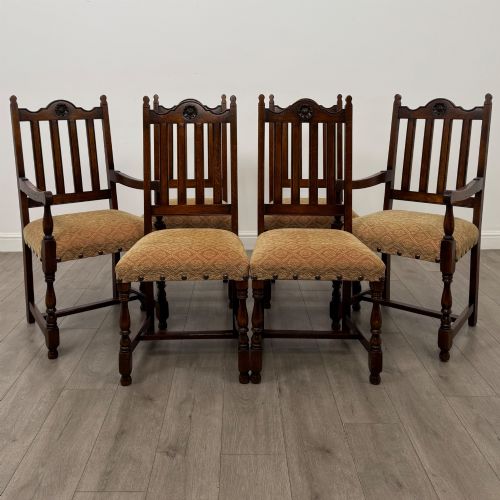
Seating surfaces vary according to the regional style and period, incorporating woven rush, cane, solid wood planks, or upholstered pads finished in leather and durable fabric. Brass studs frequently secure leather upholstery edges, while barley twist legs and carved back panels demonstrate decorative woodworking techniques.
Listings feature oak combined with rush, leather, brass, elm, beech, and ash across Victorian, Edwardian, and Georgian periods.
Distinctions in craftsmanship and survival
Quality rests upon the integrity of the original timber frame and the depth of carving or turning executed by the maker. Pieces retaining their original finish and structural stability command greater attention than those with extensive timber replacement.
Subtleties in proportion, the weight of the oak, and the crispness of applied details such as Jacobean revival strapwork or Arts and Crafts joinery separate ordinary utilitarian seating from finer workshops.
Edward Barnsley·William Morris
The Antique Oak Dining Carvers Glossary
- Carver
- An armchair designed with open sides to accommodate the formal dress of earlier centuries, typically placed at the head of a dining table.
- Ladder back
- A chair back featuring horizontal arched slats stacked vertically between the upright posts. This traditional vernacular design appears frequently in country dining sets.
- Windsor
- A chair constructed with a solid wooden saddle seat into which the legs and back spindles are wedged directly. These country forms often feature steam-bent bow backs.
- Barley twist
- A decorative turning technique resembling a twisted rope, carved into the vertical legs or stretchers of chairs. This detail is popular in Jacobean revival pieces.
- Rush
- Dried marsh grass woven tightly to form a supportive seat base. It is commonly found on country ladder back chairs.
Antique Oak Dining Carvers: Frequently Asked Questions
How do I match carvers to chairs?
Matching carvers to existing chairs involves comparing the wood tone, grain pattern, leg turning style, and overall height. Many period sets were sold with a specific ratio of side chairs to armchairs.
When exact matches prove difficult, harlequin sets combine complementary vernacular styles from similar periods to create a cohesive dining arrangement.
Are these chairs comfortable for daily use?
These chairs accommodate daily dining when paired with supportive pad seats, rush bases, or loose cushions. Their solid construction makes them resilient for regular household seating.
Proper seat height and ergonomic back angles vary by period, with country Windsor and upholstered Edwardian models offering substantial back support.
How do I date an oak carver?
Dating relies on observing construction marks, joinery techniques, timber patination, and stylistic motifs. Georgian pieces display refined classical lines, while Victorian and Edwardian examples often favor revival carvings like Jacobean strapwork or Arts and Crafts simplicity.
Tool marks, peg construction, and the type of secondary woods used in the frame provide further clues to the manufacturing era.