
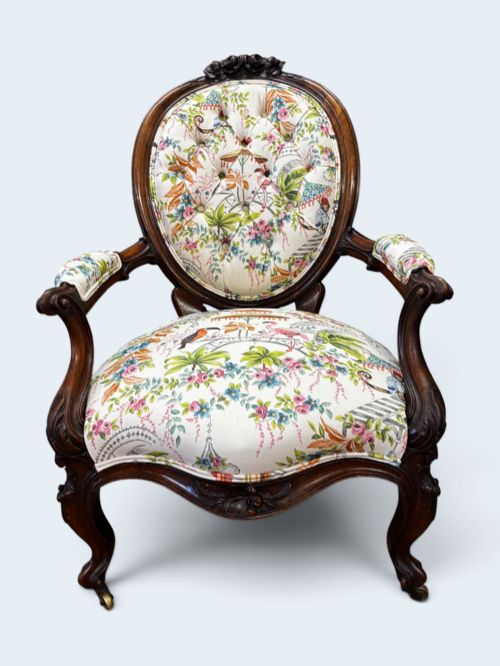
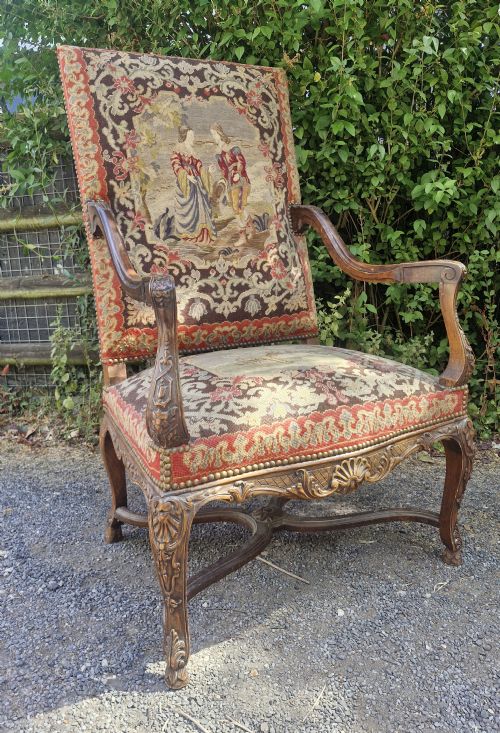
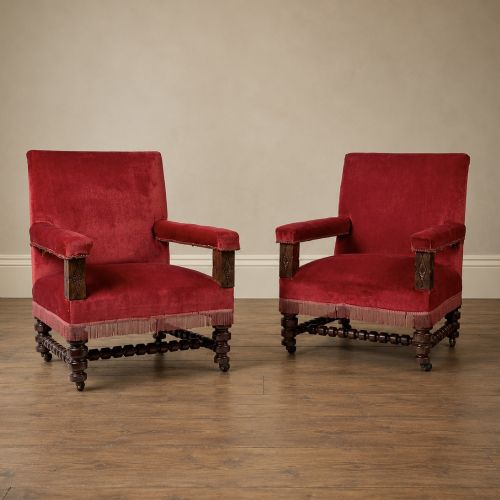
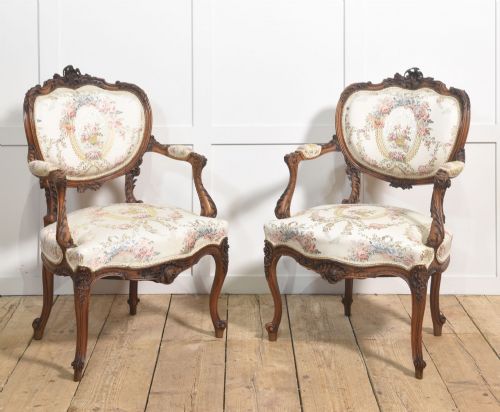
Carved Frame Accent Chair
When you select a carved frame accent chair, you bring home a seated piece built for a parlour, bedroom or study.
Carved Frame Accent Chair
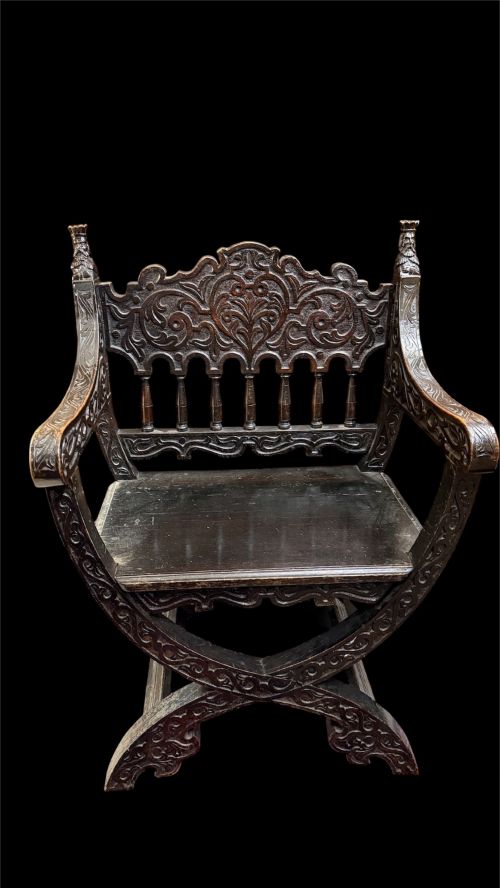
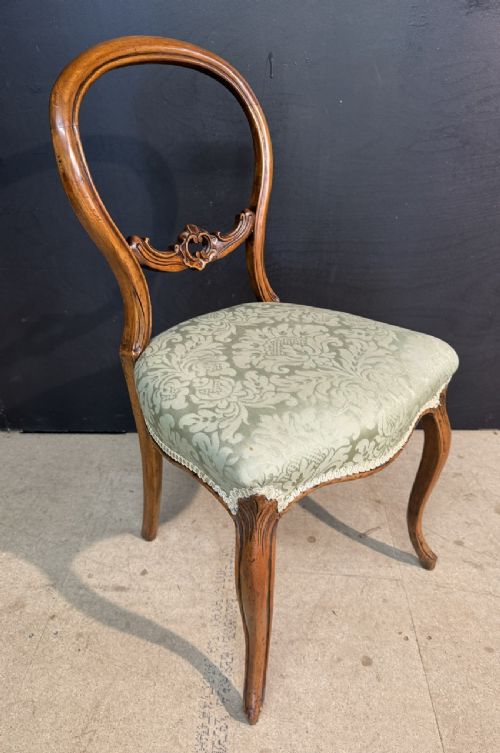
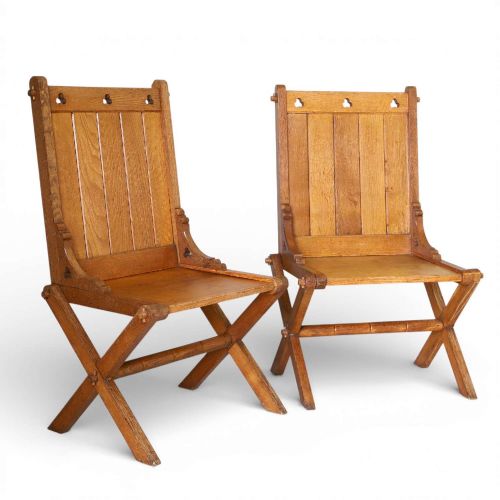
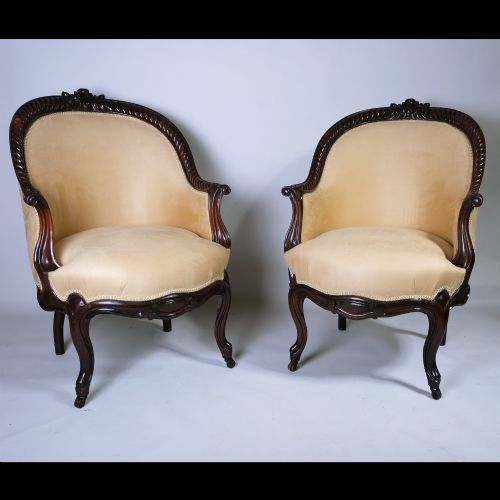
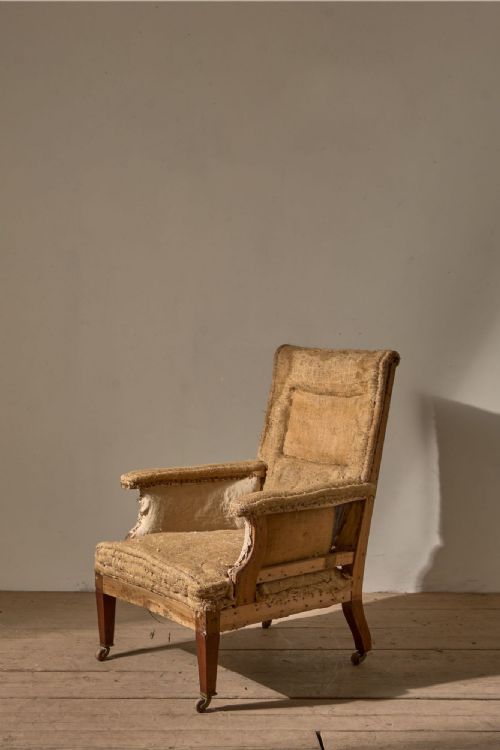
A carved frame accent chair encompasses various seating forms designed to provide both functional comfort and decorative presence in a room. The selections available on this page lean heavily towards the nineteenth century and the early twentieth century, spanning periods from Victorian and Edwardian eras to specific revivals.
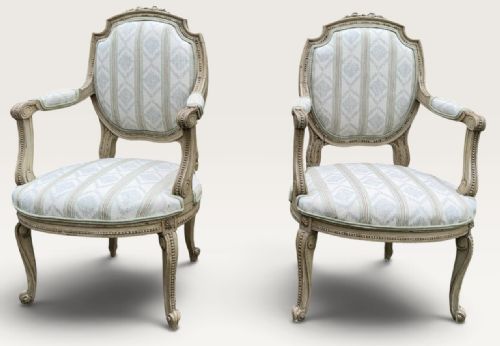
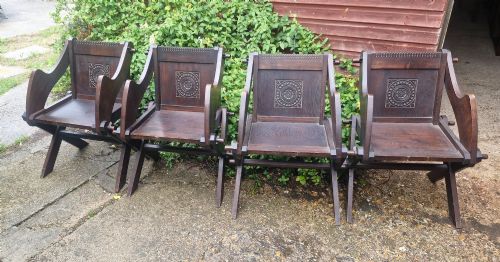
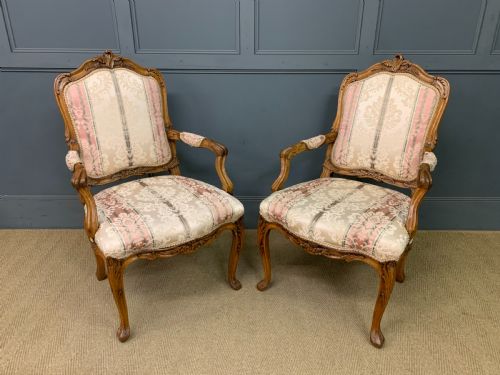
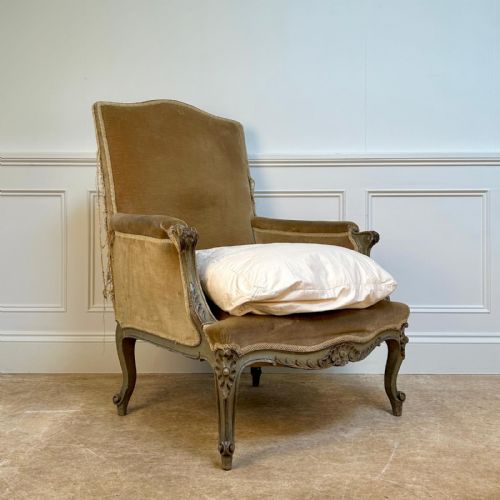
The primary forms you encounter include armchairs, fauteuils, bergères, side chairs and occasional chairs, often shaped with stylistic nods to Louis XV, Gothic Revival and Renaissance Revival tastes. These pieces function well as standalone statement items in a sitting room or as complementary seating beside a desk or fireplace.
How They Were Made
The structural framework of these chairs relies heavily on hardwoods such as walnut, oak, mahogany and rosewood, selected for their strength and suitability for intricate hand-carving. Craftspeople shaped cabriole legs, trefoil details and curved crest rails using traditional joinery methods appropriate to each period.
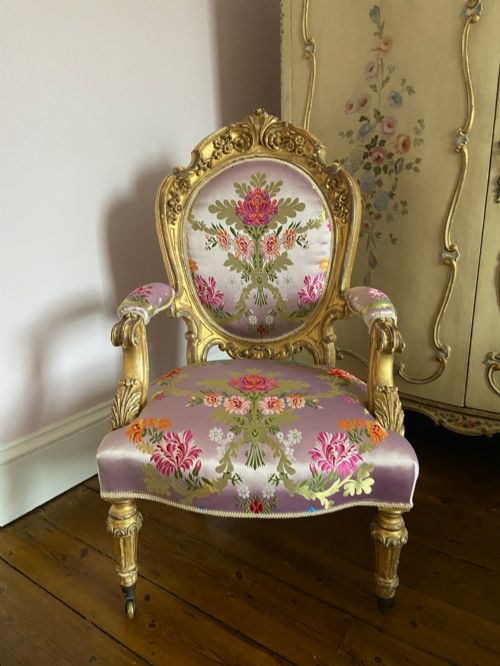
Upholstery and finishing materials add texture and colour to the wooden frames, featuring textiles like velvet, silk, needlework, leather and split cane work. Metal elements such as brass studs or hardware sometimes appear, while other examples showcase original paint or gilt wood surfaces.
Carved Frame Accent Chair Retail Price Guide 2026
Typical asking prices for carved frame accent chair among the pieces listed under this phrase on Sellingantiques today, from the lower quarter to the upper quarter. They describe what is for sale here now, not the wider market.
Upholstery options span velvet, leather, silk, needlework and cane.
What Varies in Quality
The distinction between standard examples and finer interpretations rests upon the crispness of the hand-carving and the selection of timber. Dense, well-figured walnut or mahogany frames with deep, sharply defined ornamentation require superior joinery and carving skill compared to plain or mechanically shaped alternatives.
Quality also shows in the harmony of the upholstery materials with the period style, whether that involves hand-stitched needlework, tightly woven split cane or rich velvet. The structural integrity of the frame joints and the grace of the proportions ultimately determine the standing of an individual piece.
White, Allom and Co.
The Carved Frame Accent Chair Glossary
- Fauteuil
- An open-arm armchair with an exposed wooden frame, originating in France. These chairs typically feature upholstered backrests and seats with padded armrests.
- Bergère
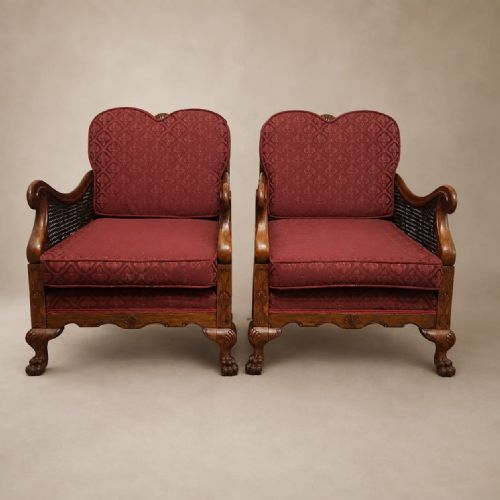
- An enclosed armchair with upholstered sides and a built-in upholstered back, frequently incorporating cane panels. This form offers a deep, comfortable seat often paired with a loose cushion.
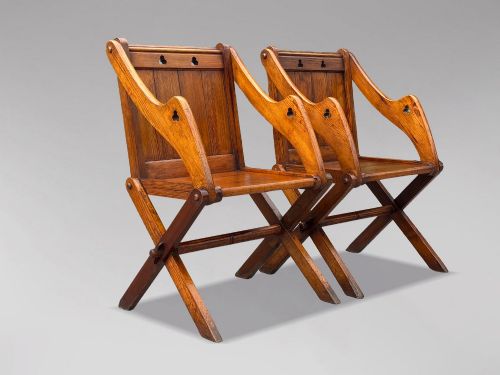
- Glastonbury chair
- A type of folding or X-frame armchair with a sloping back and panel seat. This design draws inspiration from medieval church furniture and revival movements.
- Cabriole leg
- A furniture leg that curves out and then tapers inward, mimicking an animal's leg. This shape is common in Louis XV and related revival styles.
- Gilt wood
- Wood coated with a thin layer of gold leaf or powder for decorative effect. This technique highlights carved details on formal nineteenth-century frames.
Carved Frame Accent Chair: Frequently Asked Questions
Where should I place a carved frame accent chair?
These chairs suit quiet corners of a living room, a dressing area or a study where they add character without dominating the floor plan.
Pair one with a small side table or position it beside a fireplace to create a distinct reading or resting spot.
How do I identify a French revival chair?
French revival pieces often display curved cabriole legs, ornate scrollwork and exposed walnut or gilt wood frames influenced by Louis styles.
Look for open arms with padded elbows and carved floral motifs along the crest rail.
Are these chairs comfortable for daily use?
Many of these chairs provide supportive seating, particularly upholstered bergères, tub chairs and padded armchairs designed for relaxing.
Firmness and support depend on the interior stuffing and the depth of the specific seat.