


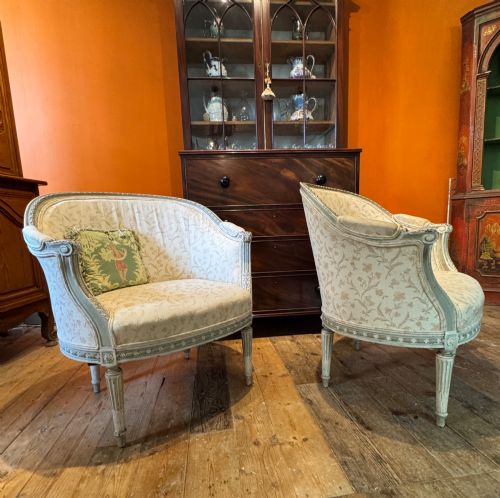
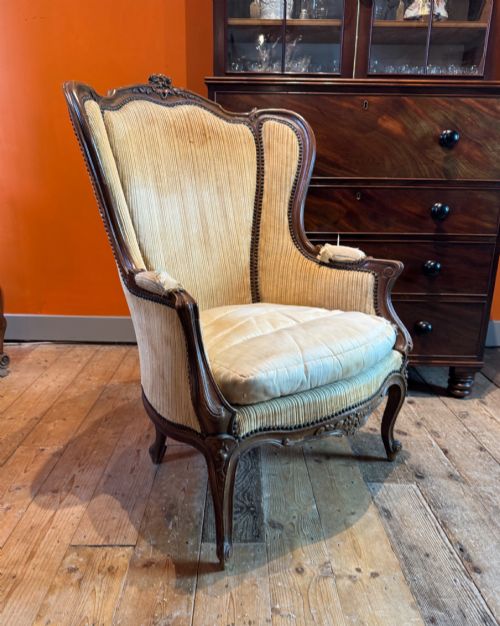
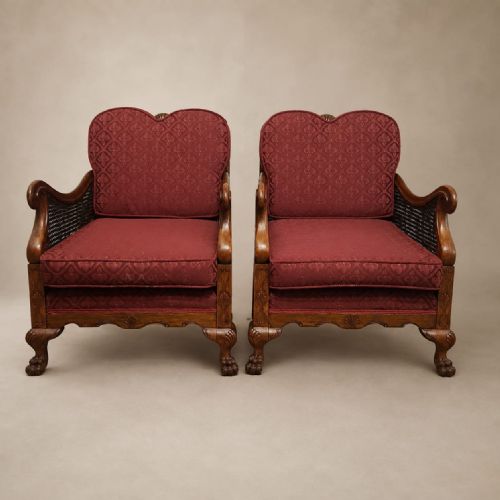
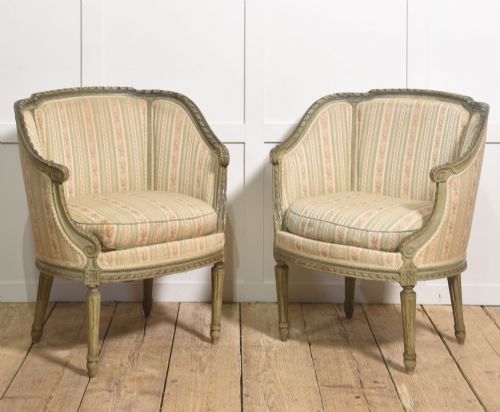
Antique French Bergere
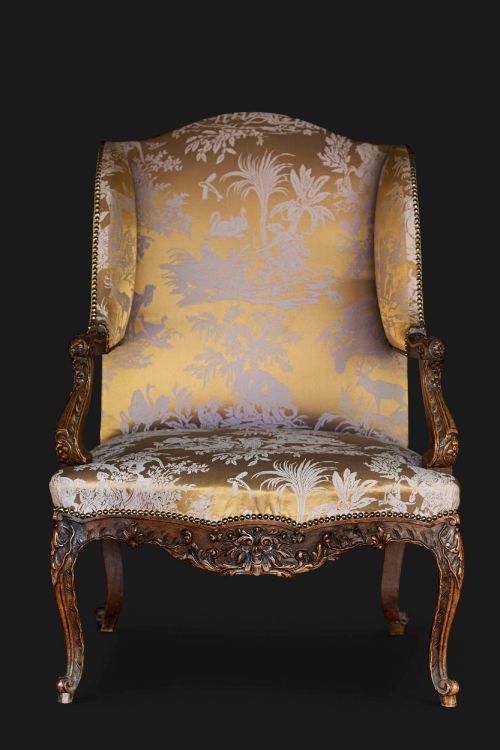
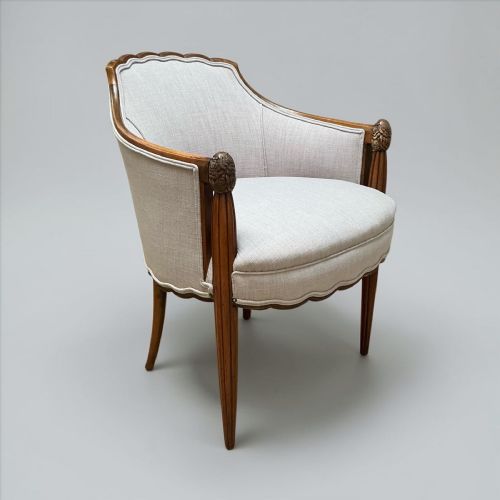
An antique french bergere offers deep, enclosed seating wrapped in classic timber and cane.
Antique French Bergere
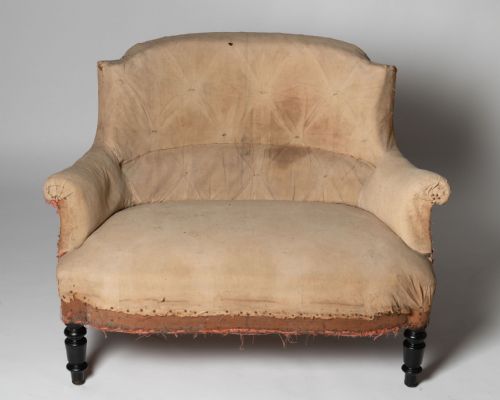
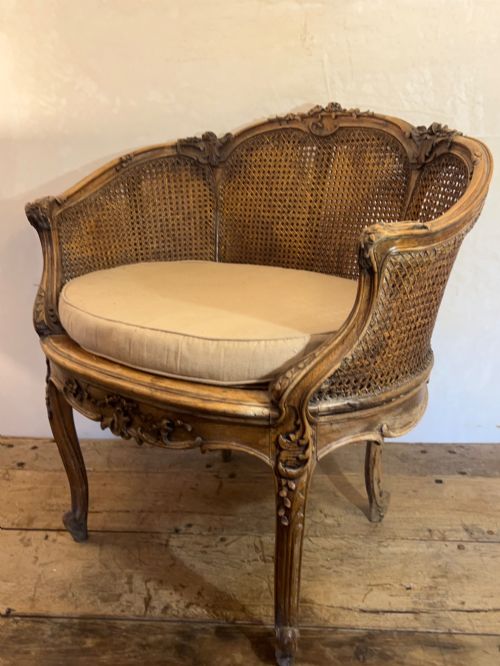
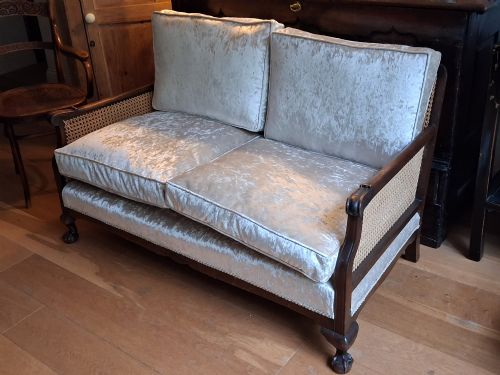
When you search for an antique french bergere, you encounter upholstered armchairs, tub armchairs, and carved sofas designed for relaxed seating. These pieces emerge primarily from the nineteenth century, spanning periods around eighteen sixty, eighteen seventy, eighteen eighty, and nineteen hundred.
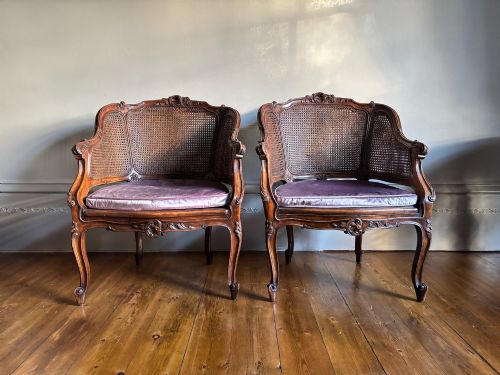
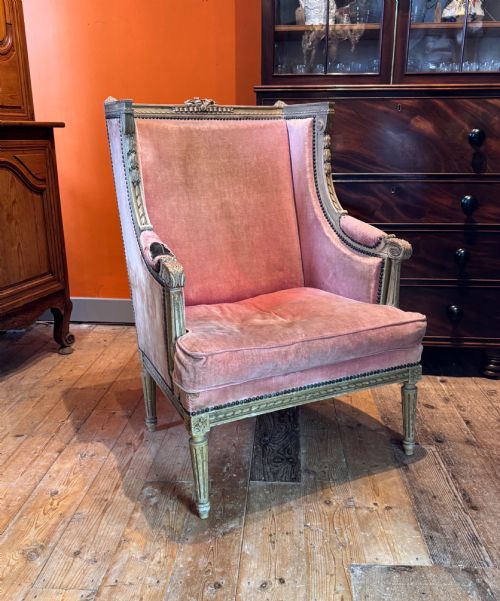
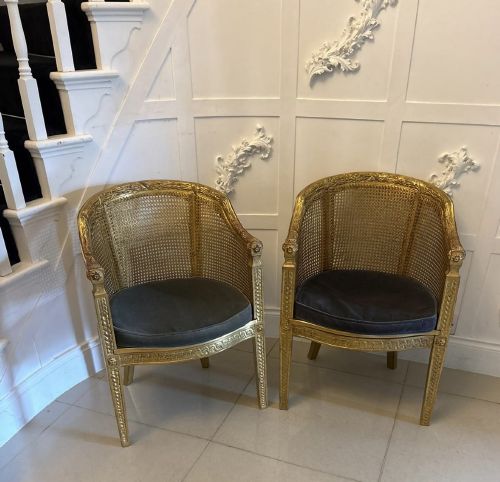
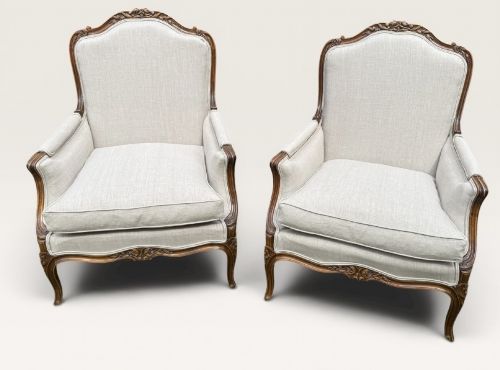
The most common form on this page is the walnut armchair, alongside giltwood pairs and cane-seated variants. Makers also shaped these items in mahogany, beech, and kingwood, reflecting styles from Louis XV and Louis XVI to Regency and French Chateau aesthetics.
How they were made
Craftsmen shaped the frames from solid hardwoods like walnut, mahogany, beech, and kingwood, alongside gilded wood. They carved structural elements with floral or classical motifs to define the Louis XV and Louis XVI styles.
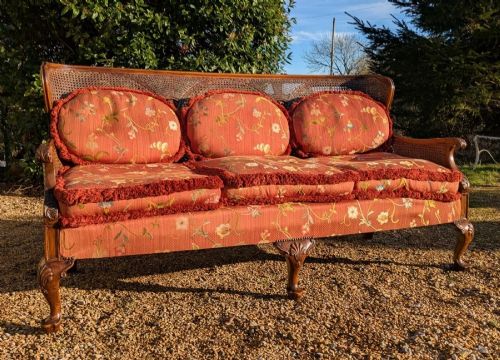
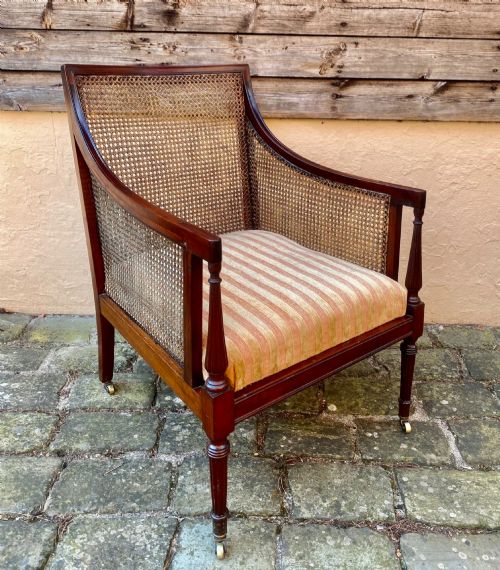
Makers integrated woven cane panels into the sides and backs, pairing this technique with soft upholstery in silk, velvet, and other decorative fabrics. Brass elements occasionally finished the construction, whilst some pieces retained original paint or polished finishes.
Antique French Bergere Retail Price Guide 2026
Typical asking prices for french bergere among the pieces listed under this phrase on Sellingantiques today, from the lower quarter to the upper quarter. They describe what is for sale here now, not the wider market.
Makers occasionally extended this upholstered seating concept to plant stands and pot jardinieres.
What varies in quality
Quality rests in the crispness of the timber carving and the structural integrity of the bentwood or joined frames. Finer examples display deeply defined mouldings and carefully tensioned double cane work rather than loose weaves.
The choice of primary timber dictates distinction, with rich walnut and fire-gilded giltwood standing above simpler beech frameworks. Original surface treatments, such as early paint finishes or undisturbed patination, elevate the standing of a piece.
The Antique French Bergere Glossary
- Cane
- Plant material woven into open mesh panels for chair backs and sides. This technique provides flexible support whilst lightening the visual weight of heavy timber frames.
- Giltwood
- Timber coated with a thin layer of gold leaf or metallic gilt. It creates a bright, reflective surface popular in formal nineteenth-century French seating.
- Louis XV Style
- A design period characterised by asymmetrical curves, cabriole legs, and naturalistic floral carvings. Furniture from this tradition prioritises flowing, organic lines.
- Tub Armchair
- A rounded seat where the back and arms form a single continuous curved rail. This shape wraps around the sitter to enclose them completely.
Antique French Bergere: Frequently Asked Questions
What is an antique french bergere?
An antique french bergere is a deeply upholstered armchair or sofa featuring enclosed sides, often woven with cane. These pieces originated in France across the nineteenth century and combine substantial timber frames with comfortable seating.
Craftsmen built them in various regional styles, including Louis XV and Louis XVI, using hardwoods such as walnut and mahogany. They function as both decorative furnishings and practical lounge chairs.
How do I identify the style?
Identifying the style involves examining the carved details on the timber frame and the profile of the legs. Louis XV examples display curved cabriole legs and flowing floral motifs, whereas Louis XVI pieces lean towards straighter lines and neoclassical symmetry.
Materials also offer clues, as giltwood and rich walnut indicate specific periods of nineteenth-century French design. Comparing the woodwork to documented furniture traits clarifies the exact aesthetic lineage.
Where were these chairs used?
These chairs originally furnished formal reception rooms, bedrooms, and parlours within nineteenth-century French homes. Their deep, enclosed proportions suited reading and relaxed social conversation.
Today, they integrate easily into modern living rooms and studies as accent seating. Their classic timber and fabric combination allows them to anchor traditional or eclectic interiors.
Are the cane panels original?
Cane panels on nineteenth-century seating often show signs of repair or complete reweaving due to the fragile nature of plant fibres over time. Inspecting the tightness of the weave and the colour of the cane relative to the frame helps determine its age.
Double cane construction appears on select finer pieces, providing extra durability. Even with replacement cane, the antique timber frame retains its historical character.