
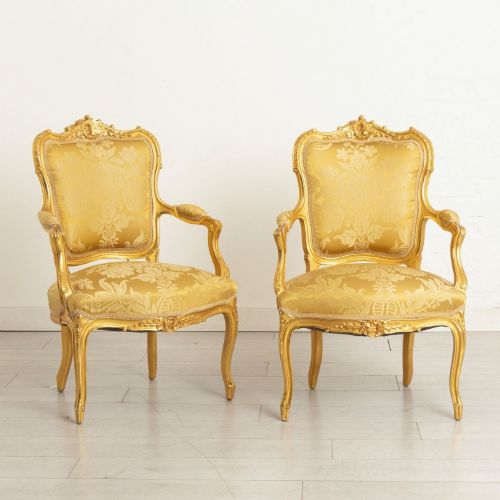


Silk Damask Armchair
A silk damask armchair is a formal seat upholstered in patterned woven silk, offering historic elegance and texture to a traditional interior.
Silk Damask Armchair
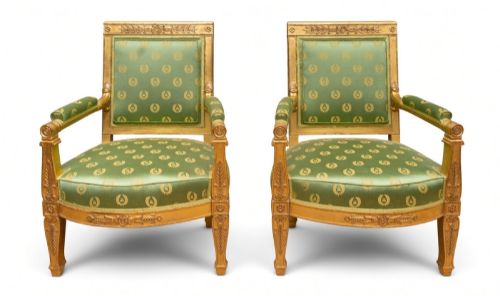
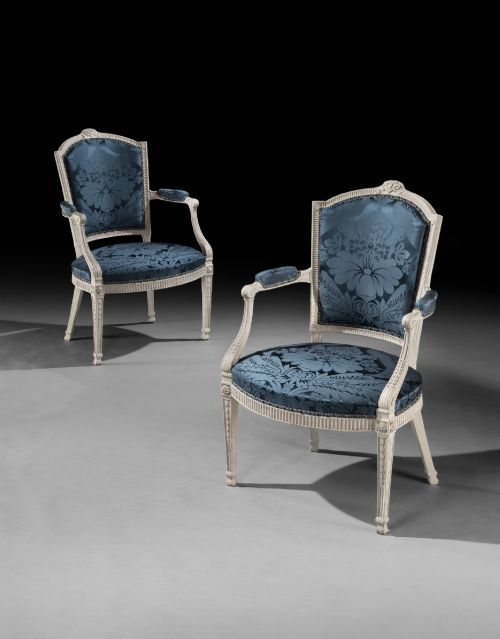
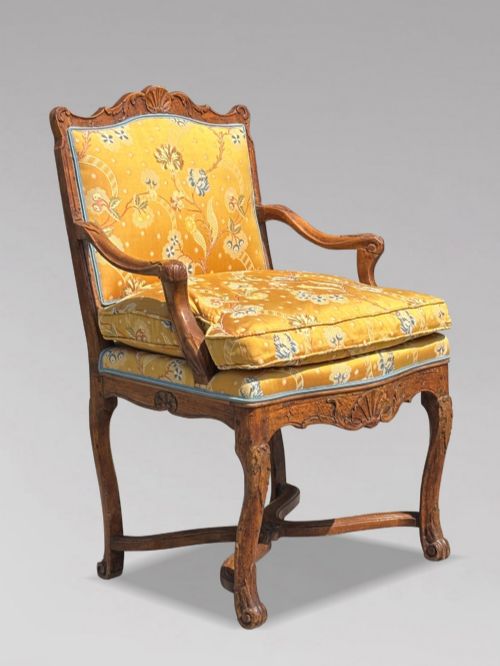
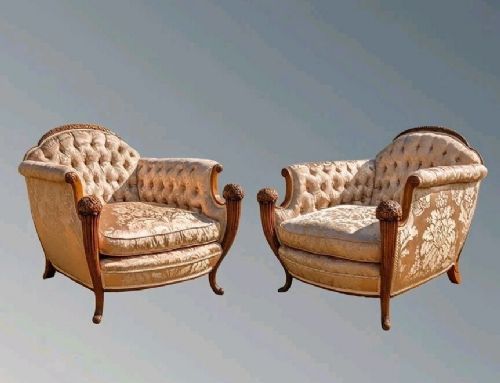
A silk damask armchair is a substantial seat designed for formal reception rooms, libraries, and drawing rooms across various historic periods. When exploring a silk damask armchair selection, buyers encounter distinct regional variations spanning Georgian England and nineteenth-century France.
These chairs serve both decorative and functional purposes, often appearing in pairs or larger suites such as Louis XVI style giltwood dining sets. The combination of carved wooden frames and patterned silk upholstery defines the overarching character of these seating options.
How they were made
Makers constructed the structural frames of a silk damask armchair using timbers such as mahogany, walnut, and beech, alongside gesso and giltwood embellishments. Woodcarvers shaped the cabriole legs, arm supports, and crest rails with detailed floral or classical motifs.
Upholsterers applied silk and silk damask fabrics directly to the frames, securing the textiles with traditional methods suited to each period. Ormolu mounts and brass details further adorned specific French empire and revival pieces.
What varies in quality
The sophistication of the woodcarving dictates much of the distinction between standard and exceptional examples of a silk damask armchair. Crisp hand-carved details in giltwood or mahogany demonstrate superior workshop standards compared to simpler moulded or later decorative elements.
The integrity of the frame construction and the fidelity of the upholstery materials determine the overall execution. Original period frames paired with sympathetic silk damask textiles represent a higher level of historical preservation.
Jacob-Desmalter
The Silk Damask Armchair Glossary
- Silk Damask
- A reversible figured fabric woven on a loom, featuring patterns created through contrasting warp and weft threads. This textile provides the characteristic sheen and tactile surface seen on formal period seating.
- Giltwood
- Timber coated with a thin layer of gold leaf over a prepared gesso ground. This finish appears frequently on formal French and English salon chairs.
- Fauteuil
- An open-framed wooden armchair with upholstered armrests, originating in France during the seventeenth century. These chairs typically feature exposed carved wooden arms and legs.
- Gesso
- A plaster-like mixture applied to wood frames to create a smooth surface for gilding or painting. Artisans carved intricate details directly into this ground layer.
- Ormolu
- Cast bronze finished with a mercury gilding process, used for decorative mounts on nineteenth-century furniture. This metalwork adds metallic contrast to wood and silk elements.
Silk Damask Armchair: Frequently Asked Questions
Are these armchairs comfortable for daily sitting?
These historic seats were built for formal entertaining and structured posture rather than modern lounging. Their supportive frames and padded upholstery offer a firm sit suited to studies and reception rooms.
Placing a cushion or arranging the chair in a lower-traffic room helps preserve the delicate silk damask textile over time.
How do I identify a French piece from an English one?
French armchairs often display giltwood finishes, exposed carved walnut frames, and stylistic indicators like Louis XV or Empire motifs. English alternatives frequently utilise mahogany or painted timbers with Georgian proportions.
Examining the underlying construction methods and secondary woods further clarifies the regional origin of each chair.
Can I use these chairs in a modern room?
Placing a period armchair within a contemporary interior creates a focal point through contrasting textures and historic forms. The reflective quality of silk damask and carved wood complements minimalist or eclectic modern spaces.
Balancing the antique seating with neutral surroundings highlights the craftsmanship of the wooden frame.
How should I care for silk damask upholstery?
Protecting silk textiles from direct sunlight prevents the natural fibres from fading and weakening over the years. Gentle brushing or specialist vacuuming removes surface dust without damaging the woven pattern.
Avoiding excessive moisture and handling the fabric with clean hands preserves the integrity of the silk damask.