



Antique Silver Novelty Box
An antique silver novelty box is a miniature container shaped as a hat, animal or instrument, prized for ingenuity and fine metalwork.
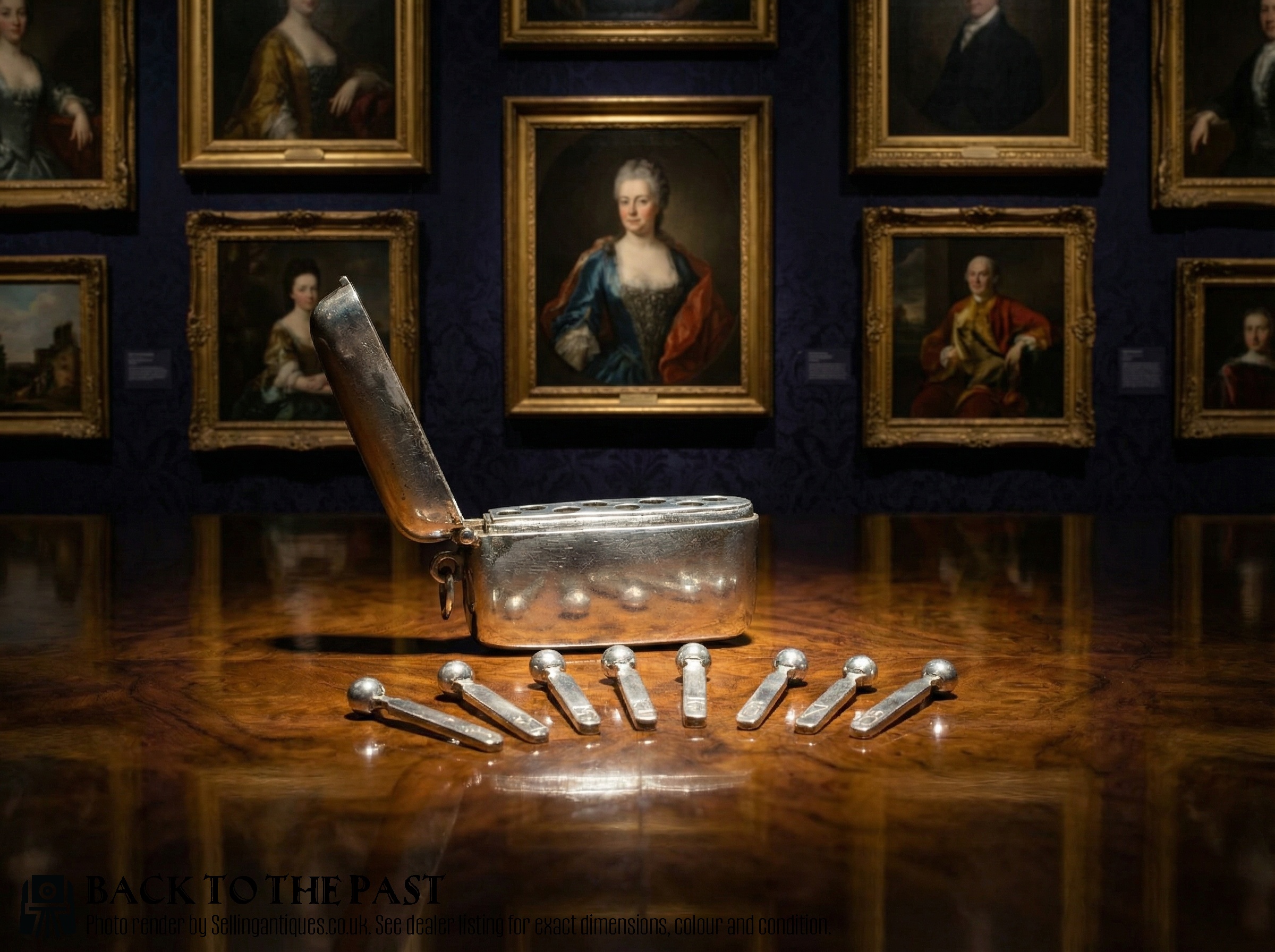
Understanding the selection
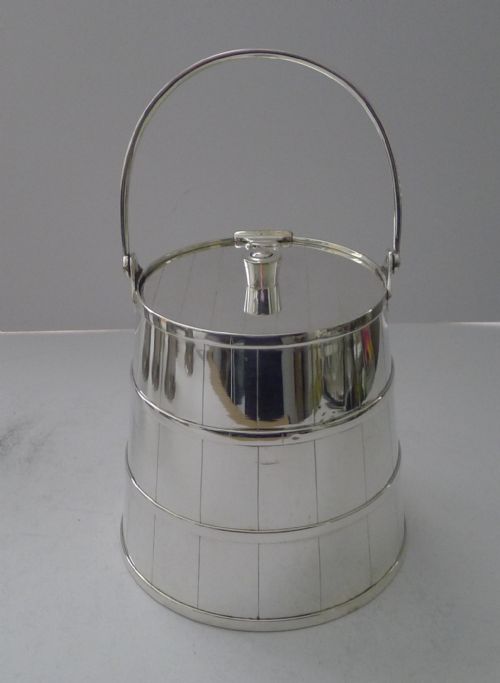
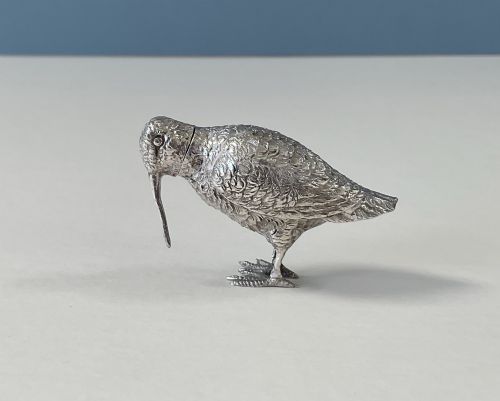
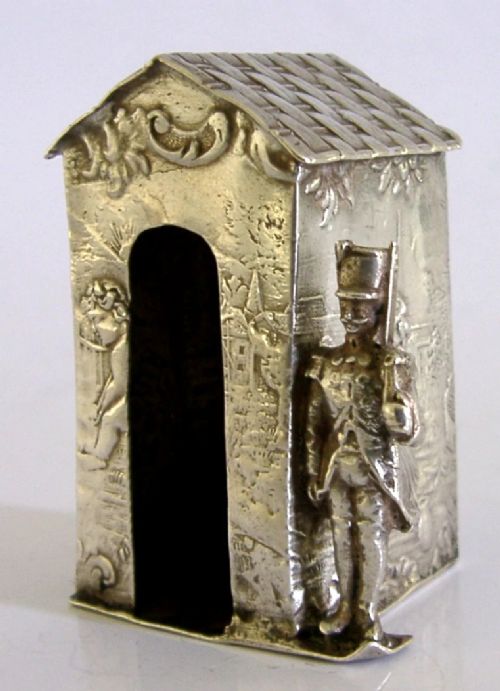
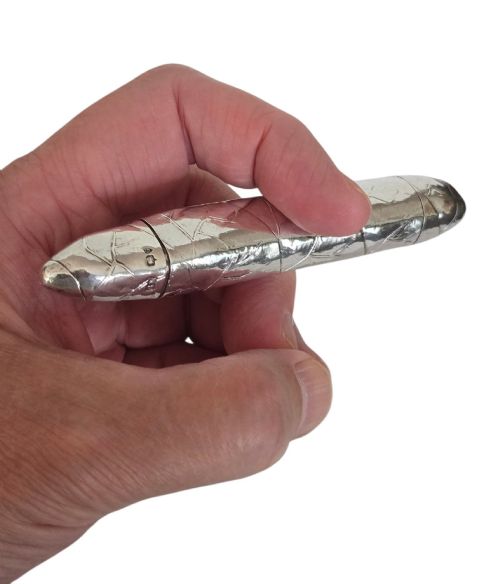
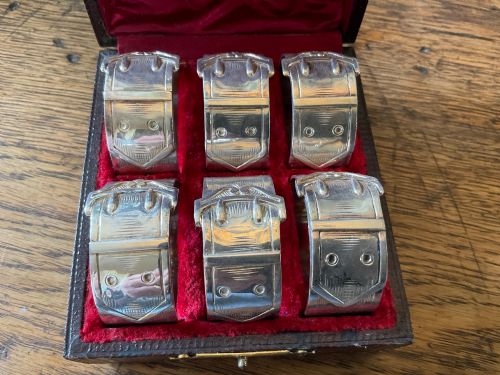
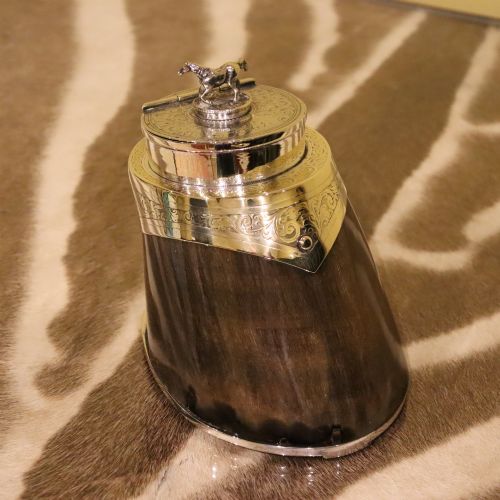
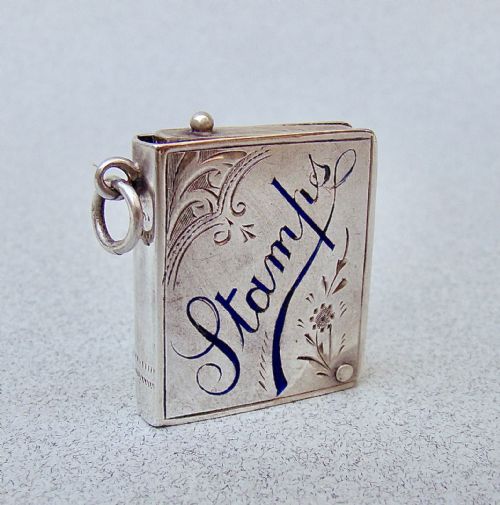
An antique silver novelty box takes playful, unexpected forms that disguise its practical purpose as a container for snuff, stamps, matches or trinkets. These pieces mimic everyday objects, animals, and musical instruments, ranging from miniature boots and pianos to stack of coin arrangements.
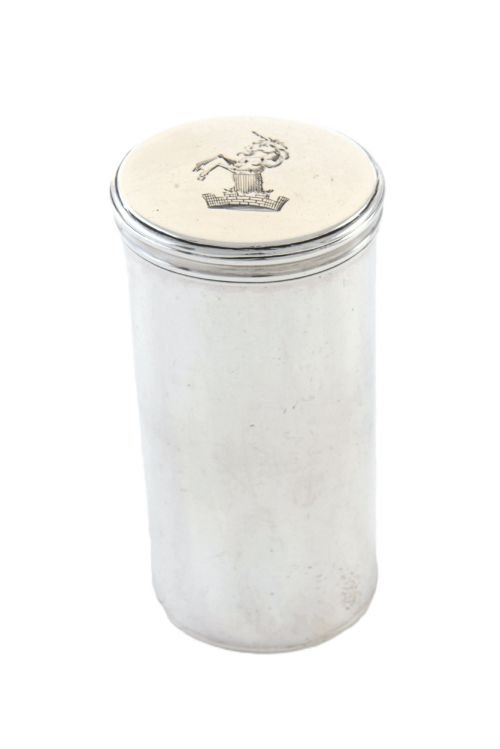
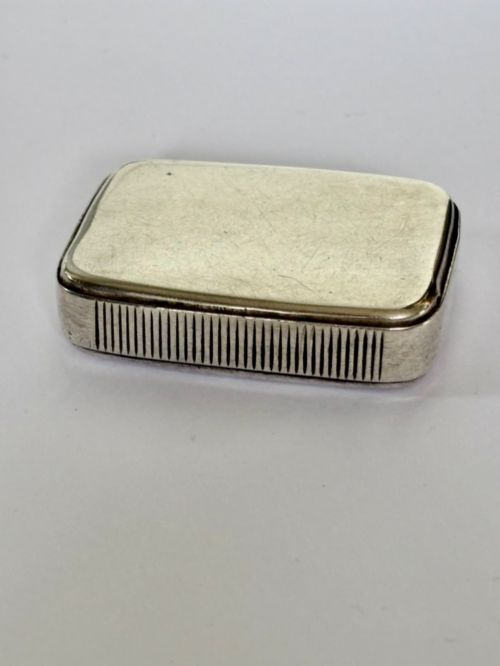
The versions most commonly met on this page span the Georgian, Victorian, and Edwardian periods, alongside continental European pieces from German workshops and Dutch makers. They include vinaigrettes with internal grilles, stamp boxes, snuff boxes, and small cases designed for specific domestic uses.
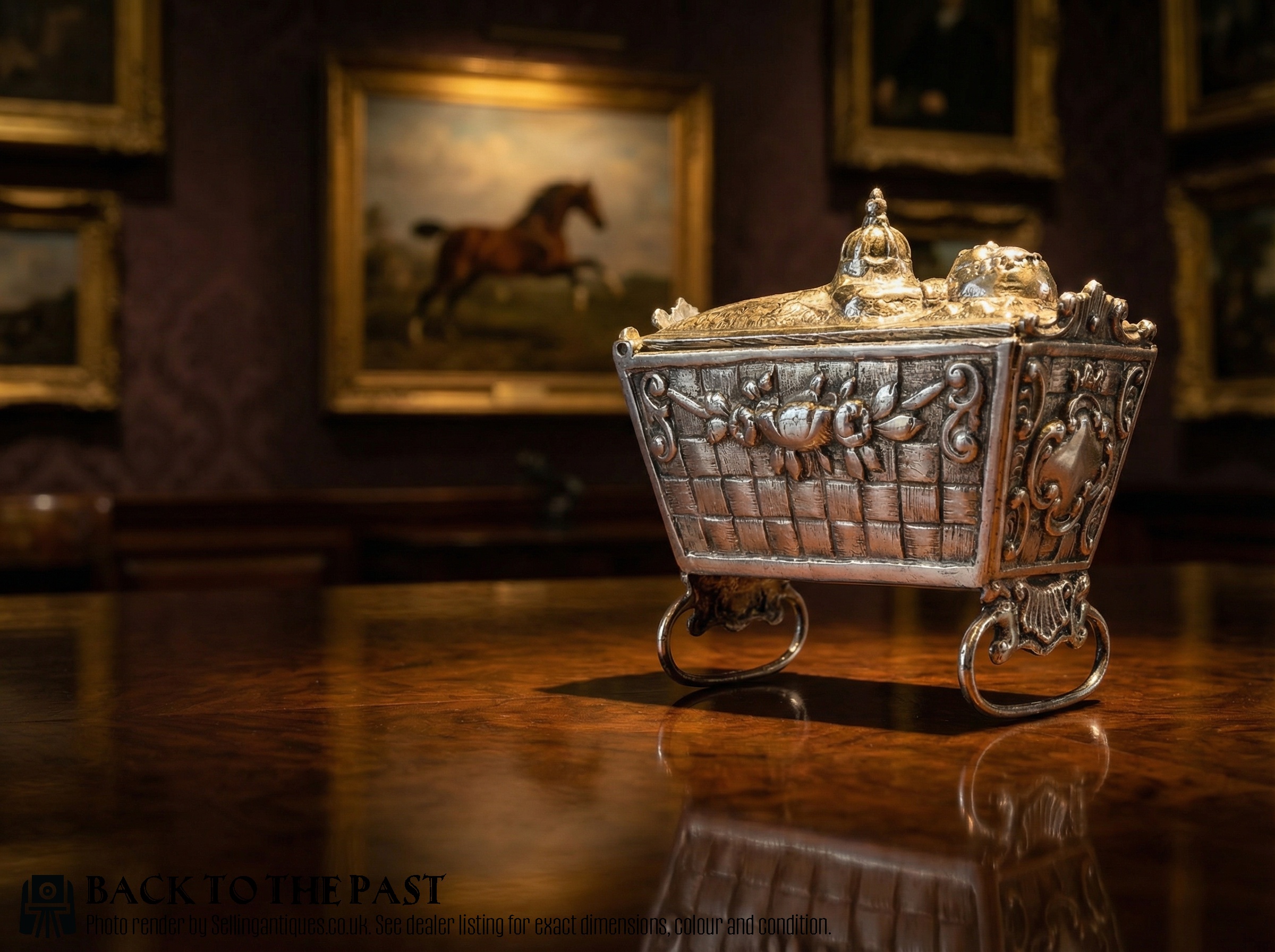
Materials and construction
Makers shaped these containers primarily from sterling silver and silver gilt, frequently incorporating organic elements such as cowrie shell and walnut alongside silver plate. German and Dutch silversmiths utilised solid silver, whilst Indian workshops fashioned stacking coin boxes from solid sterling silver.
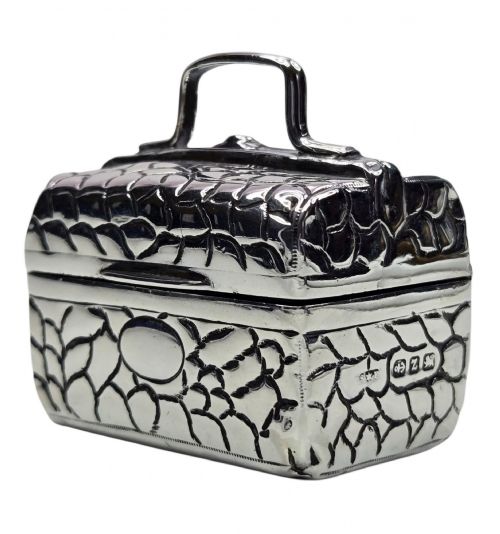
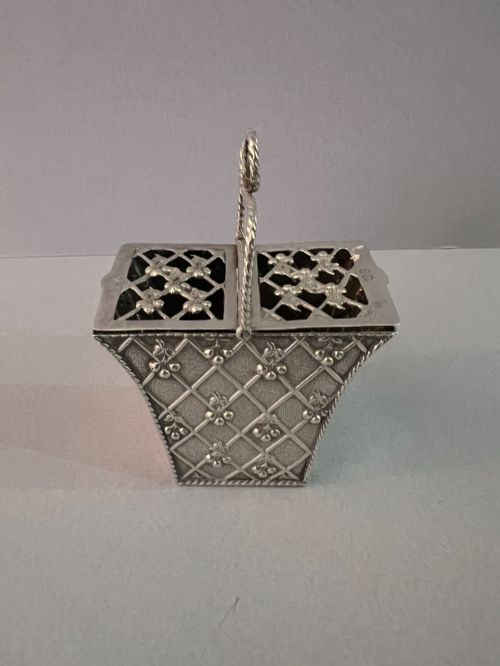
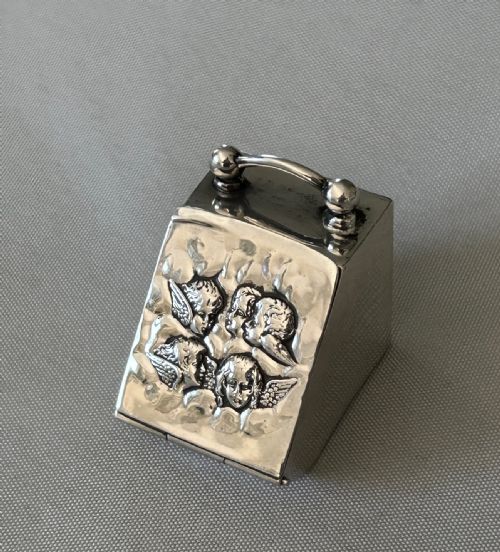
Construction involved repoussé work, casting, and delicate filigree, creating hinged lids, miniature working drawers, and intricate interior compartments. Surface decoration included engraved details on snuff boxes and textured finishes that mimicked woven hats, animal hides, and wood grain.
Retail Price Guide 2026
Typical UK retail prices for silver novelty box, calculated from the Sellingantiques database of over a million retail prices indexed since 2003. This retail price guide relies exclusively on Sellingantiques data; no external sources or auction records are used, so the figures do not describe the wider market.
Distinctions in craftsmanship
The distinction between standard containers and superior items rests on the fidelity of the miniature form and the precision of the mechanics. Pieces that accurately capture the proportions of a cello, piano, or basket demonstrate a higher degree of sculptural skill from the maker.
Internal execution also separates the range, observed in tightly fitted hinges, properly sprung lids, and gilt interiors that survive intact. Continental silver and English sterling examples with crisp hallmarks show clearer provenance than unmarked silver-plated alternatives.
John Bettridge·Sampson Mordan·Deykin & Sons
The Antique Silver Novelty Box Glossary
- Vinaigrette
- A small hinged box featuring an internal perforated grille designed to hold a sponge soaked in aromatic vinegar. These containers were carried during the Georgian and Victorian periods to mask unpleasant odours.
- Silver Gilt
- Sterling silver that has been coated with a thin layer of gold on its interior or exterior surfaces. This technique provided a richer colour and protected the silver from corrosion by acidic contents.
- Repoussé
- A metalworking technique where the silversmith hammers the silver from the reverse side to form a raised design in relief. This method allowed makers to create textured details on novelty shapes.
- Filigree
- Delicate ornamental work composed of twisted silver threads soldered together to form openwork patterns. This technique appears on decorative book boxes and small trinket containers.
- Go-To-Bed
- A specific type of small matchbox cover designed to hold wax matches for lighting bedroom candles. These items often took novelty forms in Edwardian silver.
Frequently Asked Questions
What were novelty boxes used for?
These containers held small personal items such as snuff, stamps, matches, or pins depending on their specific form. Owners carried them in pockets or placed them on dressing tables as curious conversation pieces.
Their clever shapes often concealed their actual function, turning a mundane utility item into a miniature sculpture. Makers designed them to surprise and delight contemporaries during social gatherings.
How do I identify a Victorian piece?
Victorian examples often feature hallmarks stamped directly onto the silver that indicate the assay office, standard mark, and date letter. Stylistic traits from this era lean towards historicism and naturalistic animal or object forms.
The weight and construction methods also offer clues, as mid to late nineteenth-century pieces utilised solid sterling silver and distinct hinge mechanisms. Comparing the form against documented English and continental silversmith work helps confirm the era.
Are these boxes made of solid silver?
Materials vary across the selection between solid sterling silver, silver gilt, and silver plate over a base metal. English and continental pieces frequently carry marks indicating solid silver content.
Some novelty items incorporate organic materials like cowrie shell or walnut alongside the metal components. Examining the interior surfaces and wear patterns reveals whether the piece is solid or plated.
How should I clean an antique silver box?
Gentle dusting with a soft cloth preserves the historic patina and delicate engraved details of the metal. Aggressive polishing can wear down thin repoussé work and remove desirable traces of age.
Professional silver cleaner should be used sparingly, avoiding hinges and delicate filigree where residue might become trapped. Keeping the box in a stable environment prevents tarnish accumulation.