

Antique Silver Collectables
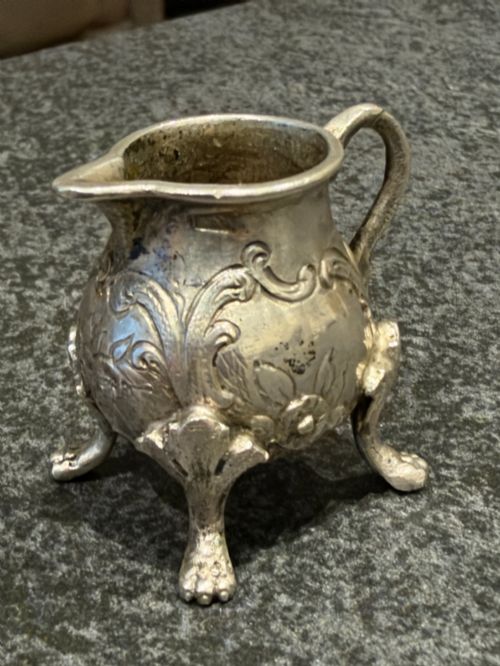
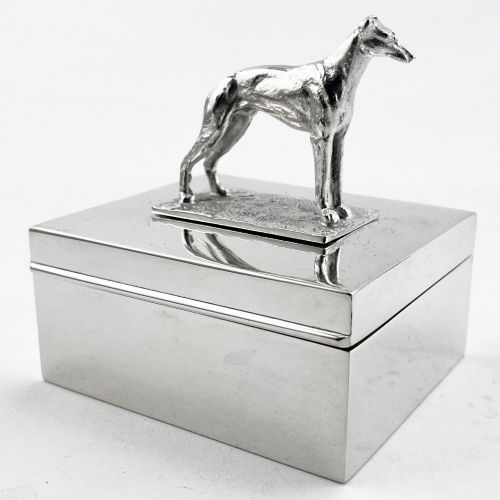
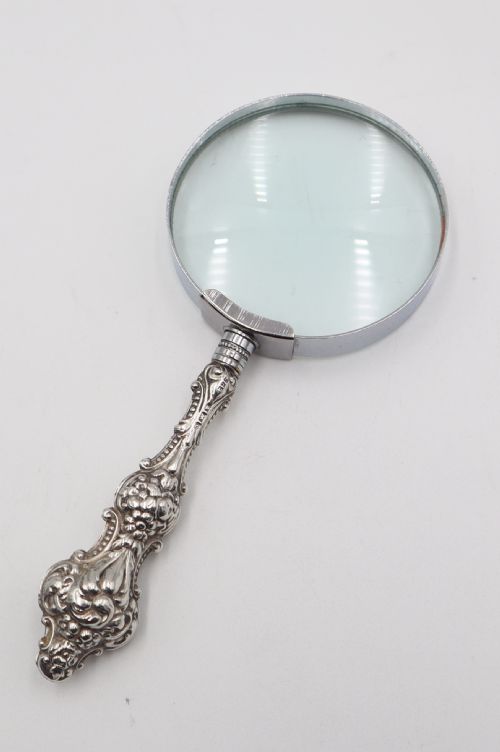
Antique silver collectables encompass a diverse array of small personal items, from walking cane handles to pocket watches, crafted in sterling silver.
Antique Silver Collectables
Antique silver collectables comprise a wide variety of small objects spanning periods from the late Georgian era through to the mid-century. Buyers searching this phrase encounter functional and decorative pieces designed for personal use, display, or daily utility.
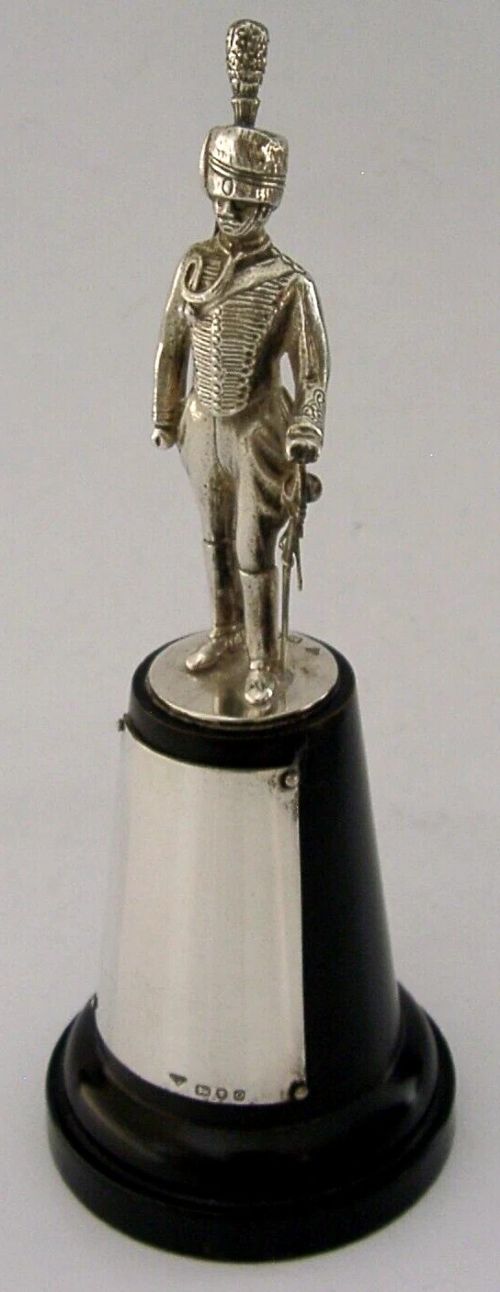
Origins range widely across English, French, Dutch, American, and Scandinavian workshops. Pieces vary from utilitarian medical spoons and agricultural presentation items to decorative figures and enamel-adorned sewing thimbles.
How they were made
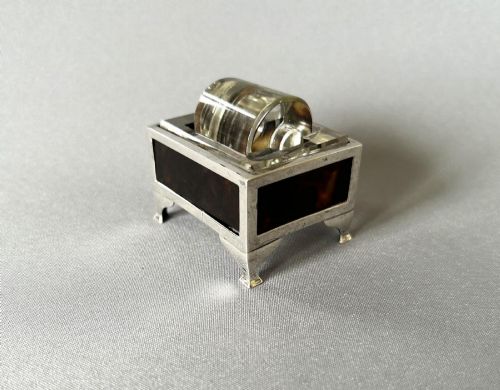
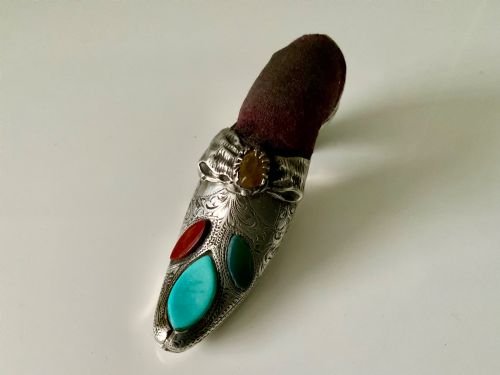
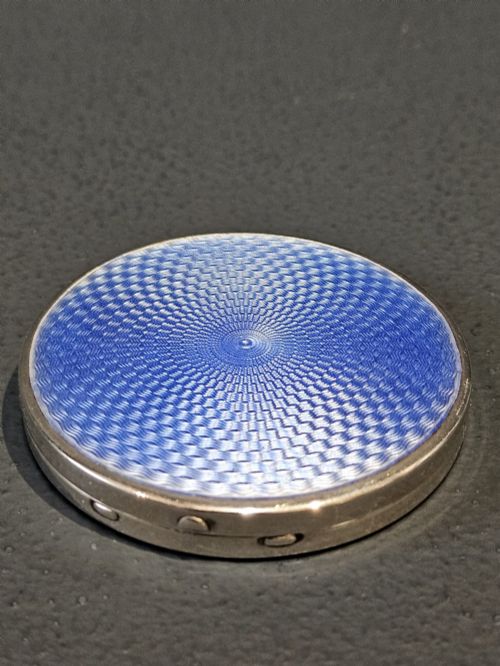
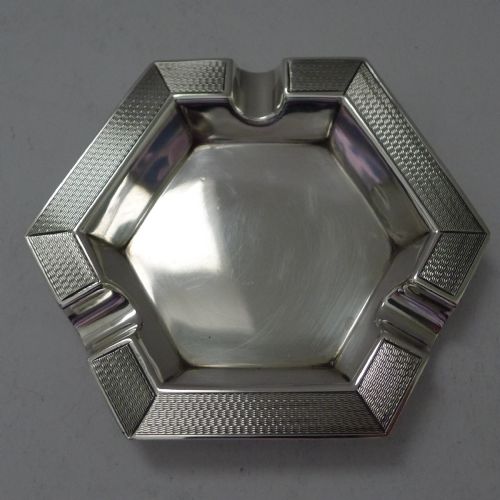
Makers utilised sterling silver and solid silver constructions, often combining the metal with enamel, glass, hardwood, velvet, or steel. Techniques involved casting, embossing, and detailed hand-engraving to shape items like figural spoons, snuff boxes, and desk accessories.
Specialised items integrate mixed media, such as wooden snuff boxes, fabric-lined cases, and glass cocktail cups mounted in silver. Metal components frequently bear hallmarks indicating the assay office, city, and year of production.
Antique Silver Collectables Retail Price Guide 2026
Typical asking prices for silver collectables among the pieces listed under this phrase on Sellingantiques today, from the lower quarter to the upper quarter. They describe what is for sale here now, not the wider market.
What varies in quality
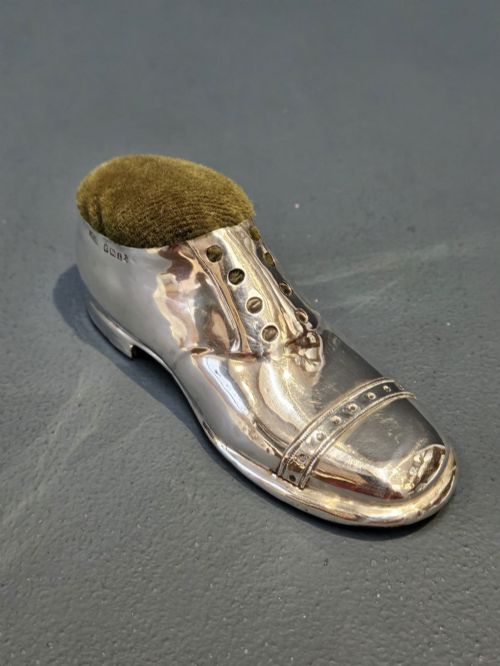
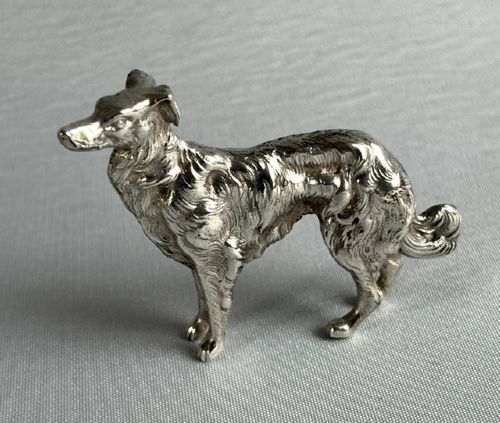
Quality separates through the crispness of the chasing and embossing, the complexity of figural forms such as animal pin cushions or novelty walking cane handles, and the preservation of applied enamel work. Maker attribution to notable workshops or silversmiths elevates the distinction of individual items.
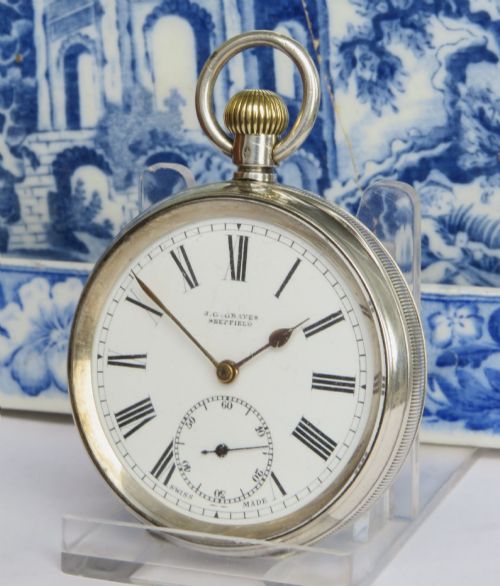
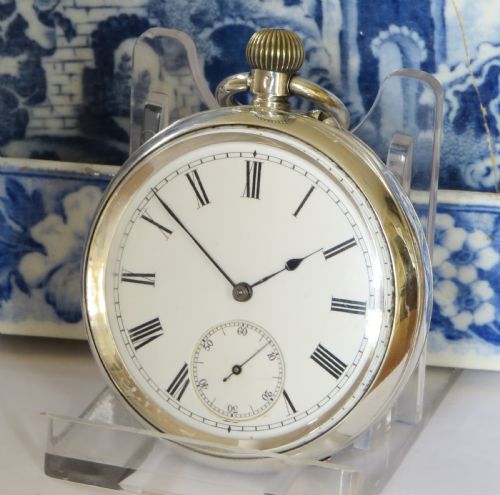
The integrity of mechanical elements in pocket watches, wristwatches, and mechanical lighters, alongside the legibility of hallmarks, marks the division between standard production pieces and superior examples.
Peter & Jonathan Bateman·Sampson Mordan·William Neale·Henry Matthews·Tiffany & Co·Blumfeld·Adie & Lovekin·Dee & Fargus·David Andersen·Hugh Brown·Waltham·Dunhill·Cyma·Eterna·Omega·Helvetia·Elgin·J W Benson
The Antique Silver Collectables Glossary
- Hallmark
- Official stamps punched into silver objects to guarantee the metal standard, assay office, and year of manufacture. These marks provide a secure method for dating antique items.
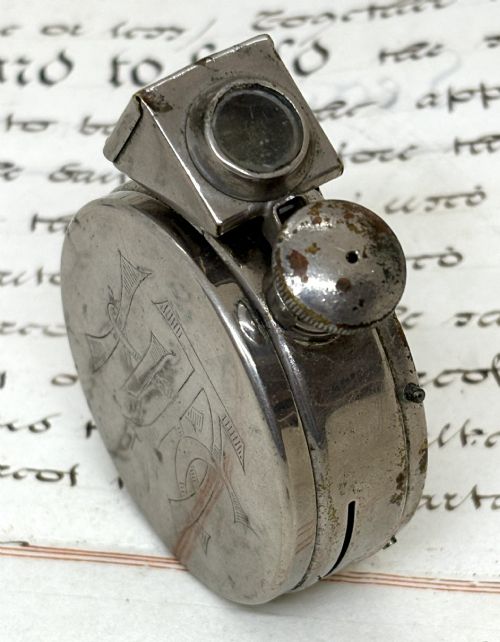
- Vesta case
- A small pocket container designed to hold matches, typically fitted with a striking surface on the base. They often feature engraved decoration or figural shapes.
- Pin cushion
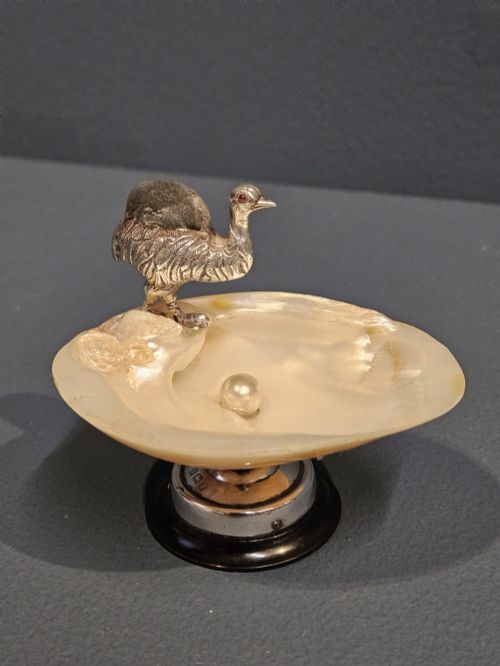
- A small decorative object, frequently cast in the form of animals such as frogs, bears, or swans, incorporating a padded section for pins. Edwardian examples are particularly sought after by collectors.
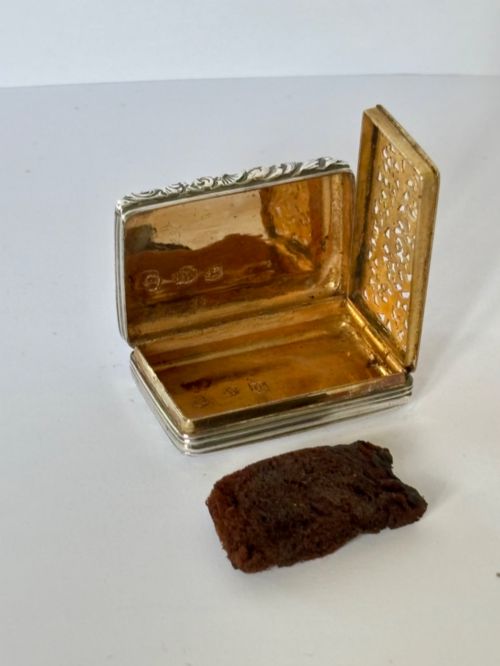
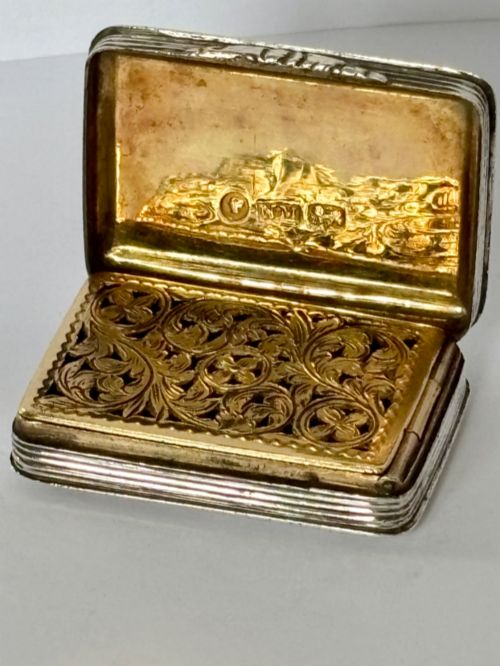
- Vinaigrette
- A small ornamental box containing a perforated inner grille, used to hold a sponge soaked in aromatic vinegar. They date predominantly from the Georgian and Victorian periods.
- Caddy spoon
- A short spoon specifically designed for measuring loose tea from a caddy into a teapot. These spoons often exhibit distinct handle designs and shallow bowls.
Antique Silver Collectables: Frequently Asked Questions
What are antique silver collectables?
Antique silver collectables are small, portable items made from silver, ranging from pocket watches and vesta cases to novelty pin cushions and walking stick handles.
They represent the personal accessories and decorative objects used during the 19th and early 20th centuries.
How were silver vesta cases used?
Silver vesta cases were carried in pockets or attached to watch chains to hold and protect wooden matches before safety matches became common.
The hinged lid kept the matches dry, while the striated base allowed the user to strike them individually.
How do I identify the date of a silver piece?
The date of a silver piece is usually identified by examining the hallmarks stamped directly into the metal.
These official stamps include a date letter corresponding to a specific assay office year cycle, alongside maker marks and standard purity symbols.
How should I display antique silver at home?
Antique silver items can be displayed in glass cabinets or on dedicated surfaces away from direct sunlight and damp environments.
Handling pieces gently and storing them without abrasive materials helps preserve their original surface finish and engraved details.