

Antique Serving Platter
An antique serving platter brings historic craftsmanship directly to the dining table, offering both decorative presence and practical utility for modern homes.
Antique Serving Platter
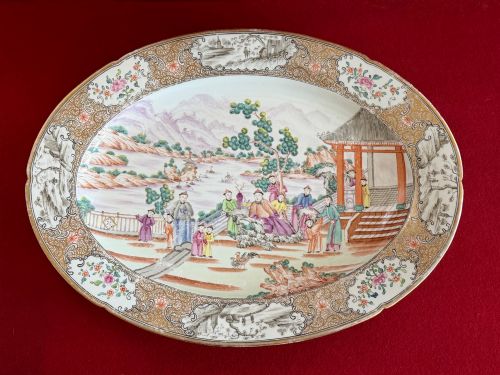
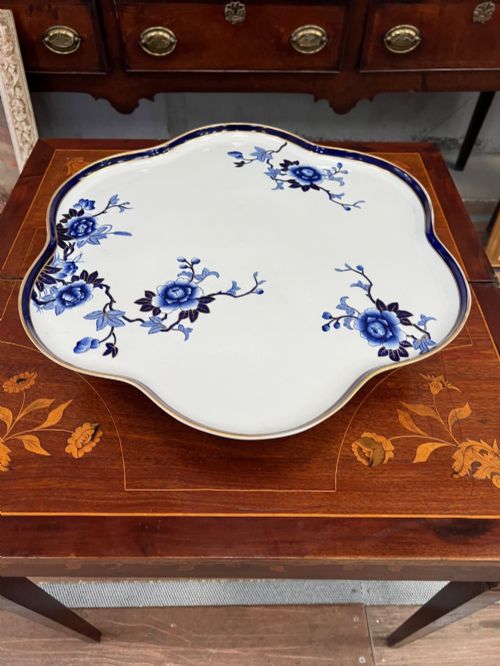
An antique serving platter encompasses a wide variety of historical tableware designed for presenting food and drinks at the table. When exploring this selection, buyers encounter formats ranging from large ceramic chargers to silver-plated trays dating back to the eighteenth, nineteenth, and early twentieth centuries.
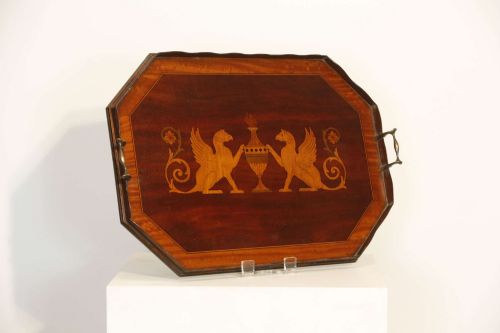
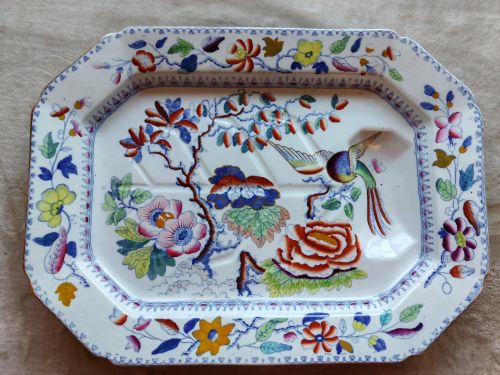
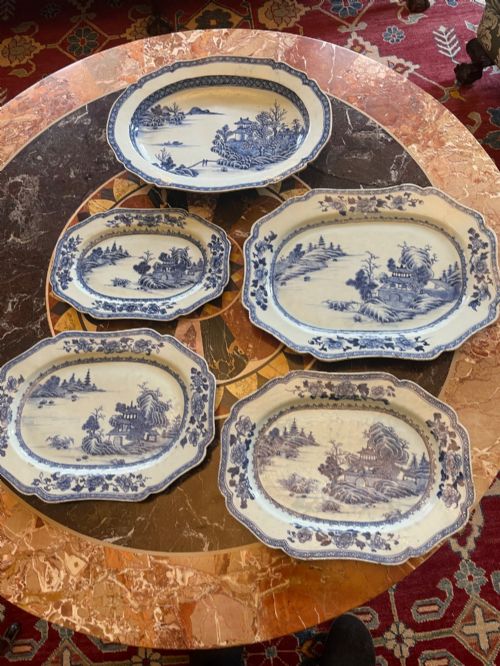
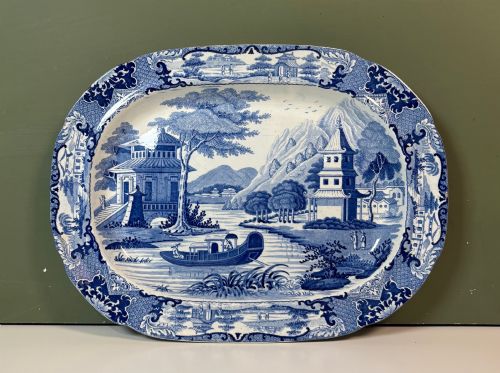
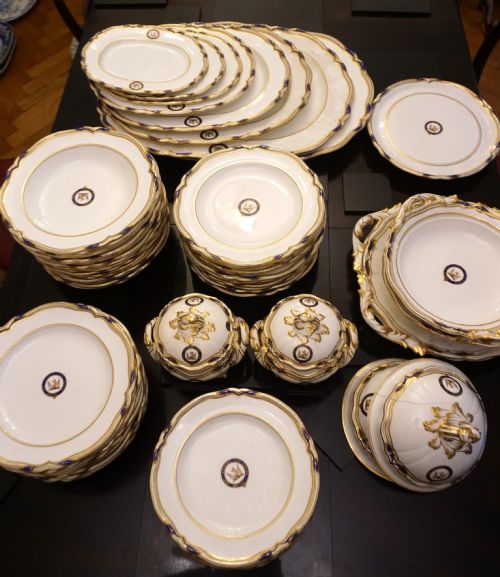
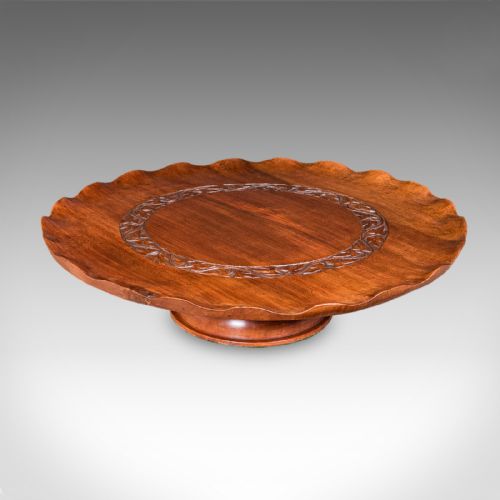
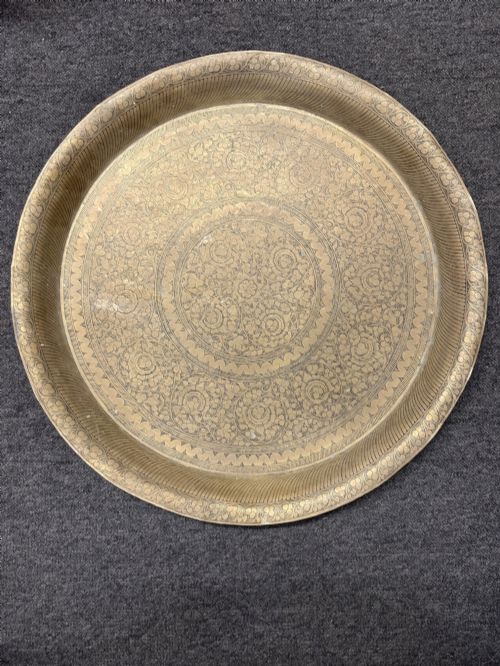
The objects listed display diverse origins, including English transferware, European porcelain, and Anglo-Indian woodwork. These pieces reflect the dining customs of the Georgian, Victorian, and Edwardian eras, where presentation played a central role in domestic hospitality.
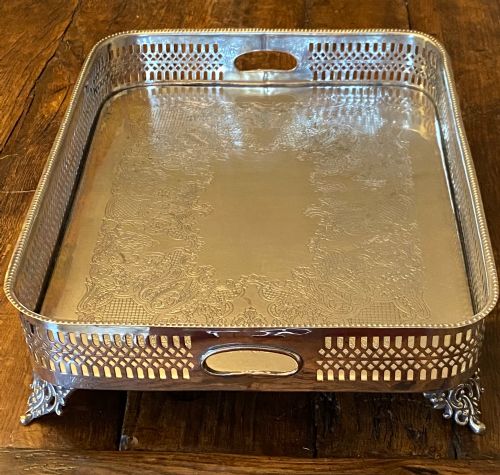
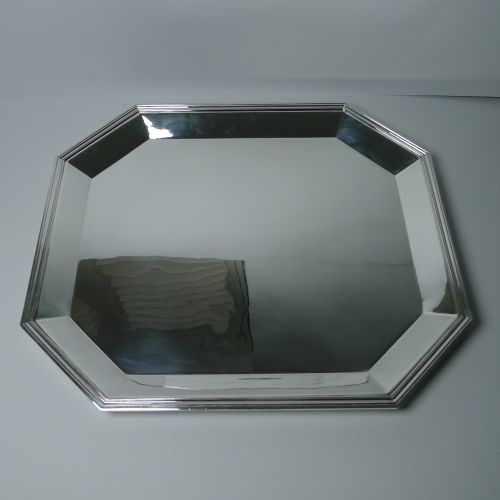
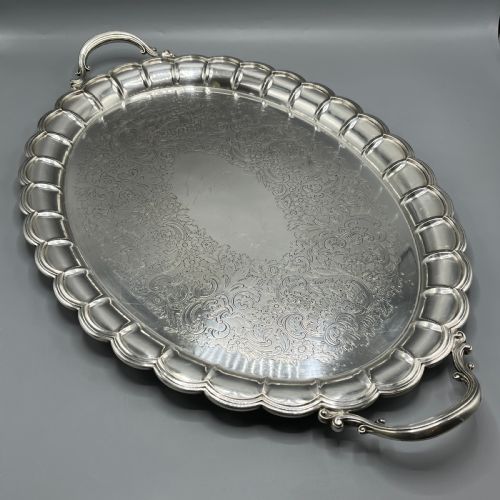
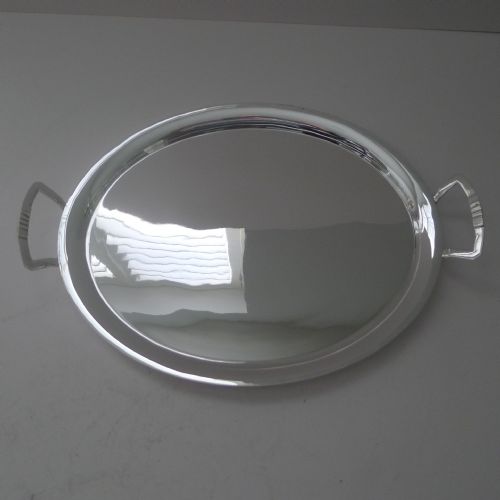
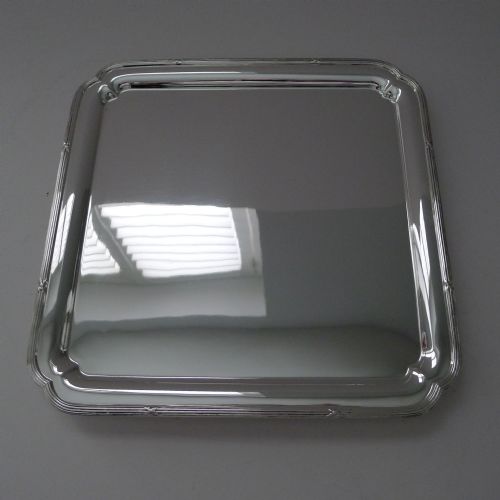
Most items on this page function as platters, chargers, or trays intended for meat, tea, or cocktails. Their forms span simple earthenware ovals to elaborate silver-plated gallery trays fitted with handles and intricate pierced borders.
How they were made
Pottery and porcelain pieces such as creamware and blue and white transferware utilised moulded earthenware bodies finished with hand-painted polychrome decoration or cobalt blue designs. Manufacturers applied glazes before firing the ceramic wares in kilns to achieve durable, glossy surfaces.
Silver-plated and metal items employed base metals like copper or white metal coated with a thin layer of silver, often combined with applied wirework galleries, engraved motifs, or chased decoration. Makers such as Elkington utilised advanced plating techniques during the nineteenth century to produce resilient serving surfaces.
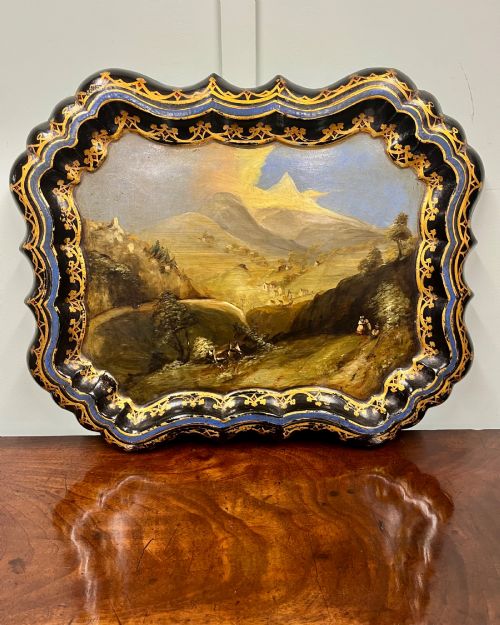
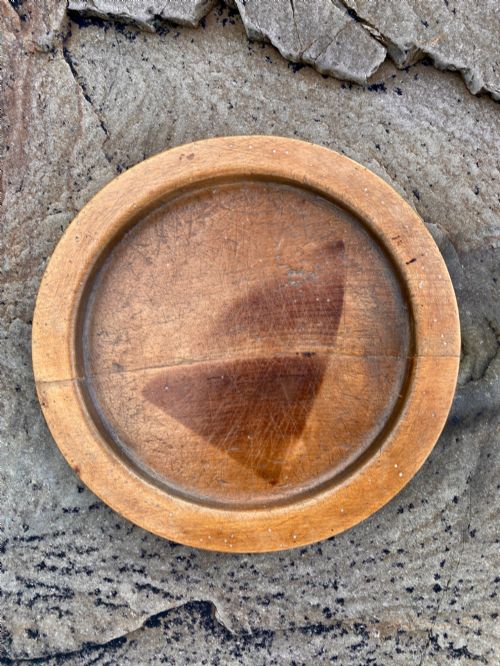
Wooden and organic trays incorporated materials like mahogany, oak, walnut, and papier-mâché. Craftsmen shaped these substrates through turning, cooperage, or lacquer application, occasionally incorporating marquetry inlay, brass handles, or shell details.
Antique Serving Platter Retail Price Guide 2026
Typical asking prices for serving platter among the pieces listed under this phrase on Sellingantiques today, from the lower quarter to the upper quarter. They describe what is for sale here now, not the wider market.
Listings feature ceramic wares from the 18th Century alongside silver plate and wooden items from the Victorian and Edwardian periods.
What varies in quality
The standard of an antique serving platter relies heavily on the crispness of its manufacture and the depth of its decoration. Hand-painted ceramic details, deep hand-engraving on metal surfaces, and precise marquetry inlay distinguish finer examples from standard production pieces.
Materials and structural integrity define the upper tier of the range. Solid timber construction, heavy gauge silver plating over quality base metals, and well-preserved porcelain glazes retain their structural stability and visual appeal much better over centuries of use.
The reputation of the maker or pottery influences distinction within the market. Marked pieces originating from established porcelain works or notable silversmiths demonstrate documented artistic standards that elevate their historical and aesthetic standing.
Mappin And Webb·James Deakin·William Hutton And Sons·Christofle·Elkington And Co·Spode·Davenport
The Antique Serving Platter Glossary
- Charger
- A large decorative or serving plate, typically measuring over twelve inches in diameter, placed beneath other courses or used independently for presenting large joints of meat.
- Transferware
- Earthenware or stoneware decorated by applying a printed design from an engraved copper plate onto tissue paper, which was then transferred onto the unglazed ceramic body.
- Gallery tray
- A tray featuring a raised pierced or solid metal border around its perimeter, designed to prevent items from sliding off during transport.
- Creamware
- A refined, light-coloured earthenware developed in eighteenth-century England, characterised by a warm yellowish-buff lead glaze.
- Salver
- A flat metal plate or tray used for serving drinks or presenting cards, typically supported on small feet.
Antique Serving Platter: Frequently Asked Questions
What is an antique serving platter used for?
These pieces functioned primarily for carrying and presenting food, tea, or beverages in formal dining rooms and parlours. Households utilised them during social gatherings to serve guests from a central tray or platter.
Today, modern collectors use them for serving contemporary meals or display them on sideboards and walls as decorative interior elements.
How do I clean an antique silver plated tray?
Maintenance requires gentle washing with warm water and mild soap, followed by thorough drying with a soft cloth to prevent moisture damage. Avoid abrasive cleaners that can wear away the thin silver layer.
Specialised silver polishes should be used sparingly and only when necessary to preserve the underlying metal and any remaining hand-engraved details.
How can I tell the period of a ceramic platter?
Dating ceramic platters involves examining the transfer print patterns, paste composition, and any maker's marks or registration stamps on the underside. Eighteenth-century creamware and pearlware exhibit distinct glaze pooling and weight compared to later Victorian ironstone.
Reference marks associated with specific potteries like Spode or Wedgwood help pinpoint the exact decade of manufacture.
Are wooden serving trays durable for daily use?
Timber trays constructed from oak, mahogany, or walnut possess robust structural strength due to traditional joinery methods like cooperage. However, exposure to excess moisture or heat can warp the wood or damage surface varnishes.
Gentle handling and regular conditioning with appropriate wood oils help maintain their structural integrity for everyday display or light service.