


Carved Wooden Tray
A carved wooden tray brings tactile depth and utilitarian grace to any room, offering a functional surface shaped by hand and time.
Carved Wooden Tray
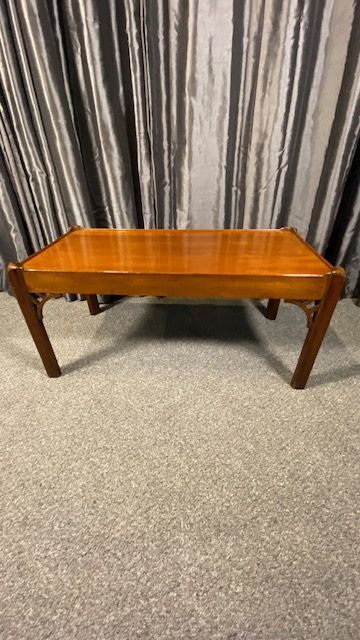
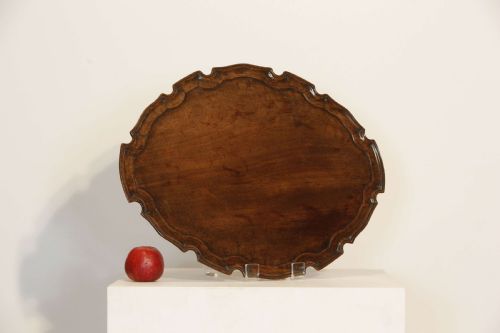
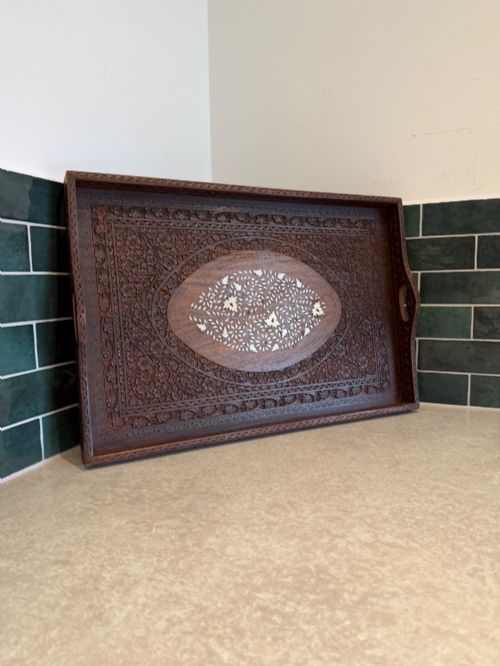
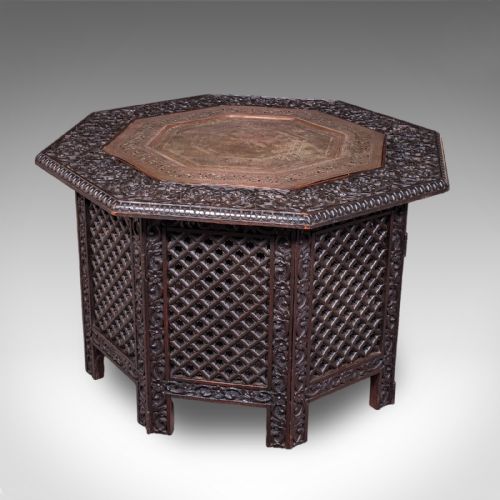
When you search for a carved wooden tray, you encounter serving pieces, folding table bases, and butler trays that span the Georgian, Victorian, and Edwardian eras. These objects range from English country oak pieces to intricate Anglo-Indian teak and Kashmiri walnut examples.
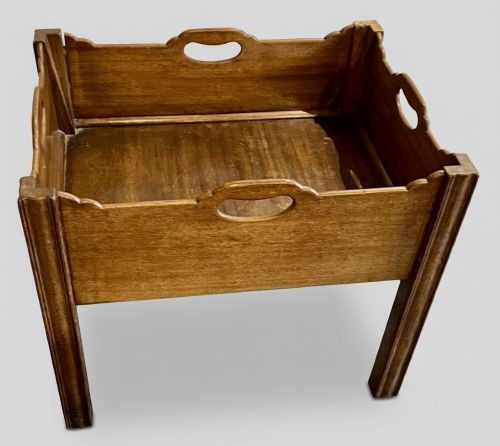
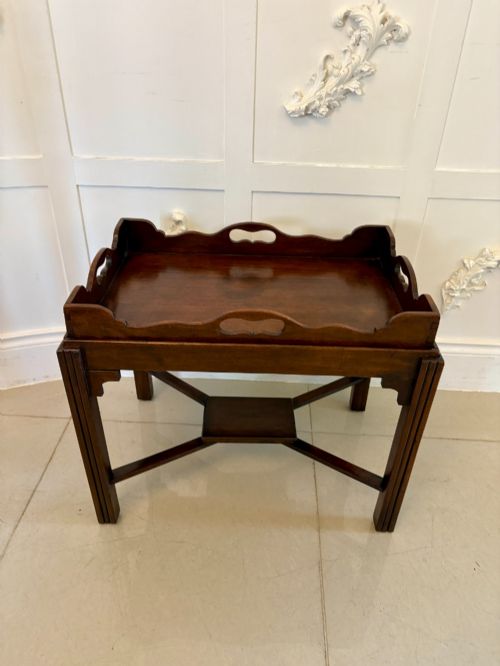
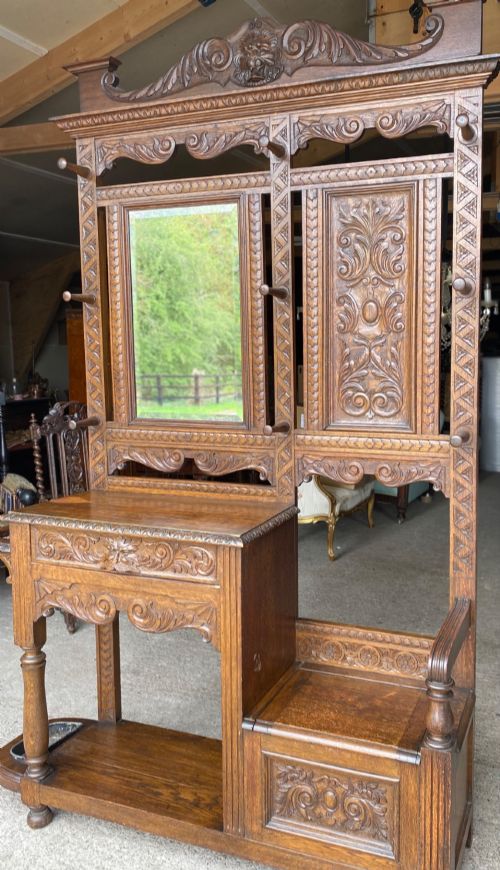
The most common versions on this page are oak butler trays on stands and serving trays featuring detailed regional carving, often dating from the nineteenth and early twentieth centuries. They function equally well as display surfaces or portable serving implements.
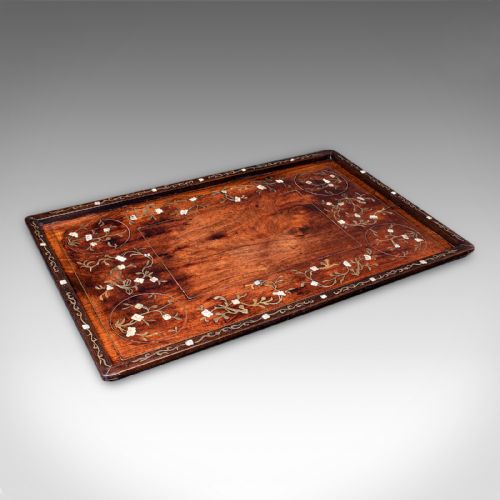
Regional styles introduce distinct decorative vocabularies, from Gothic Revival oak work to Japanese Taisho surfaces and Hoshiarpur inlay. Each variant reflects the specific woodworking traditions and domestic habits of its period of origin.
How they were made
Makers utilised solid timbers such as oak, mahogany, walnut, teak, and hardwood, selecting each wood for its grain pattern and structural stability. Traditional joinery techniques ensured that serving surfaces and folding stands could withstand regular domestic handling.
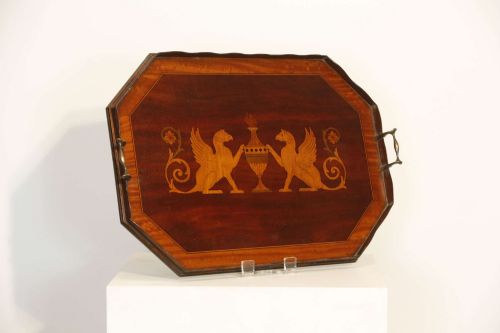
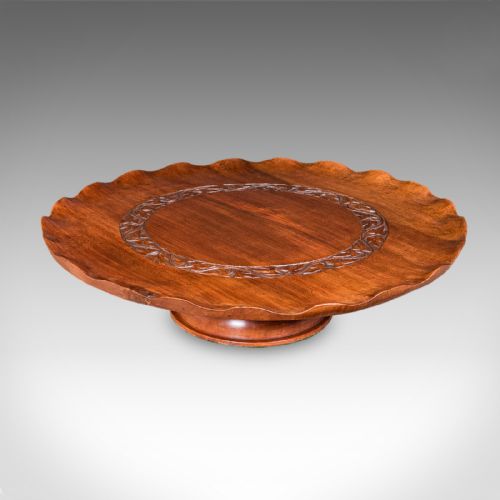
Carving was executed by hand using gouges and chisels to create low-relief floral, geometric, or foliate motifs across the rim and base. Inlaid elements in contrasting woods or metals frequently complemented the carved wooden surfaces.
Finishing involved hand-applied wax or oil to nourish the timber and highlight the natural figure of the grain without obscuring the tool marks left by the carver.
Carved Wooden Tray Retail Price Guide 2026
Typical asking prices for carved wooden tray among the pieces listed under this phrase on Sellingantiques today, from the lower quarter to the upper quarter. They describe what is for sale here now, not the wider market.
Listings feature periods from the 17th century through the Edwardian era, with the 19th century and 1920s appearing most frequently.
What varies in quality
The depth and crispness of the carved detail separate standard production from superior craftsmanship. Sharp, well-defined motifs show the hand of a skilled artisan, whereas worn or shallow carving often indicates mass production or heavy wear.
Structural integrity in the joints, hinges, and stands dictates longevity. Trays that retain their original folding bases and fit securely into their supporting frames demonstrate higher initial manufacture and careful preservation.
The choice of timber and the complexity of supplementary marquetry or inlay elevate certain pieces. Dense, figured hardwoods and balanced proportions mark the distinction between utility items and decorative showpieces.
The Carved Wooden Tray Glossary
- Butler tray
- A portable wooden tray with hinged or fixed sides, typically designed to rest upon a folding wooden stand. These pieces originated for domestic serving and later transitioned into occasional tables.
- Anglo-Indian
- A style describing furniture and decorative objects made in India during the British colonial period, frequently featuring dense overall carving in teak or hardwood. They combine British furniture forms with traditional Indian craftsmanship.
- Marquetry
- The art of applying thin veneers of wood to a structural surface to form decorative patterns or pictures. This technique adds visual complexity to flat tray surfaces and tabletops.
- Lazy Susan
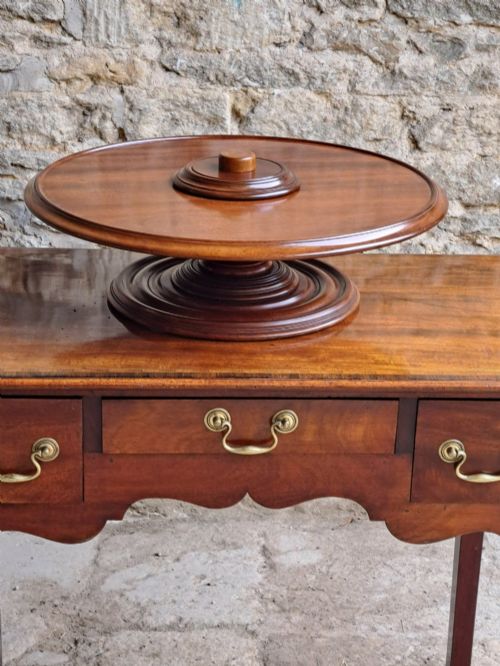
- A rotating circular tray placed on a table or stand to assist in passing food or items. Nineteenth-century examples are typically fashioned from solid oak or mahogany.
- Gothic Revival
- An architectural and decorative style drawing inspiration from medieval forms, often seen in nineteenth-century oak work featuring pointed arches and tracery motifs.
Carved Wooden Tray: Frequently Asked Questions
How do I care for a wooden tray?
Dust the surface regularly with a soft, dry cloth to protect the timber and carved details. Apply a microcrystalline wax occasionally to nourish the wood and maintain its natural sheen.
Avoid placing wooden trays in direct sunlight or near heat sources, as extreme temperature fluctuations can cause the timber to warp or split over time.
Were these trays meant for daily use?
Many examples began as utilitarian objects designed for carrying food, tea, or correspondence around large country houses. Sturdy timbers like oak and mahogany allowed them to withstand heavy daily handling.
Over time, many of these pieces transitioned into decorative display items or occasional furniture, particularly when paired with folding stands.
How can I tell a Victorian tray from an Edwardian one?
Victorian pieces tend to feature heavier timbers, deep relief carving, and darker finishes, often associated with Gothic Revival or robust country house aesthetics. Their construction prioritises sheer durability and bold presence.
Edwardian examples frequently display lighter framing, more restrained inlay work, and simpler geometric or floral motifs that align with evolving domestic tastes of the early twentieth century.
What is the difference between a tray table and a serving tray?
A serving tray is constructed primarily for portability, featuring integrated handles or raised edges designed for carrying items between rooms. They may sit flat on surfaces when not in use.
A tray table pairs a removable or fixed tray top with a dedicated folding or rigid stand, effectively converting the portable tray into a permanent piece of occasional furniture.