


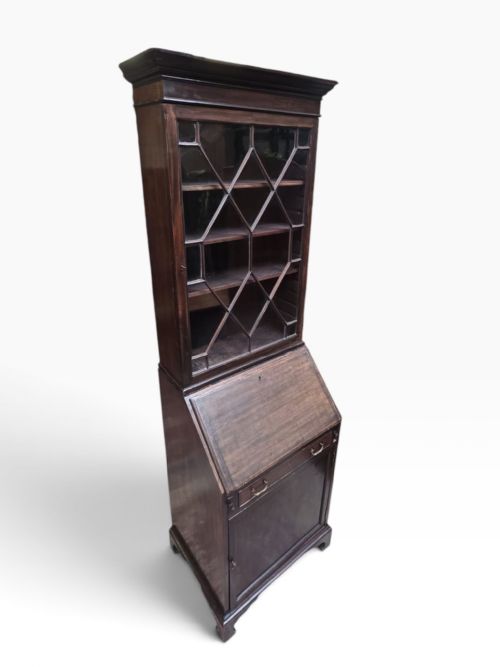
Antique Secretary Bookcase
An antique secretary bookcase combines a writing desk and a shelved library into one tall wooden piece.
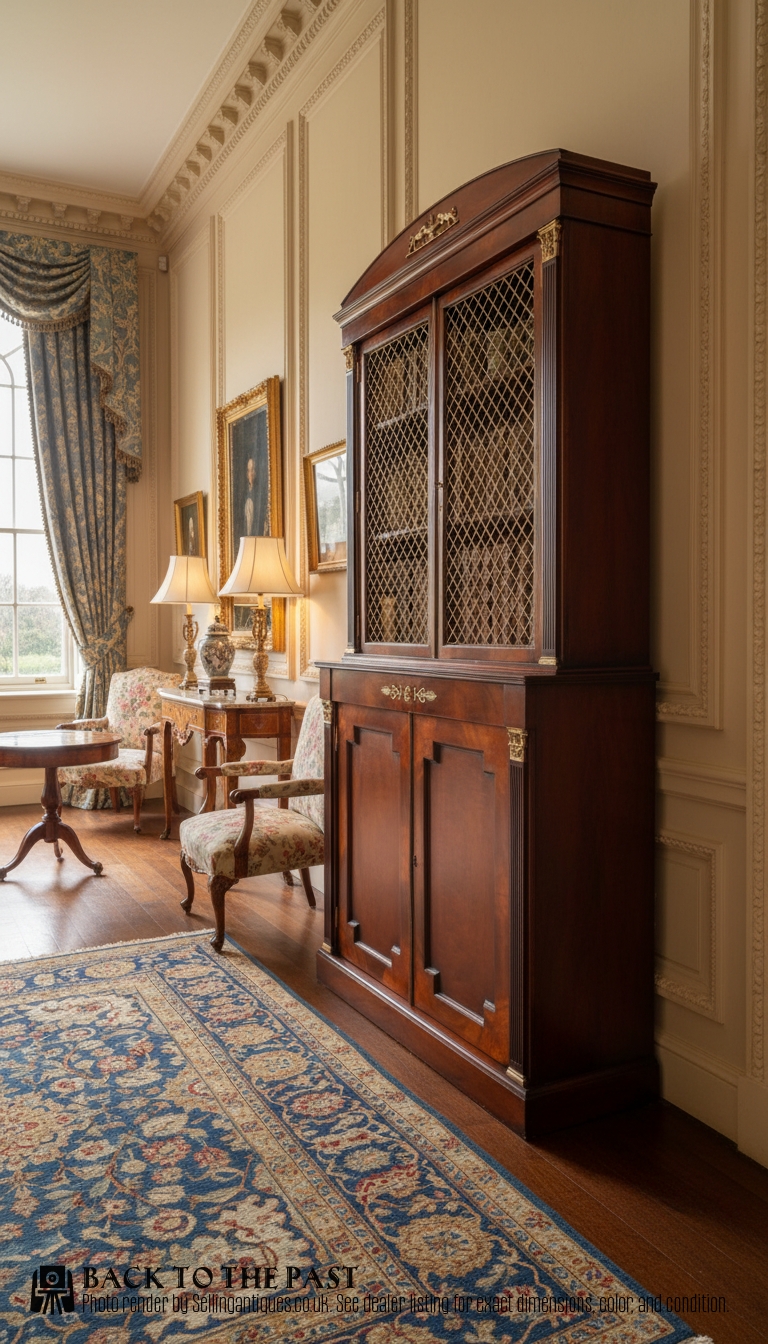
Antique Secretary Bookcase
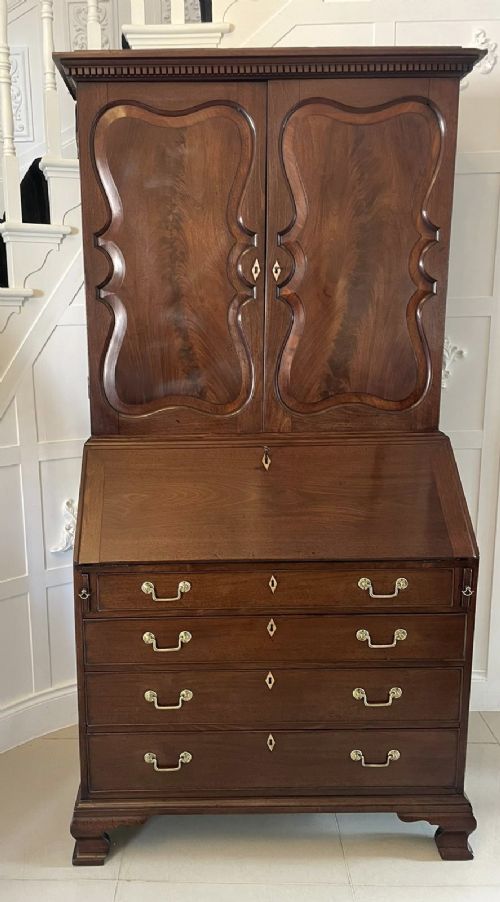
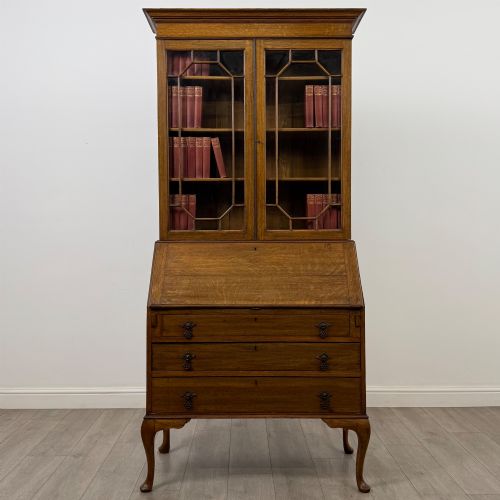
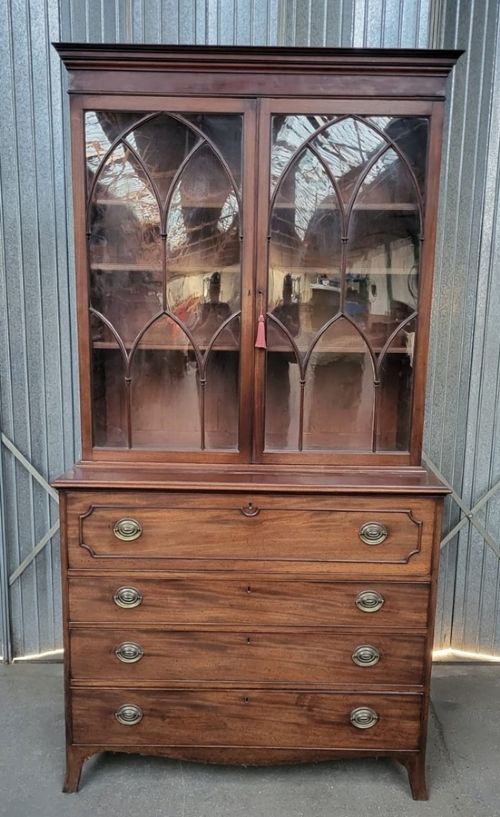
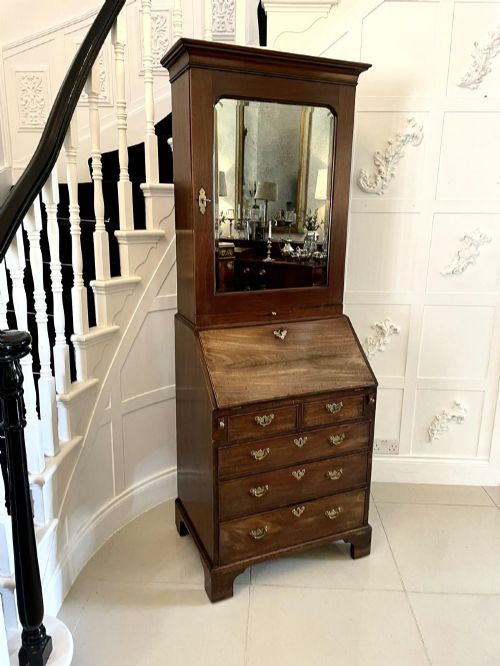
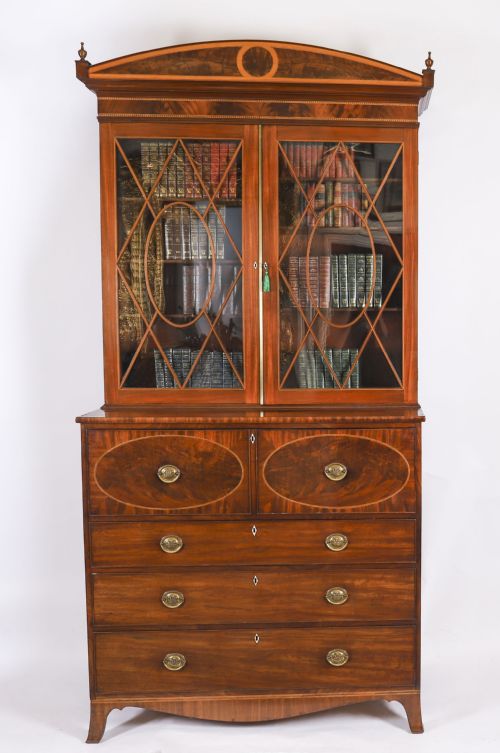
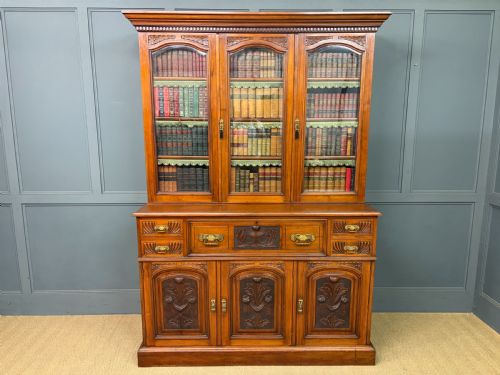
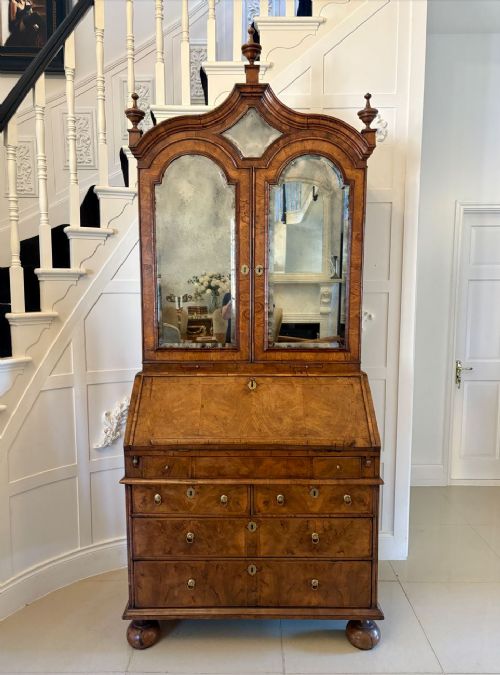
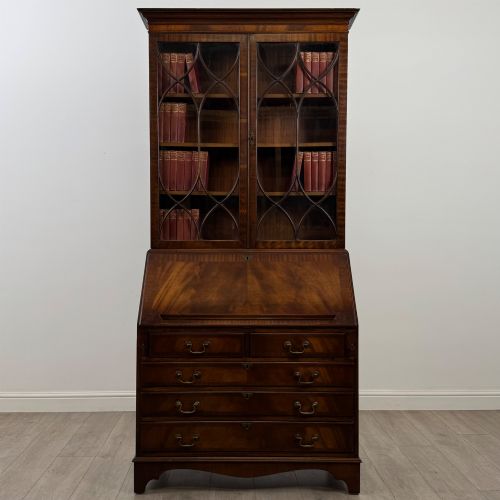
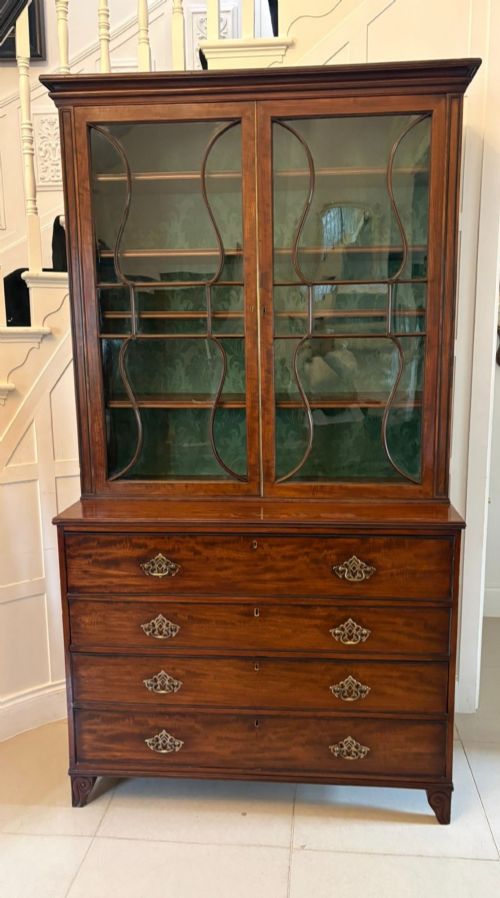
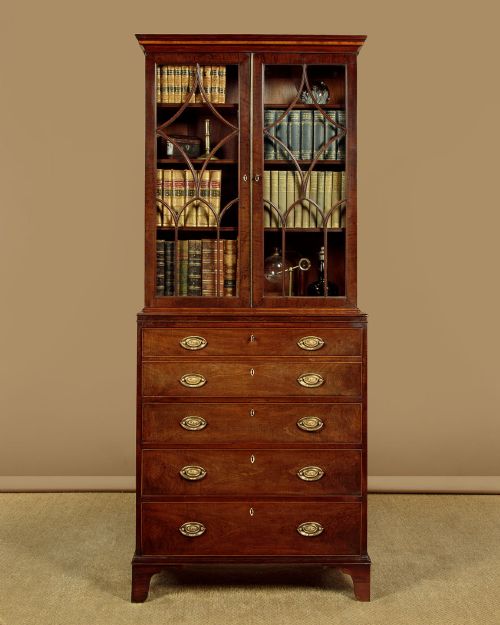
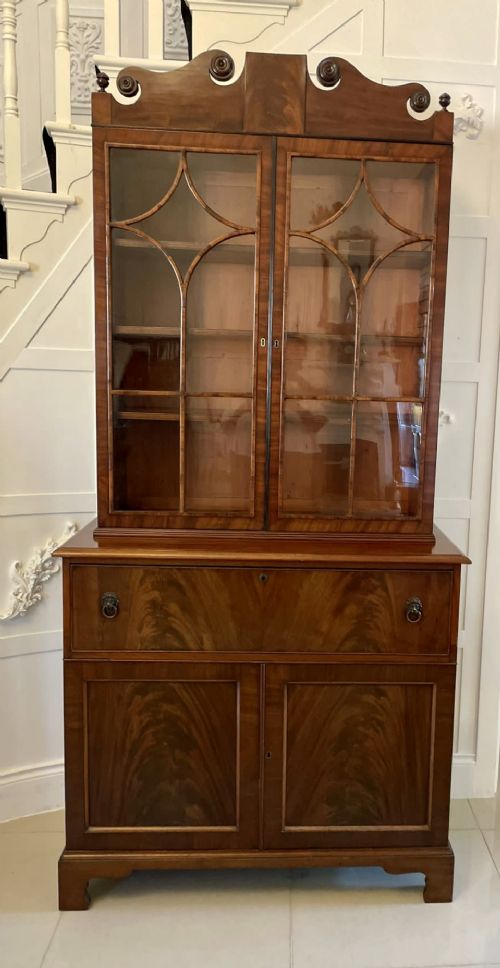
An antique secretary bookcase provides a drop-down writing surface or fitted desk drawer beneath upper glazed cabinet doors for books and display. Buyers encounter examples ranging from early walnut and oak creations to Georgian mahogany and later Edwardian variations.
The lower section functions as a bureau or secretaire cabinet while the upper portion holds shelves behind glass panes. Pieces span the eighteenth, nineteenth, and twentieth centuries, showing styles from Queen Anne and George II to Regency and Victorian periods.
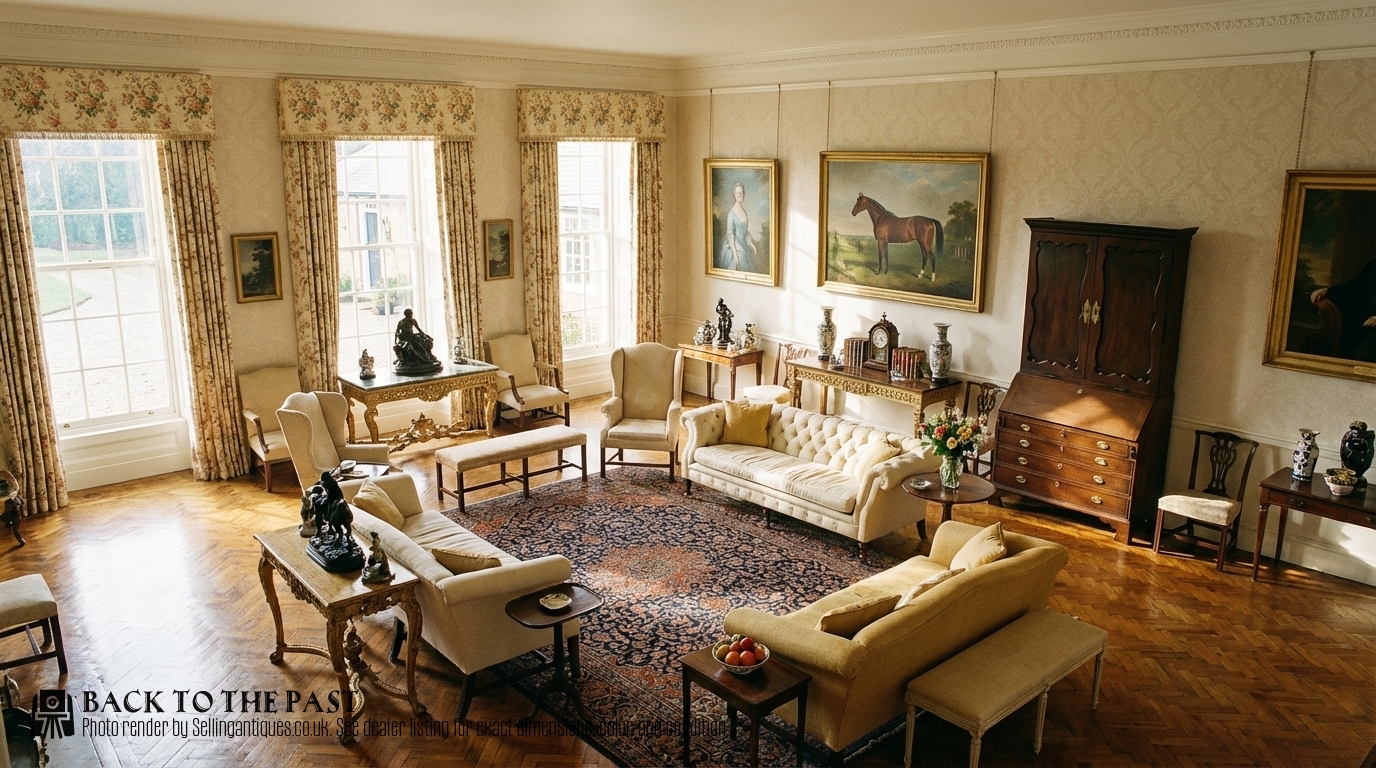
How They Were Made
Cabinet makers utilised dense hardwoods such as mahogany, walnut, and oak, often applying figured veneers, flame mahogany, burr walnut, and intricate inlay to the exterior surfaces. Brass hardware secures doors and drawers while glass panels protect the upper shelving compartments.
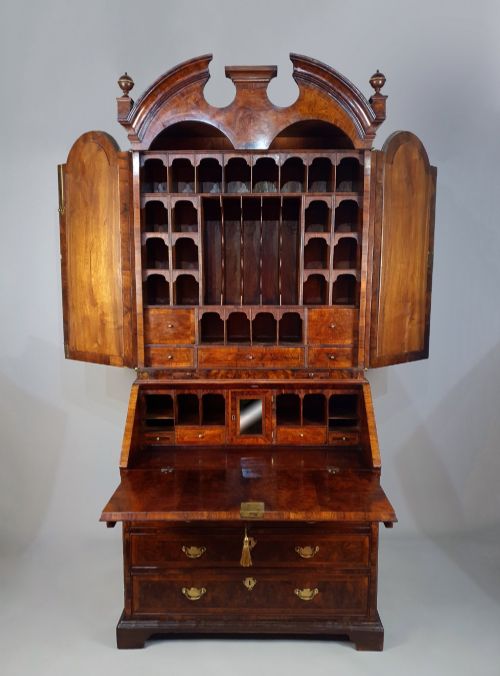
Construction techniques involve multi-section builds, such as three-section formats that separate the glazed top from the bureau base and internal compartments. Drawers contain fitted pigeonholes and small doors, while specialised details include candle slides and stepped interiors.
Antique Secretary Bookcase Retail Price Guide 2026
Typical asking prices for secretary bookcase among the pieces listed under this phrase on Sellingantiques today, from the lower quarter to the upper quarter. They describe what is for sale here now, not the wider market.
Early cabinet makers occasionally included secret compartments hidden behind dummy drawers to store valuables.
What Varies in Quality
The refinement of the timber selection dictates the visual presence of the piece, separating plain planks from richly figured veneers, burr walnut, and delicate string inlay. Superior examples display careful grain matching and precise joinery across the fall-front desk and internal drawers.
Proportion and architectural detail separate standard iterations from exceptional commissions, seen in the handling of cornices, brass mounts, and the complexity of the fitted interior. Original glass panes and untouched patination further elevate the standing of a cabinet.
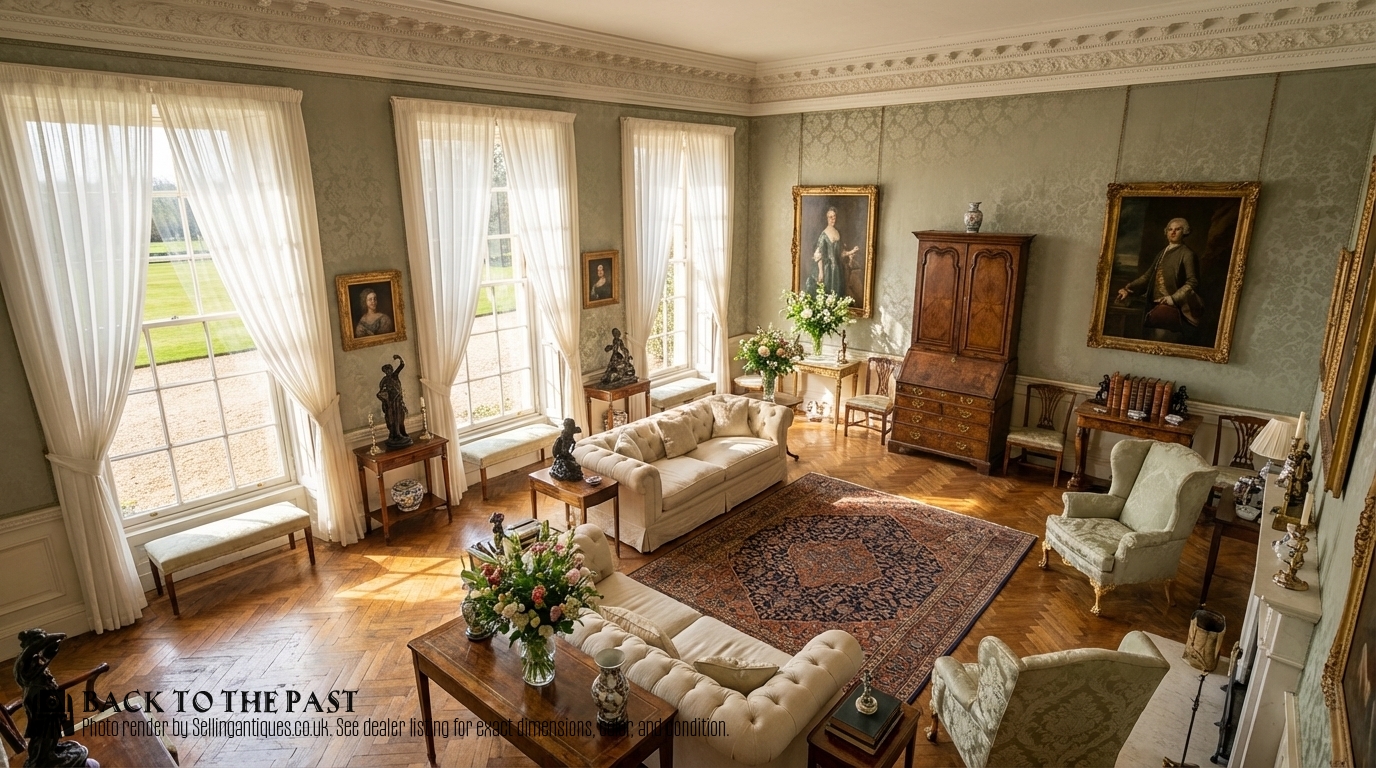
George Oakley·Thomas Chippendale·Gillows
The Antique Secretary Bookcase Glossary
- Secretaire
- A piece of furniture containing a drawer or drop-front that pulls down to reveal a writing surface and small compartments. This mechanism conceals the desk functions when closed.
- Bureau Bookcase
- A combined unit comprising a sloping desk compartment below shelving enclosed by doors. The upper section typically uses glass panes to display books.
- Burr Walnut
- Timber taken from the warted growth on a walnut tree, yielding intricate swirling grain patterns. Cabinet makers prized this wood for high-status decorative fronts.
- Flame Mahogany
- Mahogany veneer cut to emphasise a flickering, flame-like pattern in the grain. Makers used this on prominent drawer fronts and panels during the Georgian era.
- Candle Slide
- A pull-out wooden board positioned beneath the upper doors to hold a candle for illumination. These slides provide light for the writing surface.
Antique Secretary Bookcase: Frequently Asked Questions
How do I use the drop-down desk?
The fall-front panel lowers to create a flat writing surface supported by brackets or side arms. This reveals internal compartments, small drawers, and pigeonholes.
Items stored inside remain concealed when the flap is lifted and secured with a key.
What fits inside the upper cabinet?
The upper section contains wooden shelves behind glazed doors designed to hold books and decorative objects. Heights between shelves vary depending on the proportions of the cabinet.
Glass panels keep dust away while allowing visibility of the contents.
How do I date an antique bookcase?
Dating relies on identifying the primary wood species, construction methods, and prevailing decorative style such as Queen Anne walnut or Regency mahogany. Secondary woods and handle types also provide clues to the period of origin.
Hardware fixes and dovetail construction methods shift noticeably between the eighteenth and twentieth centuries.
Where should I place this furniture?
These tall cabinets require solid wall space and sufficient clearance in front for the desk flap to lower fully. Rooms with stable humidity protect the timber and veneers from drying out.
Positioning away from direct sunlight preserves the colour of the mahogany or walnut surfaces.