

Antique Porcelain Wall Plate
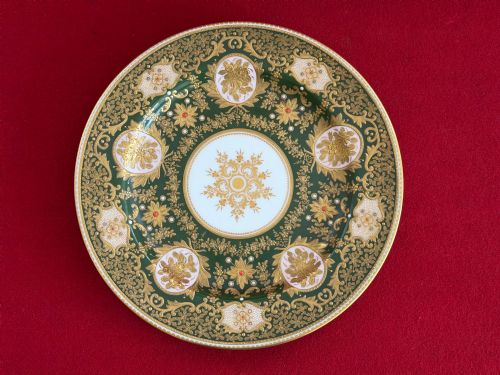
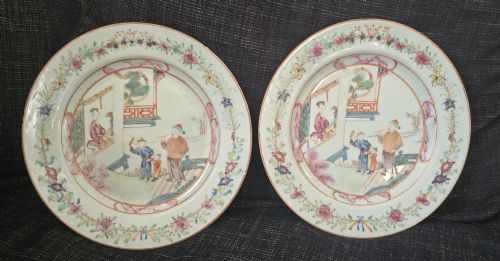
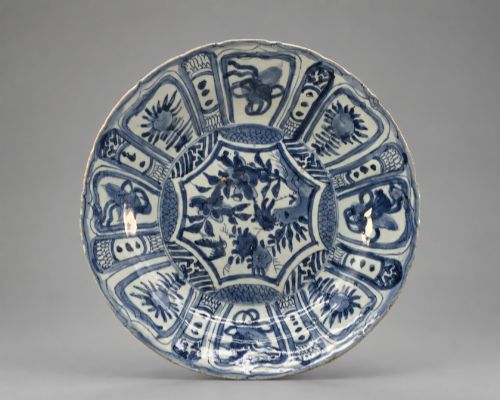
When you search for an antique porcelain wall plate, you are looking at centuries of fired ceramic artistry meant for vertical display rather than the dining table.
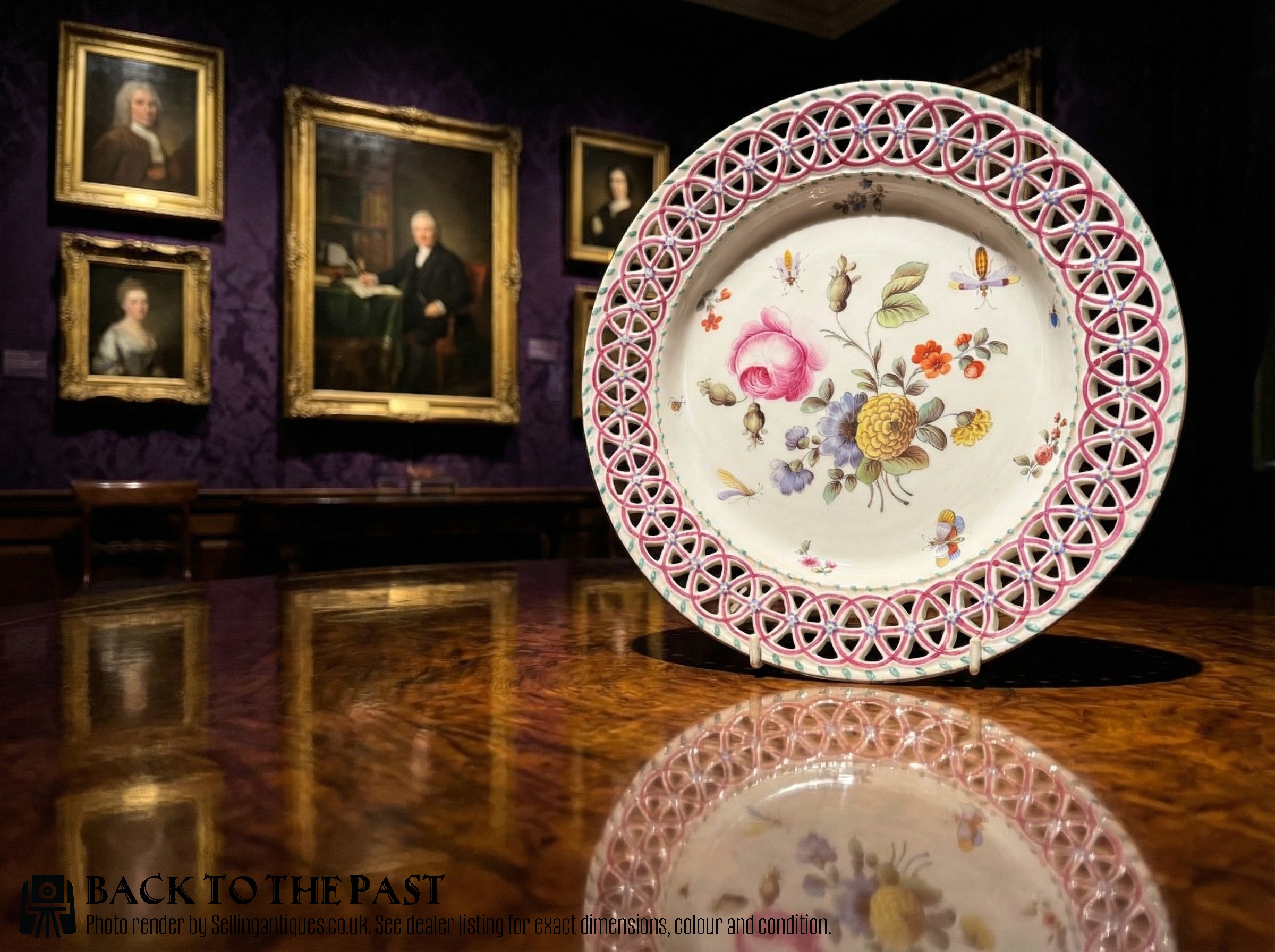
Antique Porcelain Wall Plate
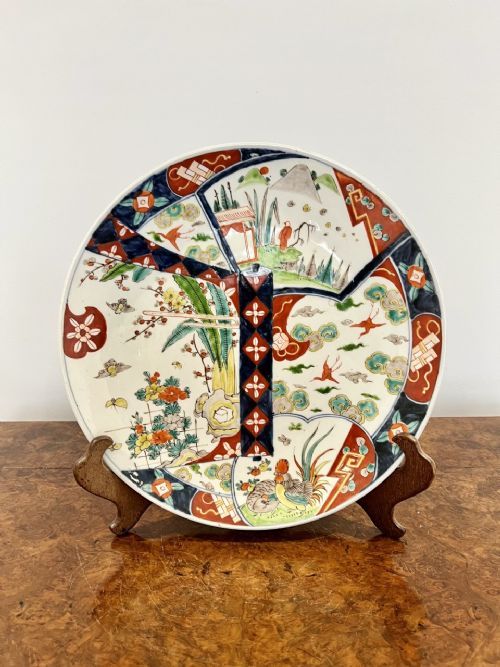
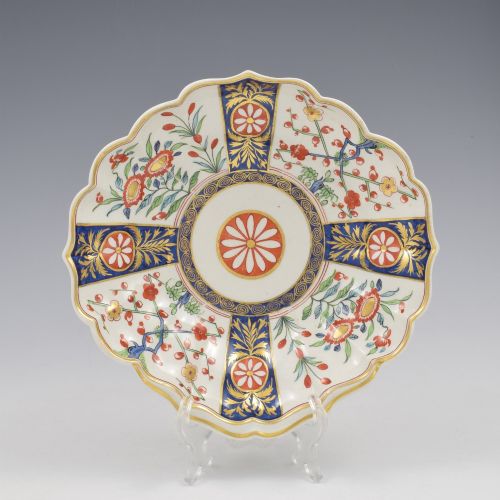
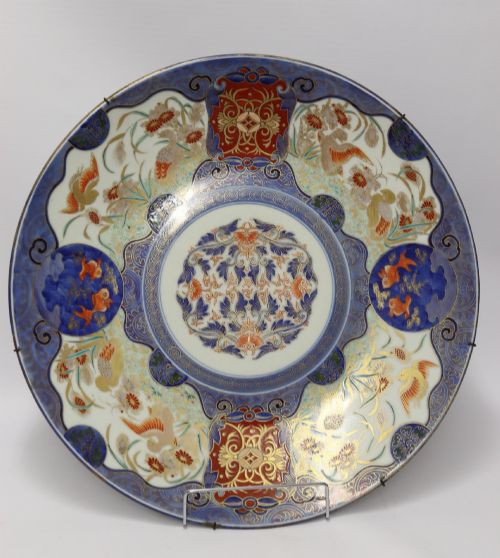
An antique porcelain wall plate encompasses everything from 18th Century Worcester and Bow to 19th Century French portrait pieces and late Victorian Japanese Imari chargers. These items span domestic production and decorative cabinet wares made across the Georgian, Regency, Victorian, and Edwardian eras, stretching into the mid-20th Century.
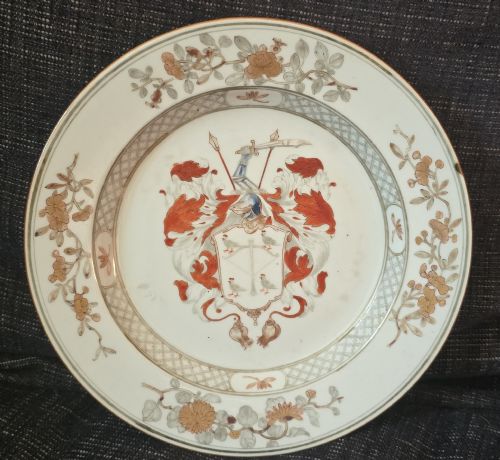
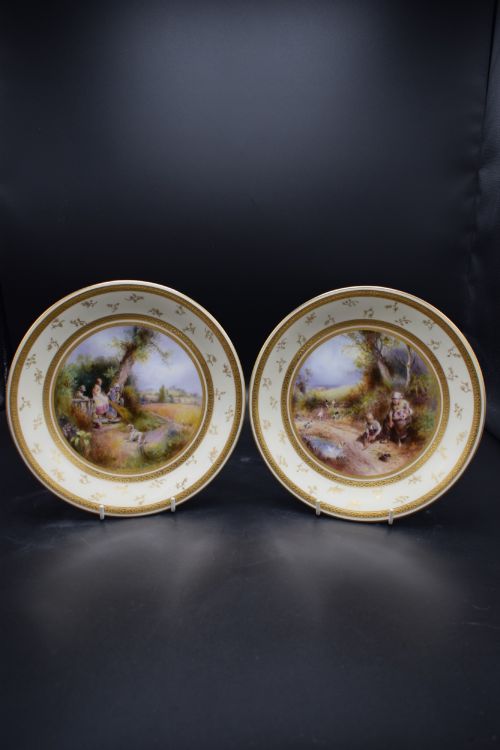
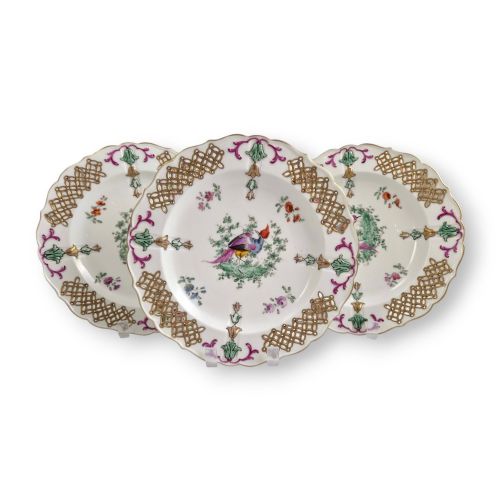
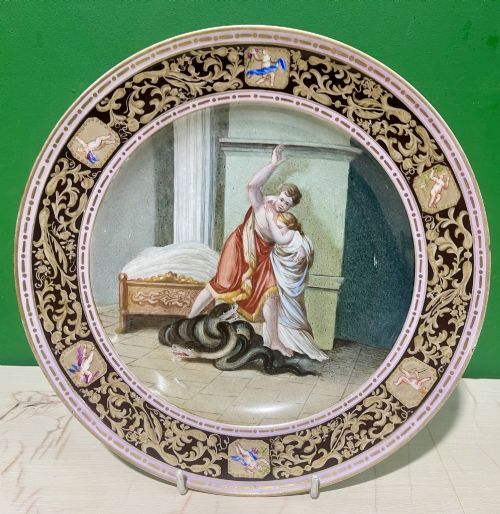
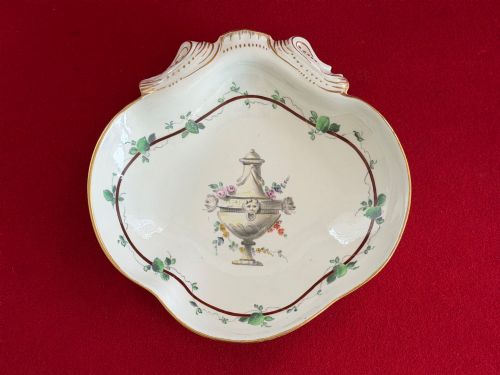
The version most commonly encountered on this page is the decorative charger or cabinet plate, often bearing hand-painted birds, fruit, landscapes, or armorial motifs. They survive from makers and factories working in bone china, soft-paste porcelain, and earthenware, shaped into rounds, octagons, and lobed dishes.
How they were made
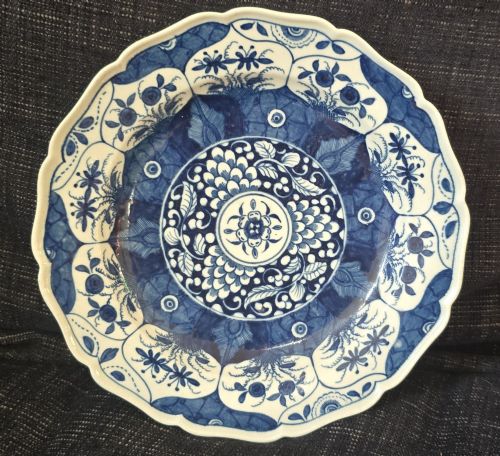
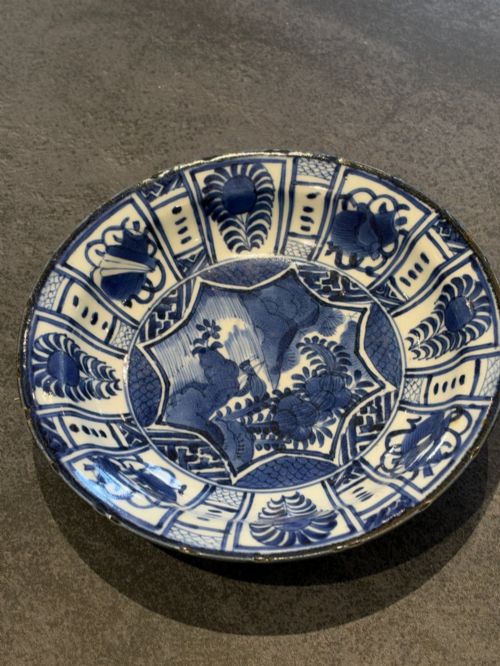
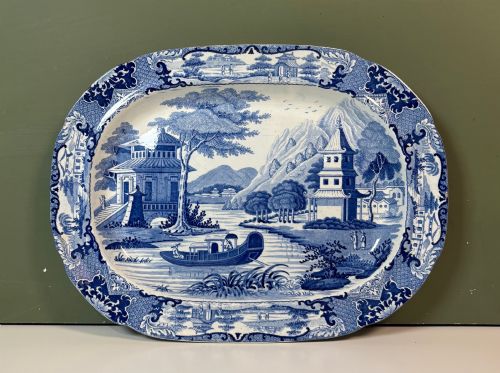
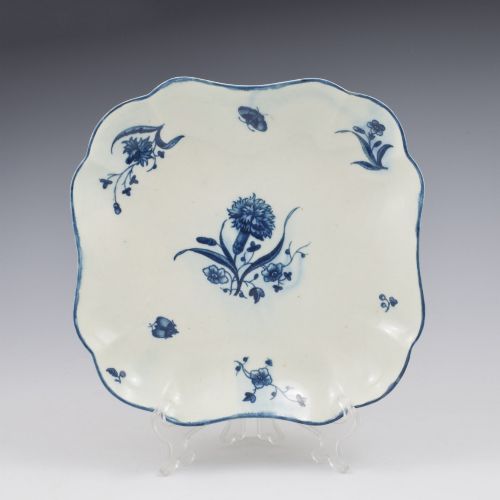
Makers utilised soft-paste porcelain, bone china, and earthenware bodies, shaping them into plates, chargers, and dishes before applying underglaze blue, enamel colours, and gilt highlights. Many pieces combine hand-painted pictorial scenes with moulded borders, glazed and fired in kilns to fix the intricate botanical, ornithological, or heraldic designs.
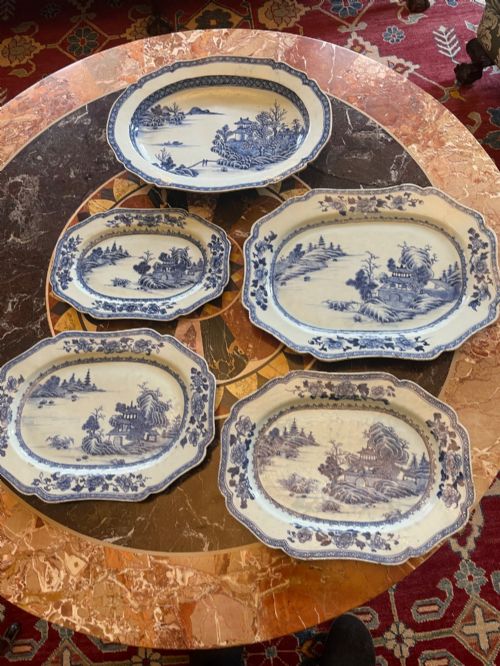
Techniques range from early 18th Century Chinese export and English transfer printing to elaborate hand-painted fruit studies and portraiture executed by named artists on French and English porcelain bodies.
Antique Porcelain Wall Plate Retail Price Guide 2026
Typical asking prices for porcelain wall plate among the pieces listed under this phrase on Sellingantiques today, from the lower quarter to the upper quarter. They describe what is for sale here now, not the wider market.
Some plates depict dramatic battles or bears meeting their end, proving that historical porcelain dinner service could double as a history lesson.
What varies in quality
Quality rests in the precision and ambition of the painting, distinguishing standard transfer-printed wares from meticulously hand-painted cabinet plates executed by notable artists. The crispness of the porcelain paste, the brilliance of the enamel colours, and the application of gold leaf dictate the upper tiers of the market.
The provenance and documentary history of a plate also elevate its standing, particularly when associated with recorded factory commissions, specific families, or prominent decorative periods like the Meiji era or First Period Worcester.
Royal Crown Derby·Royal Worcester·John Davenport·Edmé Samson
The Antique Porcelain Wall Plate Glossary
- Cabinet plate
- A decorative plate intended for display in a glass-fronted cabinet or on a wall rather than for practical dining use. These often feature elaborate hand-painted scenes and gilt borders.
- Charger
- A large ornamental dish or plate, typically measuring well over the standard dinner plate size. They were frequently hung on walls or stood on sideboards as centrepieces.
- Imari palette
- A distinctive decorative style originating in Japan, characterised by the use of underglaze blue, iron red, and abundant gold leaf. British factories frequently copied these vibrant palettes during the 18th and 19th centuries.
- Soft-paste porcelain
- An artificial porcelain composition made from a mixture of white-firing clay and glass frit, fired at lower temperatures than hard paste. It is frequently identified in 18th Century English productions such as Bow and early Worcester.
- Armorial
- A ceramic design incorporating a family coat of arms or heraldic crest. These were usually custom-ordered by wealthy patrons for elite dining and display services.
Antique Porcelain Wall Plate: Frequently Asked Questions
What is an antique porcelain wall plate?
An antique porcelain wall plate is a decorative ceramic dish produced primarily during the 18th, 19th, and early 20th centuries, designed specifically for visual display rather than daily dining. These pieces include large chargers, cabinet plates, and dessert dishes featuring hand-painted landscapes, birds, portraits, or armorial crests.
Collectors encounter various regional styles, from English bone china and French Paris porcelain to Japanese Imari wares. Their survival depends on careful preservation and their historical shift from table service to wall ornamentation.
How were antique plates hung on walls?
Period wall plates were often displayed using specialised wire hangers or mounted in fitted frames to secure their rims without causing structural damage. Many large chargers and cabinet plates were manufactured with deep foot rings that accommodated traditional display cords.
Modern display requires padded clips or purpose-built wall brackets that distribute weight evenly across the ceramic body. Care must be taken to ensure the glaze and enamel surfaces remain unmarred by metal mountings.
How do I identify First Period Worcester?
First Period Worcester porcelain, produced in the 18th century, is identified by its distinctive soft-paste body, delicate potting, and characteristic cobalt blue painting, transfer printing, or enamel bird and insect motifs. Many pieces bear crescent marks or simulated Chinese seal marks on the unglazed foot rim.
Examining the glaze under magnification reveals small pinholes and pooling typical of eighteenth-century firing techniques. The weight is often surprisingly light compared to later Victorian bone china productions.
What does Japanese Imari mean?
Japanese Imari refers to porcelain exported from the port of Imari during the Edo period, notably the Meiji era, featuring a distinct palette of underglaze cobalt blue, iron red, and gilt detailing. These designs frequently incorporate floral arrangements, exotic birds, and brocade patterns.
European factories extensively imitated this aesthetic throughout the 19th century, creating British and continental versions of the Imari palette. Distinguishing Japanese export pieces from European copies involves examining the clay body, potting style, and pigment application.
Can I use antique plates for food?
Antique porcelain wall plates and cabinet plates are generally unsuitable for modern food use due to the delicate nature of historic glazes, potential lead content in older enamels, and the risk of active deterioration. Cutlery can easily scratch soft-paste surfaces and fragile hand-painted gilding.
Displaying these items on walls or in cabinets preserves their artistic integrity and prevents accidental damage. Thorough washing in hot water can also degrade vulnerable 18th and 19th century enamels.