

Antique Porcelain Statue
When you search for an antique porcelain statue, you enter a diverse world of figural sculpture, animal models and portrait busts shaped across two centuries.
Antique Porcelain Statue
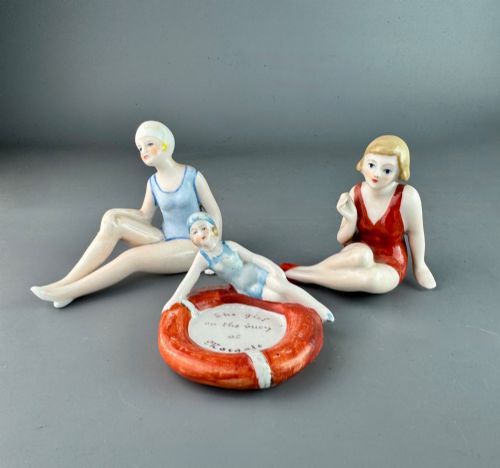
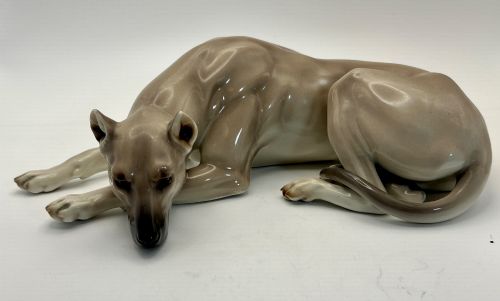
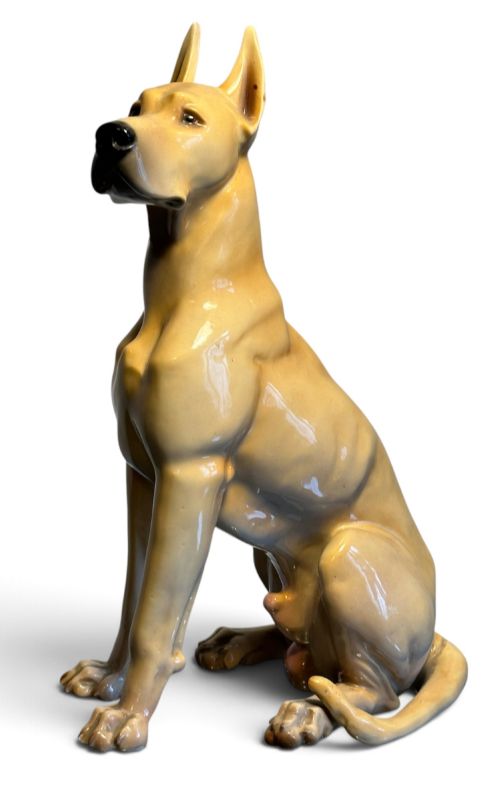
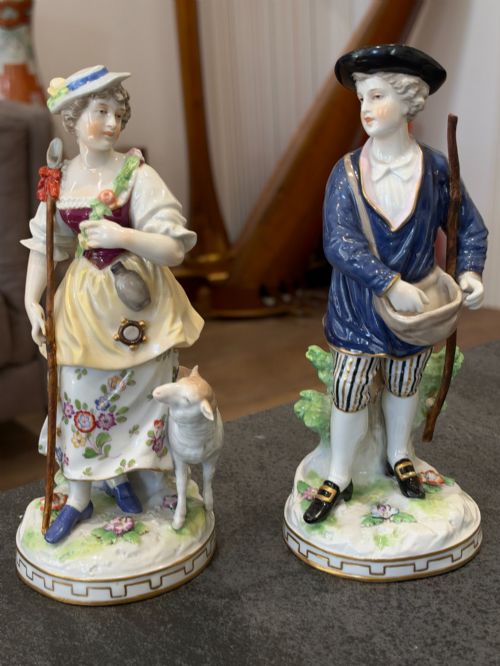
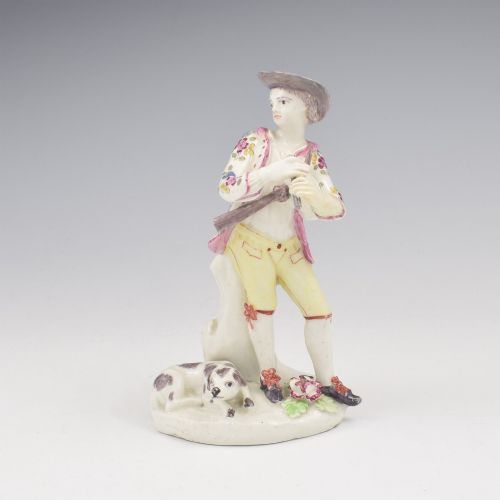
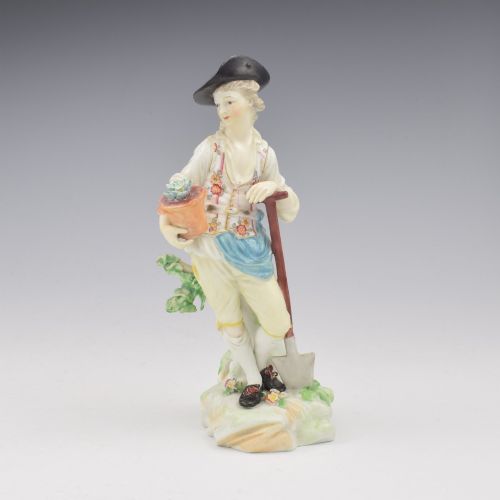
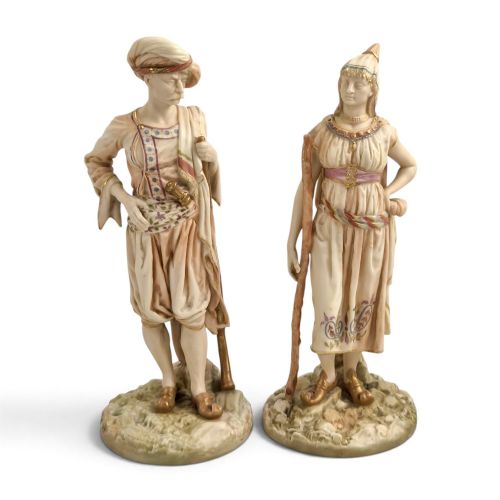
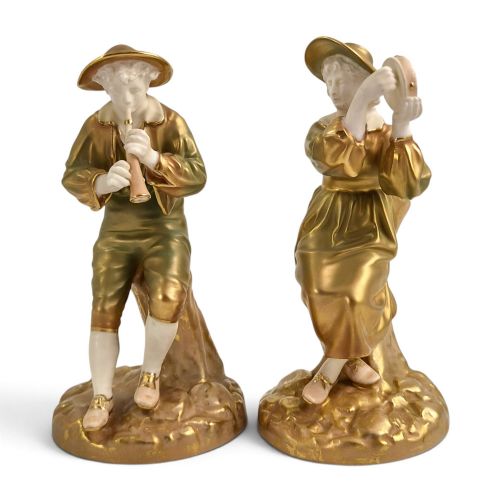
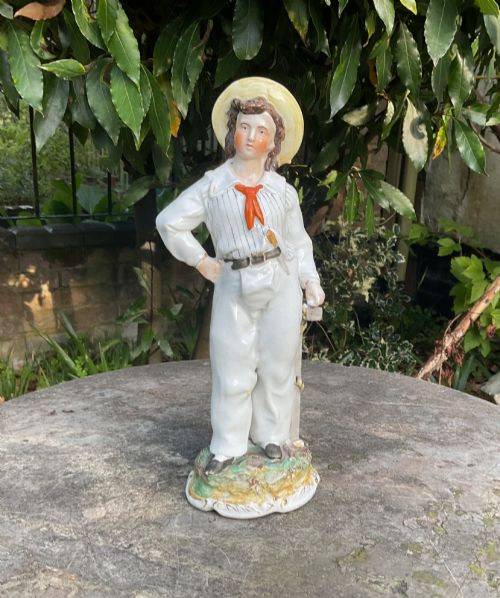
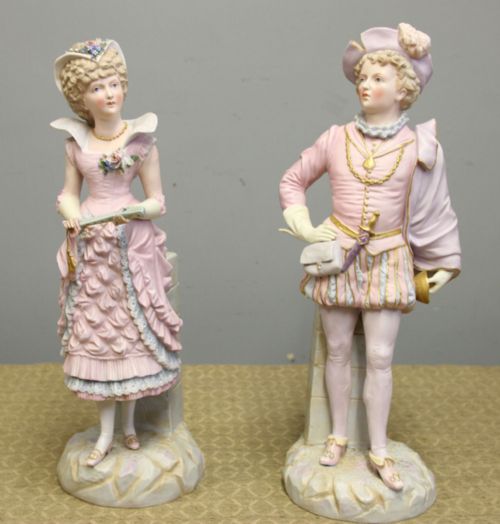
An antique porcelain statue encompasses figural groups, individual characters, birds, animals and portrait busts produced across the eighteenth, nineteenth and twentieth centuries. These objects range from delicate cabinet pieces to large sculptural studies and decorative figures designed for domestic display.
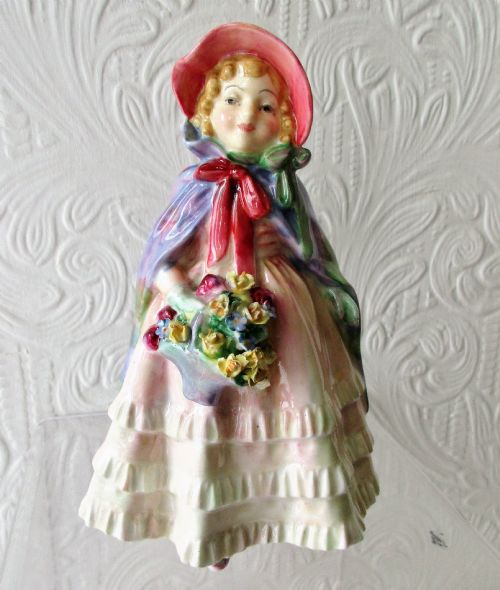
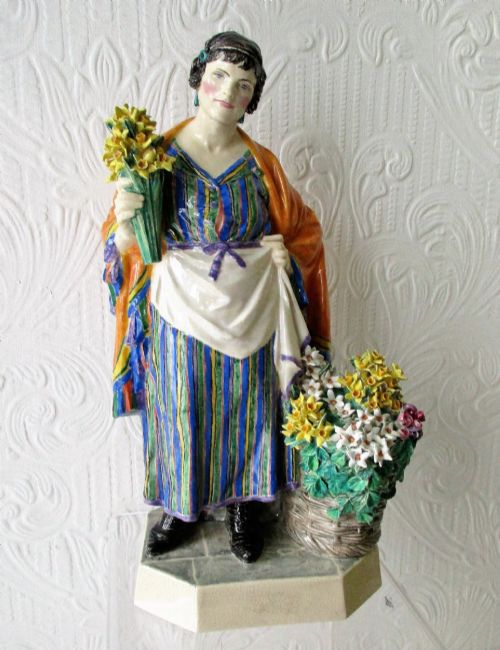
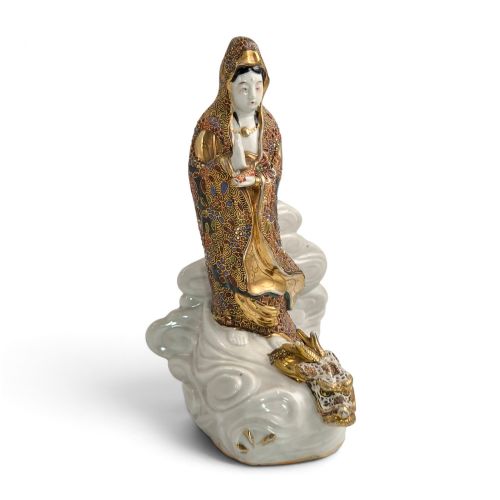
The selections encountered here frequently span European factories such as Meissen, Royal Doulton and Royal Worcester, alongside Asian works including Japanese Kutani and Chinese ceramic figures. Forms vary from nineteenth-century parian studies and Victorian Staffordshire pottery to Edwardian models and Art Deco character figures.
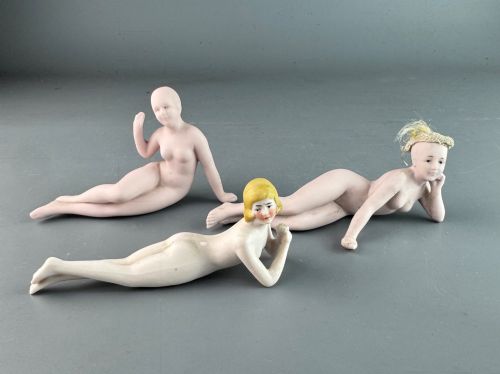
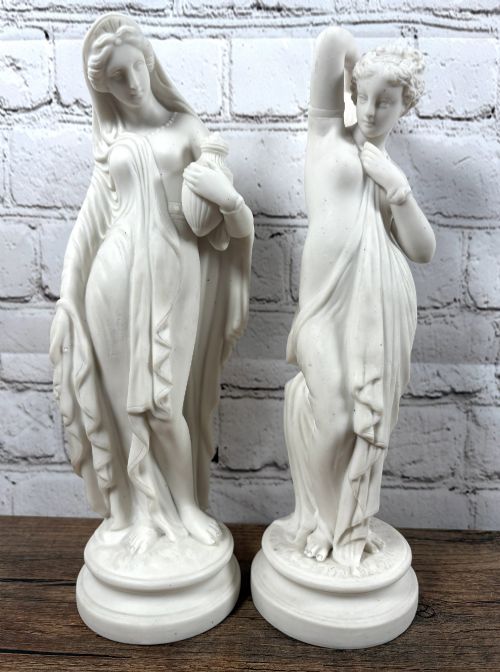
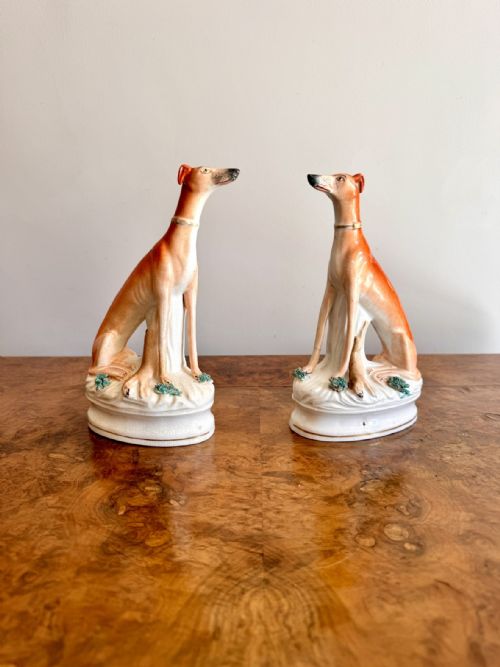
Buyers looking through this phrase find everything from classical mythological groups and allegorical figures to traditional animals like parrots, dogs and stags. The material identity shifts from refined glazed porcelain and bone china to unglazed biscuit porcelain and earthenware depending on the period and origin.
Materials and methods of construction
The physical build of these pieces relies on ceramic pastes shaped through moulding or hand-modelling, finished with translucent glazes, enamel colours or left in the biscuity matte state known as parian. Factories utilised specialised kiln firing techniques to achieve smooth surfaces, sometimes incorporating gold leaf highlights or delicate ceramic lace applied by hand.
Makers handled clay and paste to capture fine details in drapery, hair and animal plumage, often marking the underside with factory stamps, impressed numbers or painted signatures. The resulting sculptures combine structural firmness with the smooth, vitreous qualities inherent to fired ceramic materials.
Antique Porcelain Statue Retail Price Guide 2026
Typical asking prices for porcelain statue among the pieces listed under this phrase on Sellingantiques today, from the lower quarter to the upper quarter. They describe what is for sale here now, not the wider market.
Distinctions in standard and execution
Scale and ambition also dictate quality, as larger and more complex sculptural groups require exceptional technical control during firing to prevent warping or cracking. Original elements, such as applied lace or intricate props, demand high craftsmanship that remains intact in better-preserved examples.
Royal Doulton·Meissen·Karl Ens·Nymphenburg·Minton·Royal Dux Bohemia·Copeland·Volkstedt Rudolstadt Factory·Royal Worcester·Bourdois and Bloch
The Antique Porcelain Statue Glossary
- Parian ware
- A fine-grained, unglazed porcelain that imitates white marble, widely used for nineteenth-century portrait busts and classical figures. It gained popularity for its smooth matte finish which highlights sculptural form without distracting glaze reflections.
- Biscuit porcelain
- Fired ceramic material left unglazed with a matte, porous surface texture. This finish allows sculptors to display sharp modelling details without the softening effect of a liquid glaze layer.
- Okimono
- A Japanese decorative freestanding sculpture designed for display within a home. These figures often depict traditional subjects, deities or legendary figures carved or moulded in ceramic materials.
- Famille rose
- A palette of opaque enamel colours dominated by pink or rose shades, used in Chinese porcelain decoration. The technique allows for subtle tonal gradations on robes and floral motifs.
- Figurine
- A small modelled statuette representing a human or animal figure. These objects serve primarily decorative functions on mantelpieces, tables and cabinets.
Antique Porcelain Statue: Frequently Asked Questions
How do I clean an antique porcelain statue?
Dust these pieces gently with a soft, dry brush to remove particulate matter without abrading delicate painted surfaces or protruding ceramic details.
Avoid submerging pieces in water, particularly those with applied elements like ceramic lace or cold-painted enamel highlights that could loosen or dissolve.
Were these statues meant for display?
Most pieces served as interior ornaments for mantelpieces, drawing rooms and cabinets, reflecting the aesthetic tastes of their respective periods.
Larger sculptural groups and portrait busts functioned as status symbols or artistic statements in wealthy domestic settings.
What do factory marks on the base mean?
Bottom markings usually include factory stamps, painted ciphers, impressed model numbers or artist initials that identify the origin and production period.
These symbols help historians and collectors trace a piece to a specific kiln, workshop or modeller active at the time.