


Antique Porcelain Figures
These antique porcelain figures bring together centuries of skilled modelling and delicate glaze work from European and Asian kilns.
Antique Porcelain Figures
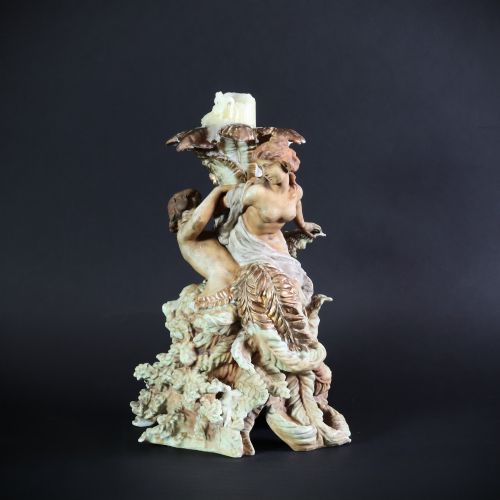
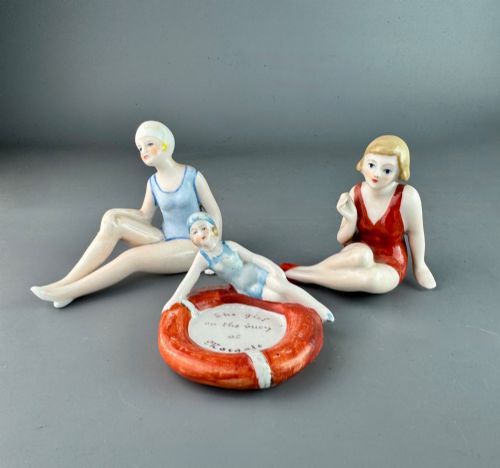
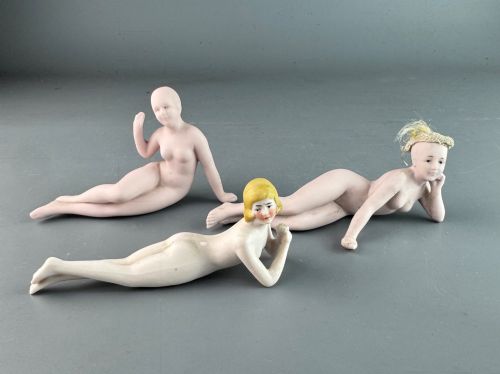
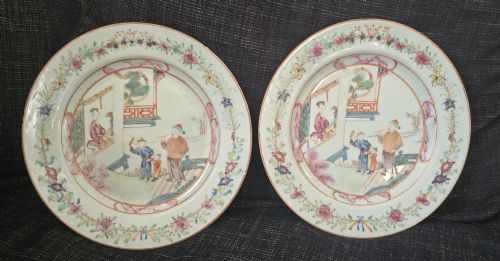
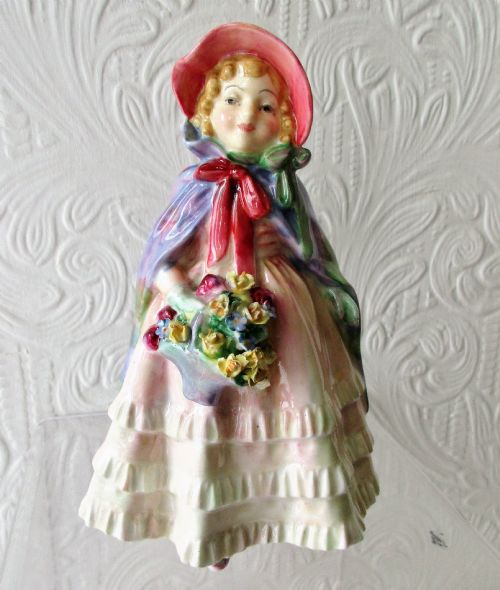
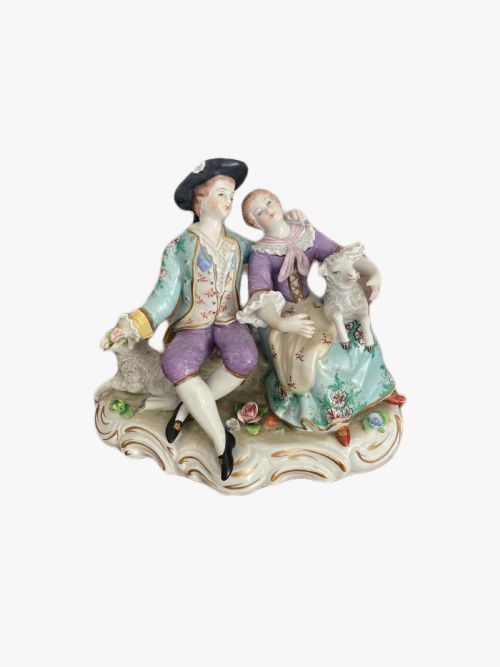
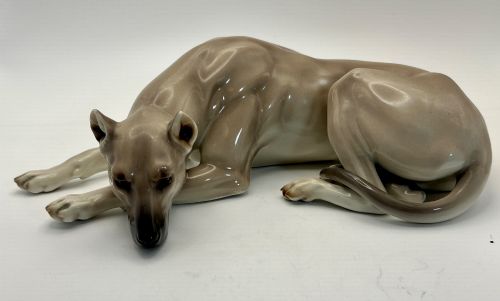
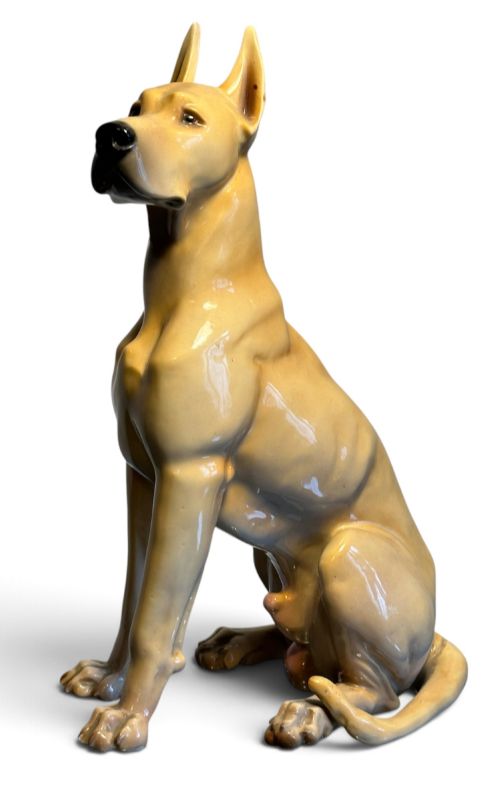
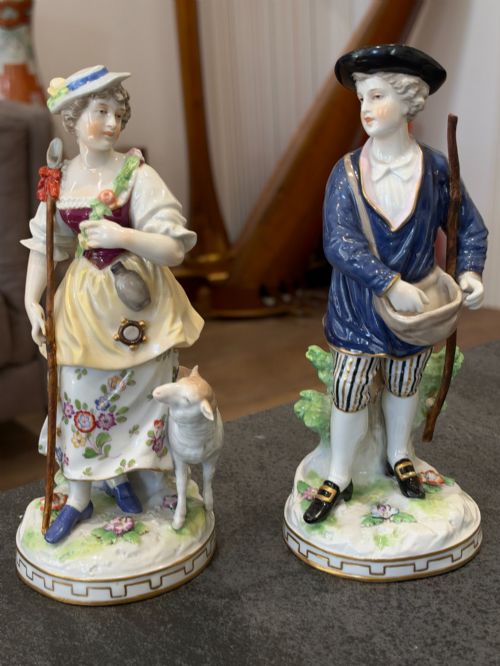
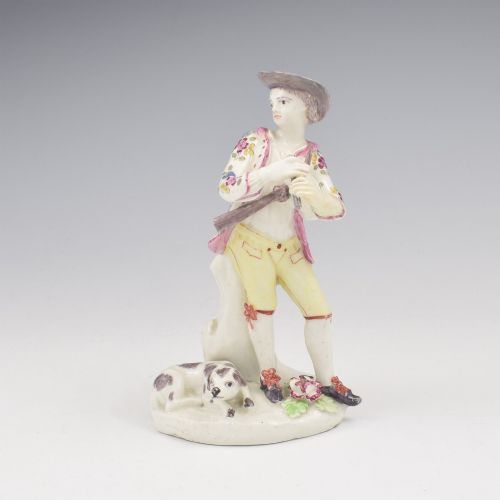
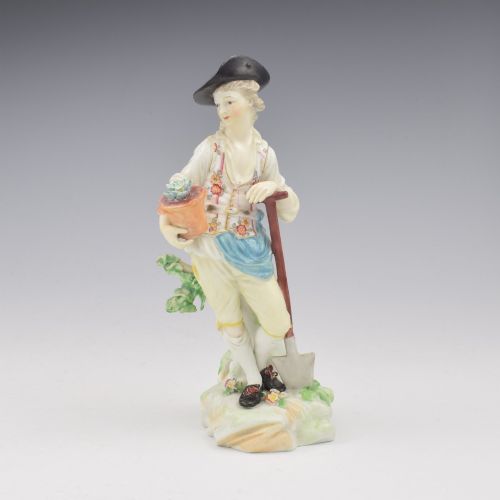
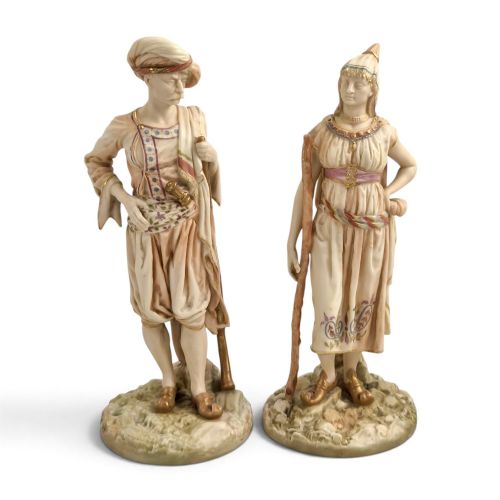
When searching for antique porcelain figures, buyers encounter a diverse range of decorative ceramic pieces spanning the eighteenth, nineteenth and twentieth centuries. These objects take the form of modelled figurines, figural groups, birds, animals and allegorical representations created in both European factories and Asian kilns.
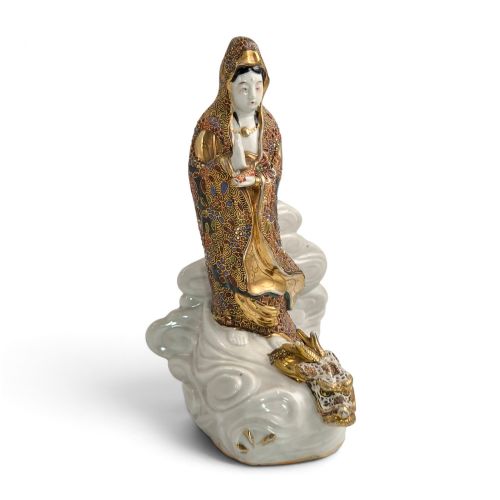
The selection includes figures originating from notable European porcelain works such as Meissen, Derby and Royal Doulton, alongside Japanese Satsuma and Kutani ceramic sculptures. Formats range from small cabinet figures to large pairs of parrots and mythical subjects.
Victorian and Edwardian iterations sit alongside Georgian examples and later twentieth-century productions. Collectors find these pieces utilised historically as mantelpiece ornaments, table centrepieces and decorative highlights within period interiors.
Materials and production methods
Makers utilised hard-paste and soft-paste porcelain, earthenware, bone china and parian ware to shape these sculptures. Forms were typically cast from moulds or hand-modelled before receiving intricate details.
Surface decoration involved polychrome enamels, underglaze painting, gilding with gold leaf and specialist treatments like pate-sur-pate. Transparent and coloured glazes were then fused to the ceramic body during firing in kilns.
Antique Porcelain Figures Retail Price Guide 2026
Typical asking prices for porcelain figures among the pieces listed under this phrase on Sellingantiques today, from the lower quarter to the upper quarter. They describe what is for sale here now, not the wider market.
Distinctions in craftsmanship
Quality rests upon the crispness of the modelling and the precision of the hand-painted enamel work across the surface. Superior examples exhibit fine anatomical detail in human and animal subjects, alongside subtle shading in the glaze.
The execution of fine decorative elements, such as lace ruffs, foliage and applied flowers, separates standard production pieces from exceptional sculptural works. Retaining original factory marks and maintaining crisp definition through successive firing stages also distinguishes finer outputs.
Royal Doulton·Meissen·Flight And Barr Worcester·Karl Ens·Derby·Nymphenburg·Edme Samson·Minton·Royal Dux Bohemia·Copeland·James Hadley·Sitzendorf·Volkstedt Rudolstadt Factory
The Antique Porcelain Figures Glossary
- Biscuit
- Unglazed porcelain fired once to a matte, porous state resembling marble.
- Parian ware
- A fine-grained unglazed white porcelain developed in the nineteenth century to imitate carved marble.
- Hard-paste
- A durable porcelain mixture of kaolin and petuntse fired at very high temperatures.
- Pate-sur-pate
- A ceramic decorating technique where liquid clay is built up in successive layers to create a low-relief cameo effect.
- Enamel
- Coloured glass fused to the surface of the ceramic during a secondary firing.
Antique Porcelain Figures: Frequently Asked Questions
How do I identify porcelain figures?
Examine the base for factory marks, painted ciphers, or impressed numbers that link the piece to specific kilns and production periods. The weight, translucency of the ceramic body, and painting style also provide key indicators of origin.
Closer inspection under magnification helps reveal whether details are hand-painted or transfer-printed, guiding your assessment of age and authenticity.
Where were antique porcelain figures displayed?
These decorative objects traditionally occupied prominent positions on mantelpieces, sideboards, and enclosed display cabinets within wealthy homes. Pairs of birds and figures were often arranged symmetrically to balance interior decorative schemes.
In grander settings, large sculptural groups served as table centrepieces during formal dining occasions.
How should I clean porcelain figures?
Dust these delicate ceramic pieces gently using a soft, dry brush to prevent accumulating dirt in crevices. Avoid using harsh chemical cleaners or submerging antique pieces in water, particularly those with delicate applied flowers or water-soluble enamel decorations.
Professional restoration is recommended if structural repairs are needed.
What is biscuit porcelain?
Biscuit porcelain is fired ceramic left unglazed to produce a matte, tactile surface texture resembling carved marble. Many nineteenth-century portrait busts and classical figures utilised this finish to highlight sculptural form.
Because the material lacks a protective glassy coating, it requires careful handling to avoid permanent staining from oils and dust.