

Antique Painted Nightstand
An antique painted nightstand brings colour, character and useful surface space right beside the bed.
Antique Painted Nightstand
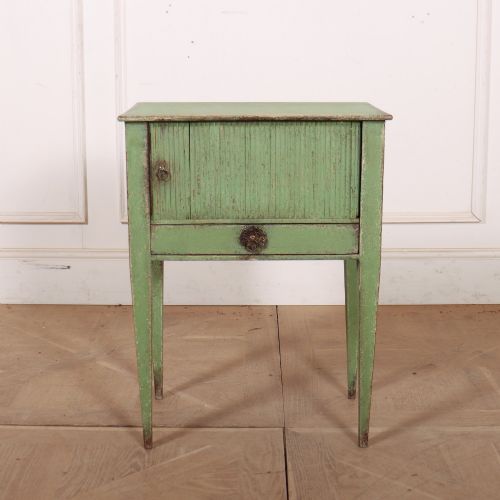
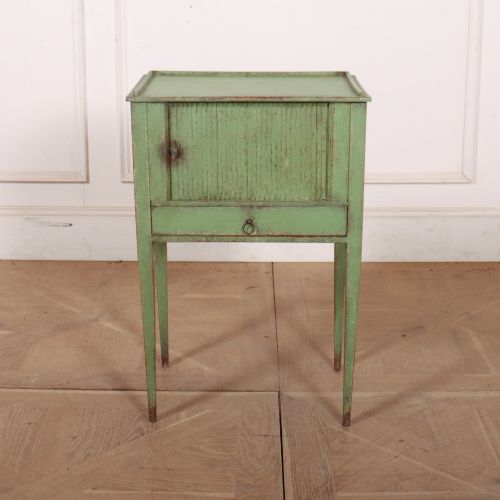
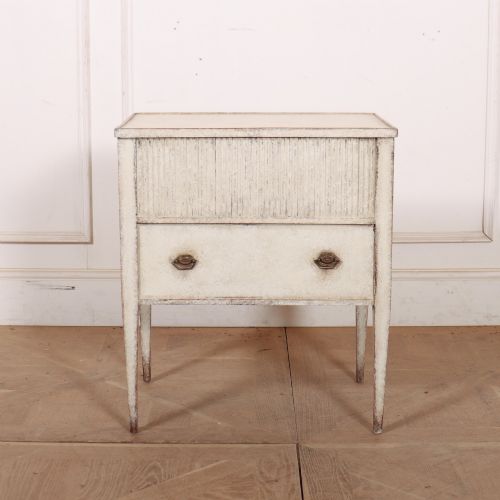
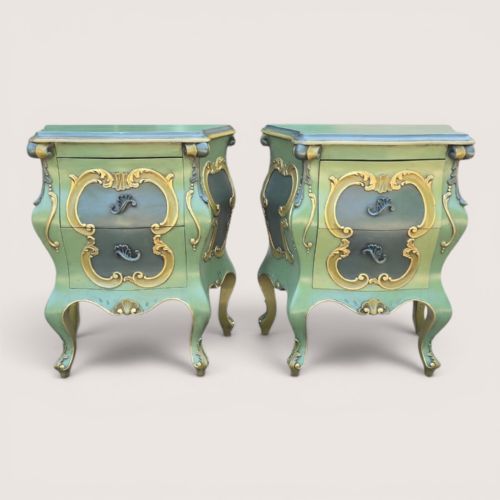
An antique painted nightstand spans various forms including bedside cabinets, cupboards, chests of drawers, washstands and side tables. These pieces originate from the eighteenth century through to the early twentieth century, taking shape across English, French, Italian, Dutch, Swedish and Hungarian workshops.
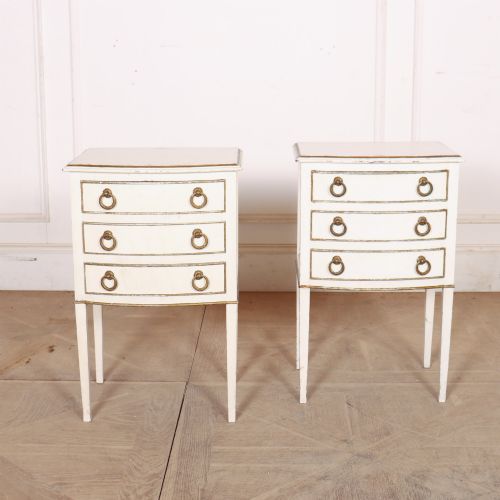
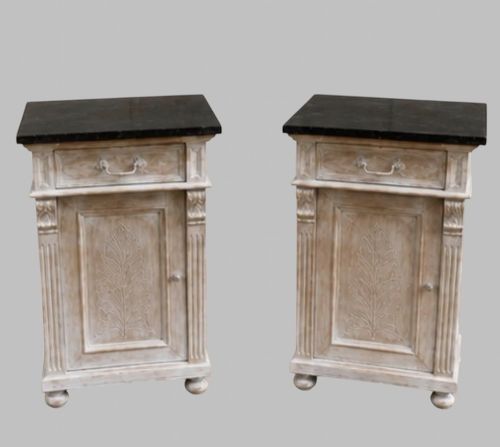
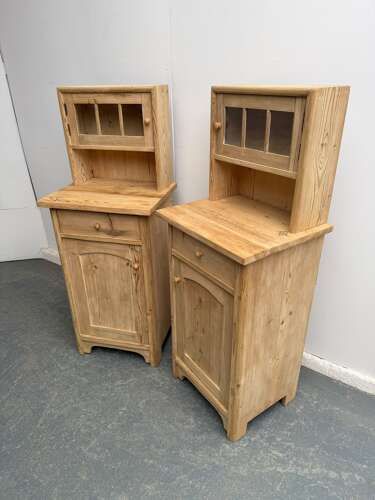
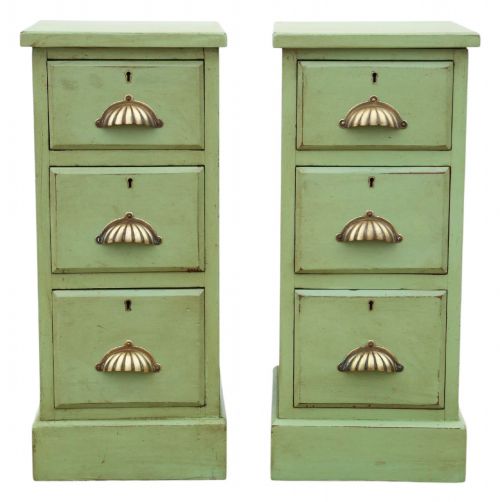
The most common formats met on this page are compact wooden cupboards and small chests of drawers designed to sit beside a bed. Many examples appear in pairs, finished with painted surfaces ranging from simple country pine to elaborate continental decoration.
Materials and structural construction
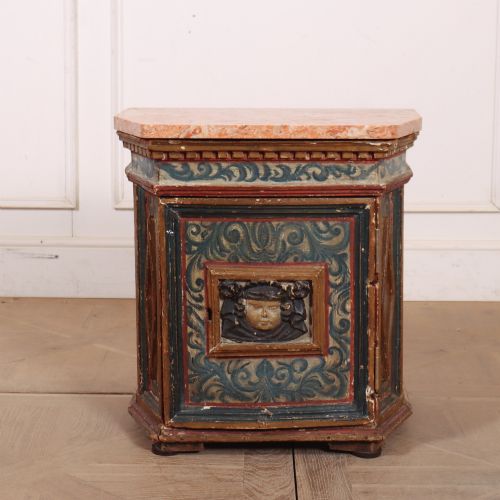
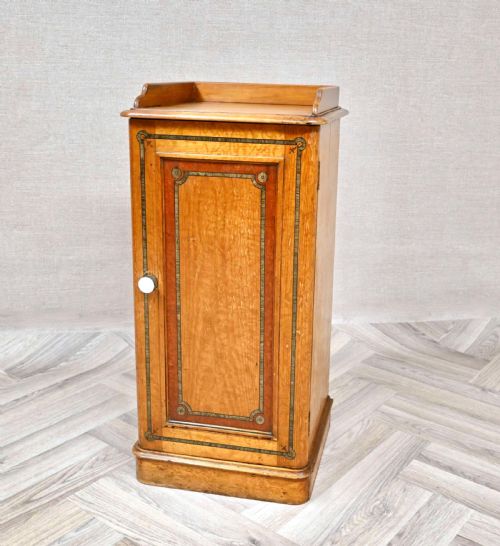
Cabinet makers constructed these pieces primarily using solid timbers such as pine, oak, fruitwood and mahogany, often pairing them with marble tops or brass hardware. Structural joinery relied on traditional methods suited to domestic furniture, creating sturdy carcases designed for daily bedroom use.
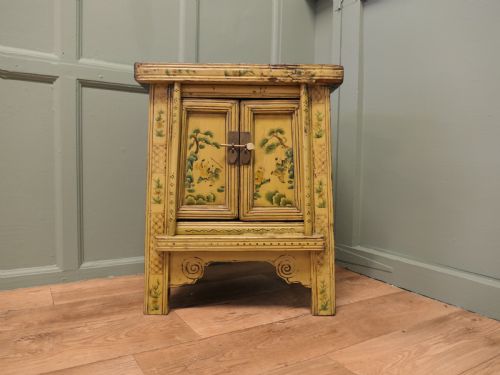
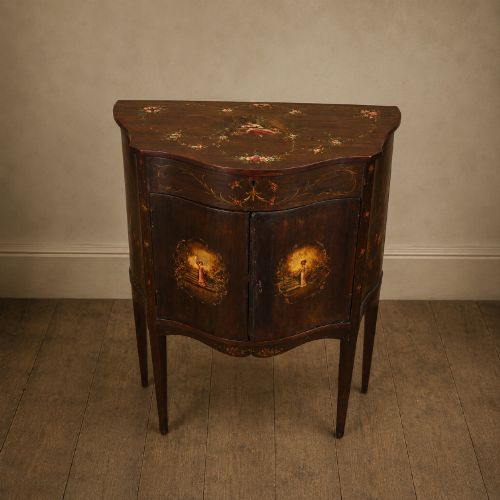
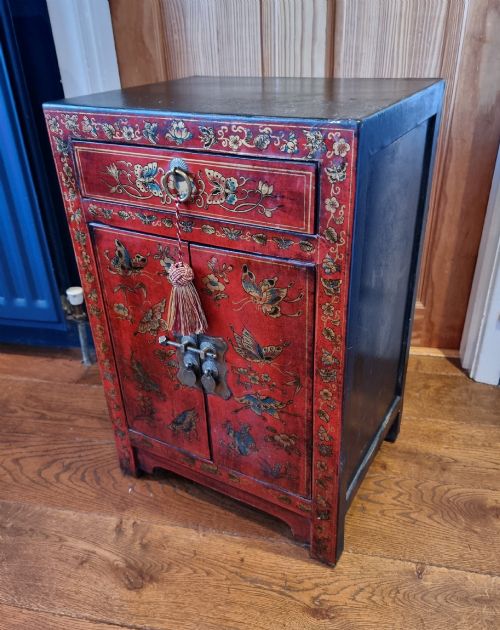
Surface decoration involved layers of paint, sometimes applied to simulate finer woods like satinwood or to create faux marble finishes. Artisans also utilised decorative techniques including Chinoiserie motifs and hand-painted regional styles.
Listings feature pieces spanning from the eighteenth century to the 1930s, constructed predominantly in pine, oak and fruitwood.
Evaluating surface finish and integrity
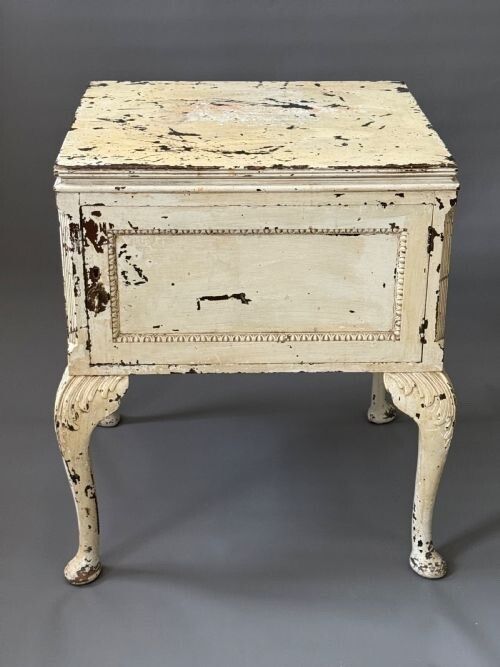
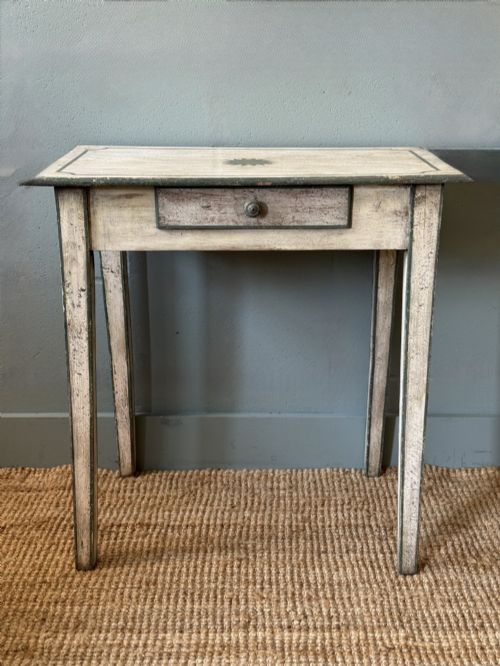
Quality rests heavily on the originality of the painted surface and whether the finish is period or later decoration. Pieces retaining their original layered paintwork, graining or hand-painted motifs hold greater interest than modern resprays.
Construction details also dictate standard, where sound dovetail joints, original brass handles and intact marble tops elevate a piece. The harmony between the proportions of the furniture and the execution of the decorative scheme separates standard utility items from finer examples.
The Antique Painted Nightstand Glossary
- Chinoiserie
- European decorative style inspired by Chinese artistic traditions, often featuring painted motifs of figures, landscapes and flora on lacquered or painted furniture.
- Gustavian
- Swedish neoclassical style characterised by pale paint finishes, restrained carving and functional elegance that emerged during the late eighteenth century.
- Washstand
- Bedroom furniture piece originally designed to hold a basin and jug, frequently adapted today as a bedside table or cabinet due to its useful surface height.
- Serpentine
- Furniture front or top featuring a curved shape that bends outward in the centre and inward at the sides, demanding high skill from the woodworker.
Antique Painted Nightstand: Frequently Asked Questions
How do I choose the right height for a bedside cabinet?
Measure the top of your mattress from the floor to match the surface level of the cabinet. Most traditional bedside pieces sit comfortably alongside standard mattress heights.
Selecting a piece that aligns closely with the bed top ensures comfortable reach for evening items and maintains correct visual proportion in the bedroom.
Are painted nightstands durable for daily use?
Traditional painted furniture utilises durable timber carcases finished with hard-wearing oil or lead-based paints from earlier eras. These surfaces withstand normal domestic placement of lamps and books.
Protecting the painted top with glass or coasters prevents unnecessary scratching, while gentle cleaning preserves the historic decorative layers.
How do I identify a period painted finish?
Period painted surfaces display natural crazing, micro-cracking and softening of the edges through decades of cleaning and handling. The paint integrates into the wood grain rather than sitting in a flat modern film.
Examining the underlying timber where paint has worn reveals age appropriate to the declared century of manufacture.