


Painted Wood Pot Cupboard
A painted wood pot cupboard brings charm and compact storage to a bedroom, offering a useful surface with a concealed interior.
Painted Wood Pot Cupboard
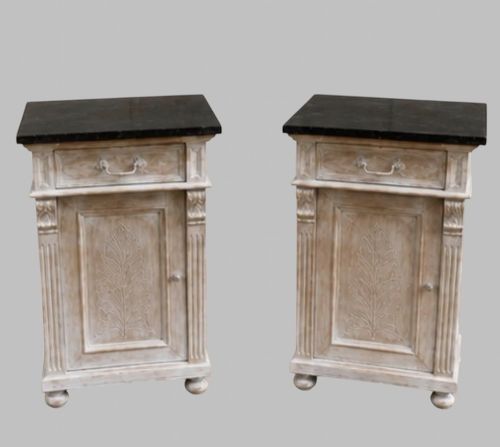
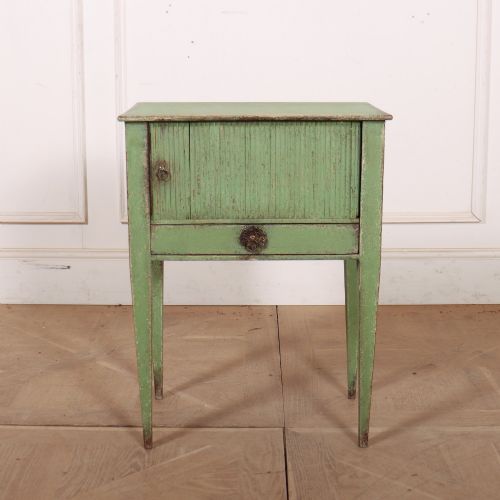
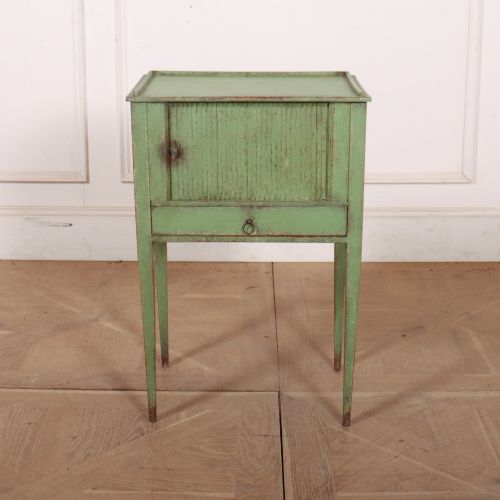
A painted wood pot cupboard is a practical bedside or small room cabinet designed to hold a chamber pot or daily necessities, usually featuring a single door and a top surface. Buyers searching for a painted wood pot cupboard will encounter pieces spanning from the eighteenth century through to the Victorian era and around nineteen hundred.
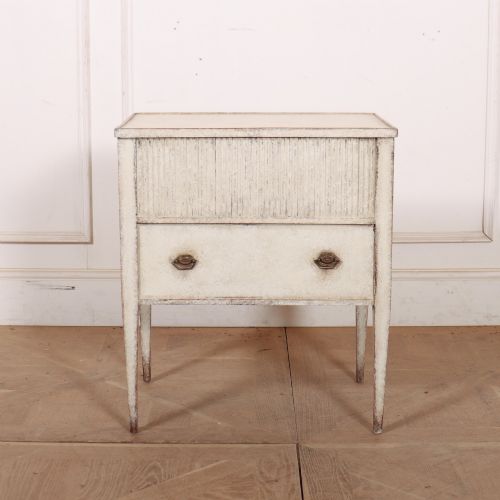
The selections on this page showcase a variety of regional interpretations, including Dutch provincial pieces, Swedish designs, French provincial styles, and English country examples. Forms range from simple bedside tables and cabinets to cylindrical stands and columned bedside cupboards, alongside related items such as dressers.
Nineteenth century examples are particularly prevalent, often displaying surface treatments like light grey paint or faux marble finishes. Whether looking for a matching pair of decorative cabinets or a single continental cupboard, the variety centres on practical domestic furniture from European and English traditions.
Materials and construction
Construction relies heavily on pine and softwood timbers, shaped into functional bedside cabinets and cylindrical stands. Wood provides the structural carcass for these compact cupboards, which are then finished with decorative paint layers rather than left as polished timber.
Surface decoration defines these pieces, utilising paint, grained finishes, and faux marble effects to elevate simple softwood foundations. Brass hardware often appears on doors and fittings, providing functional contrast to the painted wooden surfaces.
One cylinder cupboard stands out on this page disguised in a clever faux marble finish.
Assessing quality and finish
Quality in these cupboards rests primarily on the character of the painted surface and the integrity of the timber beneath. Original or period surface treatments hold more appeal than later resprays, as worn paint layers reveal the age and history of the cabinet.
Construction details such as solid pine framing, well-fitted doors, and hardware selection distinguish finer provincial pieces from simpler utility items. The subtlety of regional decorative styles, from Gustavian restraint to Dutch provincial detailing, also influences the standing of an individual cupboard.
Melissa White
The Painted Wood Pot Cupboard Glossary
- Pot cupboard
- A small bedside cabinet originally built to enclose a chamber pot behind a single door. These pieces now serve as versatile small tables for modern bedrooms.
- Pine
- A softwood commonly used in the construction of provincial and country furniture. It takes paint and graining finishes readily.
- Faux marble
- A decorative paint technique designed to imitate the appearance of real stone on wooden surfaces. This finish often appears on nineteenth century cylinder stands.
- Gustavian
- A Swedish neoclassical style characterised by pale painted finishes and restrained classical ornamentation. Pieces from this tradition offer a light aesthetic.
- Provincial
- Refers to furniture made in the regions outside a capital city, often displaying local traditions and simpler construction methods. Dutch and French provincial pieces demonstrate distinct regional characteristics.
Painted Wood Pot Cupboard: Frequently Asked Questions
What is a pot cupboard used for today?
These cabinets function ideally as bedside tables, offering a closed compartment to store books or personal items out of sight.
The flat top surface accommodates a lamp, a glass of water, or decorative objects while taking up minimal floor space in a bedroom.
How do I date a painted wooden cupboard?
Dating relies on examining the construction methods, timber types, and the composition of the paint layers.
Eighty-century and nineteenth-century pieces often display hand-cut joints and distinct wear patterns that reveal their age.
Are painted finishes original on these cabinets?
Some pieces retain their period or original paintwork, while others have been decorated at a later date to suit interior tastes.
Examining the depth and wear of the paint helps determine whether the surface finish dates from the era of manufacture.
What wood is underneath the paint?
Most provincial and nineteenth-century cupboards use pine or softwood as the primary timber for the carcass and panels.
Softwood was favored for its availability and ease of working, making it an ideal base for decorative painted finishes.