

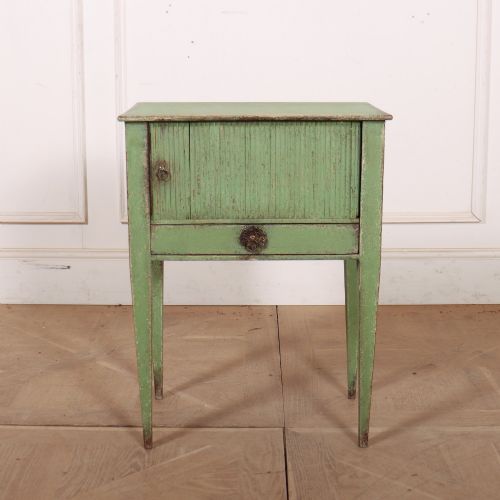
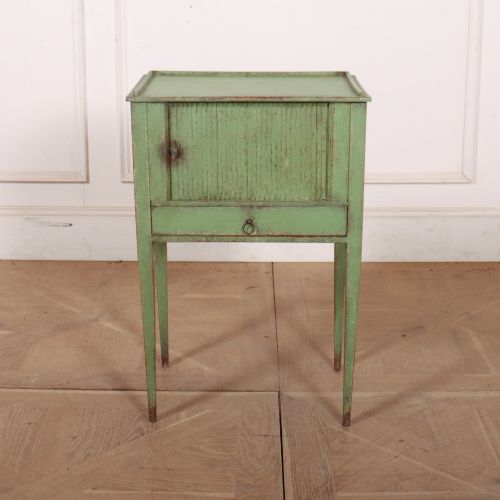
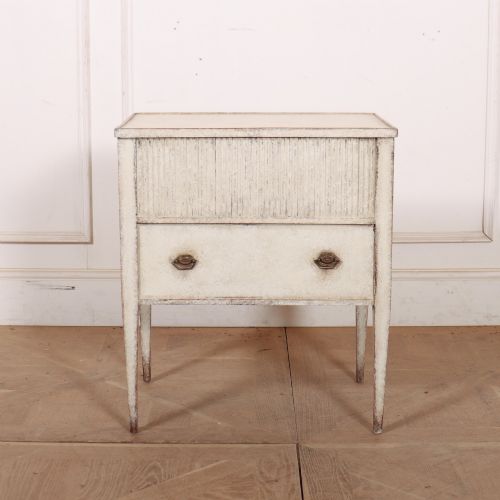
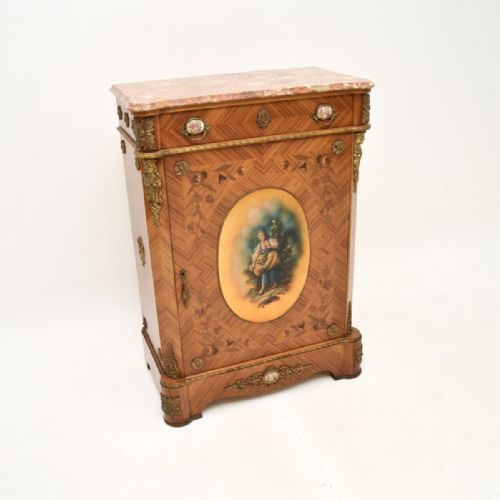


Painted Pot Cupboard
A painted pot cupboard brings practical bedside storage and decorative colour to a bedroom, drawing on nineteenth-century and twentieth-century traditions.
Painted Pot Cupboard
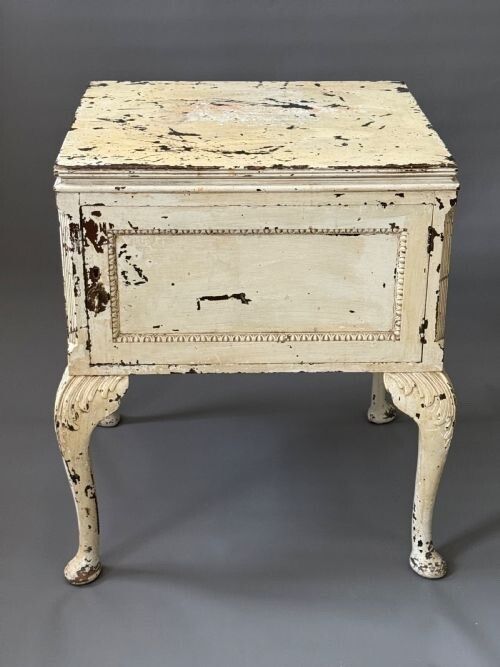
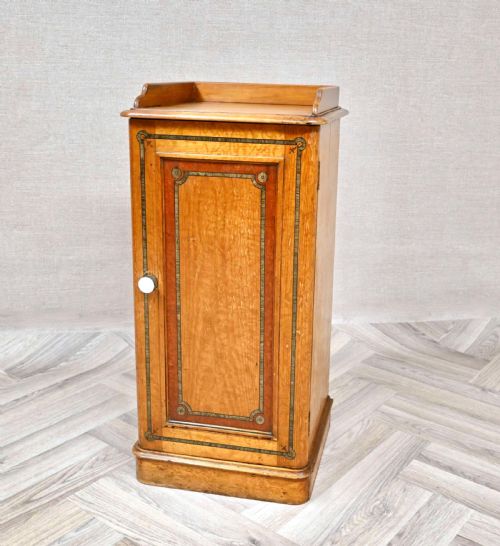
When you search for a painted pot cupboard, you encounter compact bedside storage pieces spanning the eighteenth, nineteenth, and early twentieth centuries. These take the form of bedside cabinets, tables, and single-door cupboards designed originally to house a chamber pot.
The pieces on this page appear in various regional styles including French, Dutch, Swedish, and Hungarian, alongside English Victorian examples. Pine, oak, and mahogany form the structural carcases, while the surfaces carry historic or applied paint finishes.
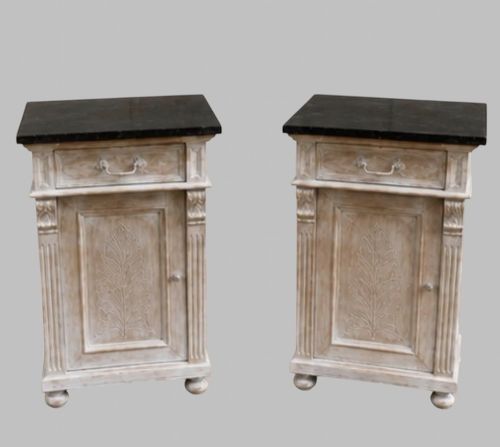
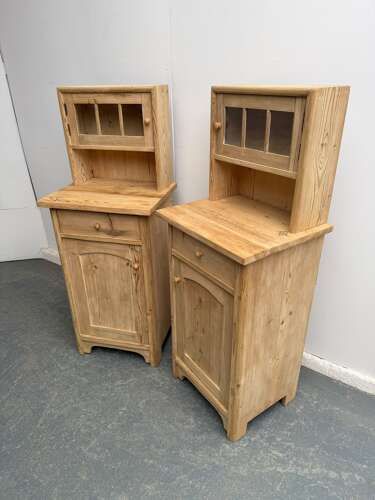
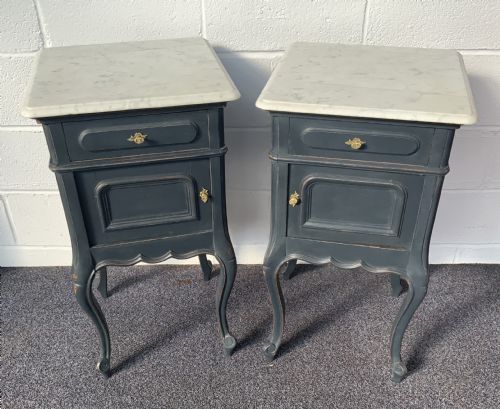
Pairs appear frequently alongside single cabinets, offering symmetrical bedside placement. Many incorporate marble tops, ceramic elements, or brass hardware, reflecting the domestic habits of their respective periods.
How they were made
Carpenters constructed these cupboards primarily using solid timber such as pine, oak, and mahogany, frequently combining woods within a single piece. Joinery relied on traditional methods suited to small domestic furniture.
Surfaces were prepared and finished with layered paint, ranging from early graining and gilt details to later painted tones. Certain models incorporate inset marble tops and zinc surfaces to provide durable, water-resistant tops.
Regional variations on this page include French, Dutch, Swedish, Hungarian, and English provincial traditions.
What varies in quality
The distinction between standard domestic utility pieces and finer examples rests on the integrity of the original timber and the sophistication of the painted surface. Pieces retaining their early or original paint schemes hold greater character than later, heavy-handed overpainting.
Structural refinement shows in the quality of the joinery, the weight of the timber, and the presence of integrated stone or marble tops. Subtle details such as carved columns, original brass handles, and balanced proportions elevate certain provincial cabinets above basic workshop output.
Maple & Co·Melissa White
The Painted Pot Cupboard Glossary
- Pot cupboard
- A small bedside cabinet originally designed to house a chamber pot behind a single door. These compact units now serve as general bedside storage.
- Upstand
- A low vertical barrier raised along the back and sides of a cabinet top to prevent items from slipping off. This feature is common on Victorian pine bedside pieces.
- Graining
- A decorative painting technique applied to timber surfaces to imitate the appearance of more expensive or exotic woods. This finish was widely used during the nineteenth century.
- Marble top
- A polished stone slab fitted to the upper surface of a cabinet to provide a durable, heat-resistant, and easily cleaned shelf. French and Victorian pieces frequently incorporate this element.
- Gustavian
- A Swedish neoclassical style characterised by pale painted finishes, restrained carving, and functional elegance. Pieces from this tradition often feature soft grey or neutral paint layers.
Painted Pot Cupboard: Frequently Asked Questions
What is a painted pot cupboard?
A painted pot cupboard is a small bedside cabinet originating from the eighteenth to early twentieth centuries, built to hold a chamber pot. They now function as decorative bedside tables with enclosed storage.
Most examples are constructed from pine, oak, or mahogany and finished with historic or contemporary paint layers.
How were they used historically?
These cabinets stood beside the bed to keep a chamber pot concealed out of sight overnight. Their enclosed compartments and flat tops provided convenient bedside utility.
Over time, their internal purpose shifted as domestic plumbing modernised, turning them into standard bedside tables for lamps and books.
Are pairs common for bedside use?
Matching pairs appear regularly across nineteenth and early twentieth-century listings, particularly among French and Swedish cabinets. Symmetrical pairs suit modern bedroom layouts well.
Single cabinets also appear frequently, offering individual character as standalone accent pieces.
How do I identify the period?
Dating relies on timber selection, construction methods, and stylistic cues such as Victorian column details or Gustavian proportions. Paint layers and hardware also offer strong chronological indicators.
Nineteenth-century pieces often utilise heavy pine or mahogany, while earlier eighteenth-century examples display distinct regional provincial joinery.