


White Painted Bedside Tables
White painted bedside tables bring subtle light and historic charm to a bedroom, combining practical surfaces with soft finishes.
White Painted Bedside Tables
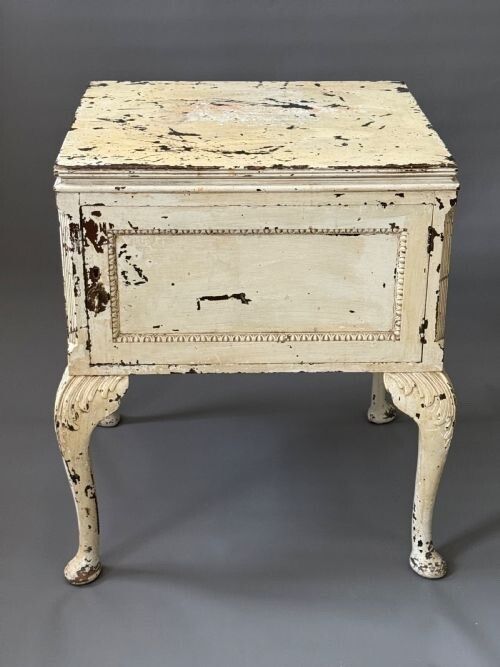
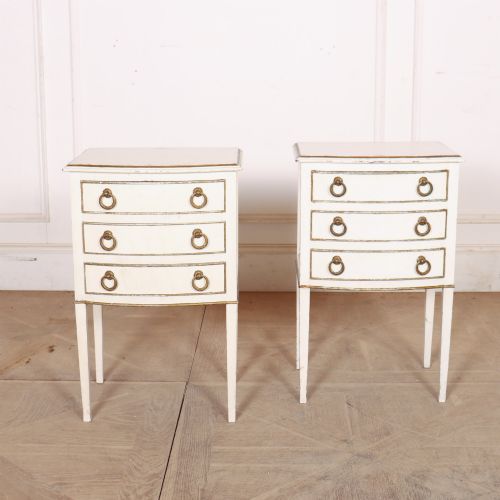
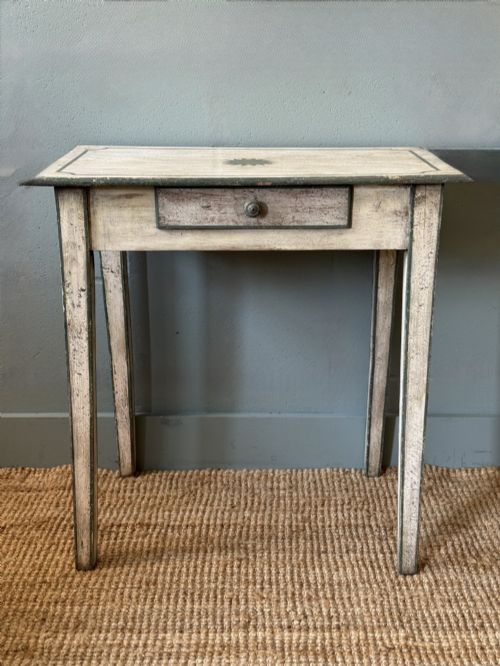
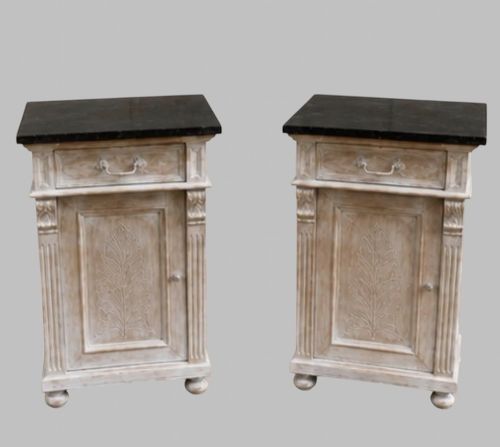
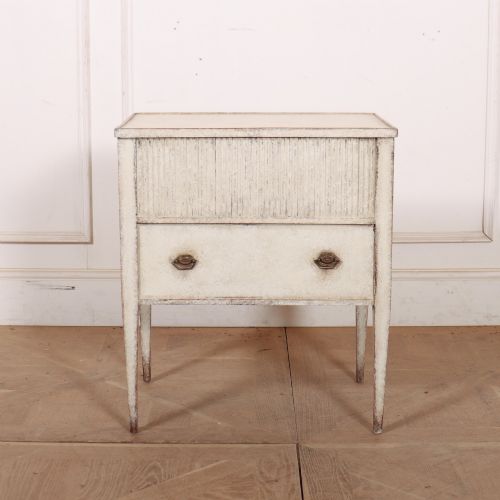
White painted bedside tables encompass compact cabinets, chests, and lamp tables dating from the nineteenth century into the early twentieth century. These pieces appear in varied regional aesthetics, including French provincial, Gustavian, English country, and Louis XVI style, often taking the form of bedside cupboards, side tables, and small chests of drawers.
A buyer seeking white painted bedside tables will frequently encounter pairs featuring painted wood finishes, sometimes accented with marble tops or brass hardware. The selection includes items originating from England, France, Sweden, and the Netherlands, reflecting diverse cabinet-making traditions from different eras.
How they were made
Makers constructed these tables from solid timbers such as mahogany, pine, fruitwood, and general wood substrates before applying layers of paint to achieve the characteristic white or light surface. Artisans integrated functional elements including single doors, drawers, and occasionally contrasting black marble tops.
Surface decoration frequently involved layered paint techniques, with some examples displaying decorative motifs aligned with Chinoiserie or traditional continental styles. Structural assembly relied on period joinery appropriate for domestic furniture of the nineteenth and early twentieth centuries.
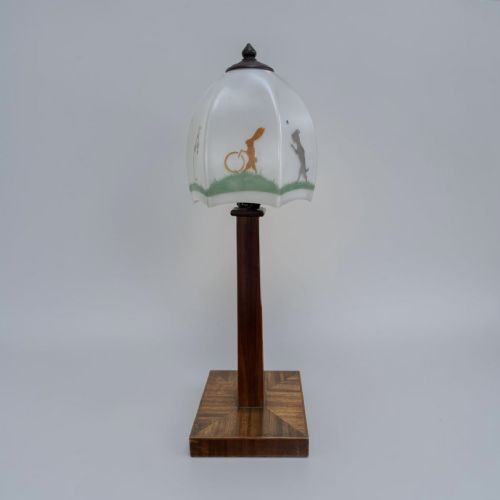
Several items double as lighting, proving that past generations appreciated a bedside table that could also hold court as a lamp.
What varies in quality
Quality in these pieces rests upon the integrity of the underlying timber construction and the proportion of the original form. Tables retaining balanced proportions and well-executed joinery demonstrate superior craftsmanship compared to simpler utility items.
The character and condition of the painted surface significantly influence the overall appeal, particularly where layered historical finishes or integrated decorative details remain intact. Inclusion of quality secondary materials like marble tops or brass fittings elevates the standing of individual pieces within the range.
Melissa White
The White Painted Bedside Tables Glossary
- Gustavian
- A Swedish neoclassical style originating in the late eighteenth century characterised by restrained ornamentation and pale painted finishes. This aesthetic heavily influences Scandinavian pieces found in this category.
- Louis XVI Style
- A classical French design tradition marked by straight lines, symmetry, and restrained architectural details. Pieces in this style often feature refined proportions and subtle painted decoration.
- Demi Lune
- A half-moon shape used for console tables and small bedside surfaces designed to sit flush against a wall. This form maximises floor space in compact bedrooms.
- Canterbury Cupboard
- A traditional small cabinet featuring a single door for bedside or occasional storage. These enclosed units kept night-time essentials neatly out of sight.
White Painted Bedside Tables: Frequently Asked Questions
How do I choose the right height for a bedside table?
The surface of the table should sit roughly level with the top of your mattress for comfortable access during the night. Measuring your bed height before selecting a cabinet ensures practical daily use.
Compact nineteenth-century cupboards and lamp tables vary in elevation, so checking dimensions prevents awkward mismatches with modern bed frames.
Are painted wooden bedside tables durable for daily use?
Painted wooden furniture has endured for over a century, demonstrating solid resilience when treated with reasonable care. Solid timbers beneath the paint provide robust structural integrity.
Placing coasters on the surface protects the painted finish from moisture marks and everyday wear over time.
How can I tell a nineteenth-century piece from a later one?
Nineteenth-century examples typically display traditional hand-cut joinery, older timber characteristics, and signs of age within the interior construction. Closer inspection of the paint layers often reveals subtle crazing or natural wear consistent with older materials.
Early twentieth-century items from periods like the 1920s or 1930s introduce slightly different hardware styles and cleaner internal manufacturing methods.
How do I care for antique painted furniture?
Dusting the surface regularly with a soft, dry cloth prevents the accumulation of grit that might scratch the paintwork. Avoid harsh modern chemical cleaners that can degrade historic surface finishes.
Maintaining stable room humidity protects both the underlying wood and the painted exterior from splitting or flaking.