

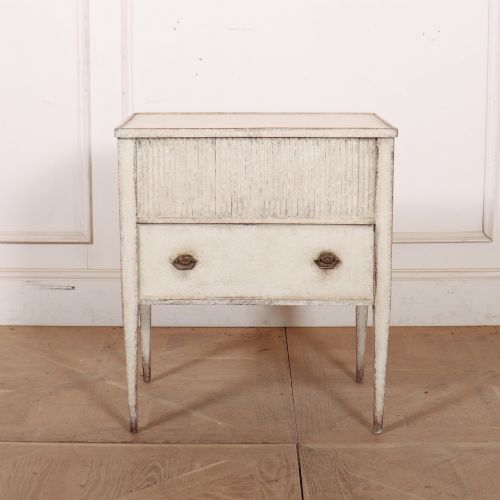


Cream Painted Nightstands
Cream painted nightstands are useful bedside storage pieces finished in pale paint, offering period character and practical surface space.
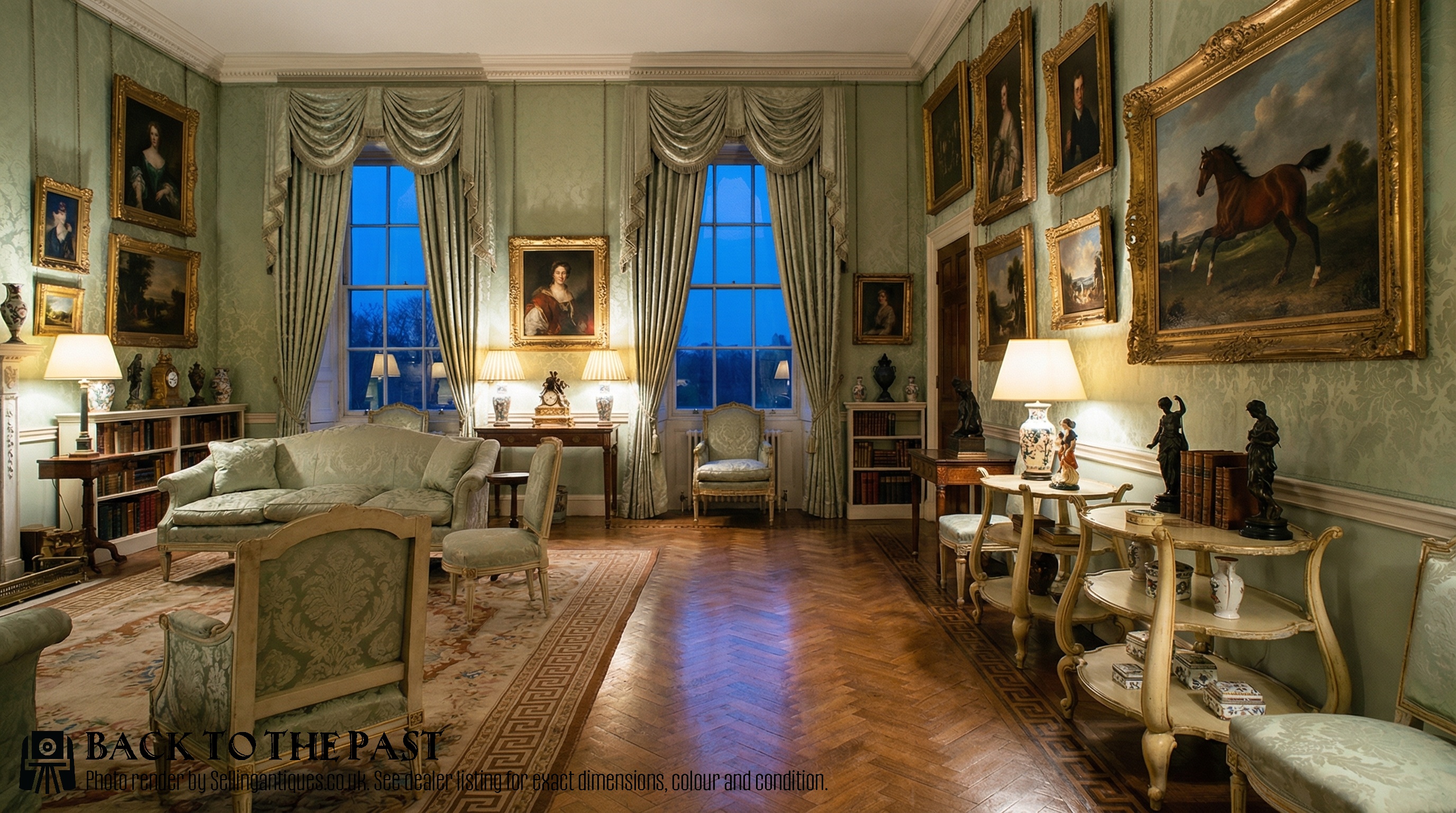
Cream Painted Nightstands
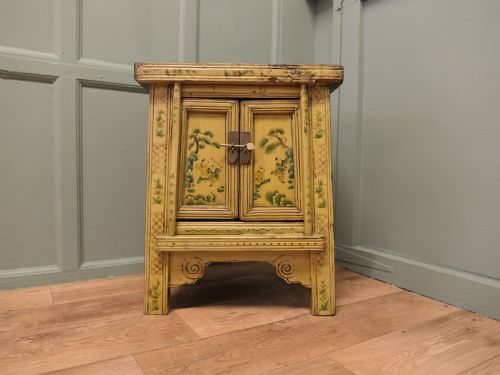
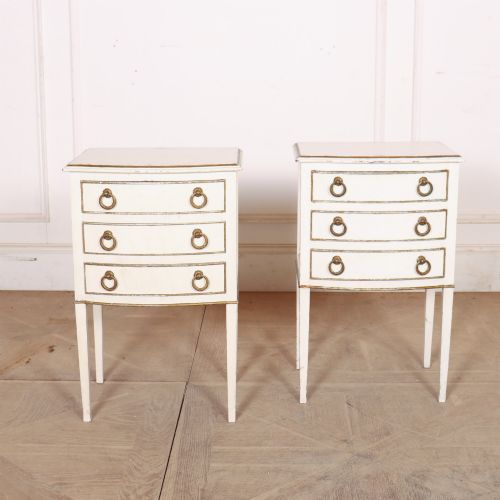
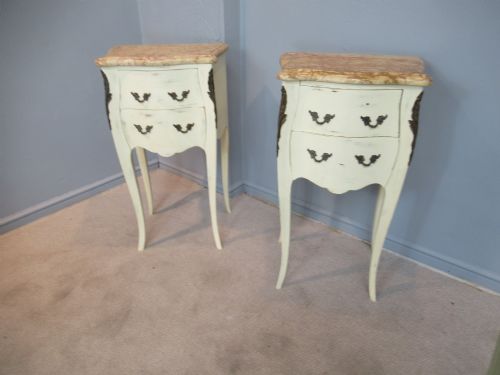
Cream painted nightstands encompass a variety of bedside tables, cabinets, and lamp chests originating from the nineteenth and early twentieth centuries. These pieces arrive in styles such as French Chateau, Louis XVI, Gustavian, and Chinoiserie, reflecting continental European craftsmanship.
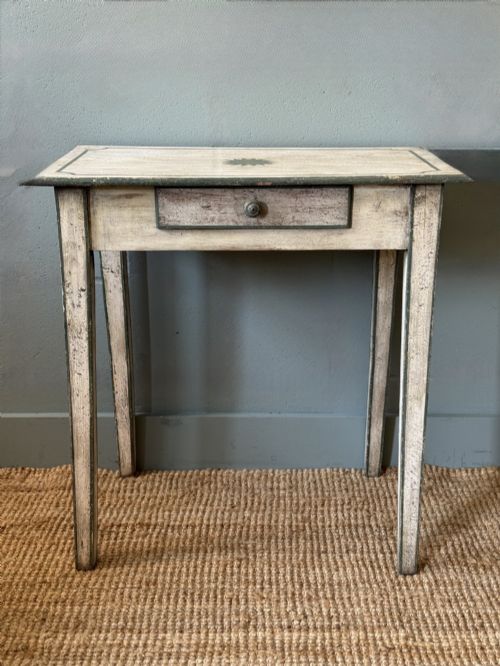
Buyers most frequently meet matching pairs dating from around 1920, often constructed as bedside chests or lamp tables. Alongside these, single nineteenth-century cabinets and cupboards appear, showcasing painted wood finishes with occasional gilt details.
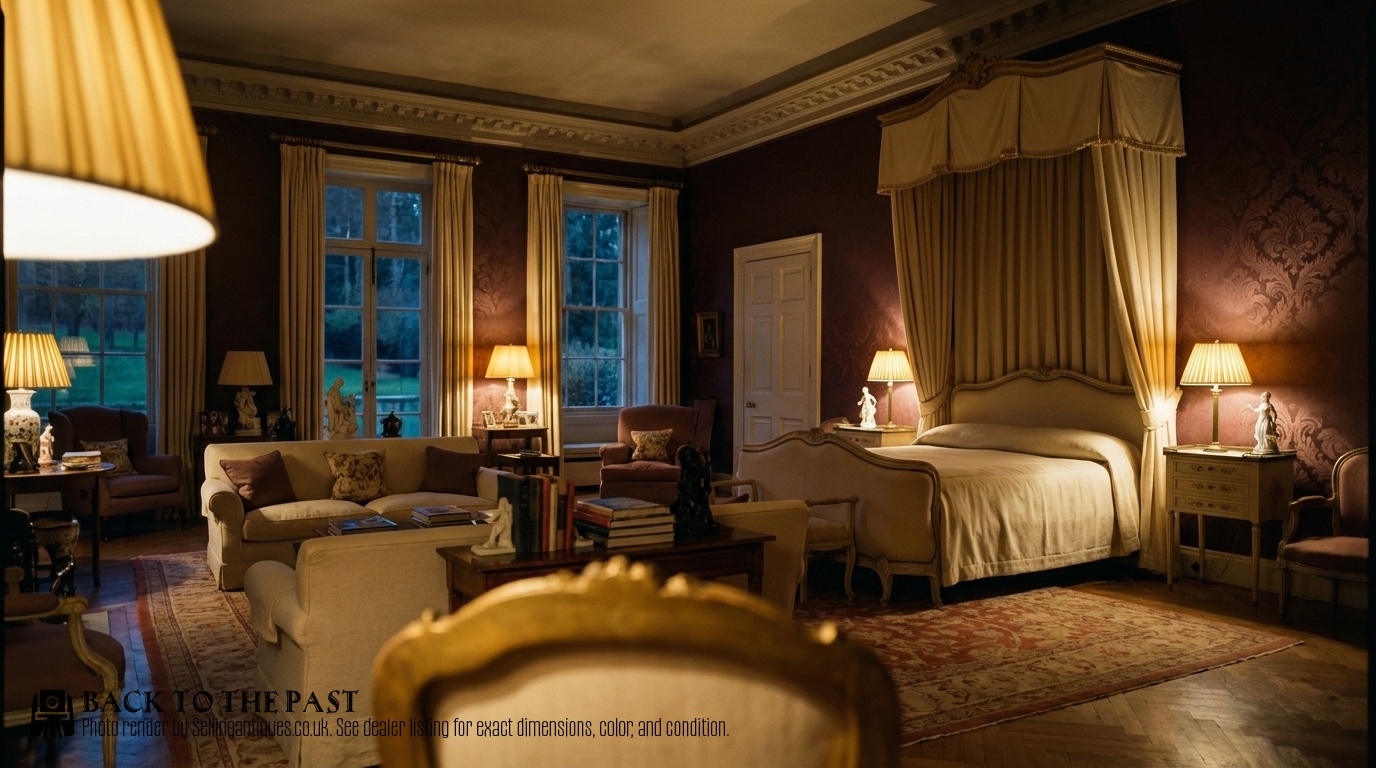
How they were made
Makers utilised painted wood as the primary medium, applying layers of pale paint to create durable cream surfaces. Certain pieces incorporate carved wooden details, while others feature applied gilt wood or metallic elements for decorative contrast.
Construction methods rely on traditional cabinet-making techniques suited to domestic furniture of the nineteenth and early twentieth centuries. Surviving examples often display hand-applied painted finishes that have aged over decades of use.
Cream Painted Nightstands Retail Price Guide 2026
Typical asking prices for cream painted nightstands among the pieces listed under this phrase on Sellingantiques today, from the lower quarter to the upper quarter. They describe what is for sale here now, not the wider market.
Several bedside chests arrive with royal aspirations, having survived alongside a French Emperor carved bed.
What varies in quality
The sophistication of the painted finish and decorative detailing distinguishes finer examples from simpler utilitarian pieces. Original period paintwork and delicate hand-painted motifs or gilding indicate a higher standard of craftsmanship.
The structural integrity of the timber and the harmony of paired items influence the overall desirability of the furniture. Cohesive proportions and authentic period hardware contribute significantly to the standing of an individual piece.

The Cream Painted Nightstands Glossary
- Chinoiserie
- European decorative style inspired by Chinese artistic traditions, frequently featuring painted motifs on furniture. This technique appears on nineteenth-century cabinets.
- Gustavian
- Swedish neoclassical style characterised by pale paint finishes and restrained classical ornamentation. Pieces from this tradition often present light cream surfaces.
- Neoclassical
- Design movement drawing inspiration from classical antiquity, notable in French and continental furniture. It manifests through symmetrical forms and measured carving.
- Gilt wood
- Timber treated with gold leaf or metallic paint to highlight specific decorative elements. This finish adds brightness to bedside cabinets and lamp tables.
Cream Painted Nightstands: Frequently Asked Questions
What periods do these nightstands come from?
The available pieces span the nineteenth century and the early twentieth century, with notable representation from the 1860s through to the 1930s.
Most items date from the early twentieth century, particularly around 1920, reflecting continental European production.
Are pairs common for these tables?
Many listings consist of matched pairs, particularly among the early twentieth-century French and Swedish bedside chests.
Single cabinets also appear, offering individual bedside storage options alongside lamp tables and side tables.
Which regional styles are available?
The selection includes French styles such as Louis XVI, French Provincial, and French Chateau, alongside Swedish and Dutch designs.
Each regional tradition brings distinct decorative touches, from Gustavian restraint to Chinoiserie ornamentation.
What materials are used in construction?
Painted wood forms the foundation of these pieces, often enhanced with gilt, brass, or marble elements depending on the style.
The surface finishes range from simple painted timber to elaborate decorated schemes with gilded accents.