
Antique Painted Box
An antique painted box brings centuries of decorative craft and practical storage into a room, offering everything from tiny pocket snuff boxes to large country pine trunks.
Antique Painted Box
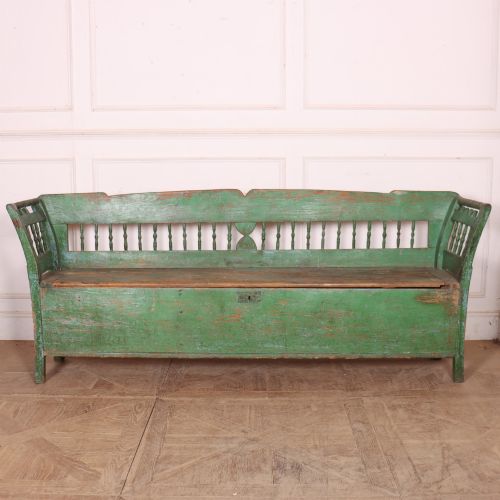
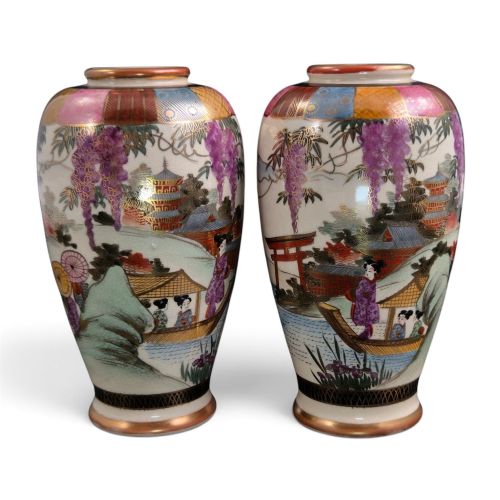
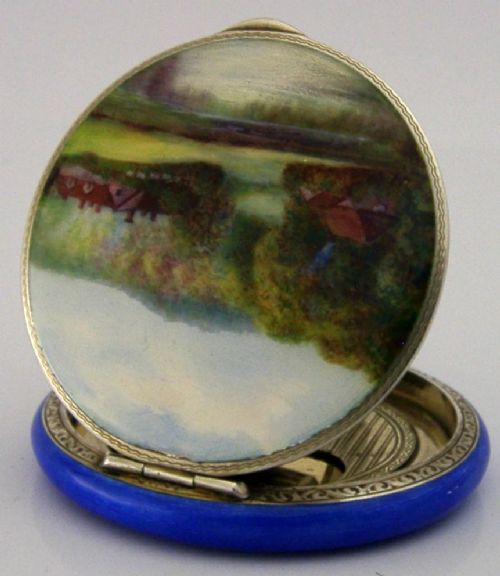
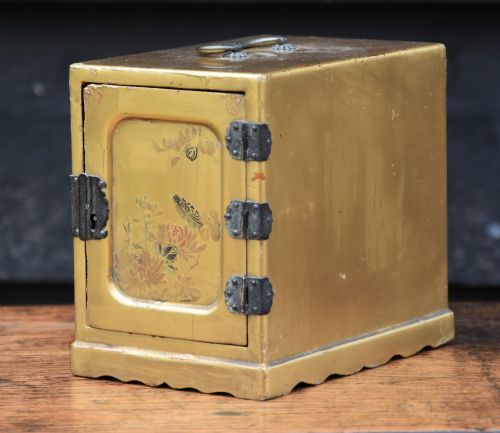
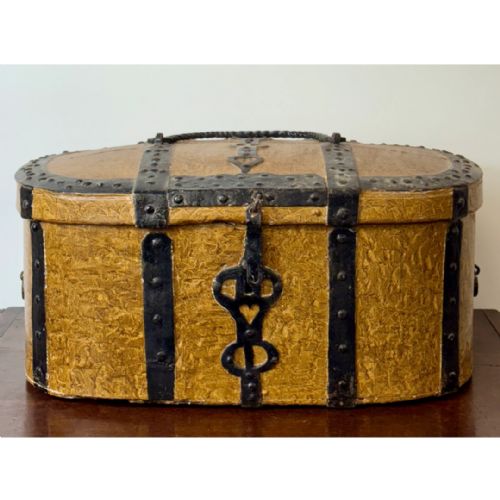
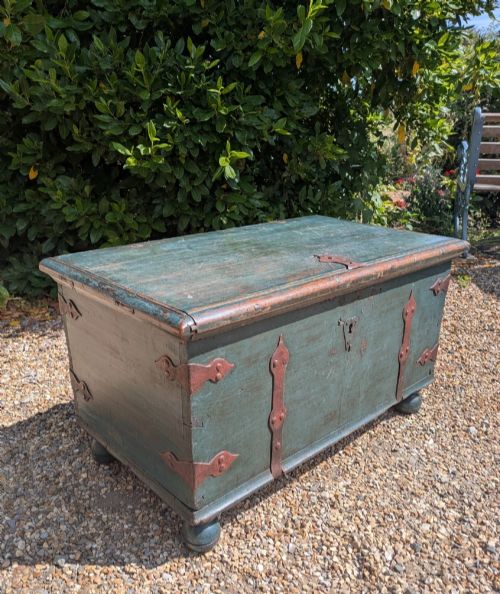
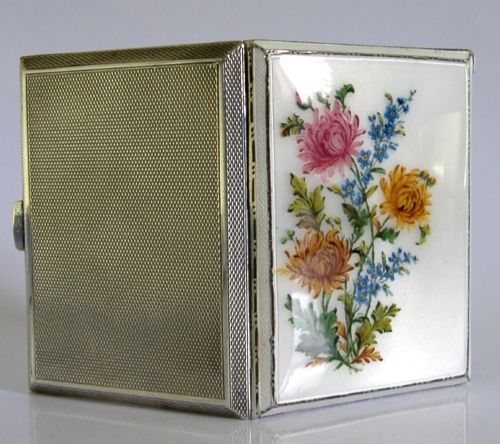
When searching for an antique painted box, buyers encounter an extensive array of domestic objects spanning utilitarian pine storage chests, delicate pocket-sized enamel containers, and folk art pieces. The selection on this page ranges from Georgian and Victorian pine blanket chests and Swedish folk art trunks to intricate Edwardian silver and enamel cigarette cases, Japanese lacquerwork, and small desktop writing boxes.
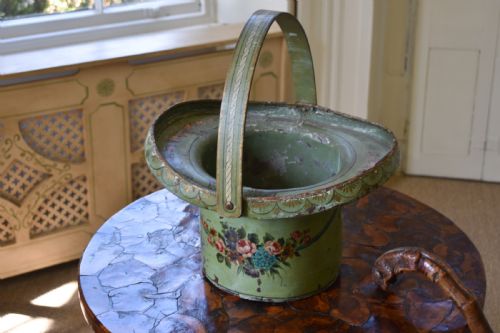
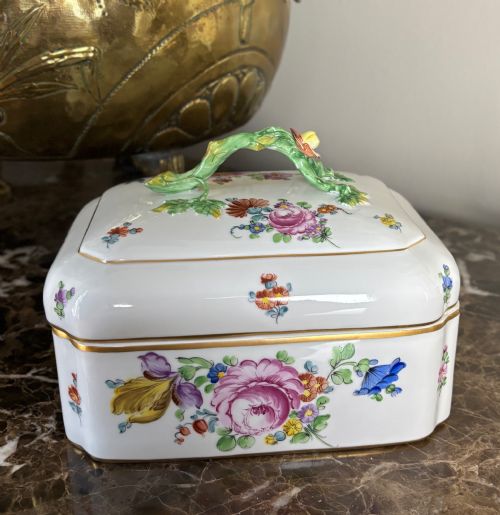
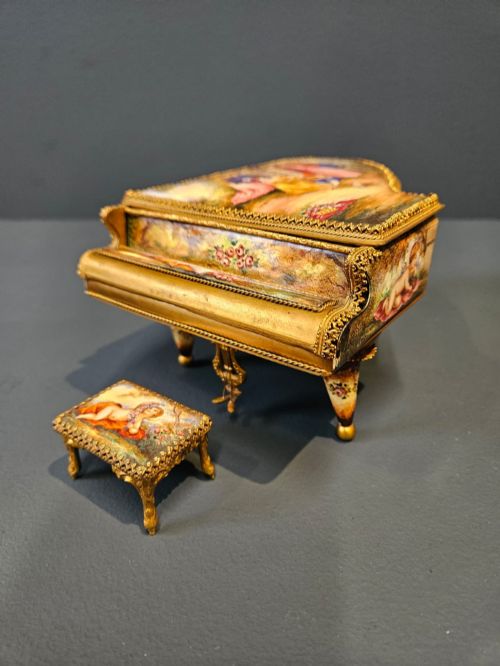
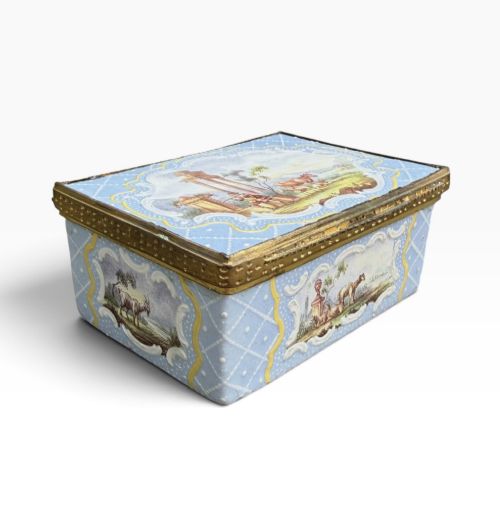
Domestic pine storage pieces, particularly those originating from English country houses or Scandinavian farmhouses, form a large portion of the larger utilitarian vessels available. Smaller decorative items, including Bilston and Dresden enamel boxes, French tôleware tin boxes, and horn or treen pocket containers, represent the more intimate side of painted smalls.
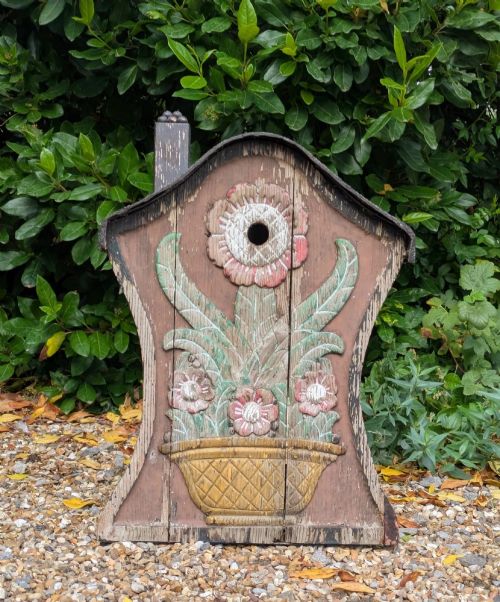
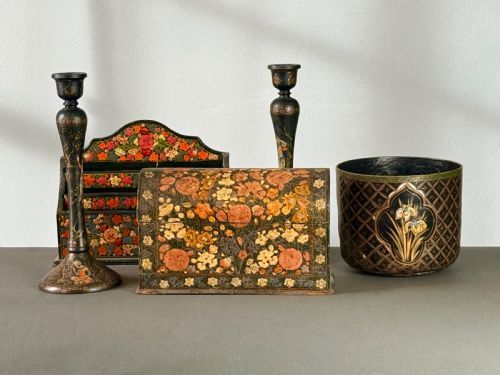
The decorative styles applied to these surfaces stretch across regional folk art traditions, Rococo Revival motifs, and formal Victorian ornamentation. Buyers select these items for their functional storage capabilities as well as their surviving decorative paint surfaces, which often retain original patination.
Materials and Technique
Makers constructed these vessels using native and exotic woods such as pine, cedar, and oak, alongside metals like iron, brass, pewter, and sterling silver. Surface decoration frequently involved oil paints, lacquers, and hand-applied pigments over prepared timber, porcelain, or metal bases.
Hardware such as hand-forged iron strapwork, brass hinges, and ormolu mounts were integrated directly into the construction of heavier trunks and coffers. Smaller pieces like enamel and porcelain boxes relied on fired mineral pigments fused to metal or ceramic substrates, occasionally complemented by gilding.
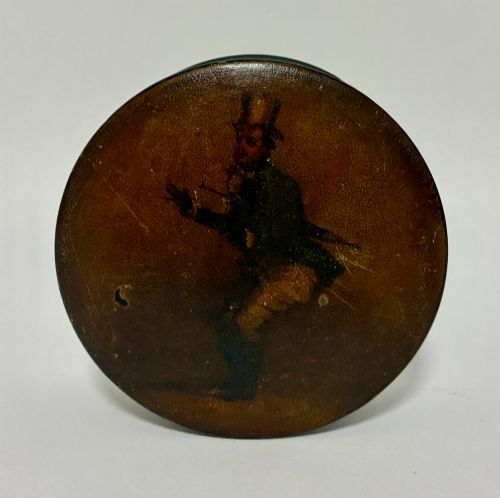
Several pocket boxes bear the inscription 'Taken Short', offering a witty glimpse into nineteenth-century humour.
Assessing Quality
The primary distinction between standard examples and superior pieces lies in the originality and preservation of the surface paint. Trunks and boxes retaining their untouched, first-period paint layers command greater interest than those subjected to later overpainting or heavy stripping.
Construction methods also dictate grade, with hand-dovetailed joints, robust forged iron strapwork, and well-fitted internal compartments marking out superior craftsmanship. In smaller items, the crispness of the hand-painted miniature work or the quality of the enamel and metal mounting separates basic production from masterwork.
Vishnyakov Workshop·Eade and Son
The Antique Painted Box Glossary
- Tôleware
- Lacquered or enamelled sheet metalware produced extensively in France and Britain during the eighteenth and nineteenth centuries. These items were often hand-painted with floral or pastoral scenes for domestic use.
- Kodansu
- A traditional Japanese small cabinet or box featuring intricate lacquerwork, often highlighted with gold leaf or metal fittings. These pieces were utilised for storing precious personal items and documents.
- Treen
- Small handmade wooden domestic objects fashioned by turners and woodworkers. Examples frequently include early pocket boxes, sewing accessories, and snuff containers.
- Strapwork
- Ornamental bands of metal, often hand-forged from iron, applied to chests and trunks to reinforce structural corners and joints. This hardware frequently serves as both a functional brace and a decorative feature.
Antique Painted Box: Frequently Asked Questions
What were antique painted boxes originally used for?
These vessels served a multitude of domestic, travel, and personal storage needs across different social strata. Larger pine chests held bedding, documents, and household provisions in rural farmhouses and town homes.
Smaller containers fulfilled specialised roles on dressing tables and desks, safely housing trinkets, writing equipment, tobacco, and snuff for daily personal use.
How can I tell if the paint is original?
Examining the surface under natural light reveals the microscopic craquelure, wear patterns, and tonal depth associated with age. Original paint typically shows consistent integration with the underlying wood or metal substrate, displaying natural losses and softening around high-touch areas rather than flat, uniform modern coverage.
Traces of underlying primer, subtle pigment fading, and accumulation of dirt in the recesses further support the presence of a genuine historical surface.
How do I care for a painted wooden box?
Maintenance requires keeping the object away from direct sunlight, extreme temperature fluctuations, and high humidity, which can cause timber to split and fragile paint to lift. Regular dusting with a soft, dry cloth is sufficient to preserve the surface.
Polishes and modern chemical cleaners should be avoided entirely, as they can permanently dissolve or stain historical oil and lacquer finishes.
What is the difference between folk art and formal painted boxes?
Folk art pieces were typically produced by regional craftsmen or household makers utilising accessible materials like pine and simple pigments. They exhibit charming naivety, bold local motifs, and direct utility.
Formal pieces, conversely, reflect academic design trends, employing refined materials like porcelain, sterling silver, or exotic veneers, and professional miniature painting techniques executed by trained artisans.