
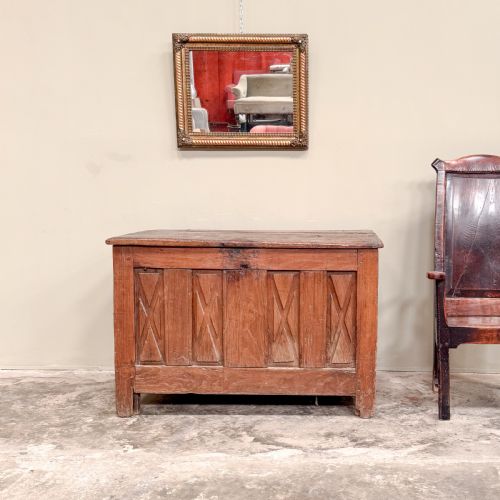
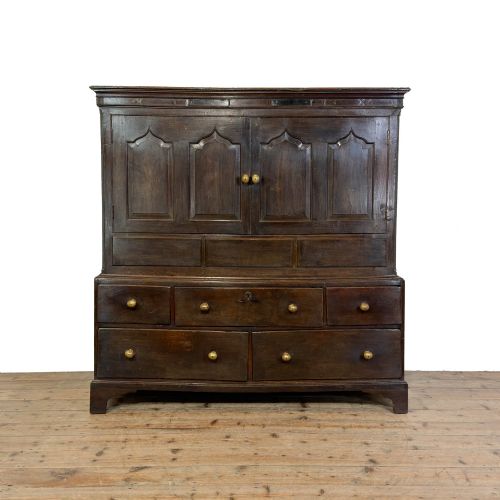
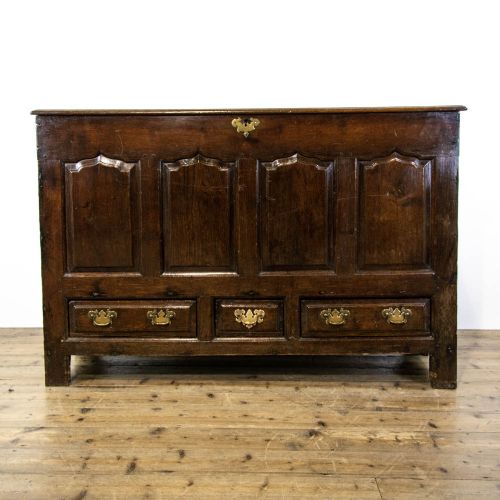
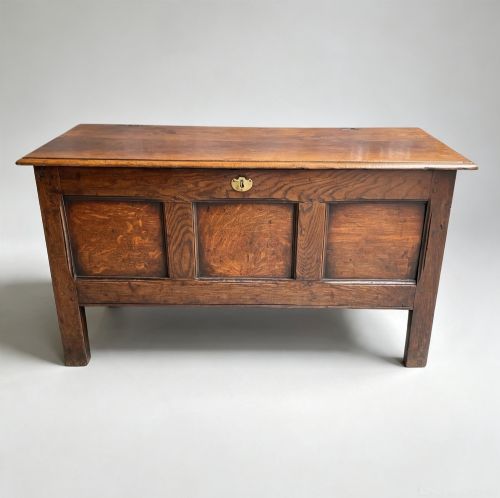
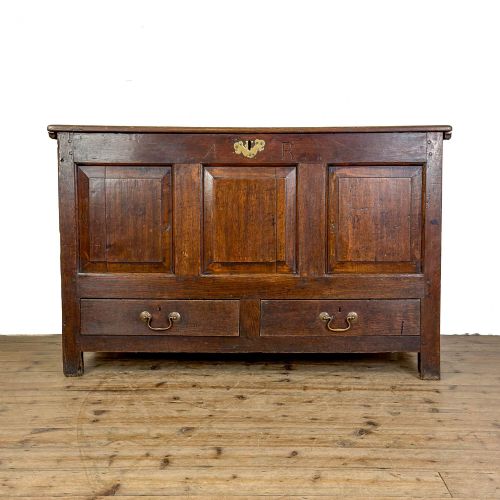

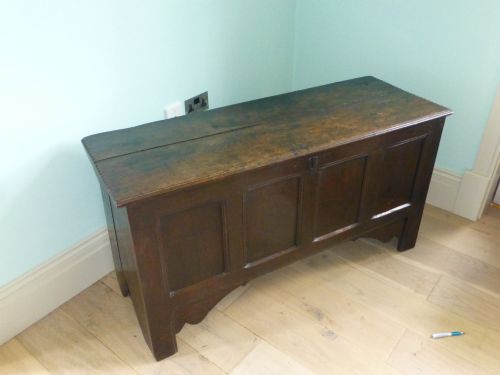
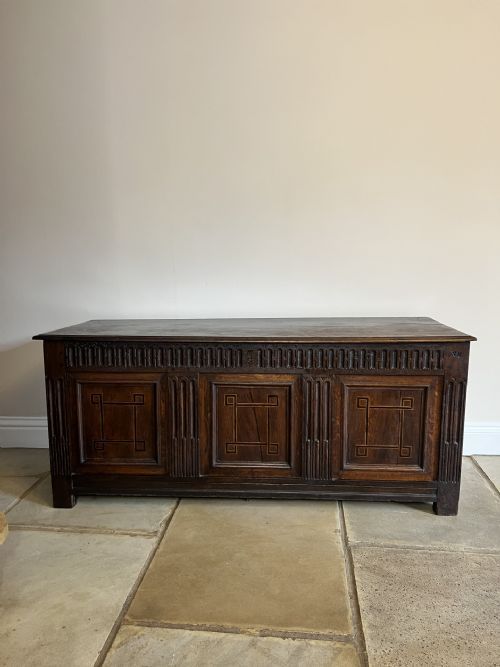
Country Oak Blanket Box
A country oak blanket box brings centuries of vernacular craft into a room, offering robust storage built from timber that deepens in character over time.
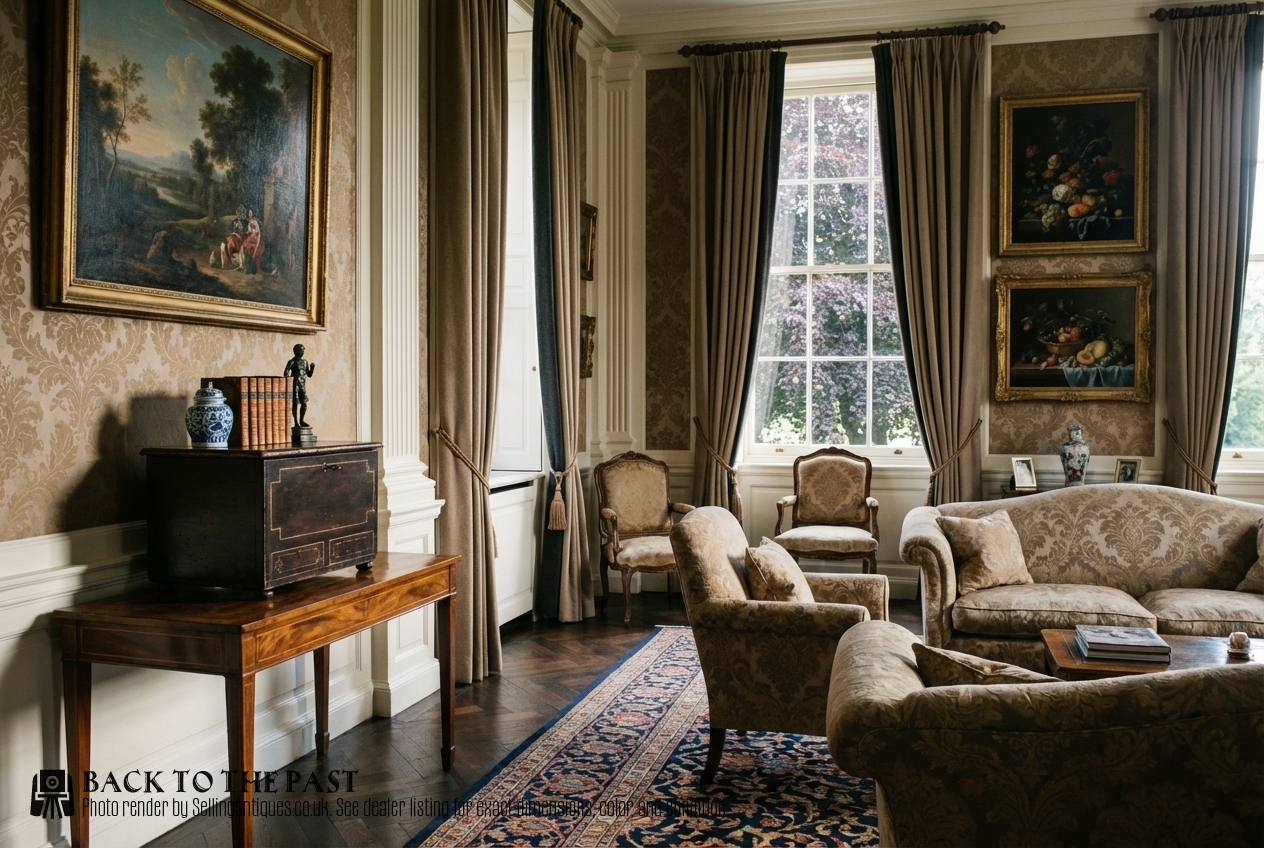
Country Oak Blanket Box
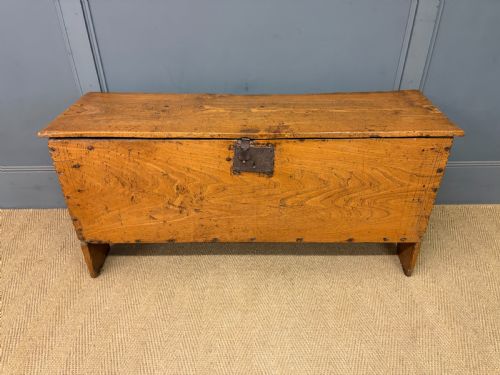
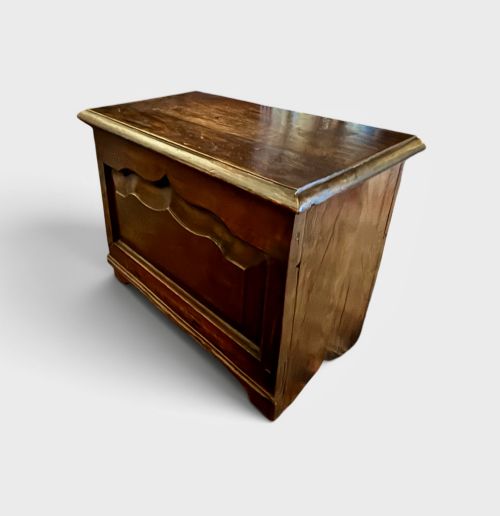
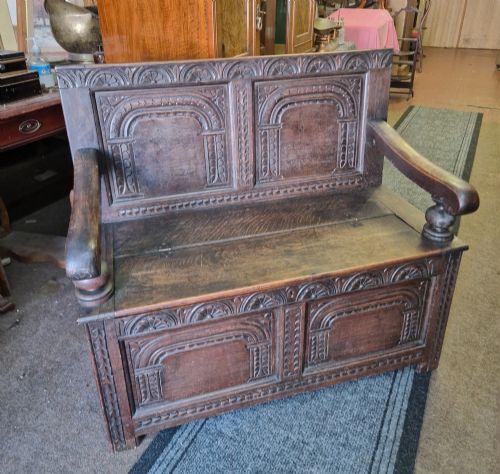
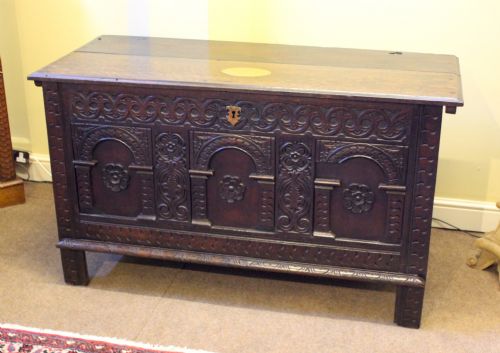
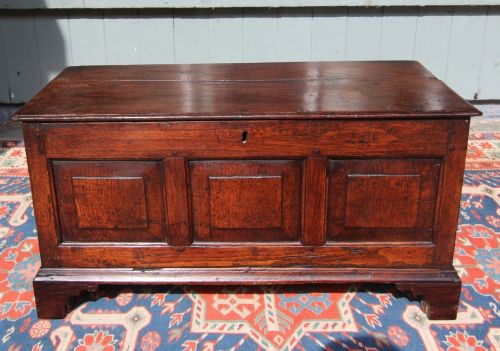
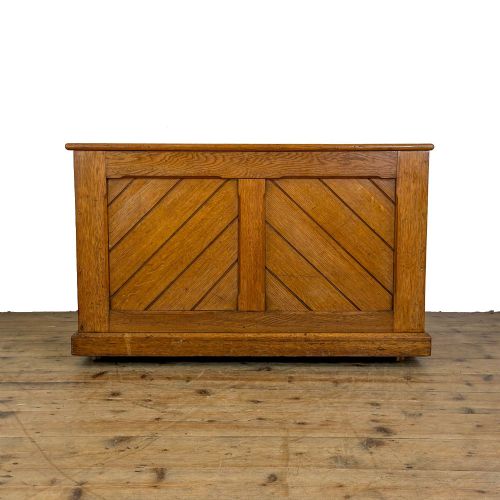
A country oak blanket box serves as a functional storage chest rooted in regional traditions, frequently appearing as coffers, mule chests, and smaller coffer bach variants. The pieces span periods from the sixteenth century through the Georgian era and into the twentieth century, reflecting domestic utility across generations.
Most examples encountered here are oak, occasionally supplemented by elm, pine, and painted wood, with regional British and Welsh vernacular styles predominating. These boxes were essential household furnishings designed to store linens, garments, and valuables securely.
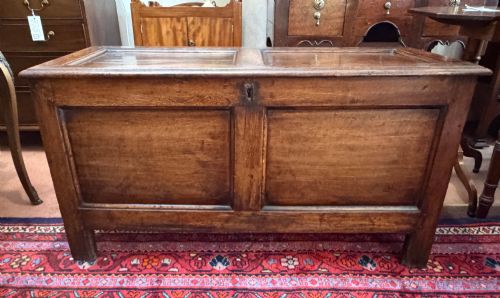
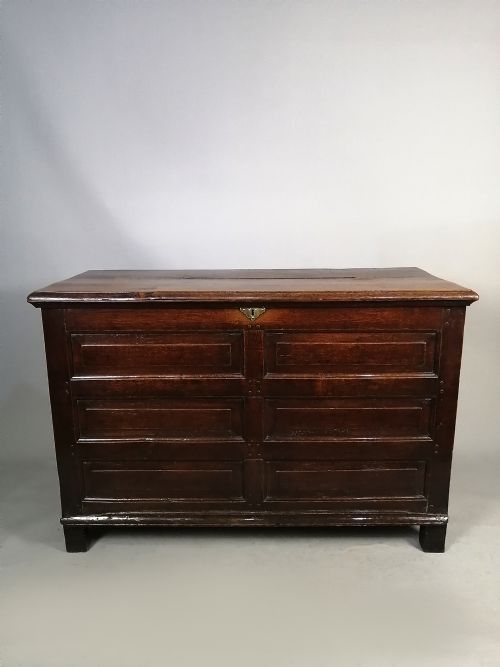
Buyers find forms ranging from boarded coffers to joined panel structures and mule chests fitted with lower drawers. Each piece carries the marks of its specific regional origin, from Snowdonia grain arks to Carmarthenshire pieces.
Materials and construction methods
Makers utilised solid oak as the primary timber, sometimes incorporating secondary woods like elm and pine for internal elements or panels. Construction relied on sturdy joinery, including panelled frames and pegged joints rather than modern adhesives.
Iron, wrought iron, and brass provided functional hardware such as hinges, lock plates, and carrying handles. Surfaces often display carved detailing, linen fold panels, or simple board construction shaped by hand tools.
Secret drawers hidden within these chests offered resourceful households a private place to stash coins and documents away from prying eyes.
Assessing quality in country oak
Quality rests in the integrity of the timber and the honesty of the construction, where substantial oak boards retain their original thickness and structural balance. Subtle variations in hand carving, the presence of internal candle boxes, and untouched surface patination separate standard regional work from finer examples.
The survival of original ironwork, feet, and operational hinges influences the standing of a piece. Better examples show minimal timber replacement and retain the deep, honest colour developed through centuries of domestic use.
The Country Oak Blanket Box Glossary
- Coffer
- A traditional heavy storage chest, usually made of oak, used for keeping valuables and textiles safe. These pieces often feature hinged lids and boarded or panelled construction.
- Mule chest
- A regional storage chest featuring one or more drawers beneath the main lift-top compartment. This form bridges the gap between the traditional coffer and the modern chest of drawers.
- Linen fold
- A style of decorative wood carving resembling folded parchment or linen, frequently seen on sixteenth and seventeenth-century panels. This technique adds texture to otherwise plain timber surfaces.
- Grain ark
- A specialised vernacular wooden chest historically utilised for storing grain or dry foodstuffs in rural agricultural settings. These pieces showcase utilitarian regional craftsmanship from areas like Snowdonia.
Country Oak Blanket Box: Frequently Asked Questions
What was a country oak blanket box used for?
These chests functioned primarily as secure storage for household textiles, garments, and valuable possessions in domestic settings. Their sturdy lids also allowed them to serve as seating benches when space was at a premium.
In agricultural and rural homes, variations like mule chests and grain arks accommodated specialised storage needs, keeping contents safe from dampness and pests.
How do I date an antique oak coffer?
Dating relies on examining construction methods, tool marks, joinery styles, and hardware. Early pieces from the sixteenth and seventeenth centuries typically feature boarded construction or heavy pegged framing, while later Georgian examples introduce fitted drawers and refined mouldings.
Timber shrinkage, hand-cut nails, and the evolution of lock plates also provide reliable chronological indicators for experienced observers.
Where were most country oak chests made?
Many examples originate from regional workshops across Britain, with a distinct concentration of surviving pieces hailing from Welsh valleys and rural English counties. Local cabinet makers utilised readily available regional timber, imparting distinct stylistic traits tied to specific localities.
French and other continental provincial workshops also produced comparable storage pieces that reached British households through trade and travel.
How do I care for antique oak furniture?
Maintain stable indoor humidity levels and keep wooden chests away from direct heat sources and strong sunlight to prevent timber splitting or warping. Dust gently with a dry or slightly damp cloth and apply natural beeswax sparingly to preserve the surface finish.
Avoid modern liquid polishes containing silicones, which can degrade the historic patina built up on the oak over the centuries.