

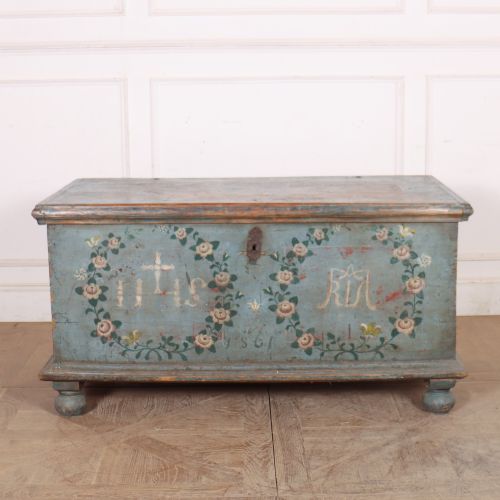


Swedish Painted Box
A swedish painted box brings brightfolk art and robust pine storage into a room.
Swedish Painted Box
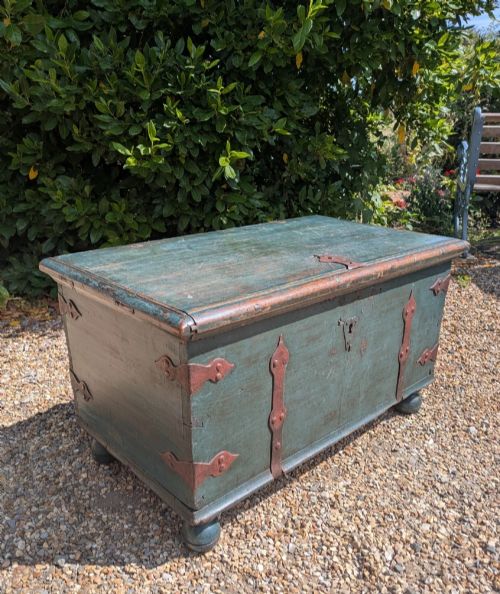
When searching for a swedish painted box, collectors encounter various forms ranging from small tabletop containers to large marriage chests and coffers. The nineteenth century dominates the available examples, though eighteenth-century folk art pieces also appear.
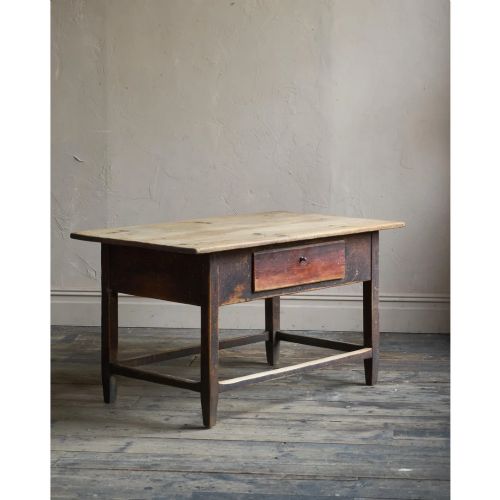
Most items on this page are constructed from pine and finished with hand-applied pigment in traditional Scandinavian styles. Alongside dedicated storage boxes and strong boxes, the selection includes related forms such as painted benches, blanket chests, and log boxes.
How They Were Made
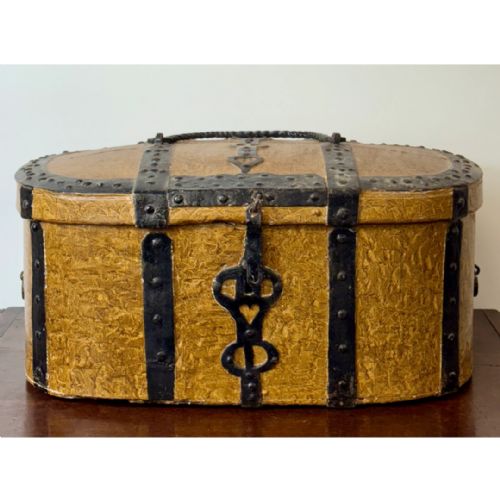
Local joiners built these containers primarily from solid pine, utilising durable dovetail joints or pegged construction to ensure longevity. Hand forged iron strapwork and brass fittings frequently reinforced the corners and lids of strong boxes.
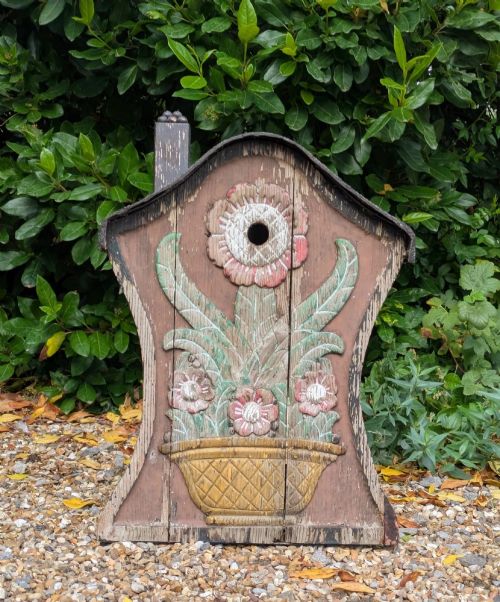
Surface decoration relied on mixed pigments applied directly to the wood, often featuring folk art motifs or shaped panels. This painted layer protected the timber while providing the distinctive decorative character seen today.
Swedish Painted Box Retail Price Guide 2026
Typical asking prices for swedish painted box among the pieces listed under this phrase on Sellingantiques today, from the lower quarter to the upper quarter. They describe what is for sale here now, not the wider market.
What Varies in Quality
The integrity of the original paint surface determines much of the distinction between pieces, with untouched pigment carrying greater historical weight than later overpainting. Stronger construction, such as complex dovetailing and intact hand forged iron hardware, elevates the standard of a piece.
Sophistication in the folk art decoration also separates everyday utility items from finer examples commissioned for marriages or special occasions. Proportion and the survival of original integrated stands or box stretchers add further differentiation.
The Swedish Painted Box Glossary
- Strong box
- A heavy storage container, usually fitted with robust iron strapwork and secure locks for valuables.
- Coffer
- A large, deep chest with a lid, historically utilised for storing clothing, blankets, or household goods.
- Folk art
- Decorative work produced within a traditional community culture, relying on local styles rather than formal academic training.
- Strapwork
- Ornamental bands of metal, commonly iron, fixed across the exterior of a chest or box for reinforcement and decoration.
- Marriage chest
- A specially commissioned piece given to mark a wedding, frequently inscribed and decorated with symbolic motifs.
Swedish Painted Box: Frequently Asked Questions
How were these boxes used originally?
These containers served practical domestic needs for storing documents, textiles, and household valuables in rural Scandinavian homes. Strong boxes protected important possessions, while larger blanket chests held winter bedding and garments.
Marriage chests held the bride's dowry and remained central family possessions. Smaller versions functioned as desktop storage or specialised containers for household items.
Are the paint finishes original?
Many surviving pieces retain their initial pigment layers, though some have endured maintenance or refreshing over the decades. Inspecting the surface for natural wear, craquelure, and consistency helps determine whether the finish dates to the period of construction.
Folk art decoration often weathered through heavy use, meaning minor touch-ups by past owners are common. Original surfaces display a depth and integration with the pine timber that later coats struggle to replicate.
How should I clean a painted wooden box?
Maintenance requires only gentle dusting with a soft, dry cloth to protect the fragile historic pigments. Avoid modern chemical cleaners, harsh detergents, or excessive moisture, which can lift or dissolve the original paint layer.
Keeping the box away from direct sunlight and sudden humidity changes prevents the pine from warping and the pigment from fading. Wax should be applied only if the underlying wood is exposed and dry, keeping it well away from painted areas.