

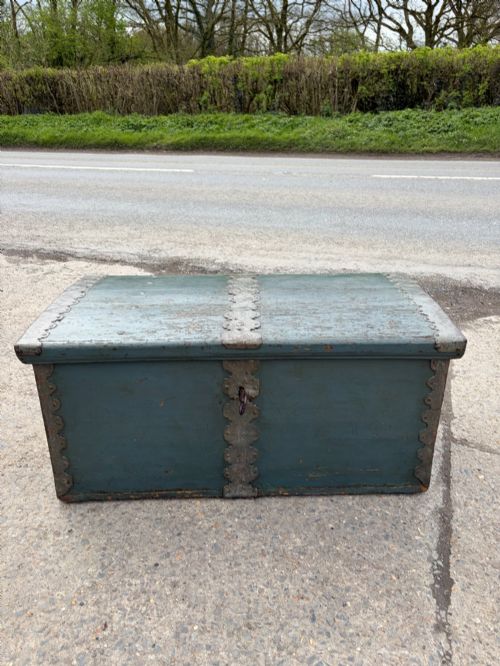


Blue Painted Box
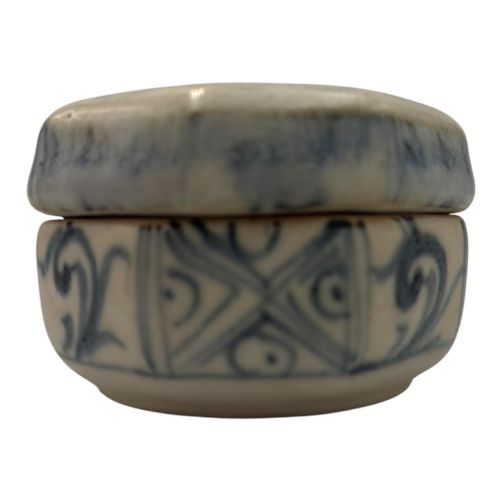
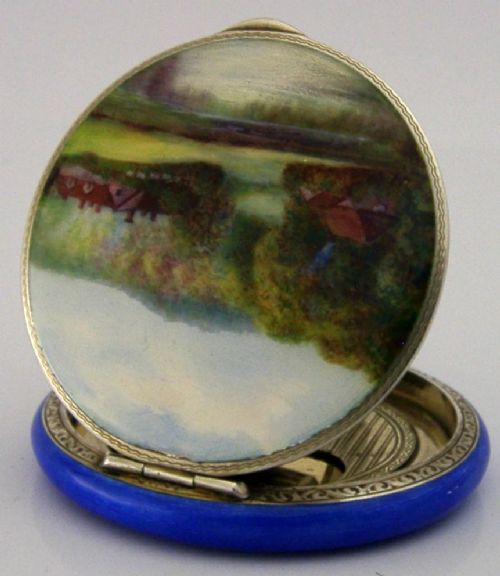
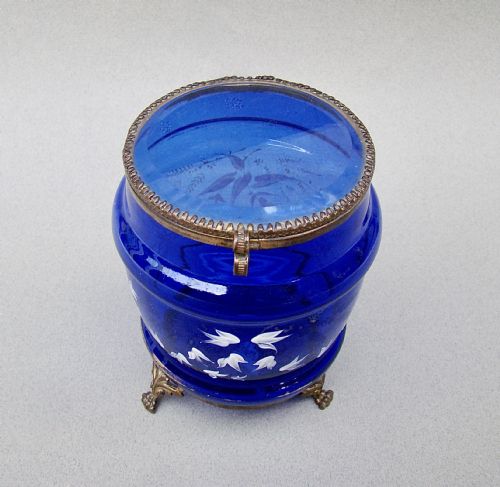
A blue painted box brings together practical storage and folk art colour, offering a vibrant piece of history for the home.
Blue Painted Box
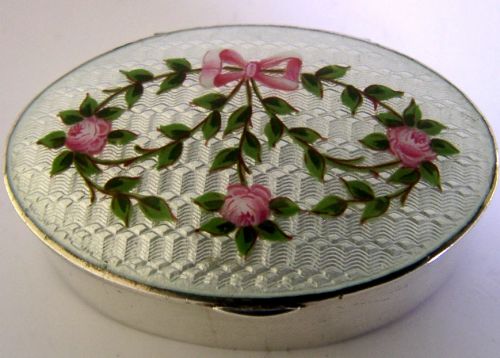
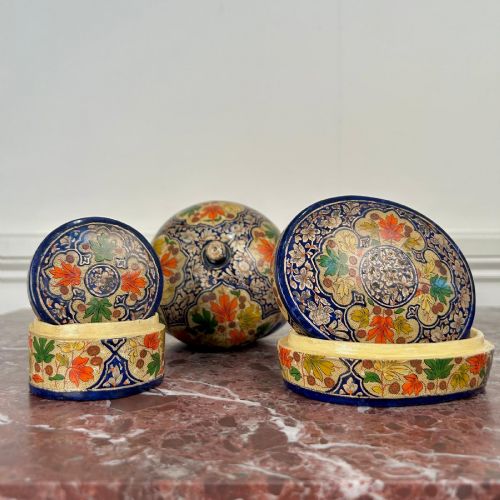
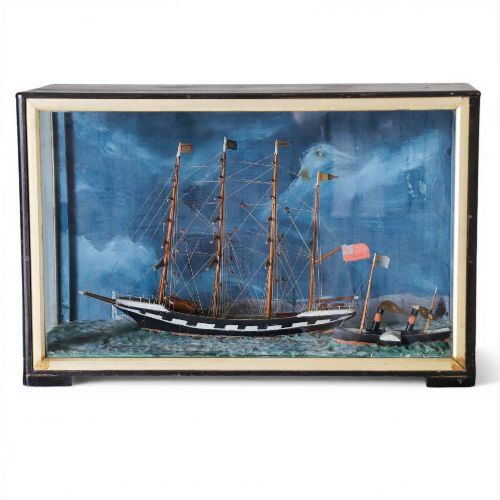
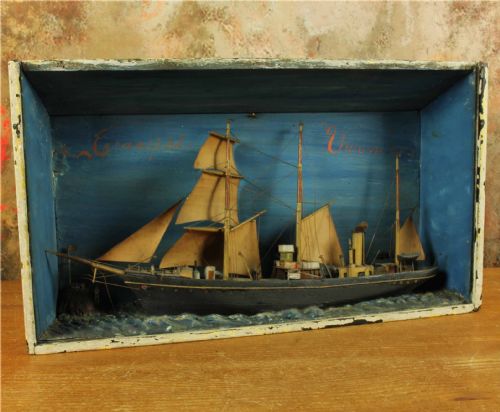
When you search for a blue painted box, you encounter everything from small enamel trinket containers to large pine marriage chests and storage trunks. The items span centuries, originating from English workshops, French porcelain houses, and Scandinavian rural communities.
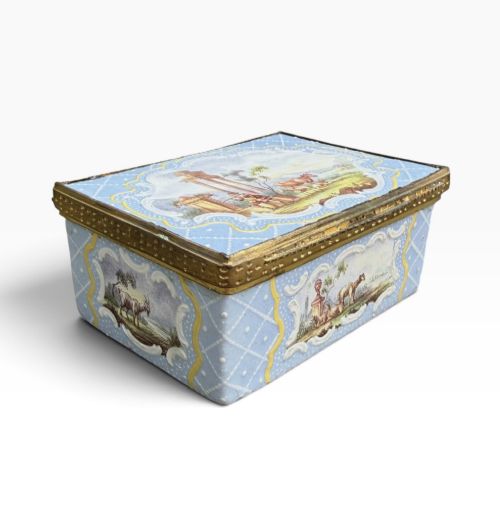
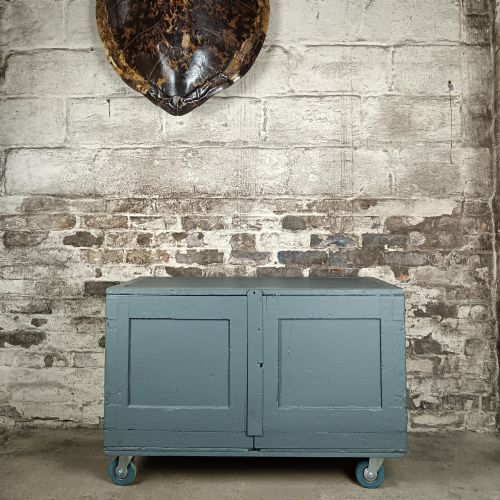
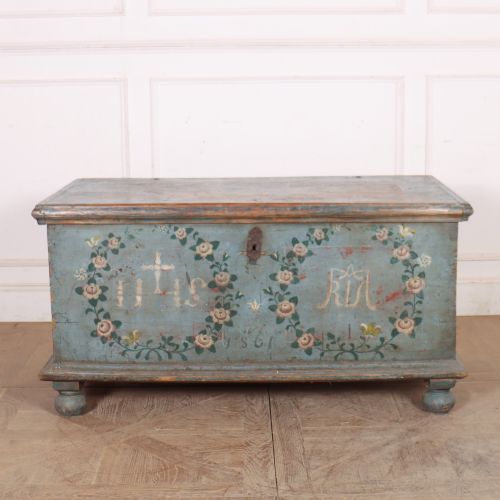
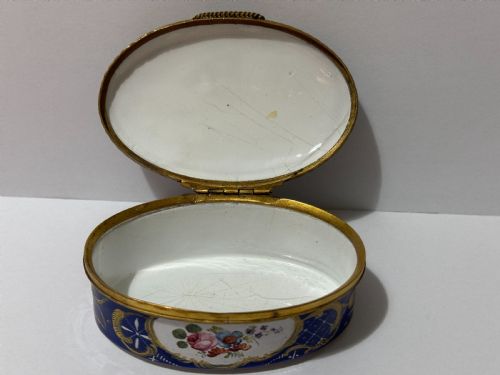
The most common versions on this page are nineteenth-century pine boxes and blanket chests finished in original blue or duck egg paint, alongside smaller eighteenth-century Bilston enamel patch boxes. These objects were originally built for practical use, carrying household textiles, personal valuables, or dry goods before becoming decorative display items.
How they were made
Makers constructed wooden storage boxes and trunks using sturdy pine fastened with iron hardware, sometimes incorporating dovetail joints for stability. Surfaces were coated in oil or water-based paint, frequently applied by hand in rural Scandinavian, Hungarian, or English workshops.
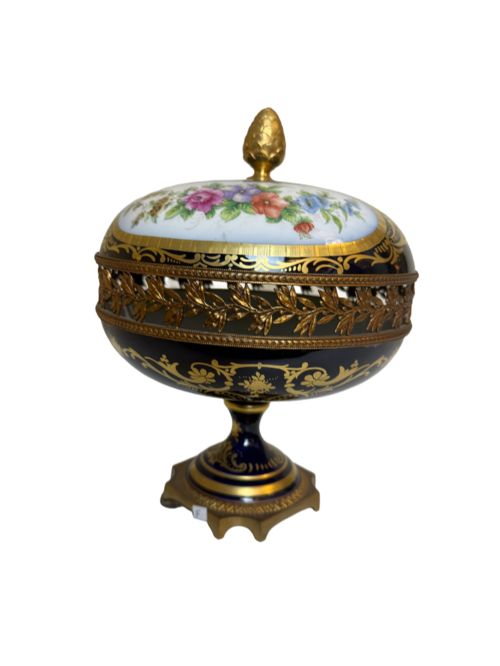
Smaller receptacles utilised copper or silver metalwork combined with vitreous enamel or hand-painted porcelain. Artisans applied cobalt blue glazes and pigments directly onto ceramic bodies or metal bases before firing.
What varies in quality
The distinction between ordinary and exceptional pieces rests in the survival of original surface decoration and patination. Examples retaining their initial hand-painted folk motifs, floral details, or rich cobalt glaze without heavy restoration command greater interest.
Construction details also separate basic utilitarian containers from finer items, such as well-fitted lids, intact brass or iron hinges, and delicate ormolu mounts on French porcelain caskets.
Bilston·Limoges·Sevres·Giuliano Spinelli·Ridgway
The Blue Painted Box Glossary
- Marriage chest
- A large wooden storage box commissioned to celebrate a wedding, often painted with names, dates, or folk motifs and filled with household linen. These pieces typically utilise pine and feature hinged lids.
- Patch box
- A small enamel or porcelain container made in the eighteenth century to hold cosmetic patches used to cover blemishes. They frequently incorporate mirrors inside the lid.
- Cassone
- An Italian antique chest or coffer used for storing valuables and household goods. They often display elaborate painted decoration or carved wooden surfaces.
- Campaign trunk
- A transportable packing case designed for military officers on the move during the nineteenth century. These items incorporate reinforced iron corners and sturdy carrying handles.
- Tramp art
- A style of decorative woodwork created by itinerant folk artists using salvaged wood from cigar boxes and crates. Pieces are characterised by chip-carved geometric layering.
Blue Painted Box: Frequently Asked Questions
What were small blue painted boxes used for?
Small enamel and porcelain boxes served primarily as personal accessories for holding snuff, cosmetic patches, or pills. Wealthy owners carried them daily or displayed them on dressing tables.
Larger versions functioned as trinket or jewellery caskets, protecting delicate items behind fitted hinged lids and secure latches.
How do I care for an antique painted wooden box?
Keep wooden storage pieces away from direct sunlight and strong heat sources to prevent the historic paintwork from fading or flaking. Stable indoor humidity protects the underlying pine from warping.
Dust surfaces gently with a dry, soft cloth and avoid chemical polishes that can damage the original painted finish.
How can I tell the age of a painted pine box?
Examine the construction methods, tool marks, and hardware used to assemble the body and attach the lid. Hand-forged iron hinges and old dovetail joints usually point towards eighteenth or nineteenth-century origins.
The character of the paint layers, including craquelure and natural wear patterns, also helps establish the age of the piece.
Where were antique enamel snuff boxes made?
Many fine enamel boxes originated in the Staffordshire town of Bilston during the eighteenth century. Skilled artisans painted detailed floral or scenic vignettes onto white or blue enamel surfaces.
Other notable pieces emerged from French workshops and continental manufacturing centres during the same period.