




Antique Tin Box
When you search for an antique tin box, you encounter functional domestic vessels, decorative containers and military storage dating from the eighteenth century to the twentieth.
Antique Tin Box
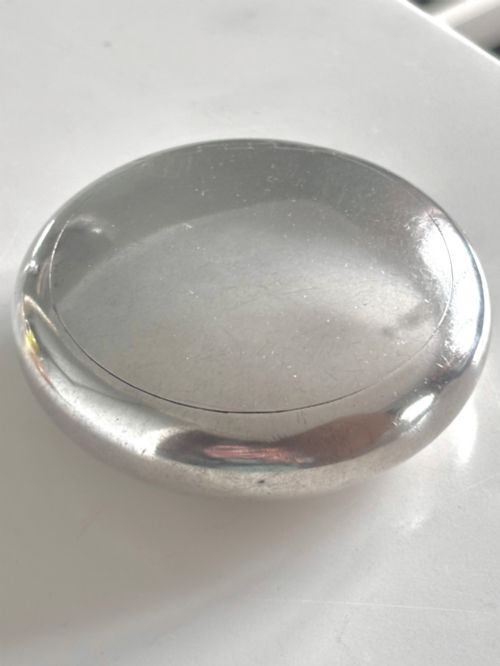
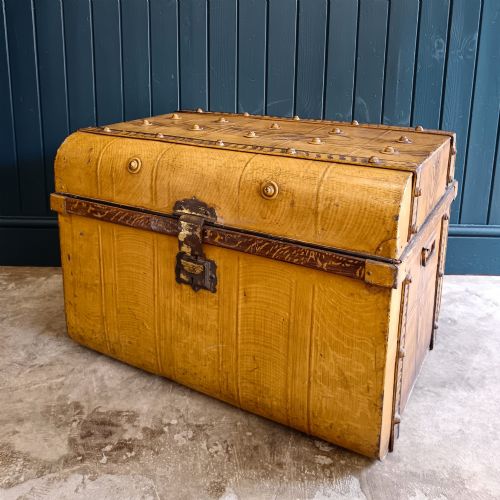
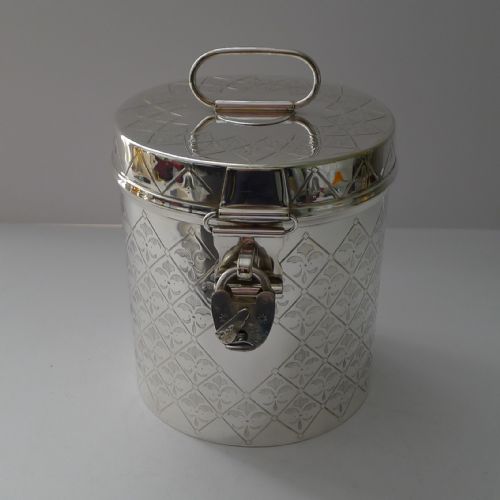
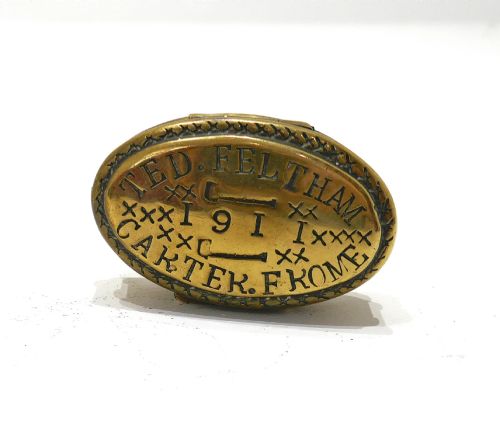
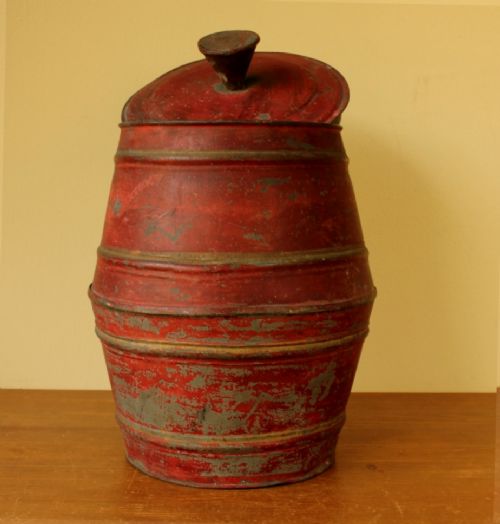
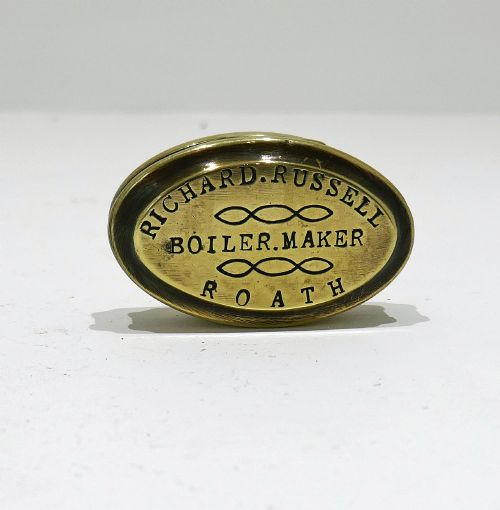
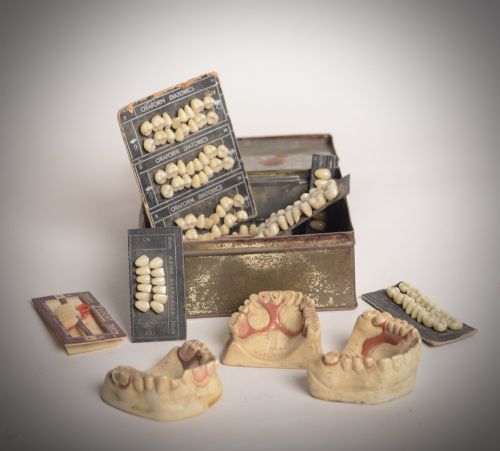
The antique tin box category encompasses a diverse range of metal receptacles designed for storage, transport and display, spanning centuries of manufacturing history. Buyers frequently encounter nineteenth and early twentieth-century examples, including biscuit barrels, tobacco jars, hat boxes, document tins and snuff boxes.
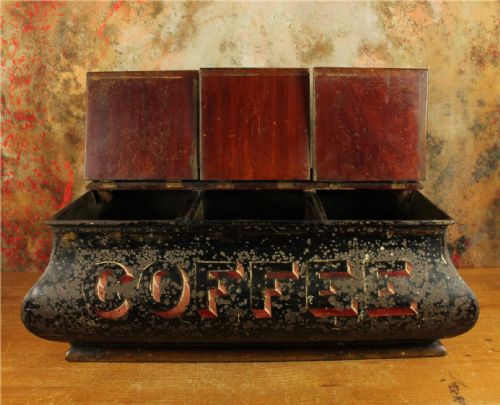
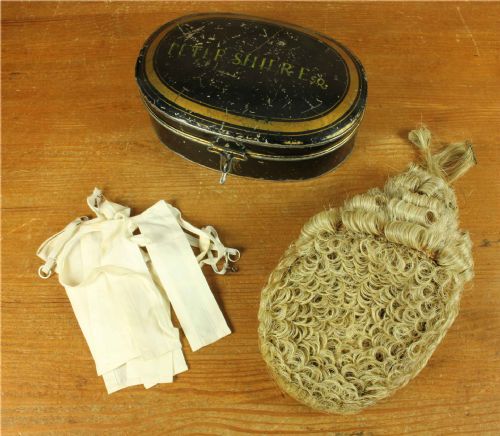
The selection ranges from utilitarian shop tins and military uniform cases to decorative domestic containers produced by major confectioners. Materials extend across tinplate, toleware, painted metal and brass, reflecting both industrial output and individual craftsmanship.
Forms vary from simple storage boxes to novelty shapes modelled as books, satchels and tractors. These vessels served daily domestic, commercial and military roles before transitioning into collected items.
How They Were Made
Constructed primarily from sheet metal, tinplate and iron, these containers often feature soldered seams and folded joints. Surface decoration relies on hand-painting, japanning, toleware varnishing and early lithographic printing directly onto the metal surface.
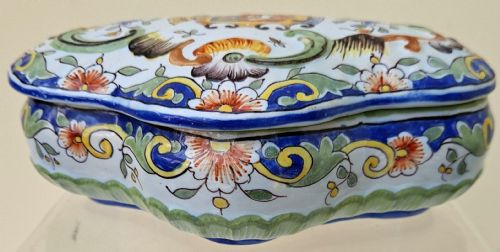
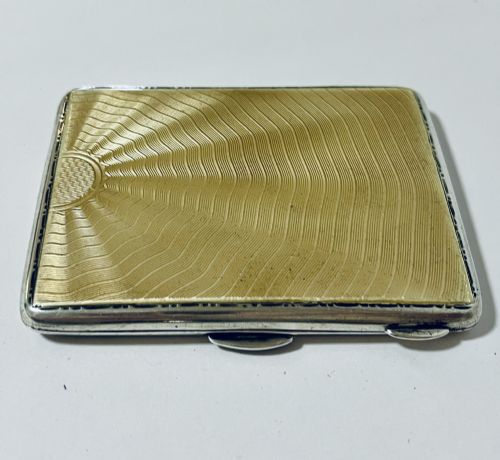
Many examples incorporate brass fittings, hinges and latches to secure the lids. Faux-wood painting, applied patination and enamel finishes appear across the periods to enhance the visual texture of the metal.
One exceptional survival is a tin shaped explicitly like a tractor, proving that biscuit makers understood the irresistible appeal of agricultural machinery.
What Varies in Quality
Quality reveals itself in the crispness of the lithography, the delicacy of hand-painted details and the structural integrity of the metalwork. Better examples retain their original surface finishes, vibrant colours and functional locking mechanisms without excessive wear.
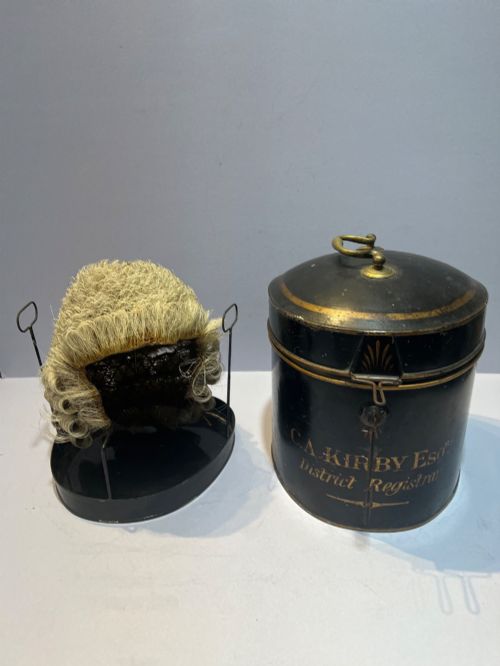
The distinction between standard commercial containers and superior pieces often lies in the complexity of the form and the reputation of the maker. Novelty shapes and named institutional commissions demonstrate higher levels of original design and manufacturing skill.
Mappin and Webb·Huntley And Palmers·William Crawfords And Son Ltd·Peek Frean And Co
The Antique Tin Box Glossary
- Toleware
- Painted or lacquered metalware, typically tin or iron, decorated with applied pigments and protective varnishes. This technique allowed makers to turn utilitarian iron into decorative household objects.
- Tinplate
- Sheet iron or steel coated with a thin layer of tin to prevent corrosion. It served as the primary material for commercial packaging and biscuit tins.
- Japanning
- A European imitation of East Asian lacquer work applied to metal surfaces through heat-cured varnishes. It provided a glossy, durable black or coloured finish on boxes and trunks.
- Snuff box
- A small container designed to hold powdered tobacco for inhalation. These pocket-sized vessels frequently feature hinged lids and intricate engraved or painted decoration.
- Biscuit barrel
- A cylindrical container used for storing dry baked goods on the dining table. Many period iterations feature ceramic liners and plated metal mounts.
Antique Tin Box: Frequently Asked Questions
What were antique tin boxes used for?
These metal containers served a multitude of everyday and commercial purposes, from holding dry foodstuffs like biscuits and tea to storing tobacco, legal documents and military hats. Merchants utilised them for shop displays and storage, while individuals kept them in homes or carried them during travel.
Over time, many packaging tins became collectible objects in their own right, particularly those produced by prominent biscuit manufacturers or decorated with commemorative scenes.
How do I identify the age of a metal box?
Dating relies on the manufacturing techniques, surface decoration styles and materials visible on the piece. Nineteenth-century examples often display hand-painted toleware or early soldered construction, while twentieth-century pieces frequently utilise colour lithography.
Specific maker marks, stamps and historical references within the design or text help narrow down the production period to a specific decade or reign.
Are novelty biscuit tins collectible?
Novelty biscuit tins produced by major nineteenth and early twentieth-century confectioners attract significant collector interest due to their imaginative forms. Manufacturers moulded metal into shapes resembling books, satchels and wooden boxes to entice buyers in shops.
Their survival rate in good condition remains lower than standard rectangular tins because of their delicate protruding elements and complex hinged construction.
How do I care for painted tinware?
Preserving painted metal and toleware requires keeping the pieces in stable indoor environments away from direct sunlight and excessive moisture. Dusting gently with a dry, soft cloth prevents the accumulation of dirt without risking the historic surface.
Water and chemical cleaning agents should be avoided, as moisture causes corrosion on exposed iron beneath the tinplate or lifts aged paint layers.