
Vintage Storage Box
A vintage storage box brings practical timber construction and period character directly into modern rooms.
Vintage Storage Box
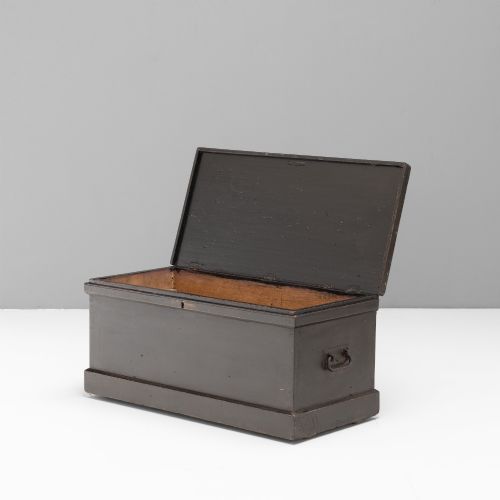
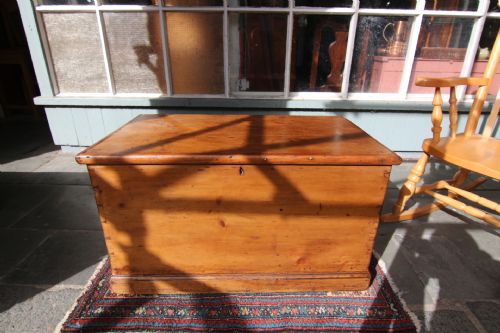
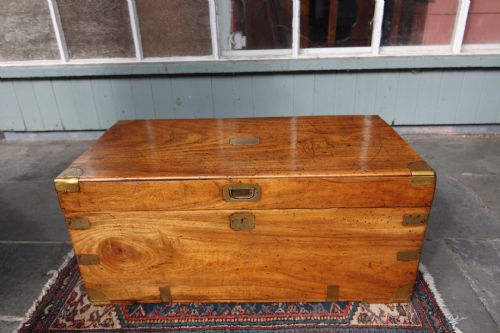
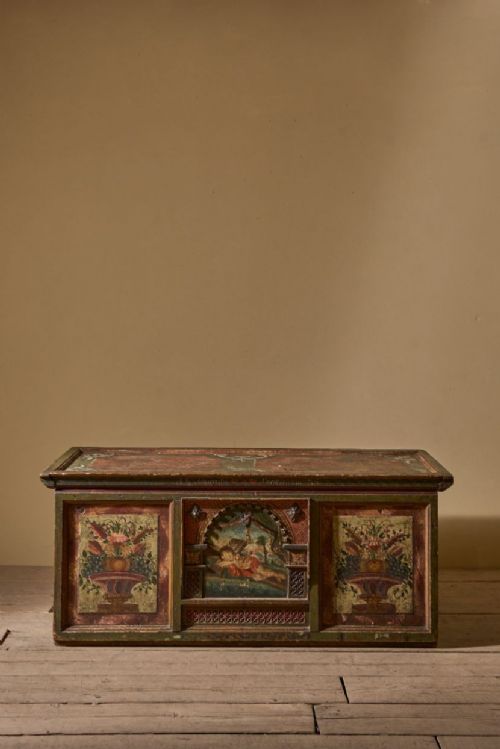
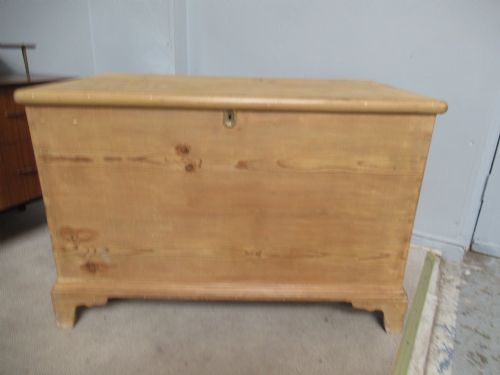
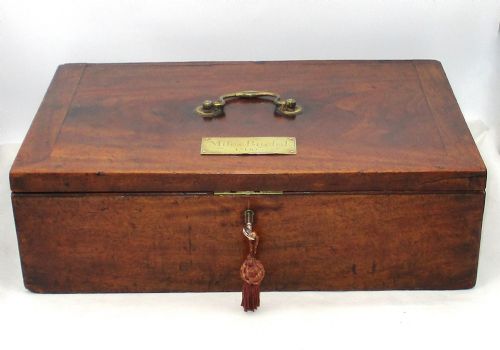
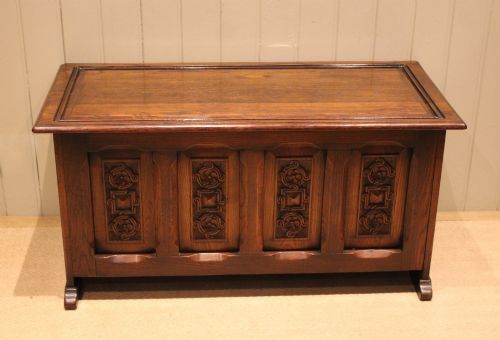
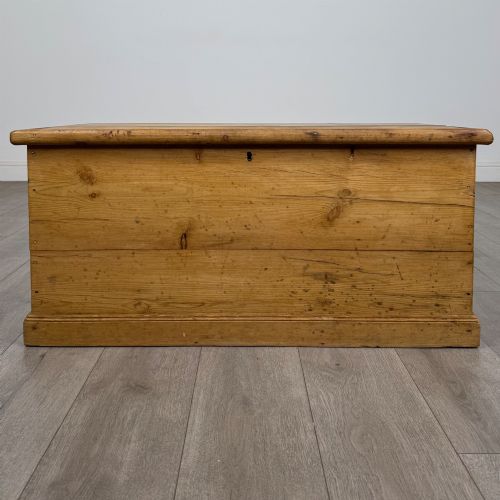
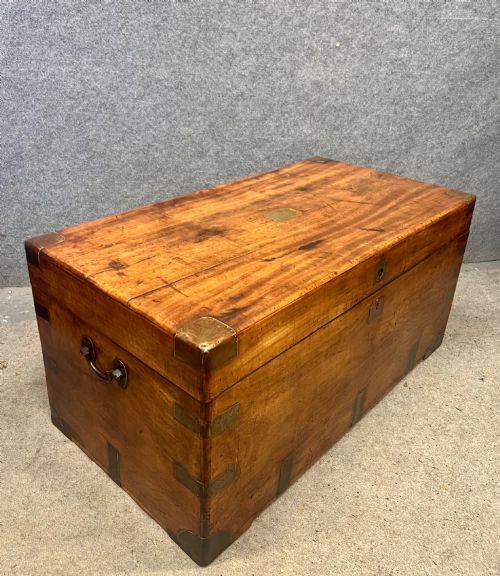
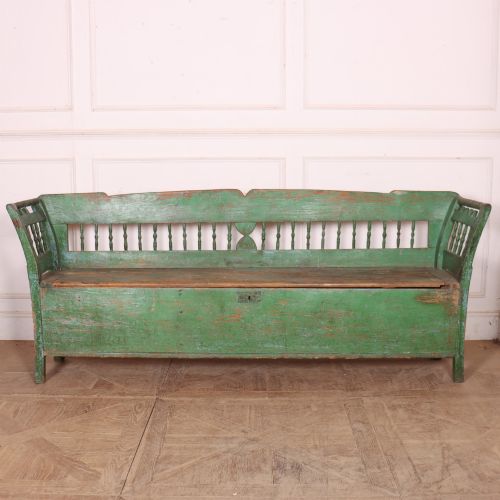
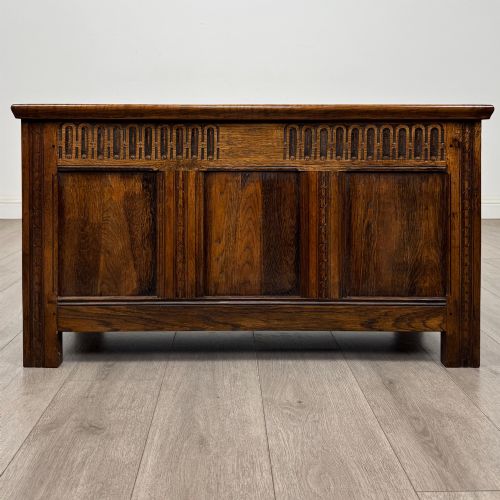
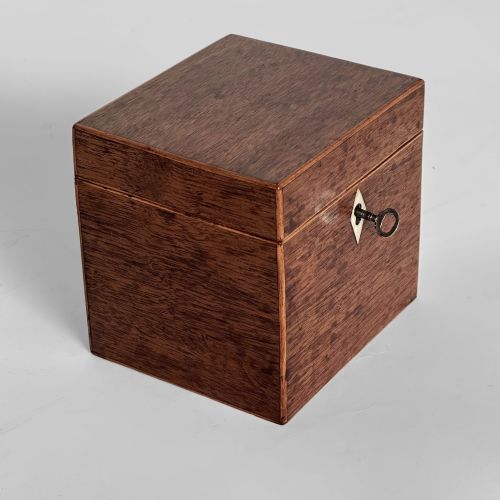
A vintage storage box encompasses functional timber containers designed to hold domestic goods, textiles, and travel items across past centuries. Buyers seeking a vintage storage box encounter pieces ranging from utilitarian pine blanket chests to brass-bound camphor wood campaign trunks and mahogany document boxes.
The selection on this page draws from periods spanning the Georgian era, the Victorian reign, and the Edwardian epoch into the early twentieth century. Forms vary from small tea caddies and jewellery cases to large oak coffers, industrial bins, and travelling trunks.
Origins include domestic country workshops, campaign trail furniture, and regional European carpentry. Pine and oak domestic examples appear most frequently alongside camphor wood travel chests.
How they were made
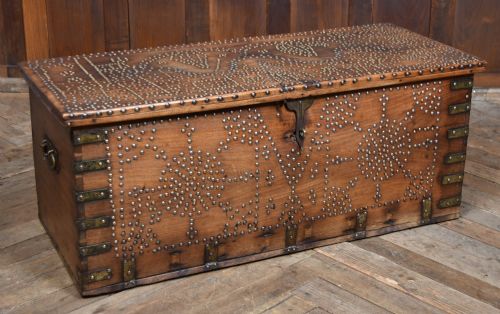
Construction relies on solid timbers such as pine, oak, mahogany, elm, and camphor wood, joined with traditional methods suited to daily service or rigorous travel. Iron and brass feature heavily as reinforcing straps, corner brackets, hinges, and carrying handles on trunks and chests.
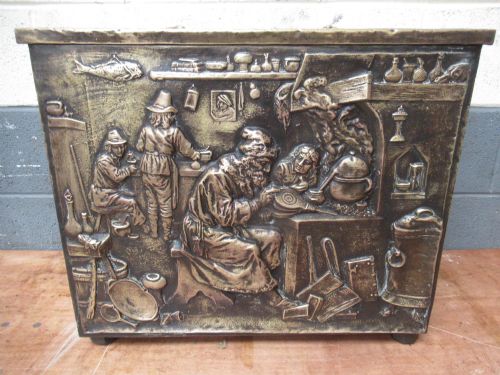
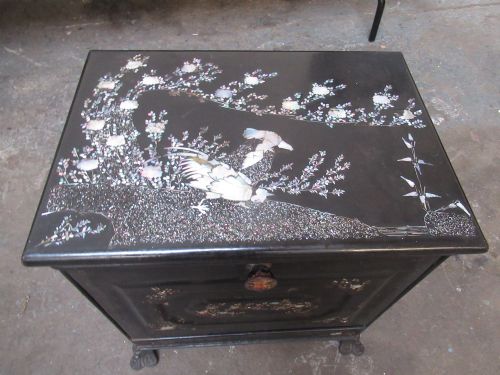
Surface treatments range from plain wax finishes on stripped pine to painted leather, red lacquer, and intricate mother of pearl inlay on hardwood boxes. Leather and metal bindings protect edges on travelling pieces while decorative carving defines stationary coffers and oak blanket chests.
One extraordinary box once carried the personal kit of Waterloo Commissary General Sir Randolph Isham Routh.
What varies in quality
Quality rests upon the selection of timber, the integrity of the original joints, and the retention of primary hardware such as brass corners, locks, and handles. Superior examples maintain their structural rigidity without excessive timber shrinkage or replaced structural members.
The refinement of the surface finish and secondary details elevate a piece from a basic utility container to a refined example of period craftsmanship. Fine boxes display careful dovetailing, matched grain patterns, and intact interior compartments or secondary drawers.
Samuel Pratt·Wm. Insall of Bristol·J C Vickery
The Vintage Storage Box Glossary
- Campaign chest
- A modular timber chest designed to separate into sections for military transport during the nineteenth century. These pieces typically feature brass binding and recessed handles.
- Coffer
- A heavy timber chest, often constructed from oak or elm, traditionally utilised for storing valuables or household linen. Early versions rely on pegged frame and panel construction.
- Cellarette
- A fitted interior box or cabinet designed to hold bottles of wine safely during the Georgian and Victorian periods. They often sit on low frames or incorporate lead linings.
- Camphor wood
- An aromatic timber utilised for nineteenth century travelling chests because its natural scent repels insects. It frequently pairs with brass corner reinforcement.
- Document box
- A small, portable desk accessory or standalone container made from fine timbers like mahogany to secure letters and important papers.
Vintage Storage Box: Frequently Asked Questions
What were camphor wood trunks used for?
Camphor wood trunks served British military officers and travellers moving goods across empire trade routes during the nineteenth century. The dense, aromatic wood protected textiles and uniforms from dampness and insects during long sea voyages.
Today, these chests function effectively as living room coffee tables or bedroom blanket storage while retaining their distinctive maritime character.
How do I date an antique pine box?
Dating pine boxes requires examining the construction marks, nail types, and timber preparation methods visible on the interior and underside. Hand-sawn boards and forged iron hinges point towards eighteenth or early nineteenth century origins.
Later Victorian and Edwardian examples often feature machine-sawn timber, simpler butt joints, and cast iron or brass hinges produced industrially.
Where should I place a heavy oak coffer?
A heavy oak coffer works well at the foot of a bed, beneath a hallway window, or as a focal point in a living space. Their robust timber tops support decorative objects or serve as casual seating when paired with cushions.
Ensure the floor is level and protect delicate carpets from the substantial weight of dense hardwood construction.
How do I maintain leather bound trunks?
Leather bound trunks benefit from gentle cleaning with a soft dry cloth and occasional application of appropriate leather conservation waxes. Keep them away from direct sunlight and excessive radiator heat to prevent the hide from drying and cracking.
Metal fittings require minimal intervention beyond dusting, preserving the natural patina accumulated over decades of use.