
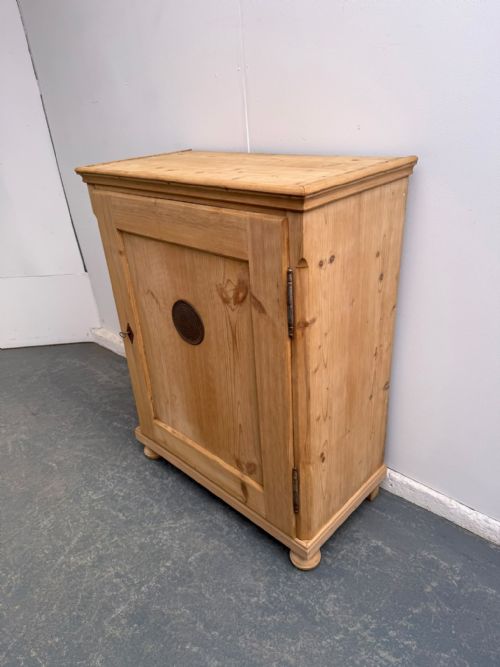


Small Painted Pine Box
These small painted pine box examples bring regional folk art directly into a room, offering practical storage with historic character.
Small Painted Pine Box
When you search for a small painted pine box, you encounter vernacular pieces originating from Scandinavian, Hungarian, and Welsh traditions. These items span the nineteenth century, including specific dates like eighteen hundred and eighteen fifty, reflecting local domestic storage needs.
The pieces on this page range from dome top boxes and coffers to small trunks and strong boxes. You are most likely to meet nineteenth century pine examples featuring original pigment or surface decoration applied by regional makers.
Many of these containers served specialised household purposes, such as linen storage or log holding. Their compact proportions make them suitable for modern interiors while retaining their original folk art aesthetic.
Materials and construction
Makers constructed these pieces primarily using solid pine, shaped into boxes, coffers, and trunks. Structural reinforcement frequently relied upon iron, wrought iron, and metal bands or hardware.
Surfaces were finished with paint and pigment, often displaying folk art motifs characteristic of Scandinavian, Central European, or Welsh vernacular traditions. Brass details occasionally appeared on hinges and keyplates.
Some nineteenth century boxes crossed borders with their owners, carrying Scandinavian folk art traditions directly into Welsh valleys.
Judging quality
The distinction between ordinary and superior examples lies in the survival of original surface paint and regional folk art decoration. Unaltered pigments and untouched patination elevate certain boxes above those with later overpainting or heavy restoration.
Construction methods also define the tier of a piece, with dovetailed joints, forged iron hardware, and well-proportioned dome tops or stands indicating superior vernacular craftsmanship.
The Small Painted Pine Box Glossary
- Pine
- A softwood commonly utilised for vernacular furniture and boxes throughout the nineteenth century. It provides a lightweight yet durable carcase for painted decoration.
- Cofer
- A traditional chest or strong box, often heavily constructed with iron bands for security. These pieces frequently feature hinged lids and served valuable household storage functions.
- Folk art
- Artistic expression stemming from rural traditions and local craftspeople rather than formal academic training. In these listings, it describes the distinctive painted surfaces of Scandinavian and Welsh pieces.
- Dome top
- A curved lid construction designed to shed water and increase internal capacity. This form is frequently reinforced with metal bindings in nineteenth century examples.
- Vernacular
- Everyday architecture and objects built by local craftspeople using regional materials to satisfy practical needs. Welsh and Scandinavian items on this page exemplify this tradition.
Small Painted Pine Box: Frequently Asked Questions
What is a small painted pine box used for?
These boxes originally served for secure storage of domestic goods, textiles, and valuables in rural households. Today, they function well as decorative storage containers on tabletops or shelves.
Their compact sizes allow them to fit easily into contemporary living spaces while providing enclosed storage for small items.
How do I identify Scandinavian folk art boxes?
Scandinavian pieces often feature characteristic regional painted motifs, shaped forms, and sturdy construction using local pine. Look for dome tops, stands, and metal binding that typify nineteenth century Scandinavian workshop output.
The specific pigment choices and brushwork styles help separate Scandinavian examples from Welsh or Hungarian pieces.
Are these painted finishes original?
Many listings specify original paint, pigment, or surface decoration applied during the nineteenth century. Examining the wear patterns and integration of the paint with the underlying pine helps determine age.
Original surfaces exhibit natural ageing and honest wear that distinguishes them from later decorative overpainting.
How do I care for a painted pine box?
Keep the piece away from direct sunlight and steady heat sources to protect the historic pine and delicate painted pigments. Dust gently with a dry cloth and avoid harsh chemical cleaners.
Maintaining stable room humidity prevents the timber from splitting and preserves the integrity of the original surface decoration.