

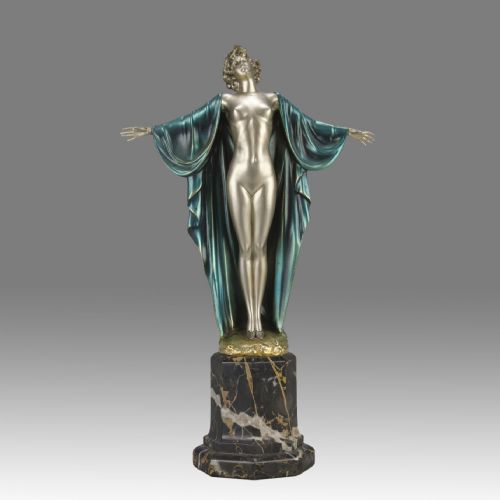
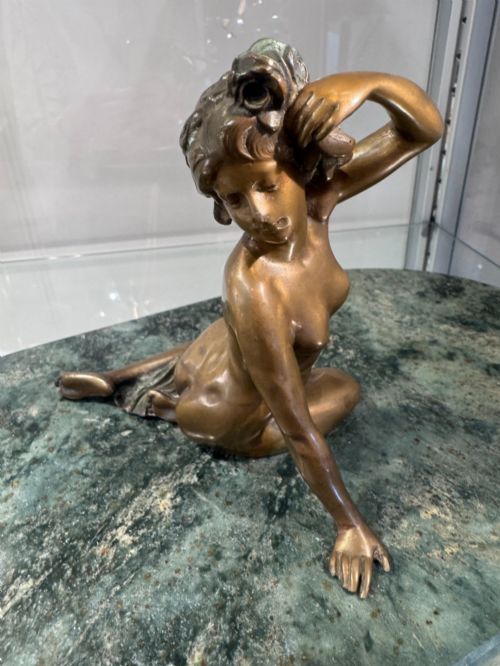
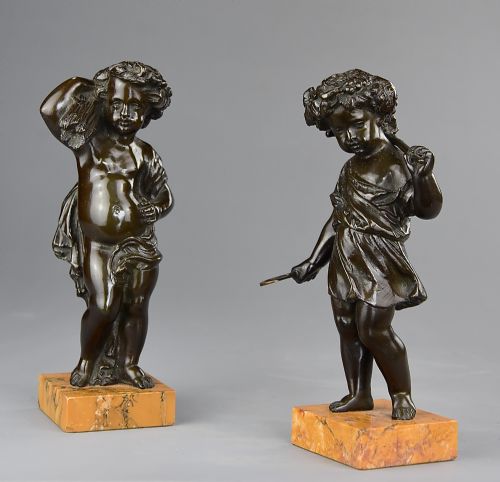
Antique Marble Figure
An antique marble figure brings classical presence into a room, offering tactile stone and carved form shaped by nineteenth-century hands.
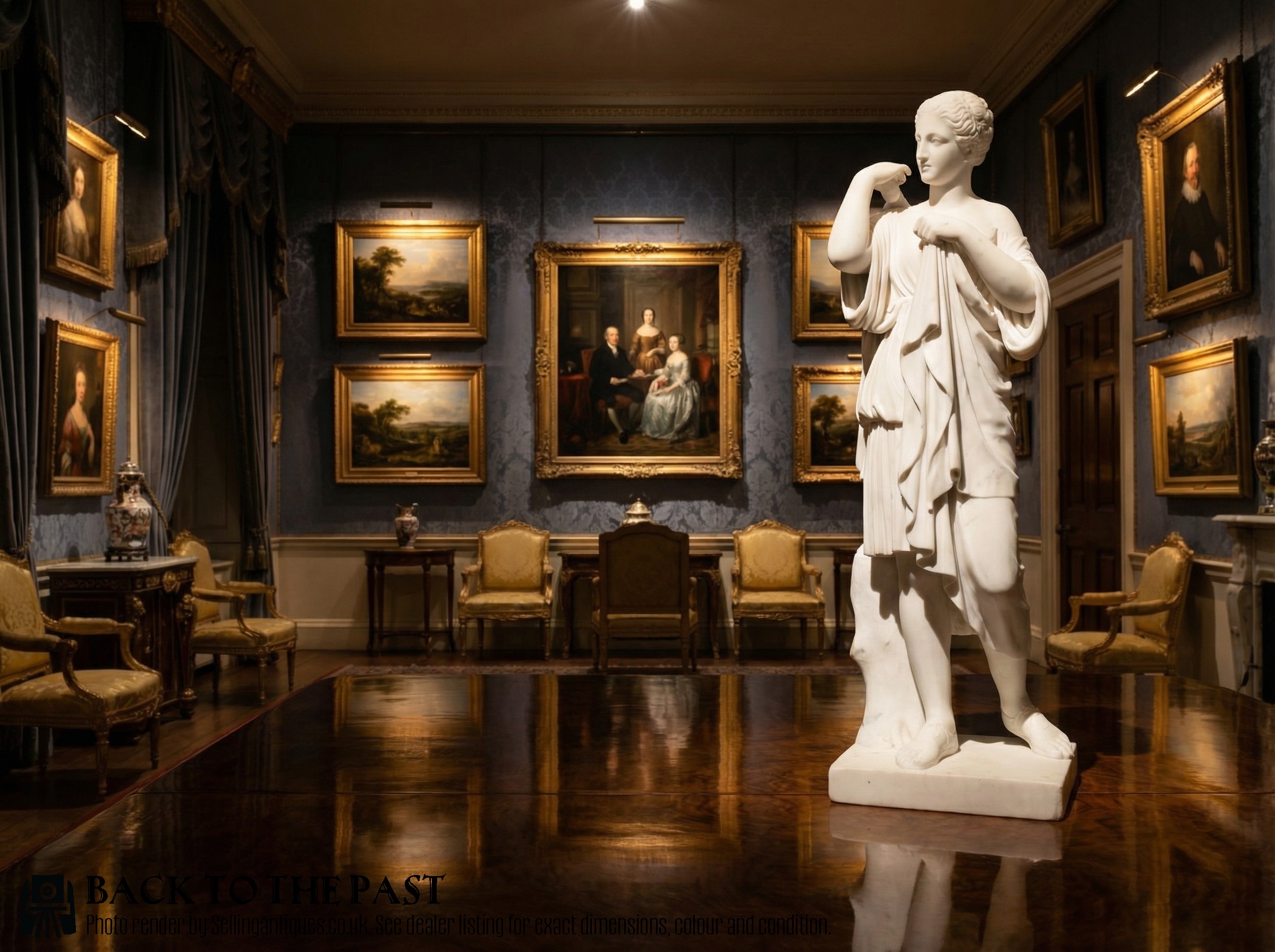
The Antique Marble Figure
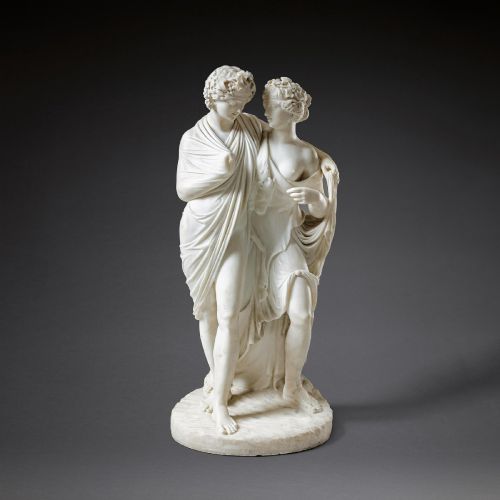
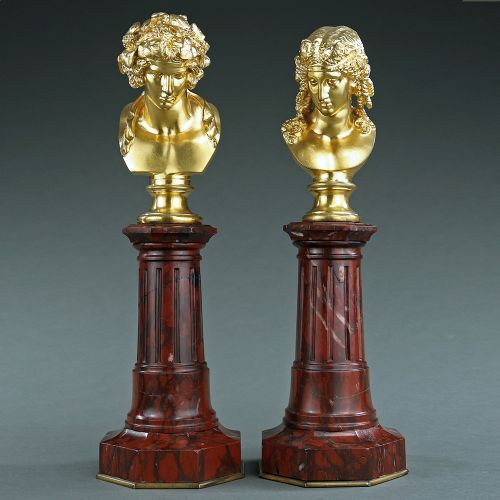
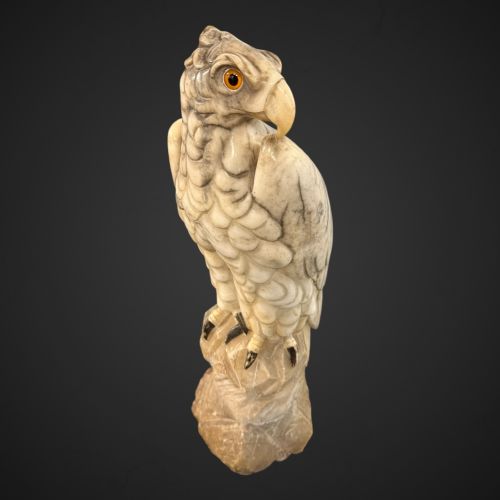
An antique marble figure encompasses carved sculptures, busts, and animal studies originating primarily from the nineteenth century. These works range from small Grand Tour souvenirs to substantial classical maidens, deities, and veiled ladies.
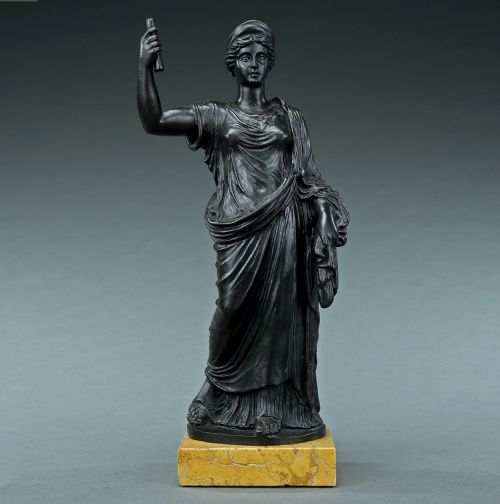
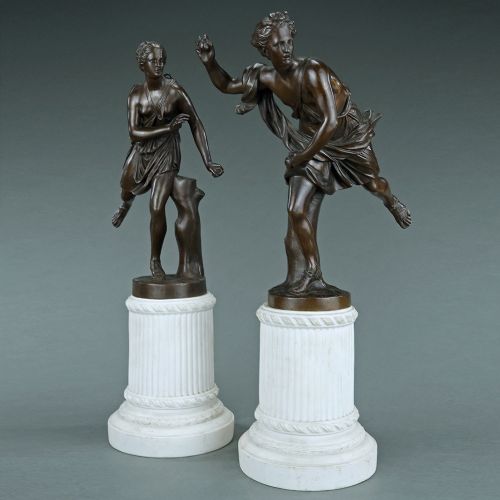
Grand Tour subjects dominate the selection, referencing ancient mythology through figures like Diana and Apollino. Alongside these mythological pieces, one encounters portrait busts and recumbent lions carved from various coloured stones.
The materials span standard white Carrara marble alongside green marble and Vert de Mer bases. Works vary from Italian workshop productions to pieces reflecting nineteenth-century classical and Art Nouveau styles.
Materials and Carving Techniques
Carvers utilised solid blocks of stone, specifically Carrara marble, white marble, and green varieties such as Vert de Mer. These materials were worked using chisels, files, and abrasive powders to achieve smooth skin tones and detailed drapery.
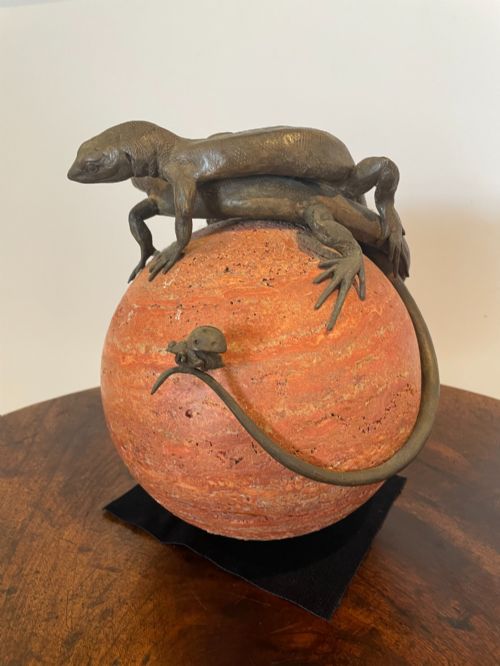
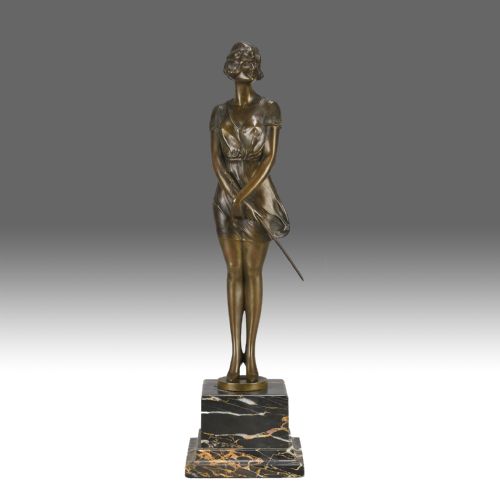
Many sculptures rely on composite construction, pairing carved figures with contrasting marble bases or integrating wood elements. Bronze components occasionally accompany the stone, creating mixed-media sculptures of hounds and classical figures.
Retail Price Guide 2026
Typical UK retail prices for marble figure, calculated from the Sellingantiques database of over a million retail prices indexed since 2003. This retail price guide relies exclusively on Sellingantiques data; no external sources or auction records are used, so the figures do not describe the wider market.
A recumbent green marble lion rests quietly alongside goddesses and veiled ladies.
Judging Quality in Stone Sculpture
The ambition of the subject dictates the standard, separating routine decorative items from finely observed portrait busts and detailed mythological studies. Furthermore, the selection of contrasting base materials elevates the overall presentation of the sculpture.
Antonio Frilli·Auguste Moreau
The Antique Marble Figure Glossary
- Carrara Marble
- A type of white or blue-grey stone quarried in the city of Carrara in Tuscany, Italy. It served as the preferred medium for classical sculptors due to its fine, uniform grain.
- Grand Tour
- A traditional trip of Europe undertaken by upper-class young European men of means in the eighteenth and nineteenth centuries. Travellers acquired sculptures and architectural models as cultural souvenirs.
- Neoclassical
- A Western cultural movement in the decorative and visual arts drawing inspiration from the classical art and culture of ancient Greece or Rome. This style influences many nineteenth-century figures.
- Vert de Mer
- A dark green ornamental marble featuring white calcite veins, frequently utilised for architectural details and statue bases. It provides a striking contrast to white marble figures.
- Putto
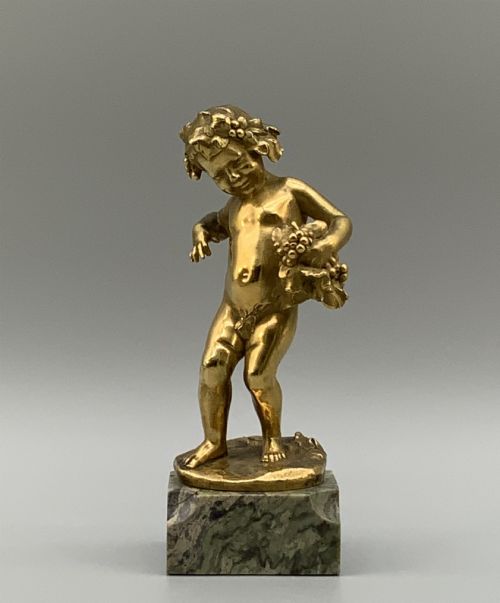
- A figure of a human baby, almost invariably male, depicted as chubby and naked in classical art. In later works, these figures appear as cherubs supporting or accompanying larger compositions.
Frequently Asked Questions
What is a Grand Tour marble?
Grand Tour marbles are sculptures purchased by travellers journeying through Italy and Europe during the nineteenth century. They replicated famous antiquities to bring classical culture back to British homes.
These pieces range from small table-top statues of deities to detailed animal figures and architectural reductions.
How do I clean marble figures?
Dust marble gently with a soft, dry microfibre brush to prevent particulate build-up within the carved recesses. Avoid harsh chemical cleaners and excessive water, which can damage porous stone surfaces.
Professional conservation advice should be sought for stubborn marks or historic patinas that require specialist attention.
Where should I display a marble statue?
Place statues on sturdy pedestals, console tables, or side cabinets where their weight is securely supported. Ensure they sit away from direct heat sources and sudden temperature fluctuations that stress stone.
Good natural or directional lighting helps reveal the subtle translucency and fine chisel work characteristic of carved marble.
Are these figures solid marble?
Most pieces are carved from solid blocks of natural stone or mounted upon contrasting marble bases. Mixed-media examples may incorporate bronze elements alongside the primary stone figure.
Inspect the undersides and joints to understand how the base and the main sculpture connect.