

Antique Mahogany Table Clock
An antique mahogany table clock brings architectural timber and precise mechanical movement together on a mantelpiece.
Identifying an antique mahogany table clock
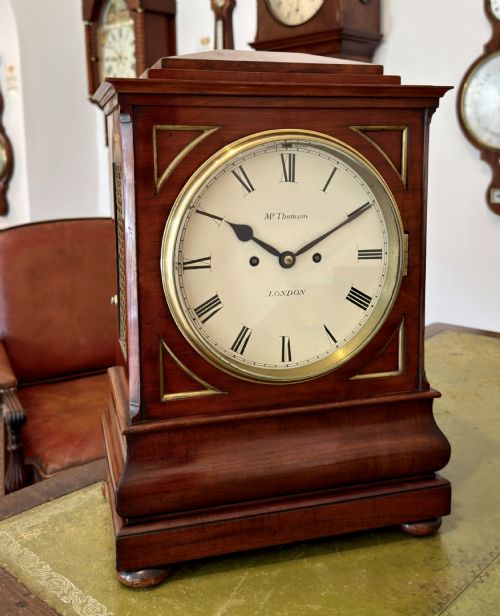
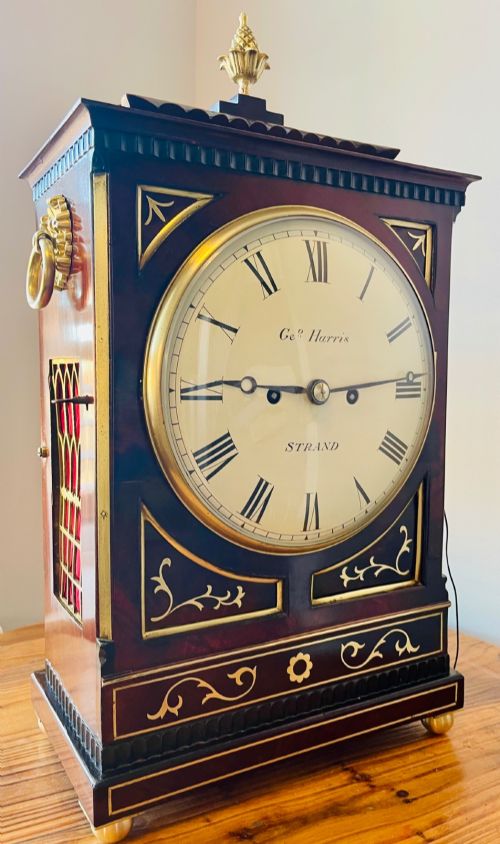
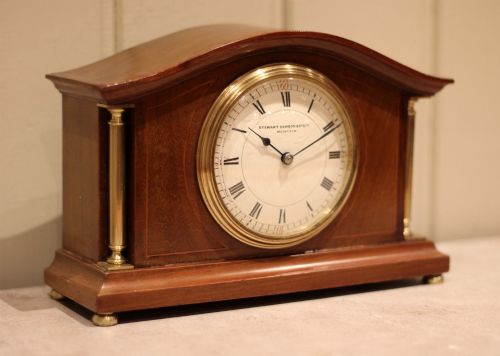
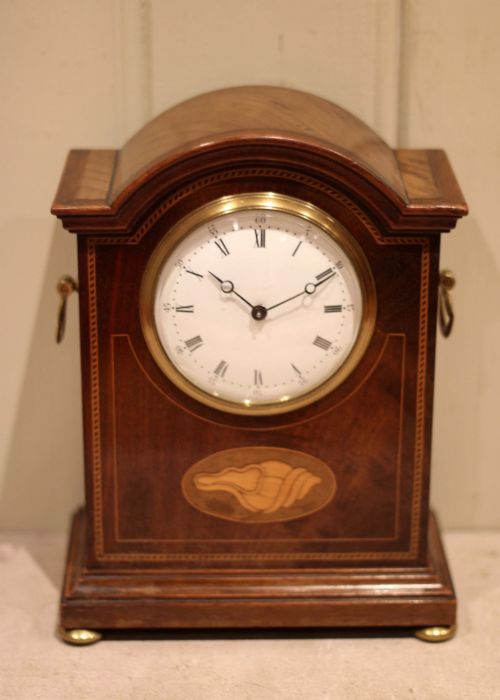
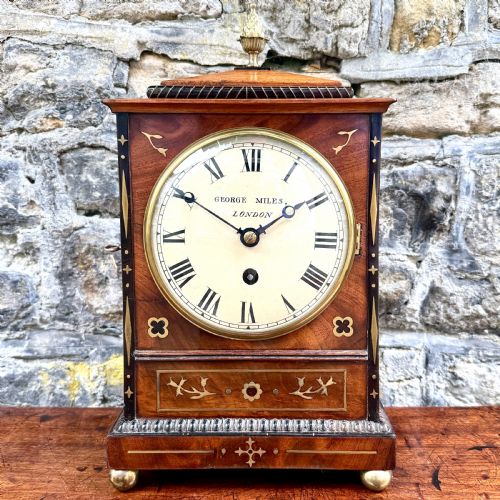
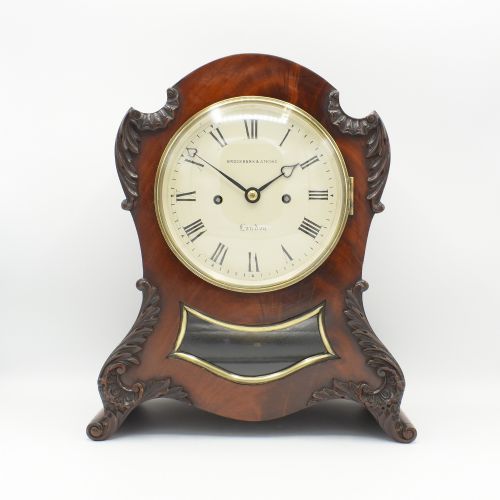
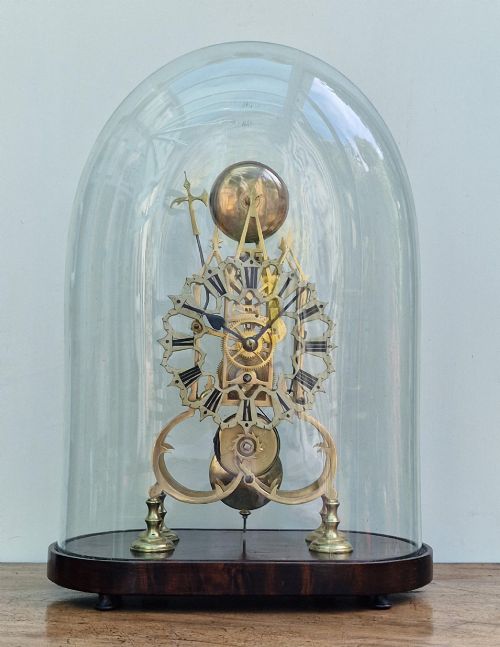
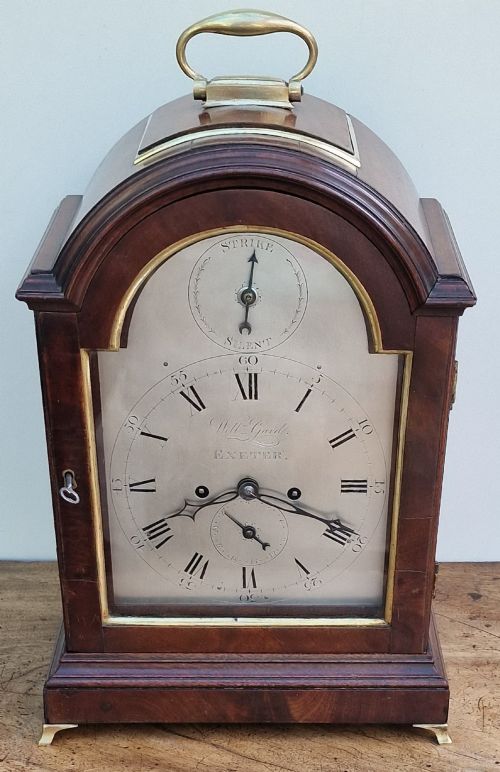
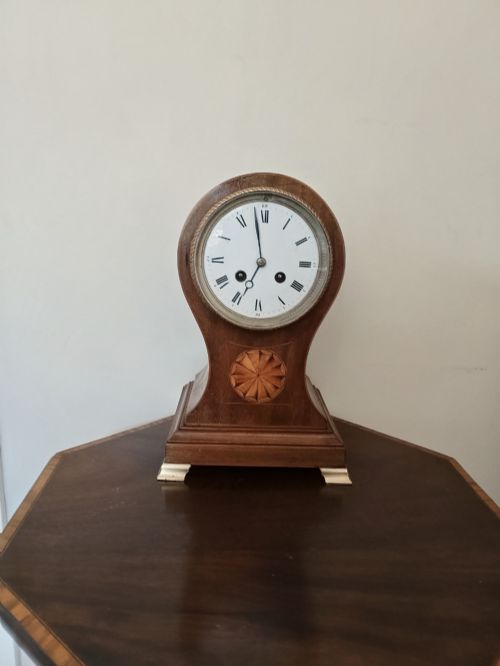
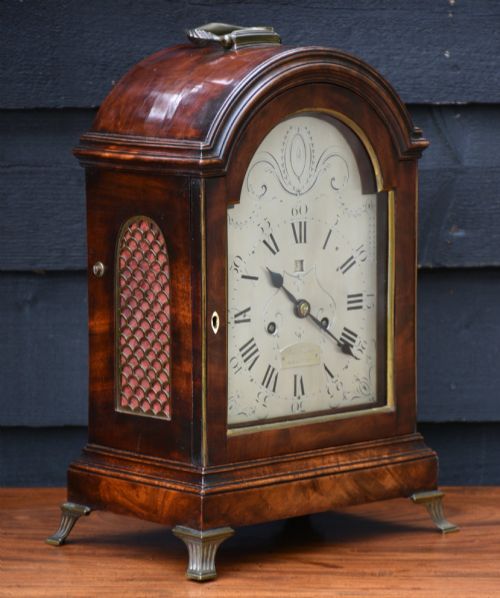
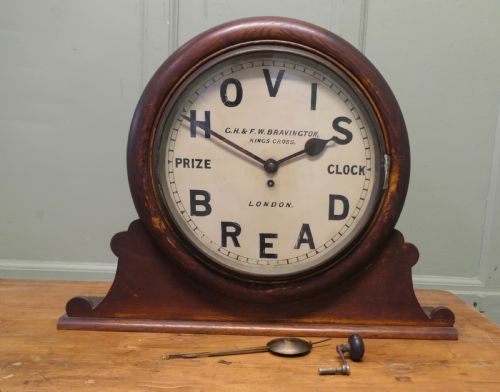
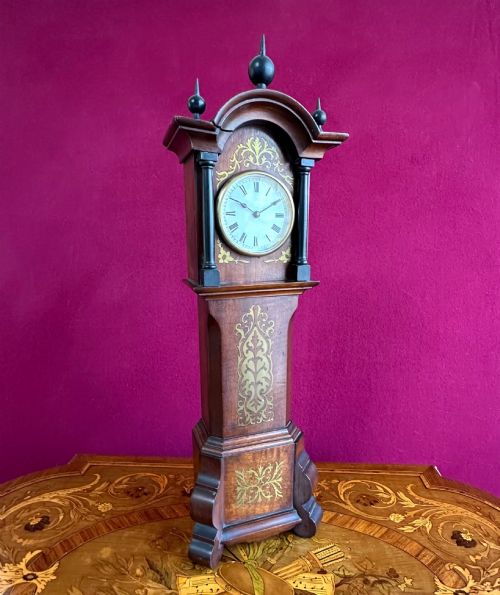
An antique mahogany table clock stands as a formal timekeeper designed for domestic interiors during the Georgian, Regency, and Edwardian eras. These pieces appear as bracket clocks and mantel clocks built to sit securely on furniture surfaces.
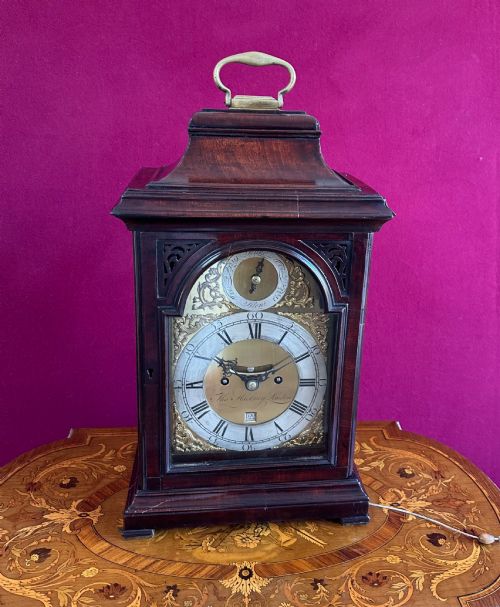
The specimens recorded here span multiple decades from the early nineteenth century up to nineteen hundred. Formats range from traditional pagoda top designs to large inlaid architectural cases.
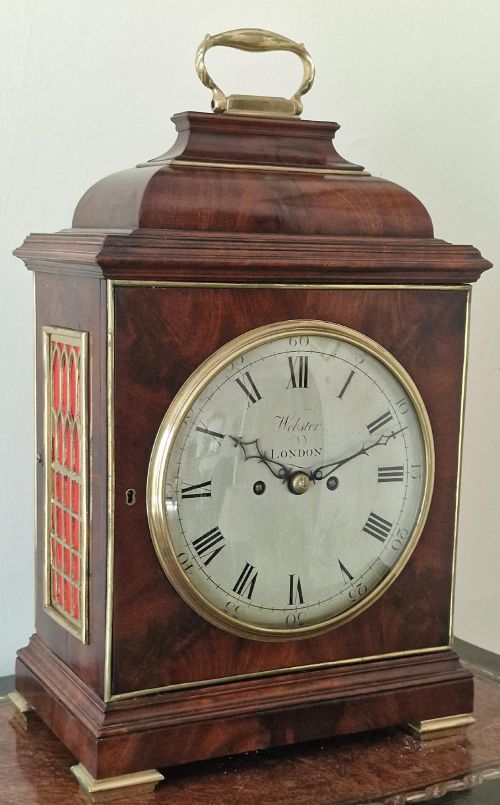
Makers represented in the current selection include London firms such as Barrett and the partnership of Barraud and Lund. Each piece demonstrates the distinct proportions favoured by British clockmakers across the periods.

Materials and construction
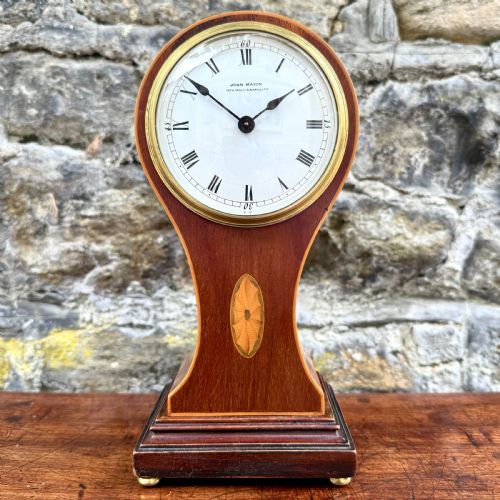
Cases rely on solid and veneered mahogany timber, chosen for its rich grain patterns and durability. Selected examples incorporate decorative stringing and inlay work to define the edges of the wooden panels.
Movements utilise brass components and mechanical fusee mechanisms to regulate the timekeeping accurately. Enamel dials protected by glazed bezels display the hours, often signed by the maker.
Retail Price Guide 2026
Typical UK retail prices for mahogany table clock, calculated from the Sellingantiques database of over a million retail prices indexed since 2003. This retail price guide relies exclusively on Sellingantiques data; no external sources or auction records are used, so the figures do not describe the wider market.
Materials recorded across these pieces include mahogany timber, brass fittings, and enamel clock faces.
Assessing quality and execution
Superior examples separate themselves through the complexity of the internal movement, such as twin fusee arrangements or repeating strike complications. The presence of a signed dial from a noted London maker elevates the standing of the clock.
Cabinetwork quality appears in the crispness of the mahogany mouldings, the proportion of the pagoda tops, and the precision of the brass inlay. Original components and intact enamel dials maintain the historical integrity of the piece.
Barrett London·Barraud And Lund
The Antique Mahogany Table Clock Glossary
- Bracket clock
- A portable spring-driven timepiece originally designed to sit upon a dedicated wall bracket. Later versions stood directly on tables and mantelpieces.
- Fusee
- A conical pulley connected to the mainspring by a chain or cord, ensuring even power delivery as the spring unwinds. This mechanism improves the timekeeping precision of the clock.
- Mantel clock
- A domestic clock designed to stand on the shelf above a fireplace. These pieces developed into varied architectural and decorative forms.
- Pagoda top
- An elevated, tiered case top that recalls East Asian roof architecture. This decorative style appeared frequently on fine bracket clocks from the Georgian period.
Frequently Asked Questions
What is a fusee movement?
A fusee movement uses a conical pulley and chain to equalise the pull of the mainspring. This keeps the driving force constant as the spring runs down.
Such mechanisms indicate higher grade clockmaking from the Georgian and Regency periods. They require careful handling during winding and regular professional servicing.
Where should I place a bracket clock?
Bracket clocks suit sturdy furniture surfaces such as sideboards, desks, or mantelpieces where they can be viewed at eye level. They need a stable, level spot to keep the pendulum or balance wheel beating evenly.
Keep them away from direct sunlight, heating vents, and damp exterior walls to protect the mahogany wood and internal metal parts.
How do I distinguish between Regency and Edwardian styles?
Regency pieces dating from the early nineteenth century feature classical restraint, dark mahogany veneers, and clean architectural lines. Edwardian examples from around nineteen hundred often incorporate lighter inlay work and larger, more decorative cases.
Examining the dial signature and interior brass plates helps confirm the likely period of manufacture.