
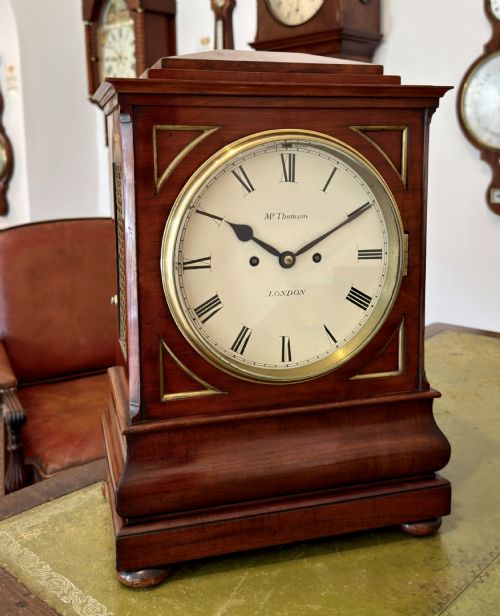
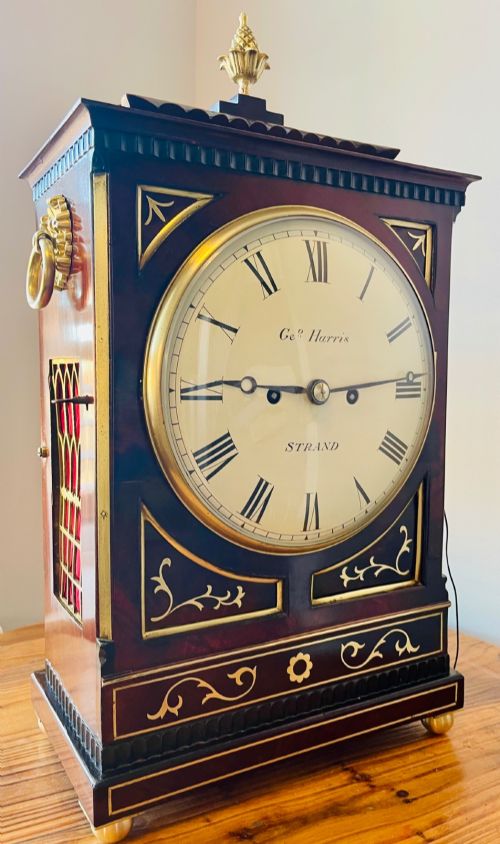
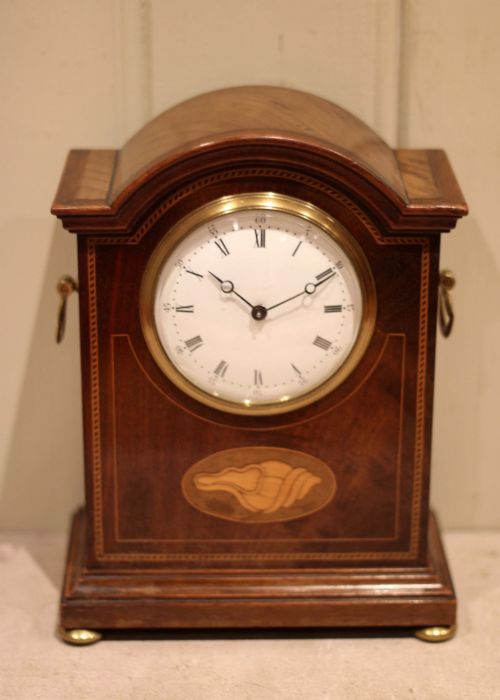
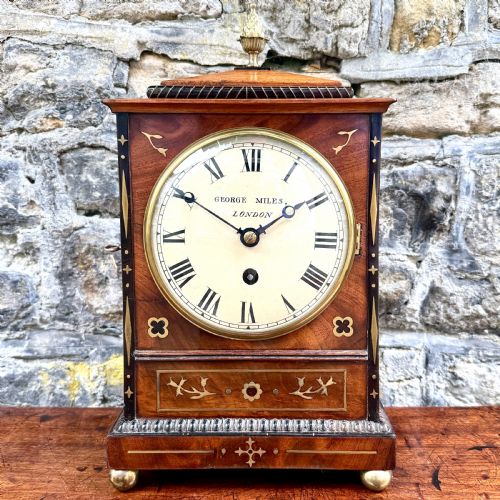
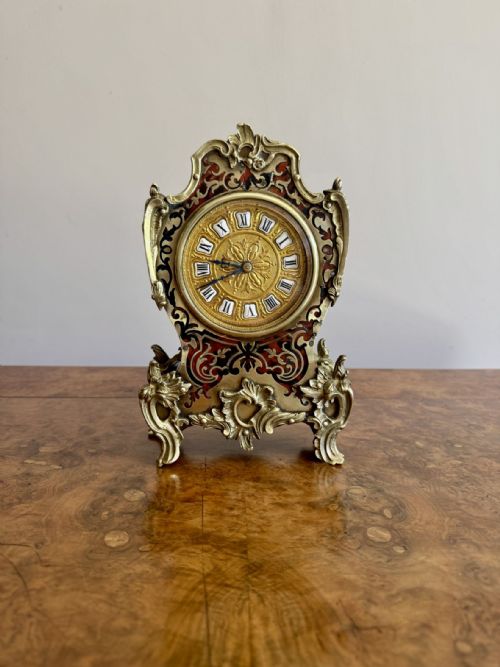


Brass Inlay Bracket Clock
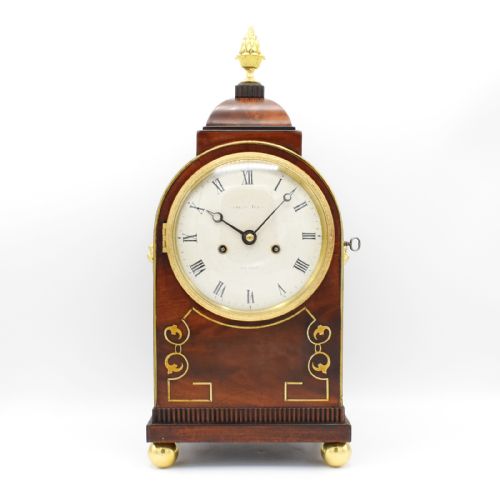
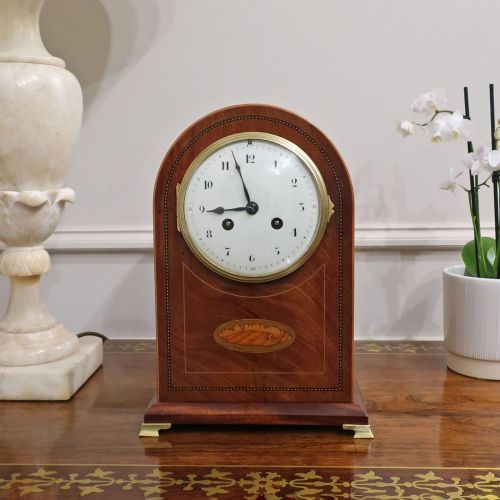
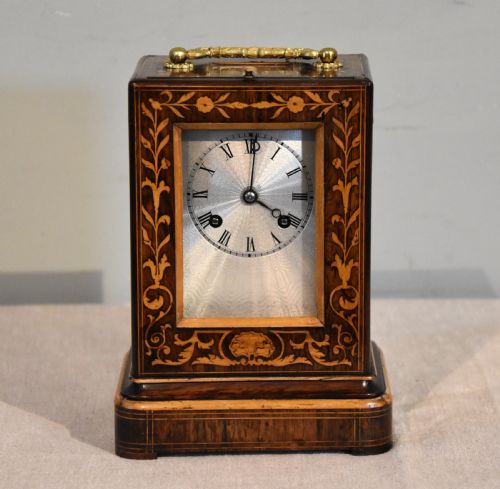
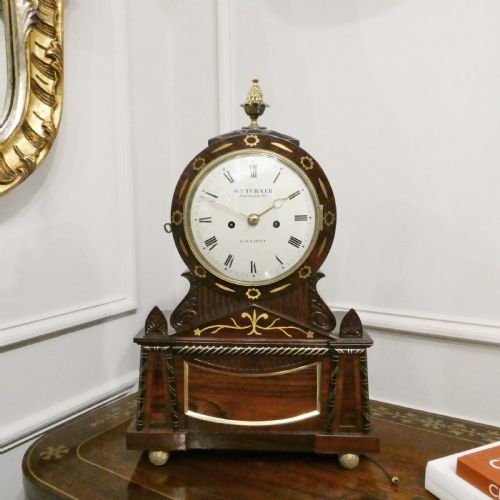
These brass inlay bracket clocks are striking portable timepieces that bring refined Regency and nineteenth-century craftsmanship into any room.
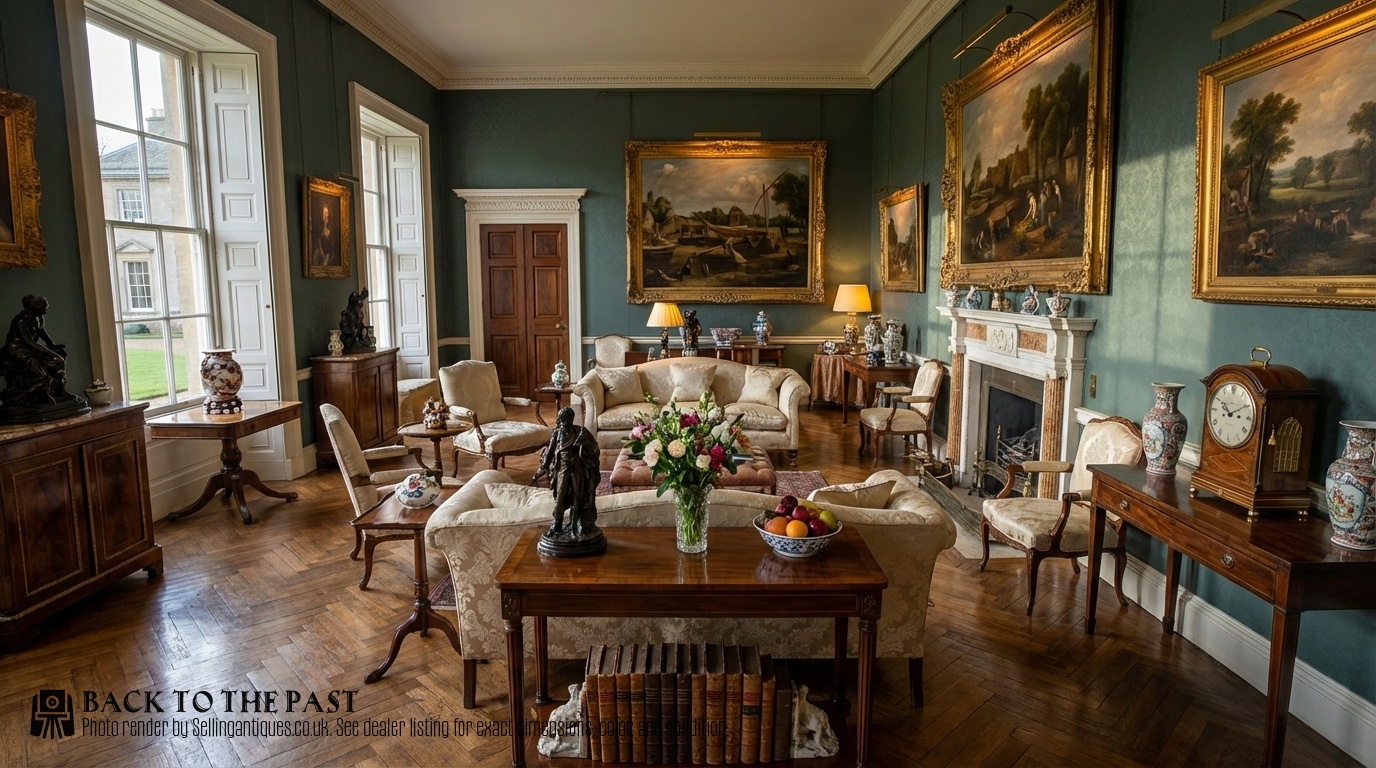
Identifying a brass inlay bracket clock
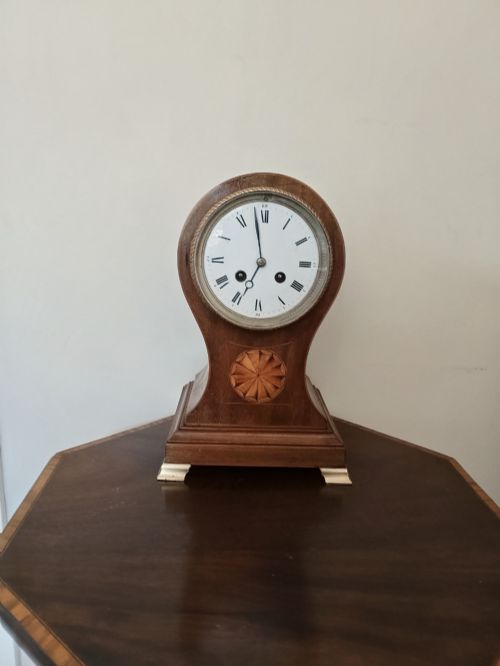
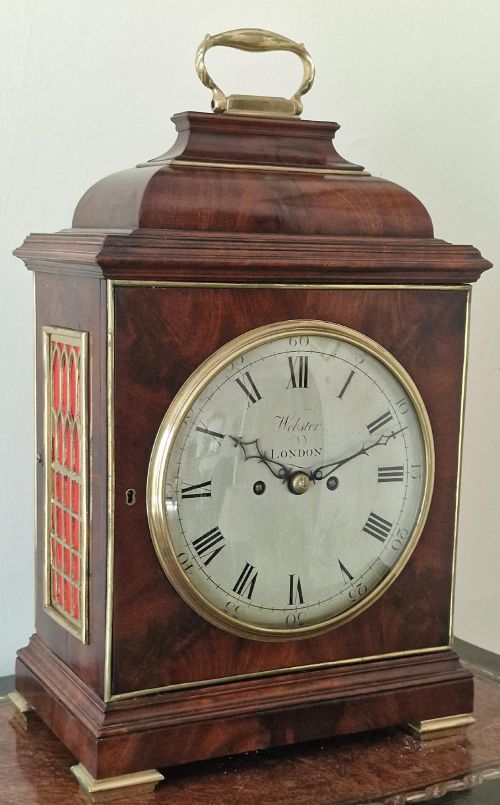
A brass inlay bracket clock stands as a sophisticated timepiece designed for table or mantel placement, typically housed in rich dark timbers. When exploring these pieces, buyers frequently encounter elegant Regency and nineteenth-century examples featuring classical architectural silhouettes or graceful lancet and chamfer tops.
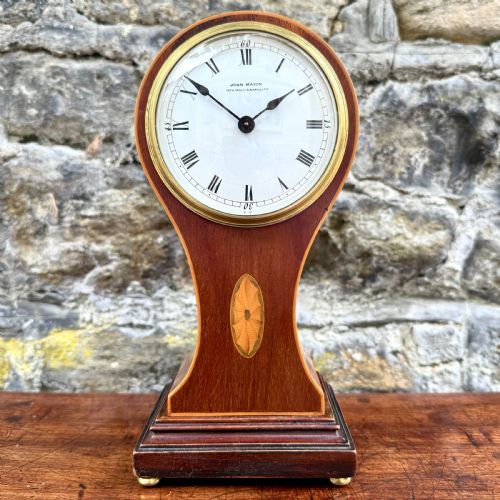
The assortment brings together robust mahogany and warm rosewood bodies decorated with precise metallic line work. Makers often integrated glass panels and silvered metal dials to complete the formal facade of these traditional mantel pieces.

Materials and construction
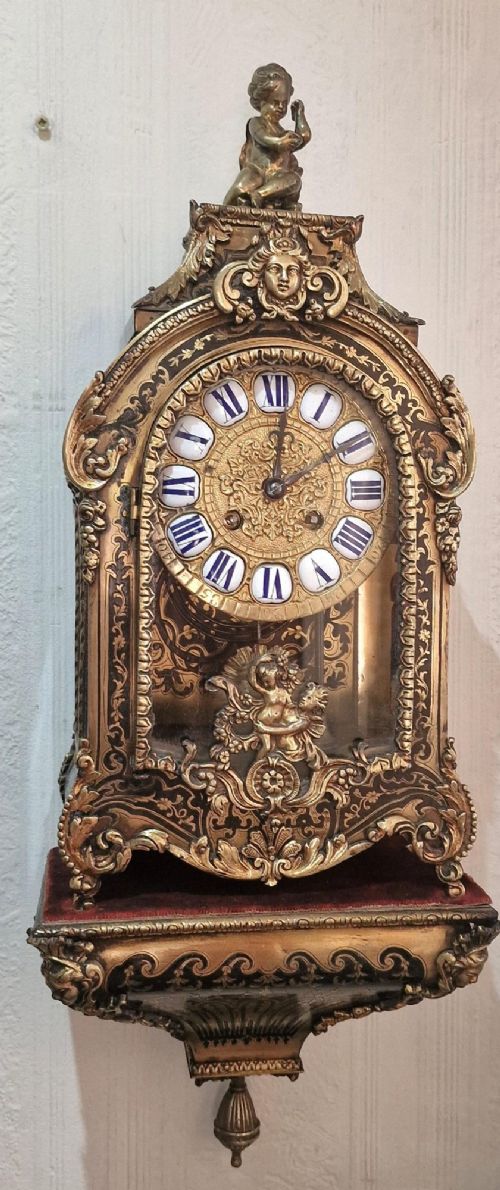
Craftsmen utilised dense hardwoods like mahogany and rosewood as the primary chassis for these timepieces, applying meticulous brass inlay directly into the wooden surface. Selected pieces incorporate tortoiseshell elements or gilt bronze mounts alongside traditional glass viewing panels.
Mechanical movements relied on fusee or striking gear systems enclosed within sturdy timber housings. Dials were frequently finished in white enamel or engraved silvered metal to ensure clear legibility.
Retail Price Guide 2026
Typical UK retail prices for brass inlay bracket clock, calculated from the Sellingantiques database of over a million retail prices indexed since 2003. This retail price guide relies exclusively on Sellingantiques data; no external sources or auction records are used, so the figures do not describe the wider market.
Listings feature mahogany and rosewood timbers paired with brass, enamel, glass, and tortoiseshell.
Distinctions in quality
The division between standard workshop production and superior output rests in the crispness of the brass channel cutting and the harmonious grain selection of the timber. Finer examples display immaculate alignment in their geometric metal decoration and substantial movement weight.
Execution of the dial contributes heavily to the overall merit of the piece. Crisp engraving on silvered metal and carefully fired enamel faces indicate higher standards of horological workmanship.
Wilkinson Leicester·J Condliff Liverpool·Payne London
The Brass Inlay Bracket Clock Glossary
- Bracket clock
- A portable timepiece originally built to rest upon a wall bracket or table. These spring-driven mechanisms often feature sturdy carrying handles.
- Fusee
- A conical pulley designed to equalise the driving force of the mainspring as it unwinds. This mechanism ensures consistent timekeeping accuracy throughout the power reserve.
- Lancet top
- An architectural clock case silhouette shaped like a pointed Gothic arch. This distinctive outline became popular during the Regency period.
- Chamfer top
- A cabinet top featuring bevelled edges that slope away at the corners. This geometric treatment softens the strict vertical lines of the clock case.
- Silvered metal
- A brass dial plate treated with a silver compound to create a matte metallic finish. Numerals and maker signatures are usually engraved and blackened for contrast.
Frequently Asked Questions
What is a bracket clock?
A bracket clock is a portable spring-driven timepiece designed for domestic placement on tables or furniture.
Historically, these devices sat upon dedicated wall brackets to project sound effectively through large rooms.
How do fusee movements work?
A fusee movement uses a conical drum to maintain steady tension as the mainspring loses power.
This clever mechanical device ensures the clock maintains consistent timekeeping from a full wind down to the end.
What woods were used?
Cabinetmakers primarily selected dense tropical hardwoods including mahogany and rosewood for their stability and rich grain.
These timbers provided a dark, contrasting background that made bright brass inlay work stand out visually.
How do I style these?
These clocks sit naturally on wooden mantelpieces, sideboards, or designated library tables where their formal silhouettes can be appreciated.
Keep them away from direct heat sources and damp environments to protect the delicate timber and internal mechanisms.