


Antique Earthenware Statue
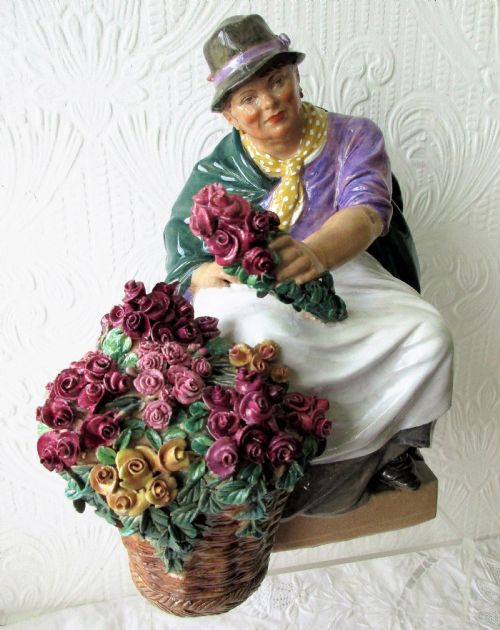
An antique earthenware statue brings character and history into a room, taking the form of figures, animals, and mythological subjects shaped from clay.
Antique Earthenware Statue
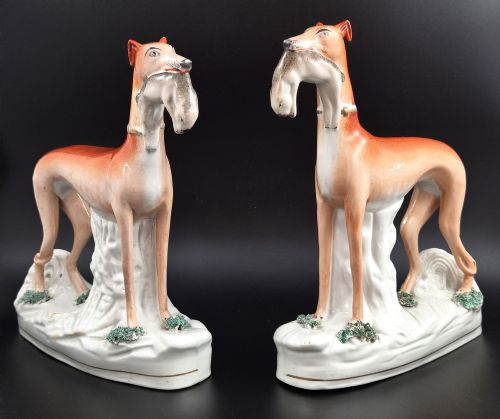
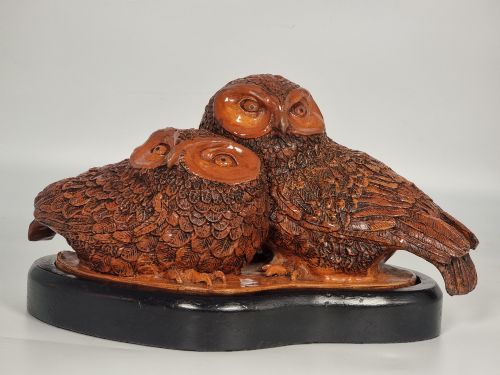
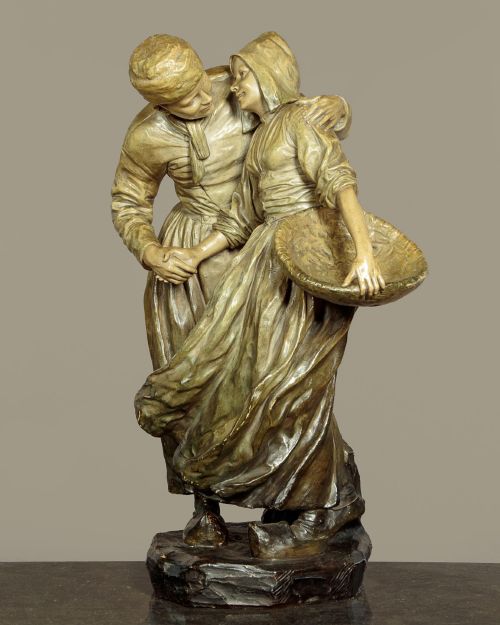
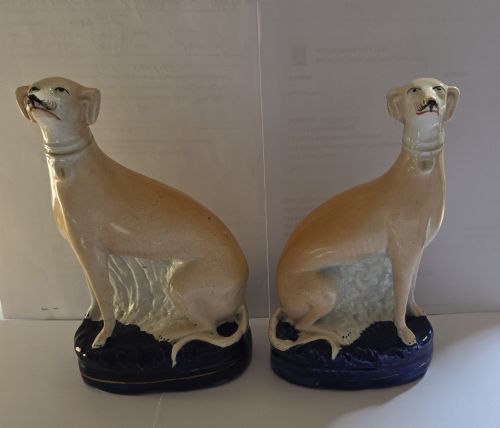
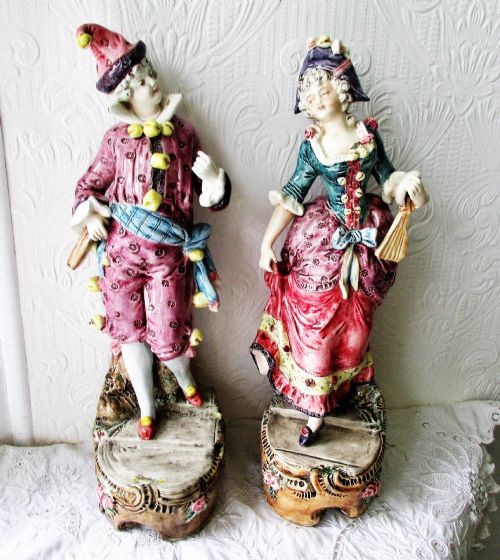
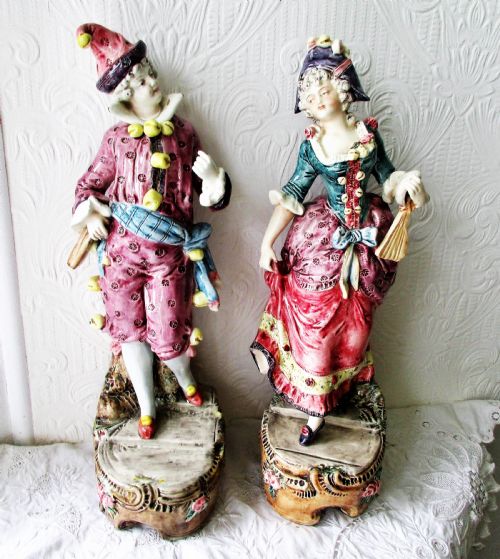
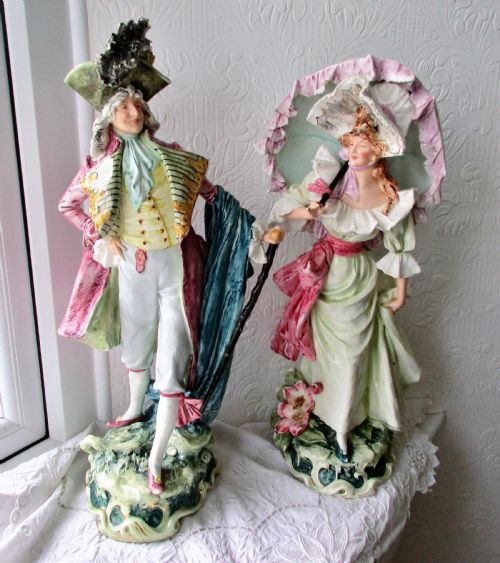
When you search for an antique earthenware statue, you encounter a diverse array of figural ceramics spanning multiple centuries and continents. The selection includes Victorian Staffordshire animals and portrait figures, continental terracotta sculptures, and Asian pottery dating from ancient periods to later revivals.
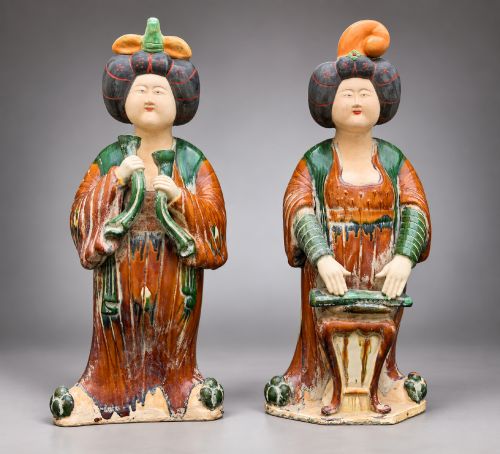
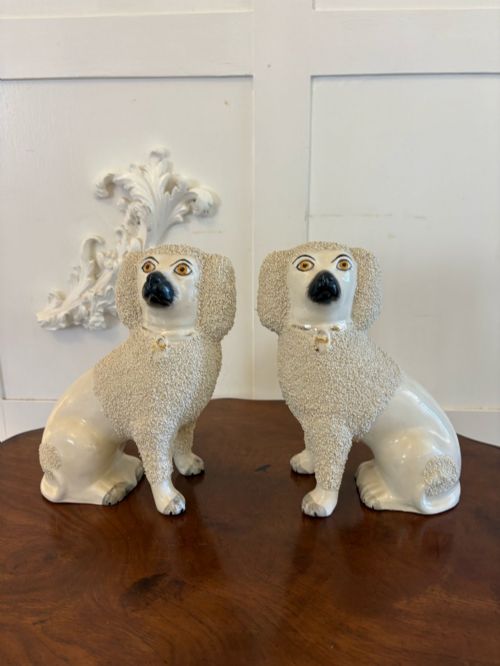
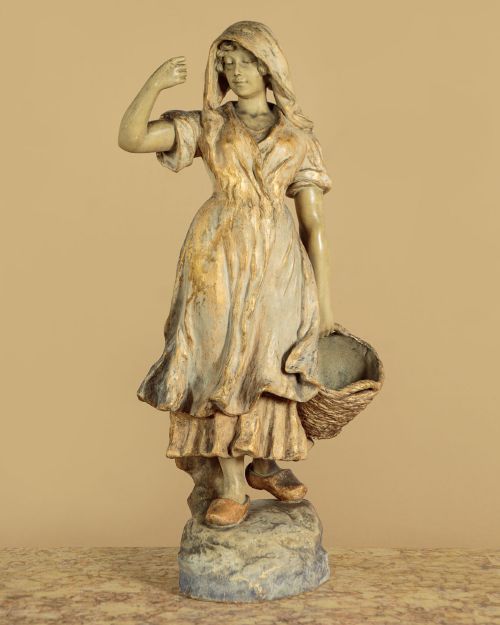
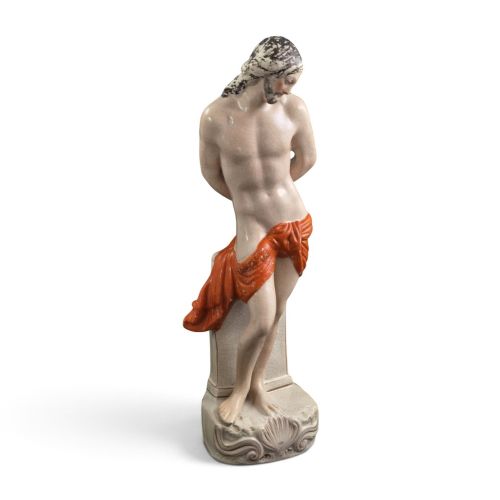
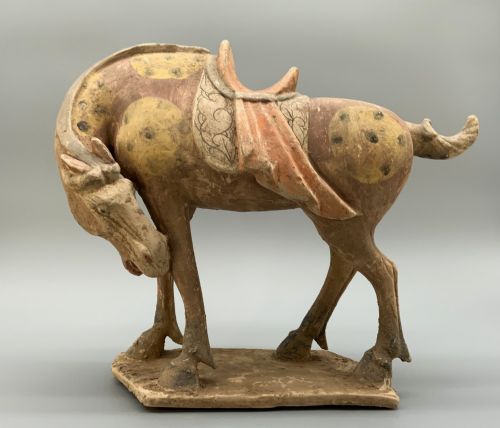
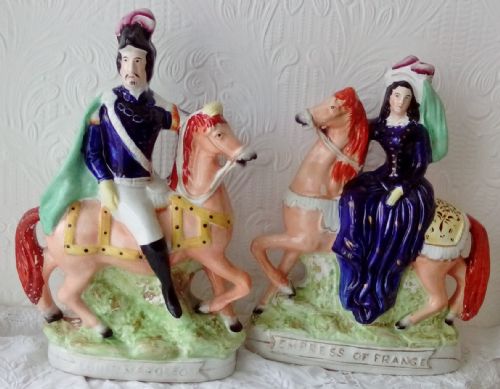
British earthenware pieces dominate the offerings, particularly Staffordshire figures depicting dogs, lions, historical personalities, and theatrical scenes. These domestic ceramics sit alongside French terracotta works and Chinese funerary figures glazed in traditional sancai colours.
The objects range from small decorative mantel ornaments and bookends to larger freestanding sculptures. Domestic Staffordshire pottery represents the most common style encountered within these listings, reflecting the prolific output of nineteenth-century English kilns.
Quality factors in earthenware sculpture
The precision of the kiln firing also dictates the success of the piece, as superior examples avoid heavy warping, kiln cracks, or discoloured glaze pooling. Original matched pairs and pieces retaining their vibrant early enamels command greater attention from collectors.
Listings feature earthenware statues spanning from the Tang Dynasty and ancient pre-Columbian cultures to the Victorian era and Art Deco period.
Charles Vyse·Friedrich Goldscheider·Ralph Wood
The Antique Earthenware Statue Glossary
- Earthenware
- A porous pottery body fired at lower temperatures, requiring a glaze to become impermeable to liquids. It forms the foundation for the majority of traditional figures and decorative sculptures.
- Pearlware
- A refined type of earthenware developed in the eighteenth century featuring a subtle bluish glaze that pooled in recesses. It bridges the aesthetic gap between creamware and later white ironstone.
- Terracotta
- Unglazed or clear-glazed fired brownish-red clay used extensively for sculptural figures. The material allows for fine modelled detail favoured by continental makers.
- Sancai
- A traditional Chinese three-colour lead glaze technique typically combining amber, green, and creamy white tones. It appears on Tang Dynasty funerary figures and later revival pieces.
- Spill vase
- A hollow figural ceramic designed to hold wooden spills for lighting candles or fires. These dual-purpose objects combine practical household utility with decorative modelling.
Antique Earthenware Statue: Frequently Asked Questions
How do I date an antique earthenware figure?
Dating relies on examining the clay body, glaze characteristics, and the style of the clothing or subject matter depicted. Victorian pieces often display distinctive underglaze blue or enamel hand-painting, while earlier pearlware figures exhibit a characteristic bluish glaze tint.
Comparison with documented examples from known potteries or makers helps narrow down the decade of production. Examining the base for firing marks, crazing patterns, and wear provides further clues to age.
Were Staffordshire figures meant for display?
Staffordshire pottery figures served as affordable parlour ornaments for the nineteenth-century middle-class home. Placed on mantelpieces, sideboards, or chests of drawers, they brought colour and narrative interest to domestic interiors.
Subjects ranged from domestic pets and literary heroes to contemporary political figures and theatrical characters. Owners used them to signal their tastes, loyalties, and cultural interests to visitors.
How should I clean my earthenware statue?
Dust these ceramic pieces gently with a soft, dry brush to prevent the accumulation of dirt within crevices and painted areas. Avoid using water, harsh cleaning agents, or immersion, as old glazes and enamel colours can be sensitive to moisture.
If deeper cleaning is necessary, consult a professional conservator rather than attempting chemical treatments at home. Earthenware is porous, and trapped moisture can destabilise the clay body or existing repairs.
What is the difference between terracotta and earthenware?
Terracotta is a specific type of porous earthenware left unglazed or treated with a clear wash, showcasing the natural reddish-brown clay body. General earthenware encompasses a broader category of low-fired pottery that is typically coated with opaque or coloured glazes.
Sculptors often favoured terracotta for its warm, matte surface texture which accentuates fine modelled details. Glazed earthenware offers waterproof qualities and vibrant colour decoration suited to utilitarian and decorative objects alike.