





Military Staffordshire Pottery
Military staffordshire pottery figures and commemorative plates bring Victorian history home through vibrant earthen portraits of generals, admirals and rulers.
Military Staffordshire Pottery
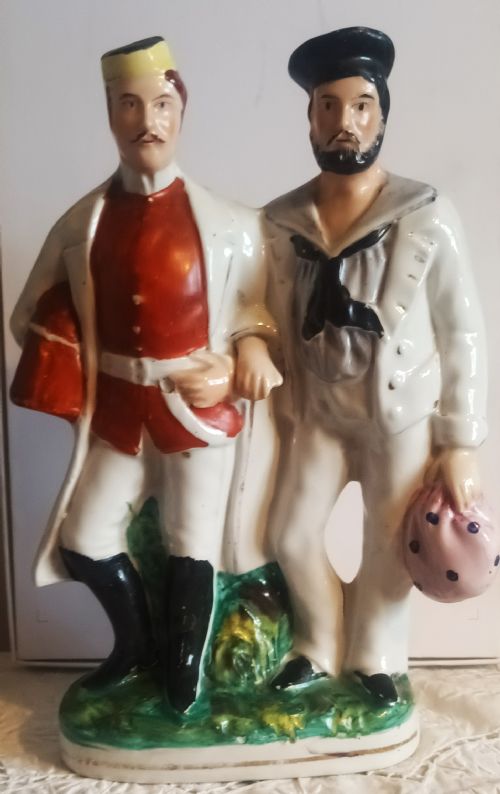
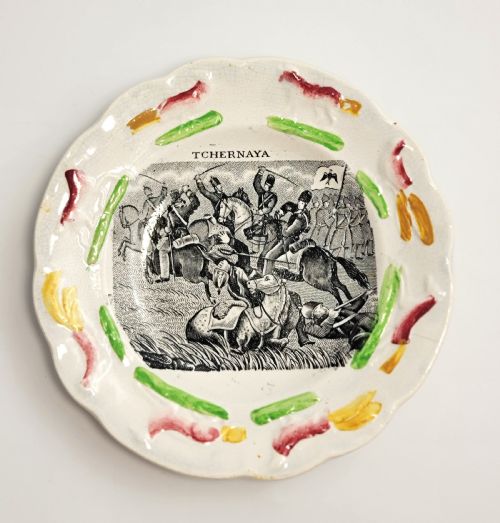
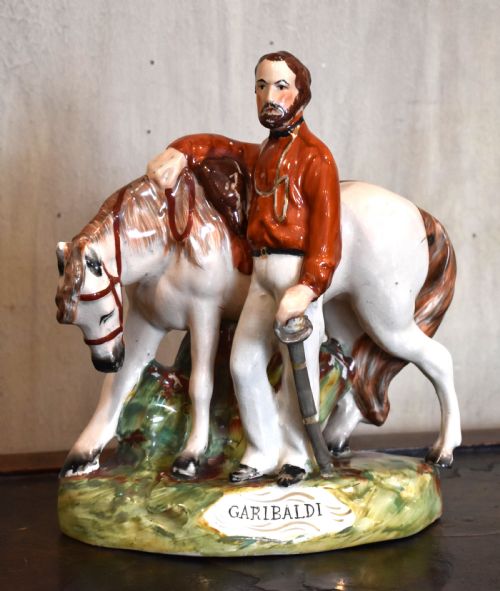
When you search for military staffordshire pottery, you find nineteenth-century earthenware figures and plates that commemorate campaigns, regiments and leaders. The selection centres on Victorian pieces depicting prominent historical figures such as Napoleon III, Garibaldi and Admiral Sir Charles Napier.
Most examples appear as standing pottery figures or decorative plates associated with conflicts like the Crimean War. Makers also produced jugs and pitchers celebrating volunteers and commanders, capturing the patriotism of the era in ceramic form.
How they were made
The materials recorded in these pieces consist primarily of glazed ceramic earthenware finished with enamel and paint. Firing methods of the nineteenth century produced the sturdy bodies typical of these commemorative figures and plates.
Current listings feature nineteenth-century earthenware figures and plates decorated with enamel paint, glaze, and gilt.
What varies in quality
The application of glaze and gilt also distinguishes better examples from simpler production pieces. Finer specimens retain rich surface decoration and clean modelling without excessive blurring in the paintwork.
Thomas Parr
The Military Staffordshire Pottery Glossary
- Earthenware
- Porous pottery fired at lower temperatures, commonly used for nineteenth-century figures. It forms the standard body material for these glazed ceramic objects.
- Lead glaze
- A glossy coating containing lead compounds that gives these ceramics a shiny waterproof finish. It protects the underlying clay body and enamel paint.
- Gilt
- Gold leaf or metallic paint applied as a decorative accent on ceramics. Potters used it sparingly to highlight lettering or uniform details.
Military Staffordshire Pottery: Frequently Asked Questions
What periods do these pieces date from?
These ceramic pieces date from the nineteenth century, with many examples originating in the Victorian era around the mid to late eighteen-fifties and eighteen-sixties. Specific dates often link to historical events such as the Crimean War.
Collectors encounter figures and plates produced during the reigns of Victorian monarchs and leaders. The recorded styles align directly with Victorian pottery traditions.
How were these ceramic items used?
Victorian households displayed these figures and commemorative plates on mantelpieces and sideboards as patriotic ornaments. They served as visual tributes to military heroes and contemporary political allies.
Unlike utilitarian kitchenware, these decorative objects were intended purely for display. They allowed ordinary citizens to engage with current military campaigns and national events.
How do I care for a pottery figure?
Keep these glazed earthenware pieces out of direct sunlight to prevent the enamel paint from fading over time. Dust them gently with a dry, soft cloth rather than using liquid cleaners.
Avoid moving them frequently, as the raised parts and painted surfaces remain vulnerable to impact. Stable shelf placement protects the ceramic body and glaze.
Which historical figures appear on them?
Portraits frequently depict prominent military commanders and political leaders such as Napoleon III, Garibaldi, and General Charles George Gordon. Naval figures like Admiral Sir Charles Napier and Admiral Sir James Dundas also appear.
Commemorative pieces additionally honour volunteer regiments and specific conflicts like the Crimean War. Each subject reflects the public interest of the Victorian period.