
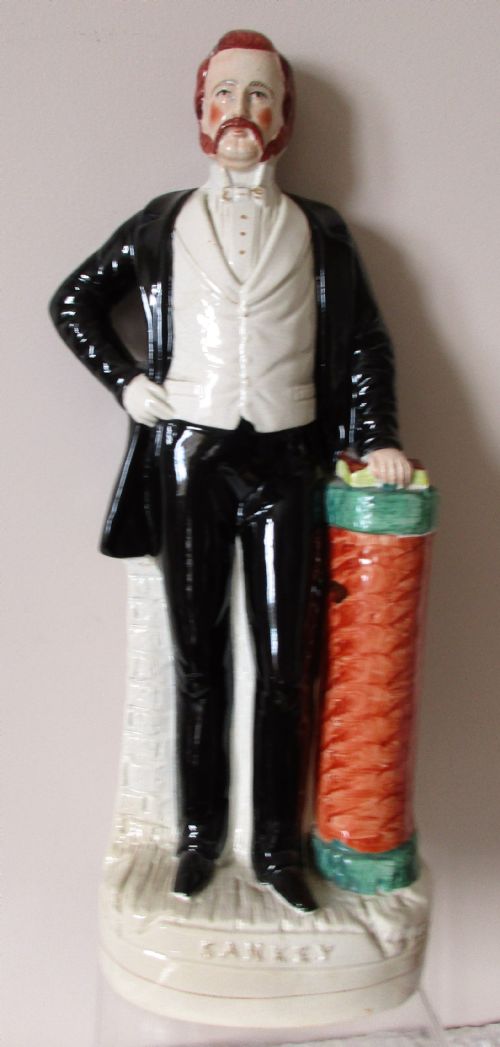
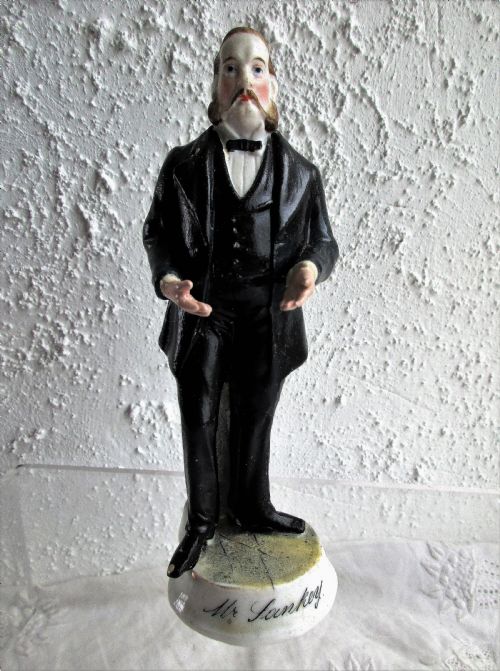


Staffordshire Ceramic Portrait Figure
These staffordshire ceramic portrait figure pieces capture historical figures and royalty in earthenware, offering a tangible connection to nineteenth-century popular culture.
Staffordshire Ceramic Portrait Figure
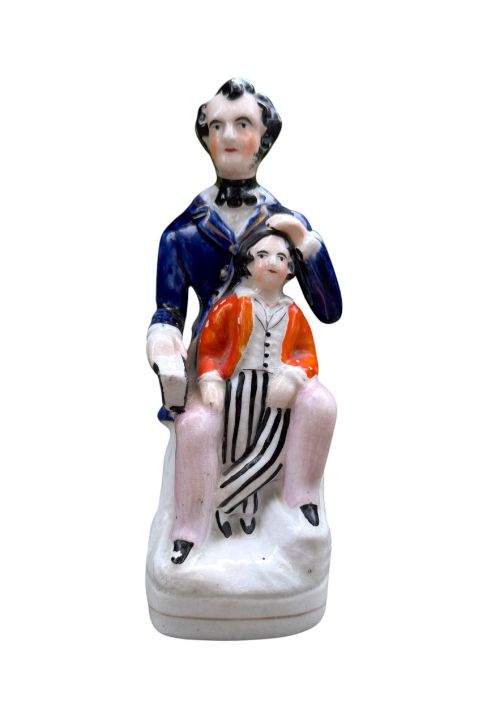
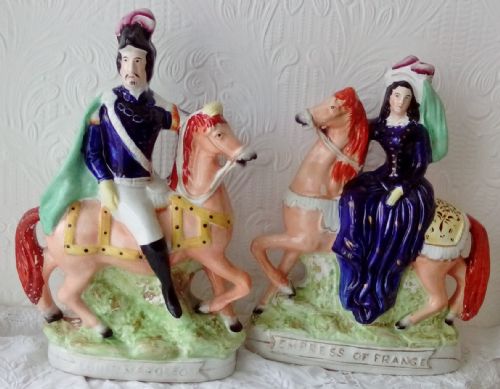
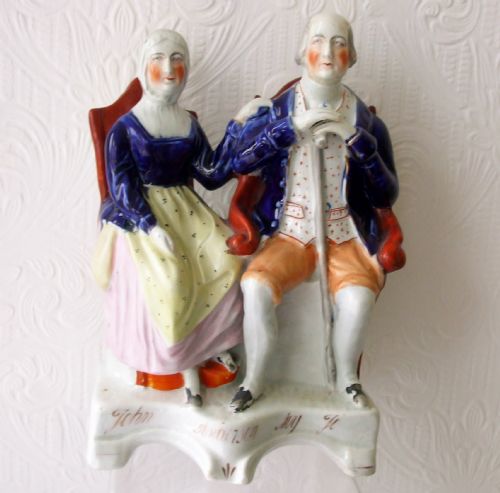
A staffordshire ceramic portrait figure represents royalty, military leaders, literary characters, and contemporary personalities from the nineteenth century. These ceramic pieces portray notable individuals such as Queen Victoria, Lord Shaftesbury, and William Shakespeare.
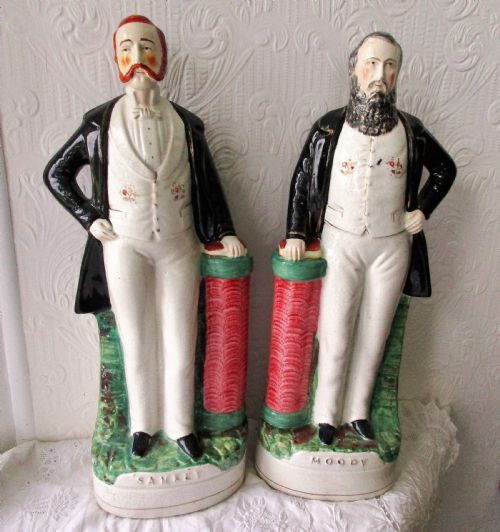
The selection ranges from single figures to royal portrait groups and flatback pairs. Makers produced these pottery figures during the Victorian era and the Georgian period to commemorate famous political events, theatrical performances, and patriotic themes.
Buyers encounter earthenware figures decorated with enamel paint and lead glaze. These decorative figurines vary in scale from standard mantelpiece ornaments to larger portrait busts.
Assessing Quality
Quality rests in the crispness of the modelling and the precision of the enamel painting applied to the face and attire. Finer pieces display clear facial likenesses and careful hand-painting rather than hurried mass-production strokes.
The clarity of the titling on the base distinguishes superior examples from standard workshop output. Well-defined lettering and consistent glaze coverage elevate an individual piece within the nineteenth-century range.
One Benjamin Franklin figure arrived on the market bearing the name Washington instead.
The Staffordshire Ceramic Portrait Figure Glossary
- Flatback
- A figure moulded with a finished front and a plain, unglazed or partially glazed rear designed to sit flush against a wall or mantelpiece. This construction method saved materials and drying time in the pottery kiln.
- Lead glaze
- A glossy coating containing lead oxide applied to earthenware before firing to seal the porous clay body. It gives the surface its characteristic nineteenth-century shine.
- Earthenware
- A porous, opaque ceramic body fired at lower temperatures than porcelain. It served as the primary material for Staffordshire figure production.
- Gilt
- A thin layer of gold applied to ceramic details for decorative emphasis. It appears on royal portrait groups and theatrical figures.
Staffordshire Ceramic Portrait Figure: Frequently Asked Questions
What do these figures depict?
These ceramic works portray nineteenth-century royalty, military heroes, literary characters, and evangelists.
Subjects range from Queen Victoria and Prince Albert to theatrical performers and political figures.
Were these figures made as pairs?
Many nineteenth-century portrait pieces were issued as matched pairs, particularly royal couples or evangelists like Moody and Sankey.
Single figures were also common for individual monarchs, literary heroes, and historical personages.
How do I identify a flatback figure?
A flatback piece has a decorated front and a plain, flat rear designed to sit closely against a mantelpiece.
This style became standard for nineteenth-century Staffordshire pottery intended for interior display.
What materials did potters use?
Potters shaped these decorative objects from earthenware and porcelain, finishing them with lead glaze.
Enamel paint and occasional gilt highlights provided the distinctive colouring for clothing and facial details.