


Antique Dog Statuette
An antique dog statuette captures canine form in bronze, porcelain, or earthenware, offering both character and history to any mantelpiece.
Antique Dog Statuette
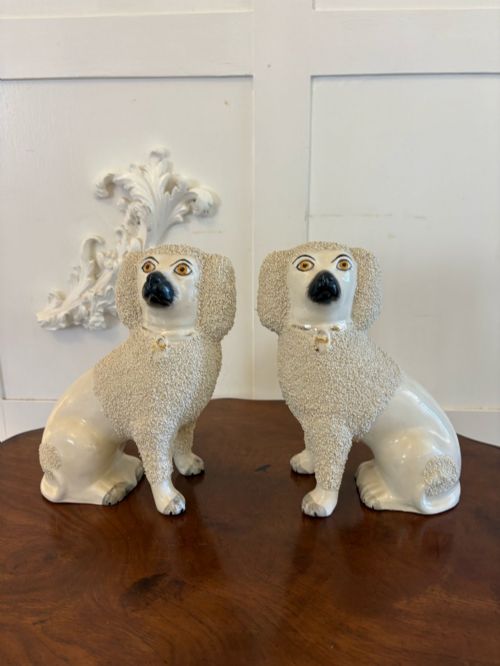
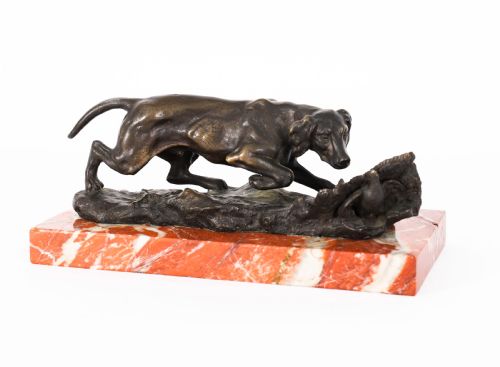
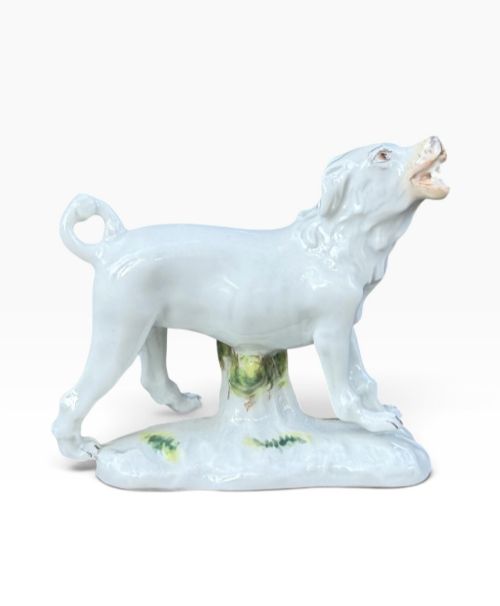
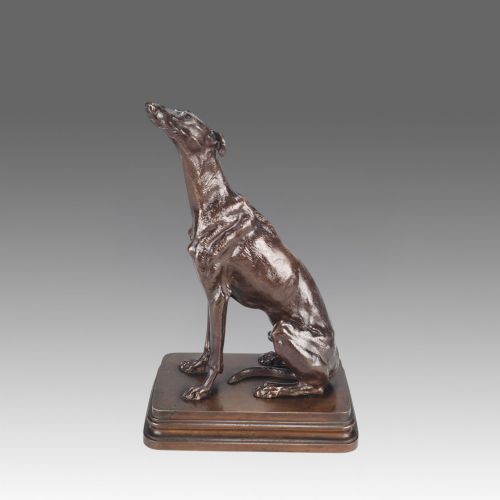
When you search for an antique dog statuette, you encounter a diverse array of sculptural forms ranging from French animalier bronzes to Staffordshire pottery figures and Meissen porcelain groups. The pieces span Georgian, Victorian, and early twentieth-century periods, reflecting the shifting tastes of collectors and households over generations.
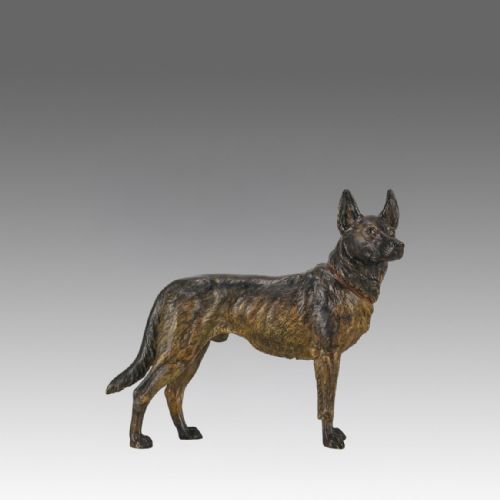
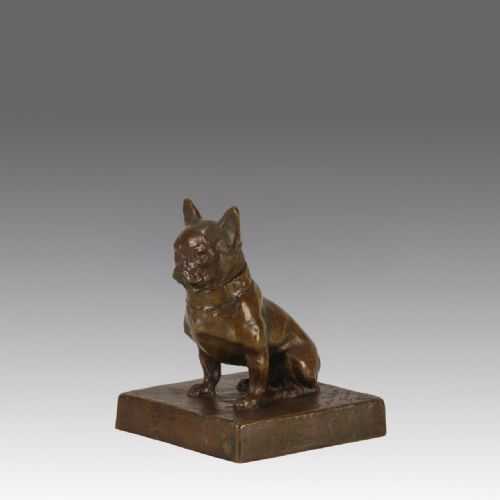
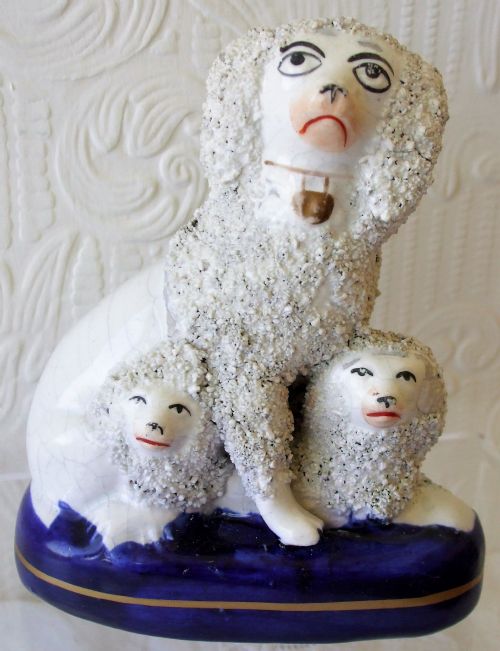
You are most likely to meet Staffordshire poodles, whippet quill holders, and bronze studies of hounds or terriers on this page. These works frequently draw on Animalier, Rococo, or Neoclassical styles, capturing breeds from pugs and basset hounds to Alsatians and setters in cast metal or fired clay.
Materials and Techniques
Metal statuettes rely on traditional foundry methods, utilising bronze casting sometimes finished with cold-painted enamel, or ormolu and gold leaf accents on marble bases. Sculptors of the animalier school captured musculature and texture through precise metalwork.
Ceramic and porcelain examples involve skilled modelling, glazing, and hand-painting. Factories utilised earthenware, Parian ware, and fine porcelain, often incorporating delicate underglaze or overglaze polychrome details before firing.
Antique Dog Statuette Retail Price Guide 2026
Typical asking prices for dog statuette among the pieces listed under this phrase on Sellingantiques today, from the lower quarter to the upper quarter. They describe what is for sale here now, not the wider market.
Several dogs double as stationery, holding quill pens or serving as inkwells for Victorian letter writers.
Evaluating the Pieces
Quality rests upon the fidelity of the sculptural model and the crispness of the casting or moulding. Finer bronzes exhibit sharp articulation in fur and expression without losing the sense of life, while superior ceramics maintain clean hand-painted enamel lines and well-balanced forms.
The sophistication of the partnership between material and subject dictates the standing of a piece. Works associated with known founders or prominent modeller studios show a greater sensitivity to anatomical proportion and surface finish.
Carl Kauba·Alfred Dubucand·Franz Bergman·Dora Heber·Edith Parsons·Antoine Louis Barye·Louis Riché
The Antique Dog Statuette Glossary
- Animalier
- A nineteenth-century artistic movement dedicated to the realistic portrayal of animals. Sculptors in this tradition focused heavily on anatomical accuracy and dynamic poses.
- Cold-Painted Bronze
- A technique where bronze figures receive paint layers without subsequent kiln firing. This method allows for vivid colouration, though the paint remains susceptible to chipping over time.
- Parian
- A fine white unglazed porcelain resembling marble, developed in the nineteenth century. It gained popularity for portrait busts and animal figures due to its smooth, stone-like texture.
- Serpentine
- A green silicate mineral resembling marble, frequently utilised for decorative bases and sculptural mounts. Its mottled appearance adds natural contrast to metal figures.
Antique Dog Statuette: Frequently Asked Questions
What periods do these dog statuettes come from?
The pieces span from the mid eighteenth-century Georgian era through the Victorian period and into the early twentieth century. Many examples date specifically from the nineteenth century.
Craftsmanship styles shift noticeably across these decades, moving from ornate porcelain figures to realistic bronze animalier studies.
How were these figures used originally?
Many statuettes served purely as decorative mantel or cabinet ornaments intended to display a household's affection for animals. Others fulfilled practical purposes, such as inkwells, quill holders, or desk accessories.
Porcelain groups often sat amongst formal table ceramics, while bronze hounds anchored studies and libraries.
How should I care for porcelain dog figures?
Porcelain and ceramic pieces require gentle dusting with a soft, dry brush to prevent the accumulation of grime in crevices and painted areas. Avoid using harsh chemical cleaners or submerging antique glazed pieces in water.
Keeping them away from direct sunlight protects hand-painted enamel colours from fading over the years.