


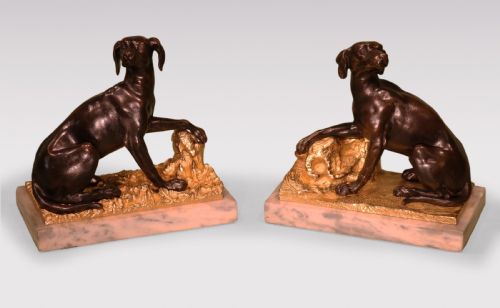


Bronze Dog Statuette
A bronze dog statuette captures canine character in metal, offering a tactile piece of history for your desk or mantelpiece.
Bronze Dog Statuette
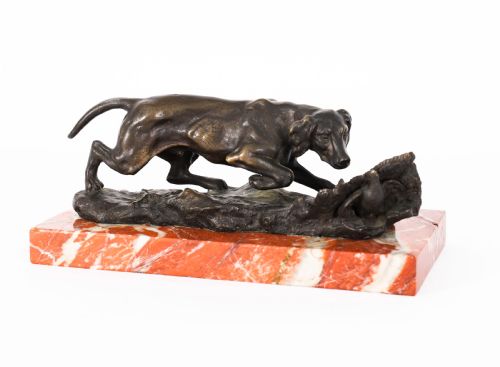
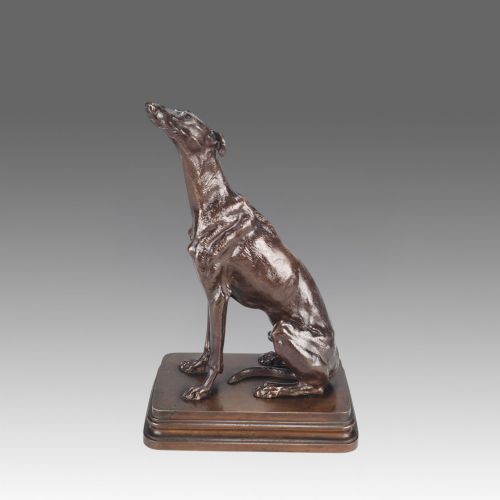
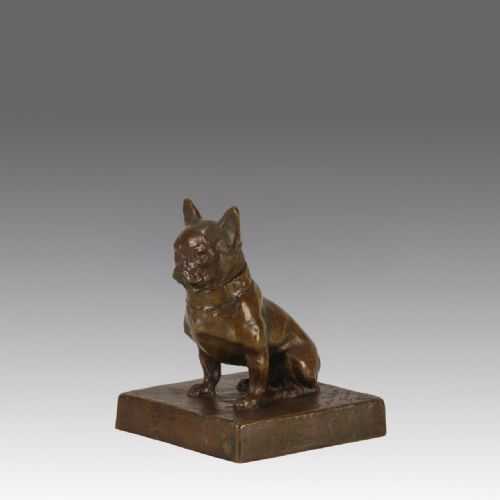
When you search for a bronze dog statuette, you encounter sculptures, figurines, and inkwells depicting hounds, terriers, bulldogs, and sporting dogs. These figures emerge primarily from the nineteenth and early twentieth centuries, reflecting a period of intense fascination with animal anatomy and behaviour.
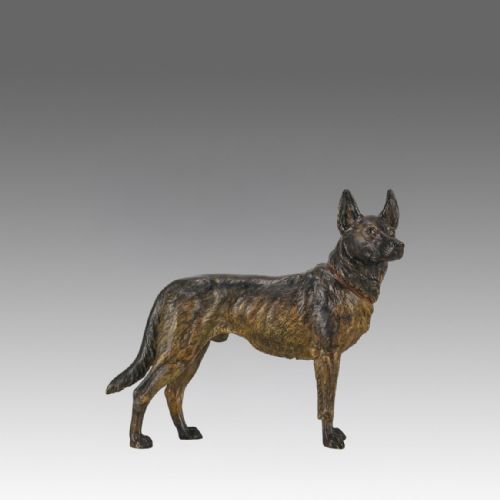
You meet French Animalier works alongside Austrian Vienna bronzes and Tibetan temple lions. The subjects range from hunting dogs with birds and pheasants to domestic pets like pugs and Alsatians, modelled in stationary poses or active pursuits.
Nineteenth-century French examples often focus on realism in sporting and hunting hounds. Early twentieth-century pieces lean towards distinct breeds and decorative applications, including desk accessories such as inkwells.
How they were made
Foundries utilised bronze, often patinated or combined with ormolu, mounted on marble bases. Some pieces employ cold-painted techniques where pigment is applied to the metal surface.
Gilt bronze and brass also appear, sometimes paired with paint to accentuate details on the animals. Foundries such as Barbedienne cast works for prominent sculptors of the period.
Listings feature materials including bronze, marble, ormolu, and brass, spanning the nineteenth century and the early twentieth century.
What varies in quality
The precision of the casting and the fidelity of the musculature and fur separate standard figures from superior examples. Master modellers capture the tension in a hound or the relaxed posture of a seated basset with keen observation.
The quality of the chase work - the hand-tooling applied after casting - determines the crispness of the details. Surface finishes, whether rich patination or preserved cold-paint, dictate the visual depth of the statuette.
Carl Kauba·Alfred Dubucand·Franz Bergman·Dora Heber·Edith Parsons·Antoine Louis Barye·Louis Riché·Barbedienne
The Bronze Dog Statuette Glossary
- Animalier
- A nineteenth-century artistic movement focused on the realistic depiction of animals. Sculptors in this tradition studied anatomy closely.
- Vienna Bronze
- Small, highly detailed bronze figures produced in Austrian foundries, frequently finished with cold-painted pigments. These often include utility items like inkwells.
- Ormolu
- Gilt bronze mounted onto furniture or used decoratively in combination with cast bronze figures. The technique involves applying a gold amalgam to the metal.
- Patination
- The chemical treatment applied to the bronze surface to alter its colour and tone. This process protects the metal and adds depth to the sculpture.
- Cold-Painted Bronze
- A method where oil paint is applied to a cold bronze surface rather than fired in a kiln. This technique is characteristic of Austrian production.
Bronze Dog Statuette: Frequently Asked Questions
How do I clean a bronze dog statuette?
Dust the surface gently with a soft, dry brush to remove particles without disturbing the patination. Avoid water, soap, or chemical polishes that strip historical finishes from the metal.
Apply a microcrystalline wax very sparingly if the bronze requires protection against moisture. Buff lightly with a clean cloth to maintain a stable finish.
Were these figures used as desk accessories?
Many bronze dogs served practical functions beyond simple decoration. Inkwells and desk stands incorporated small animal sculptures into everyday office equipment.
These functional pieces combined artistic modelling with utility, appealing to Victorian and Edwardian desk users.
What is the difference between French and Austrian bronzes?
French bronzes from the nineteenth century typically focus on anatomical realism in sporting dogs and wildlife. They rely on rich patination to highlight muscular form.
Austrian pieces often utilise the cold-painted technique, introducing bright colours to smaller domestic breeds and novelties.
How do I identify a cast after a known artist?
Signatures or foundry marks cast into the base indicate the maker or the production workshop. Look for signatures integrated directly into the bronze during the casting process.
Comare the modelling quality and proportions with documented examples from the same period to understand the origin.