





Carved Marble Plinth Sculpture
These carved marble plinth sculpture pieces combine classical weight and fine stone, offering sturdy architectural presence for display.
Carved Marble Plinth Sculpture
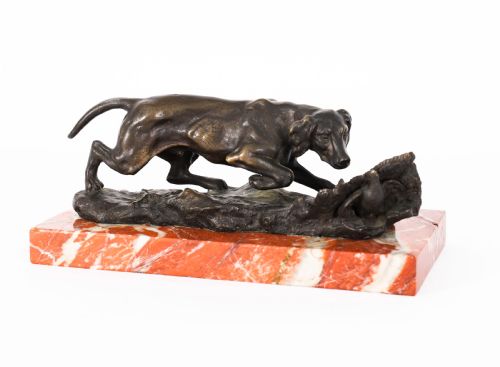
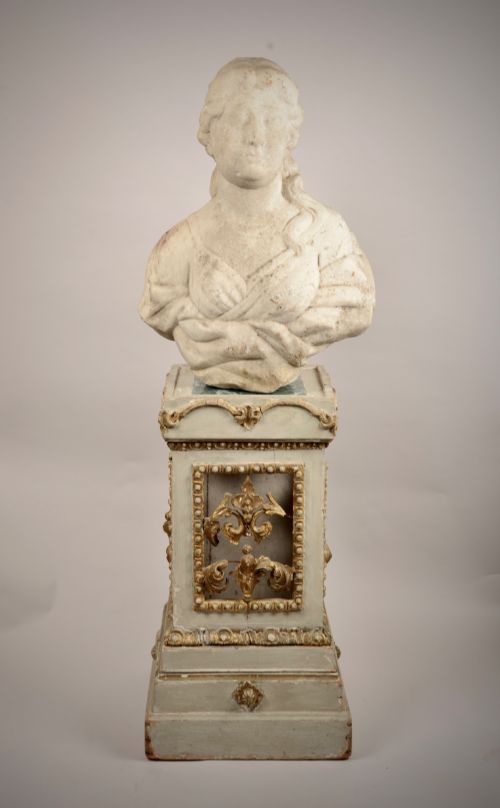
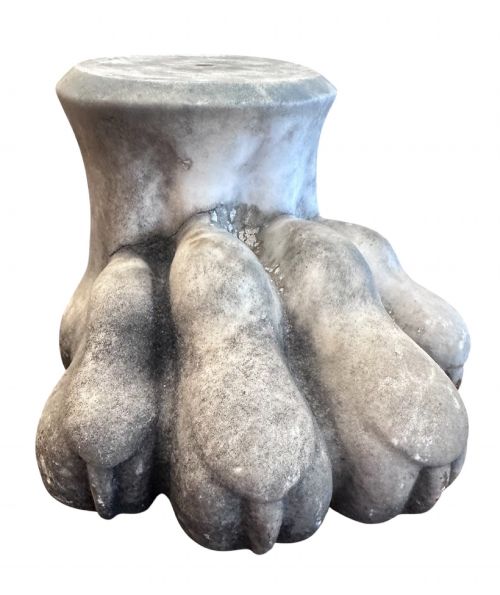
A carved marble plinth sculpture brings together three-dimensional figures, busts, and animals with the architectural height of columns and pedestals. When searching for this phrase, buyers encounter everything from grand tour statues and animalier bronzes to Italian Carrara marble lion paws and Neoclassical torchere stands. These objects bridge the gap between fine sculpture and structural support, often serving to elevate smaller decorative items or standing alone as major focal points in a room.
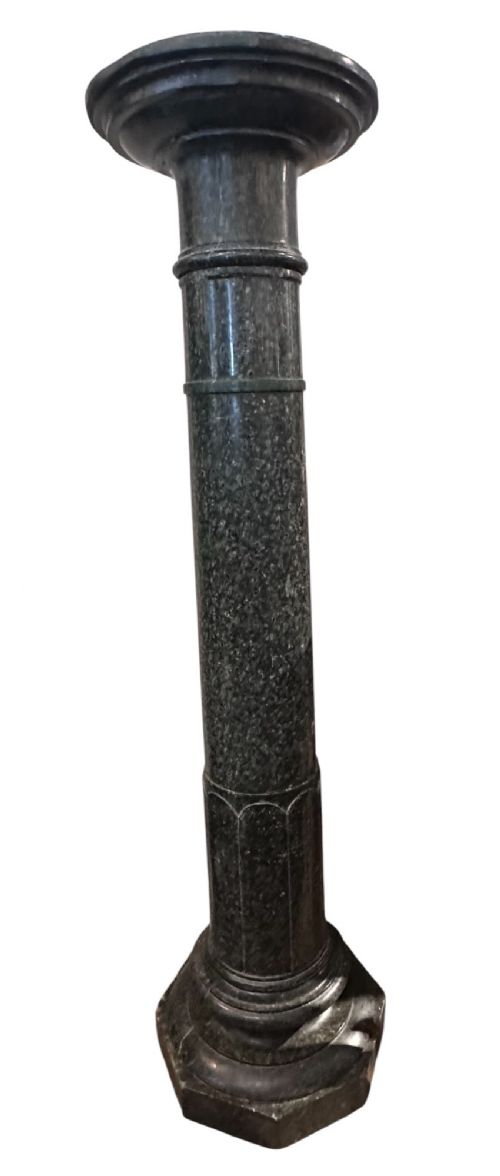
The pieces appearing on this page stretch across several centuries, beginning in the seventeenth century and moving through eighteenth-century triform designs into nineteenth-century French and Italian works. Forms range from slender columns in Verde Antico and variegated green marble to heavy square scagliola pedestals and carved alabaster plant stands. Buyers are most likely to find nineteenth-century Italian and French examples shaped by Neoclassical and Baroque revivals.
Materials and construction
Masons and sculptors shaped these works primarily from stone, utilising distinct varieties such as Carrara marble, Verde Antico, alabaster, and green serpentine. Craftsmen turned columns on lathes or carved intricate details by hand, producing tactile surfaces that reveal the natural veining and varied coloration of the raw material. Bronze, ormolu, and giltwood mounts frequently appear alongside the stone, adding gilded highlights and structural mounts to columns and pedestals.
Techniques varied from the precision of nineteenth-century Italian carving on torchere stands to the decorative use of scagliola for composite stone effects. Busts and figures like the carved alabaster nude or the marble philosopher demand meticulous hand-chiselling to capture fabric folds, hair texture, and facial expression. Ormolu mounts are cast and chased separately before being secured to marble shafts, combining metalworking skill with stonemasonry.
Listings feature pieces spanning from the seventeenth century through to the 1930s, incorporating materials like Carrara marble, alabaster, and bronze.
Assessing quality in carved stone
Quality rests upon the crispness of the hand-carving and the choice of stone, where lively natural veining and uniform colour distribution elevate a column or bust. Superior pieces display deep, undercut details in sculptural elements and precise turning on columnar shafts rather than soft, rounded edges. The integration of secondary materials, such as finely chased ormolu mounts fitted flush to the marble, separates standard architectural salvage from exceptional workshop production.
The proportion and stability of the form dictate the success of the piece, particularly in tall pedestals and columns where balance is essential. Antique examples demonstrate a harmony between the weight of the stone base and the delicacy of the carved capital or figure above. Evidence of age, tool marks from hand-chiselling, and the integrity of the marble grain all contribute to the distinction between ordinary utility items and fine decorative art.
Carl Kauba·Fritz Kochendorfer
The Carved Marble Plinth Sculpture Glossary
- Carrara marble
- A type of white or blue-grey stone quarried in the city of Carrara in Tuscany, widely favored for classical statuary and architectural elements. Its fine, dense grain allows for sharp detail in carving.
- Verde Antico
- A dark green serpentine marble mixed with calcite, prized for its rich, mottled coloration and historic use in classical architecture. French and Italian makers utilised this stone for striking columnar shafts.
- Pedestal
- An architectural support or base for a statue, bust, or vase, varying from simple square blocks to elaborate fluted columns with decorative capitals. These structures elevate display objects to eye level.
- Ormolu
- Gilt bronze applied as a decorative mount to furniture, clocks, and stone columns. The technique involves coating bronze in a mercury-gold amalgam and firing it to achieve a bright golden finish.
- Scagliola
- A composite material made from selenite, glue, and pigments, embedded in plaster and polished to imitate natural marble and other fine stones. Craftsmen used it to create durable decorative columns and pedestals.
- Torchere
- A tall stand or ornamental candlestick originally designed to hold a torch or light source, often adapted as a marble or wood pedestal for displaying sculptures.
Carved Marble Plinth Sculpture: Frequently Asked Questions
What is a carved marble plinth sculpture used for?
These pieces serve as both standalone sculptural artworks and structural supports for displaying other decorative objects like busts, urns, or plants. They bring height, architectural presence, and classical materials into interior spaces.
Historically, grand tour collectors and wealthy households used them to display smaller antiquities or artistic figures, lifting them to eye level where the carved details could be closely examined.
How do I tell different marble periods apart?
Differentiating periods relies on observing the stylistic cues of the carving, such as seventeenth-century baroque severity or nineteenth-century neoclassical revival details. Tool marks, the type of marble utilised, and the presence of period mounts like ormolu also offer clues to the date.
Earlier pieces often display hand-chiseled surfaces with individual irregularities, while later nineteenth-century works may show greater mechanical precision in the turning of columns and finishing of stone.
Where should I place a heavy stone pedestal?
Due to their substantial weight, marble and stone pedestals require a stable, level floor surface capable of supporting heavy loads without shifting. Placing them away from high-traffic walkways protects both the stone edges and any sculpture displayed on top.
They function effectively in hallways, corners of reception rooms, or against structural walls where their architectural form anchors the surrounding space.