


Victorian Animalier Bronzes
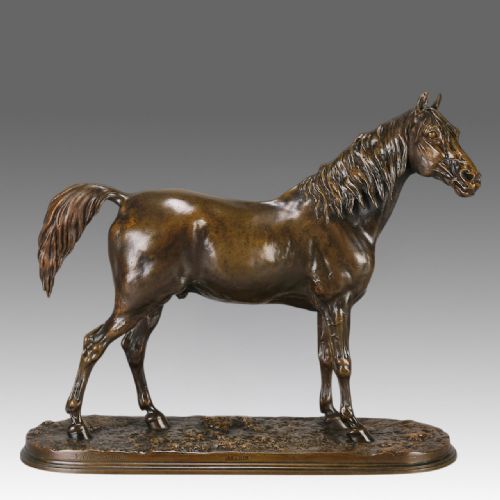
Victorian animalier bronzes capture the muscular energy and anatomy of wild and domestic creatures through detailed nineteenth-century casting.
Victorian Animalier Bronzes
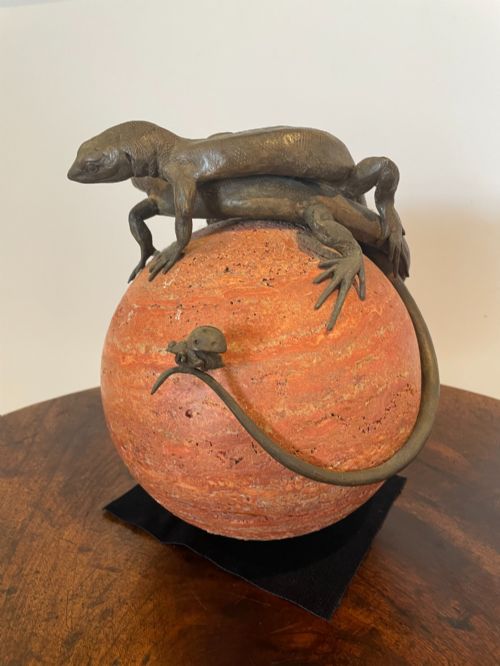
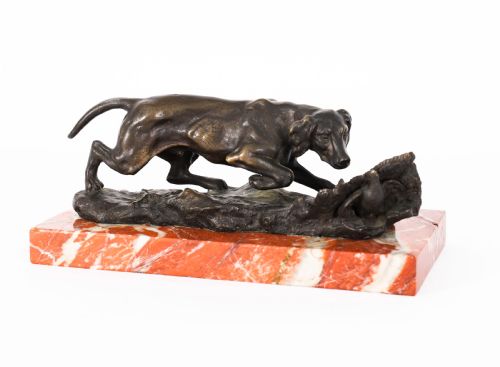
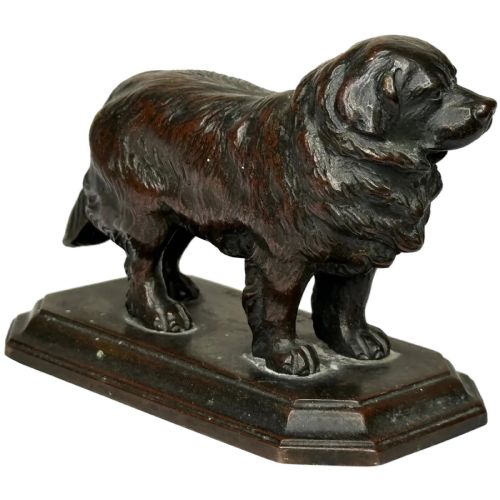
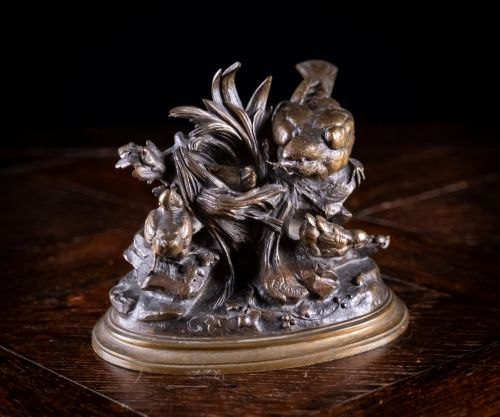
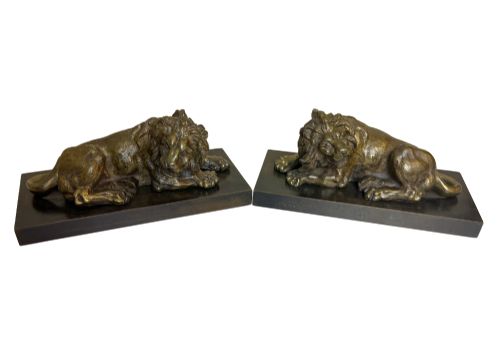
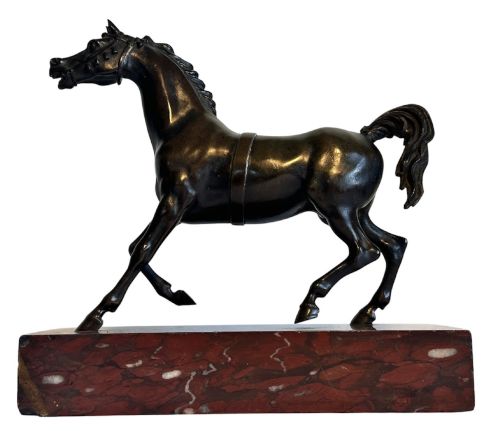
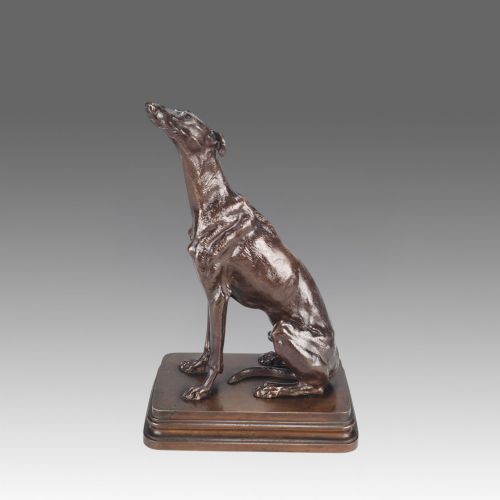
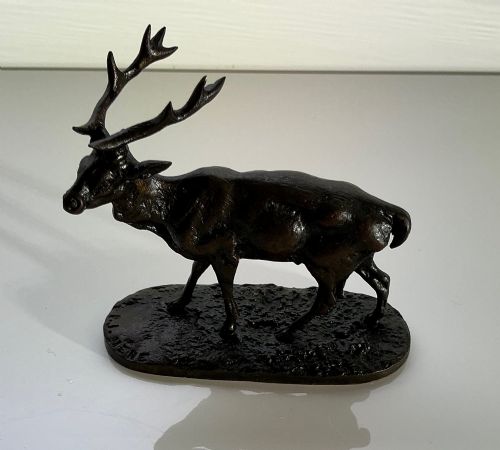
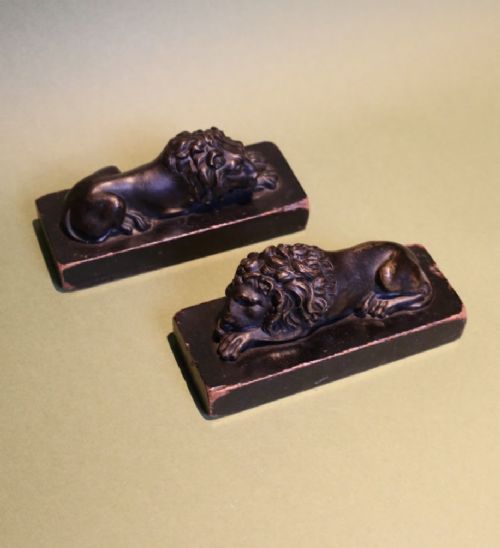
When you search for victorian animalier bronzes, you encounter sculptural works focused entirely on animals, from dogs and stags to lions, birds, and bulls. These pieces capture creatures in active poses, mid-stride, or resting naturally.
The selections available include both freestanding animal figures and functional items such as inkstands, inkwells, and paperweights. French animalier school pieces frequently appear alongside English works, showing dogs, hunting scenes, and exotic wildlife.
Most examples originate from the nineteenth century, spanning periods from the eighteen-fifties through the turn of the twentieth century. These sculptures often incorporate bases made of marble or feature specialised surface treatments like cold painting and gilding.
Assessing Craftsmanship and Detail
Quality in these sculptures rests upon the crispness of the chasing work and the fidelity of the anatomical rendering. Superior castings retain sharp muscle definition, fine texture in the fur or feathers, and clean edges where metal meets stone.
The integration of the figure with its base also distinguishes the work. Better examples demonstrate secure mounting, careful patination that ages evenly, and harmonious proportions across complex multi-animal groups or functional desk pieces.
Listings feature nineteenth-century periods alongside materials including bronze, marble, patinated bronze, ormolu, glass, gilt bronze, brass, and wood.
Carl Kauba·Alfred Dubucand·PJ Mene·John Willis Good·Prosper Lecourtier·Jules Moigniez·Antoine Louis Barye·Isadore Bonheur·Auguste Nicholas Cain·Arthur Waagen·Joseph Francois Victor Chemin
The Victorian Animalier Bronzes Glossary
- Animalier
- A nineteenth-century artistic movement dedicated to the realistic portrayal of animals, particularly in motion or combat.
- Patinated Bronze
- Bronze metal treated with chemical solutions to produce a specific surface colour and tone.
- Cold Painted
- A technique where paint is applied to cold bronze without heat firing, common in Austrian animal figures.
- Ormolu
- Gilt bronze mounted onto decorative objects, providing a bright gold-coloured metallic accent.
- Inkstand
- A desk accessory holding inkwells and pens, frequently decorated with small bronze animal sculptures.
Victorian Animalier Bronzes: Frequently Asked Questions
What is an animalier bronze?
An animalier bronze is a nineteenth-century sculpture focused specifically on the realistic depiction of animals, birds, and hunting scenes. These works range from small desk ornaments to large cabinet sculptures.
Artists studied live animals in menageries and rural settings to capture accurate skeletal structures and muscular movement. The resulting pieces reflect a nineteenth-century fascination with natural history and domestic pets.
How were these bronzes displayed originally?
These bronzes were primarily displayed on library desks, antechamber tables, and mantelpieces within nineteenth-century homes. Many functioned as paperweights, desk tidies, or inkwells alongside their purely decorative role.
The inclusion of heavy marble bases allowed tall or dynamic sculptures to stand securely on wooden furniture. Desk accessories placed the metal figures directly into daily use among correspondence and writing materials.
How do I care for a bronze sculpture?
Caring for a nineteenth-century bronze involves gentle dusting with a soft, dry brush to prevent particle buildup within crevices and textured surfaces. Avoid using harsh cleaning solutions or water that might strip the original patination.
Maintaining a stable indoor humidity protects any attached marble bases from moisture absorption and prevents the metal surface from developing active corrosion.
Are these pieces French or English?
The listings include notable works from both French and English makers, alongside Austrian productions. The French animalier school produced many of the most prominent sculptural groups and animal figures of the period.
English makers frequently focused on domestic dogs, sporting hounds, and kennel association subjects. Regional preferences influenced whether a sculpture depicted exotic wildlife or local hunting animals.