



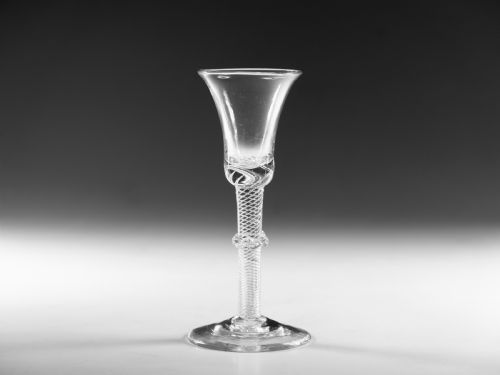
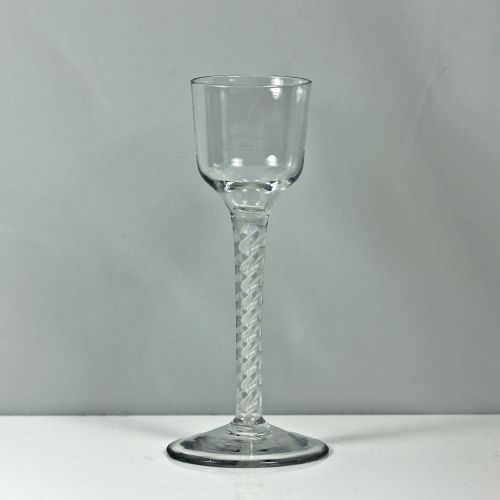
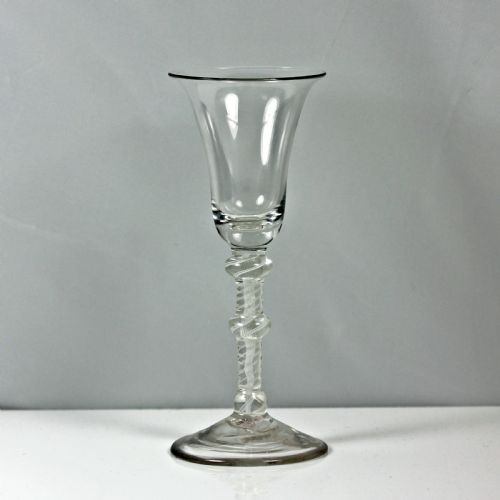


Antique Cordial Glass
An antique cordial glass is a small drinking vessel designed for potent spirits, offering collectors tactile links to Georgian drinking customs.
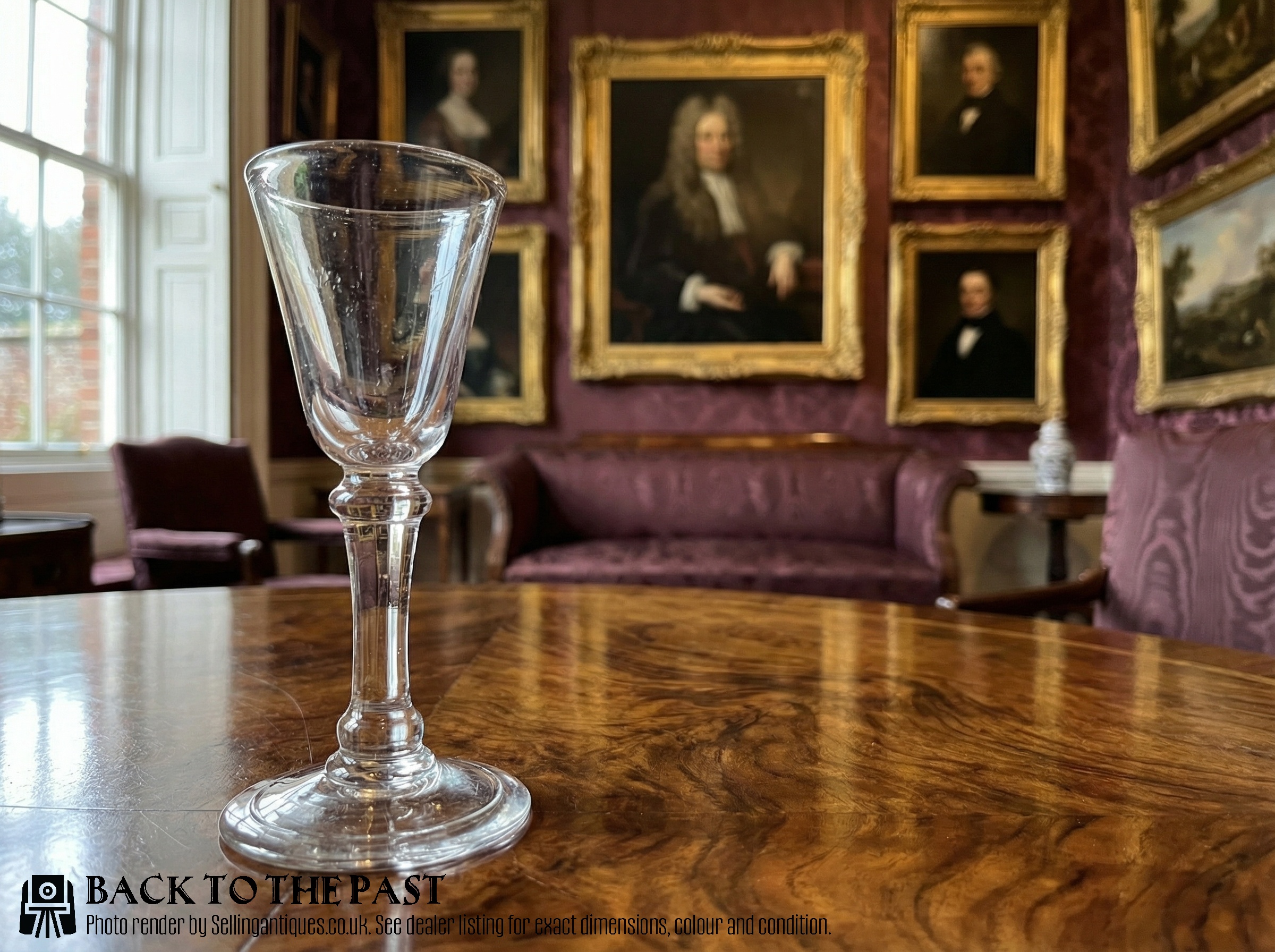
Antique Cordial Glass
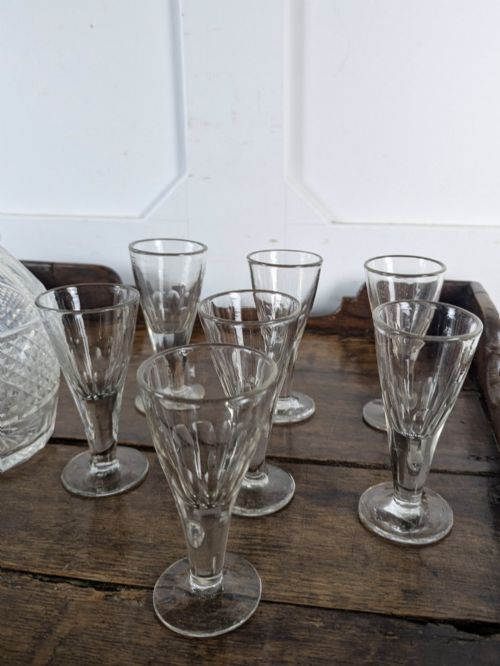
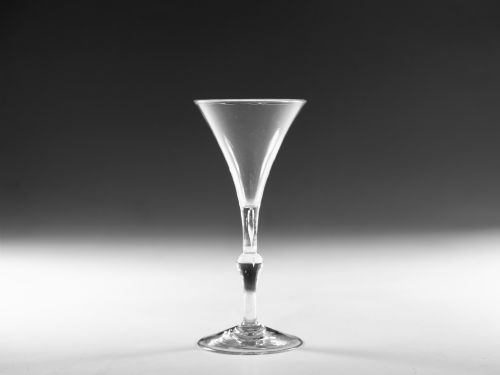
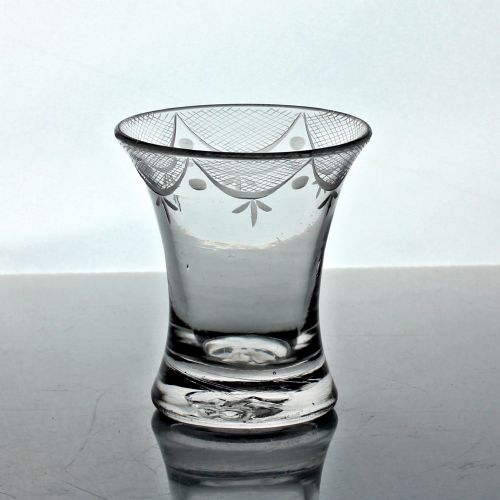
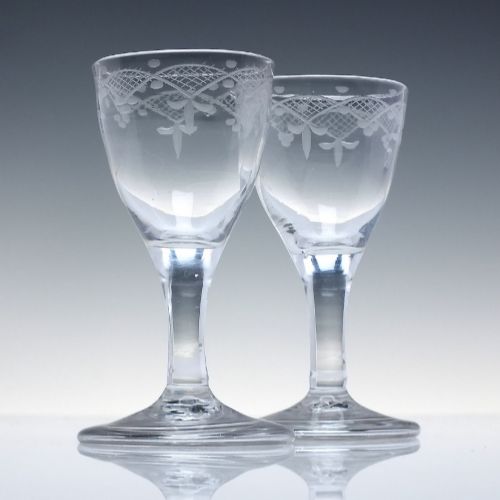
When you search for an antique cordial glass, you are looking at small drinking vessels produced primarily during the Georgian and 18th century periods. These stemware objects were utilised for serving concentrated liqueurs, drams, and strong spirits rather than table wines. The pieces seen in these records span various forms including dram glasses, gin glasses, and traditional cordial glasses.
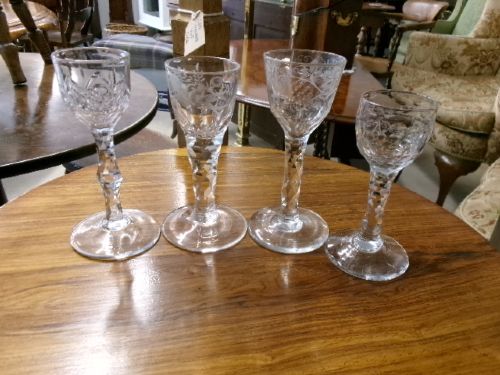
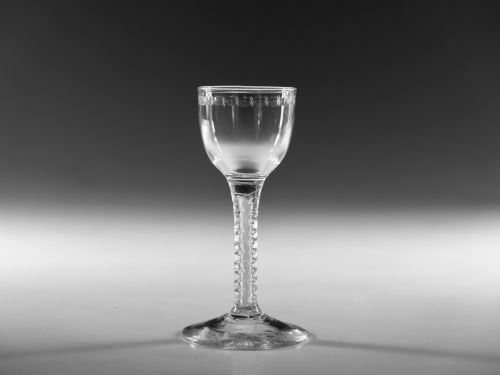
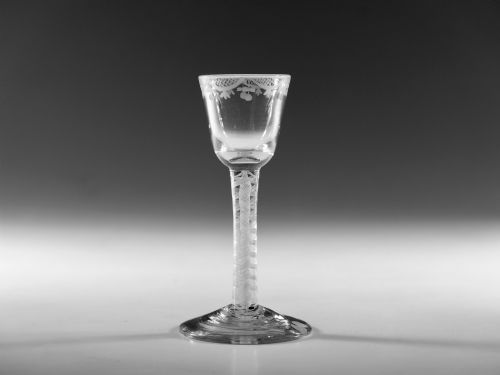
The most common versions you will meet on this page feature lead glass or lead crystal construction with distinctive stem formations. English and Irish origins dominate the historical record, showcasing forms from early baluster types to later facet stems. Plain stems, air twists, mercury twists, and opaque twists all appear across the documented inventory.
How they were made
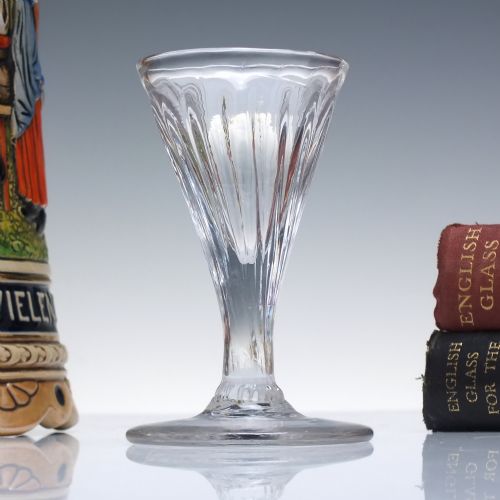
These vessels are produced using hand-blown glass and hand-blown techniques characteristic of 18th century glasshouses. Molten lead glass or lead crystal is gathered, blown into shape, and manipulated while hot to create the bowl and stem. Rib moulding is utilised on specific pieces to impart texture and rigidity to the walls of the vessel.
Specialised stem formations require precise manipulation of air bubbles trapped within the glass. Air twists and mercury twists are formed by drawing out elongated bubbles, while opaque twists incorporate white enamel threads into the molten metal. Facet stems are subsequently cut and polished by hand after the initial blowing process.
Antique Cordial Glass Retail Price Guide 2026
Typical asking prices for cordial glass among the pieces listed under this phrase on Sellingantiques today, from the lower quarter to the upper quarter. They describe what is for sale here now, not the wider market.
Listings demonstrate clear glass, lead crystal, and white enamel materials across Georgian and 18th century drinking glasses.
What varies in quality
The distinction between pieces rests upon the finesse of the glassmaker's hand and the clarity of the lead crystal. Superior examples display balanced proportions between the small bowl, the stem, and the footplate, free from excessive manufacturing blemishes in the metal. The crispness of the cutting on facet stems and the regularity of air or opaque twists indicate superior craftsmanship.
Historical integrity and surface preservation also dictate the standing of a piece. Original tool marks and pontil scars on the underside of the foot confirm period production methods. The complexity of the stem type, whether a complex baluster or a fine twist, generally reflects the level of ambition in the original workshop.
The Antique Cordial Glass Glossary
- Baluster
- A heavy, thick stem form characterised by swelling knops reminiscent of architectural balusters. This early Georgian style provides substantial weight to the lower portion of the drinking vessel.
- Air twist
- A stem containing an internal spiral of elongated air bubbles trapped within the glass. Makers achieved this effect by drawing out twisted threads of air from within the molten metal.
- Opaque twist
- A stem featuring internal threads of white enamel glass twisted into a spiral pattern. These decorative elements contrast sharply with the clear lead crystal surrounding them.
- Rib mould
- A pattern of raised vertical ridges formed by blowing the hot glass into a ribbed metallic or wooden dip mould. This technique adds both structural rigidity and visual texture to the vessel.
- Pontil mark
- A rough scar left on the base of the glass where the pontil rod was attached during the final stages of manufacture. Its presence indicates traditional hand-blown production methods.
Antique Cordial Glass: Frequently Asked Questions
What were antique cordial glasses used for?
These small drinking vessels were utilised for serving potent spirits, liqueurs, and medicinal drams during formal dining and social occasions. Their restricted bowl capacity ensured that strong liquors were consumed in modest quantities.
Unlike standard wine glasses, their compact size suited the high alcohol content of 18th century cordials and gins. They formed part of the broader tableware repertoire found in Georgian households.
How do I identify a Georgian cordial glass?
Identification relies on examining the weight of the lead glass, the form of the stem, and the construction of the foot. Pieces from this era frequently exhibit distinct tool marks and varied stem structures such as balusters or twists.
Stylistic markers correspond to documented manufacturing periods spanning the 18th century. Comparing the proportions of the bowl and foot helps separate these drinking glasses from later reproductions.
Are these glasses safe to use?
While these items are historic artefacts, many collectors handle and occasionally use them for their original purpose. Hand washing in warm water is essential to preserve the fragile historical glass.
Sudden temperature changes should be avoided to prevent thermal shock in old lead glass. Careful storage away from vibrations protects the slender stems from accidental damage.
What is the difference between an air twist and an opaque twist?
An air twist contains internal spirals formed by drawn-out bubbles trapped inside the clear lead glass stem. The effect is subtle and relies on light refracting through the empty channels.
An opaque twist incorporates solid threads of white enamel glass into the molten metal during formation. This creates a bold, visible white spiral pattern running through the centre of the stem.