

Antique Chinoiserie Earthenware
Antique chinoiserie earthenware brings hand-painted oriental scenes and tin glazes to plates, chargers, and vases from the seventeenth to the nineteenth centuries.
Antique Chinoiserie Earthenware
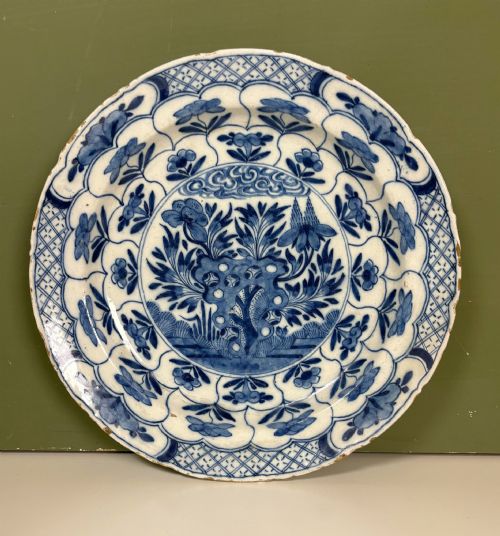
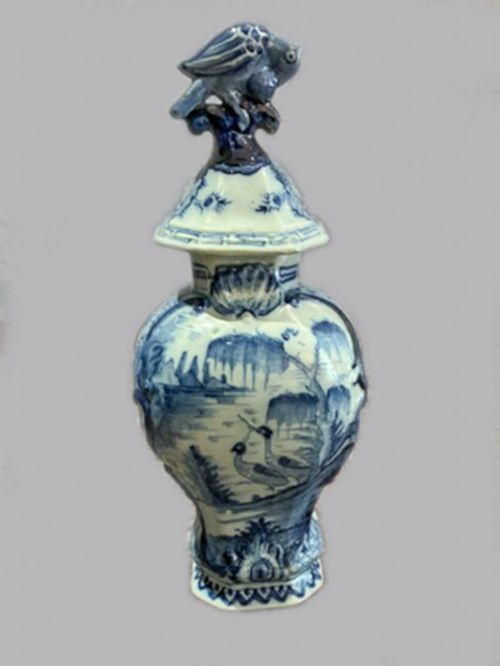
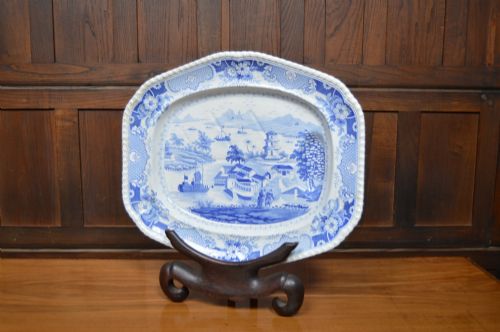
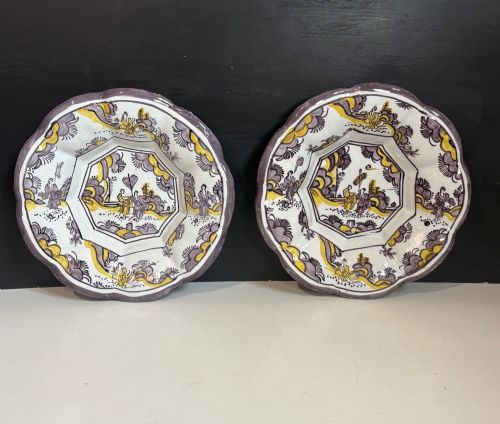
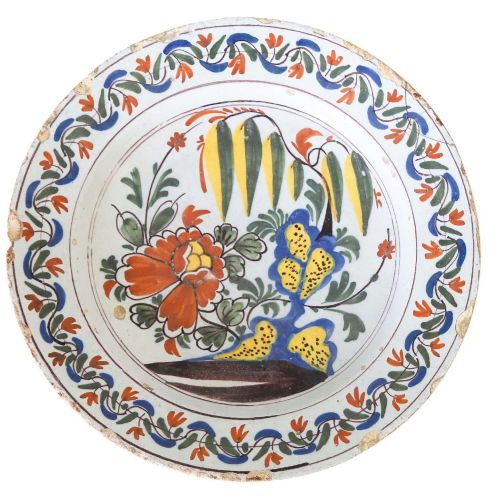
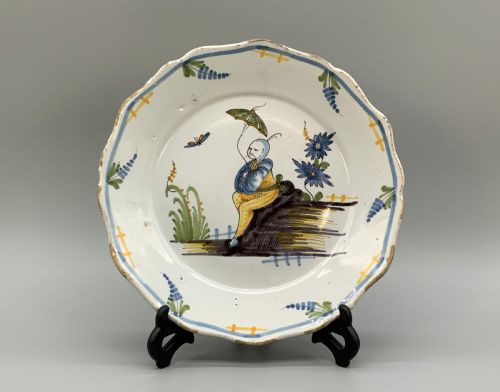
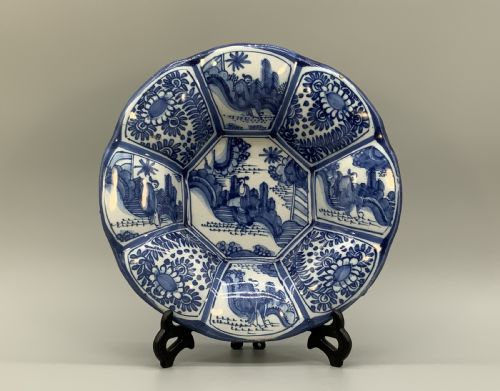
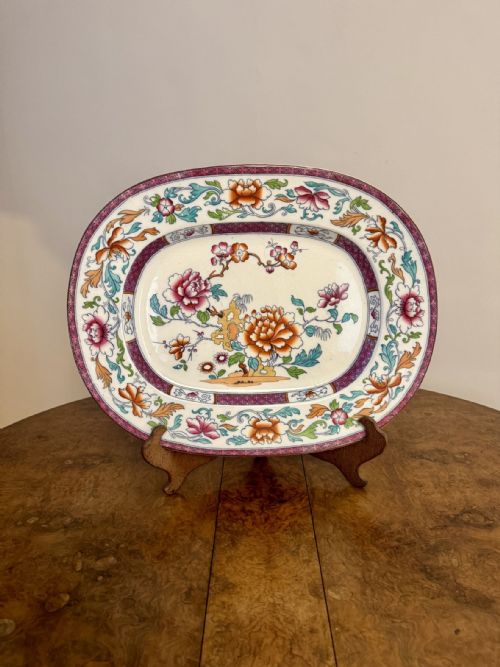
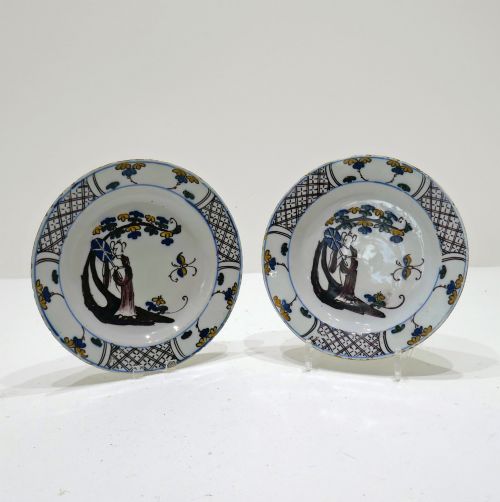
The most common items on this page are eighteenth-century delft dishes and chargers, alongside nineteenth-century transferware platters. Pieces span the seventeenth, eighteenth, and nineteenth centuries, incorporating Georgian and Victorian periods.
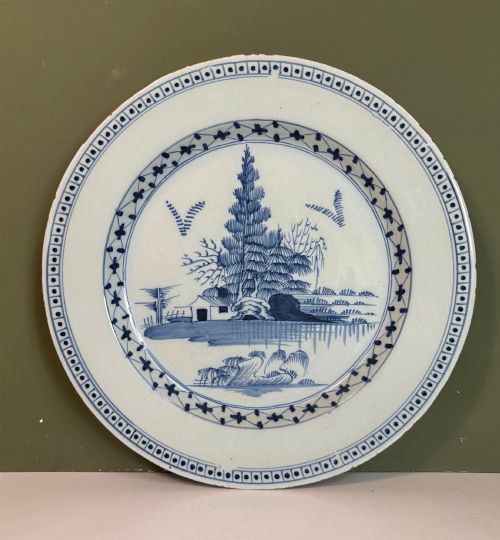
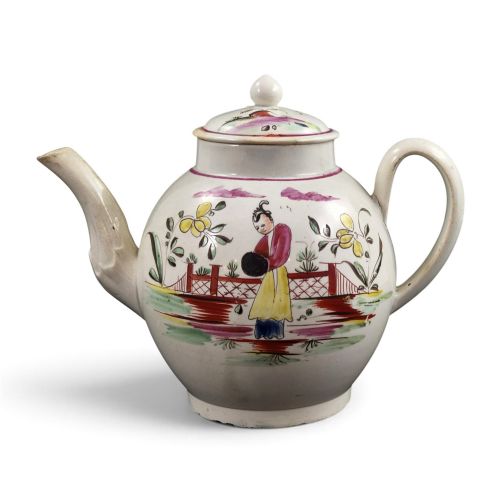
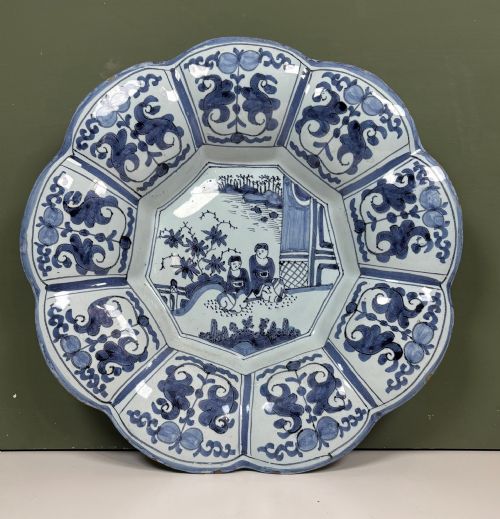
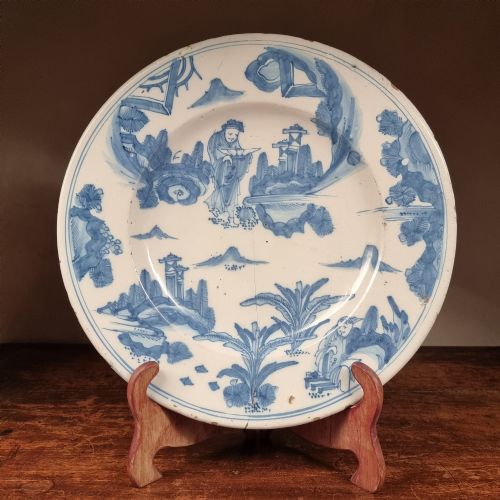
Forms range from large chargers and baluster vases to meat plates, soup ladles, and lidded vessels. Makers and potters utilised earthenware bases to render blue and white patterns, floral motifs, and oriental scenes.
How they were made
Potters shaped earthenware bodies and applied tin glaze, enamel, or pearlware coatings before firing. Cobalt pigment provided the deep blue tones seen on many plates and chargers.
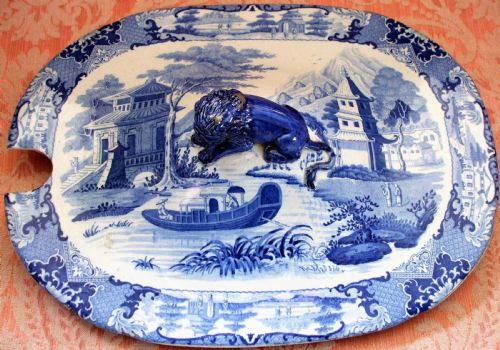
Painters executed hand-painted floral decorations and oriental motifs directly onto the absorbent glaze surfaces. Later production methods introduced transfer printing techniques for complex patterns like the India Temple and Canton River scenes.
Listings feature earthenware and ceramic pieces spanning the 17th, 18th, and 19th centuries, including tin glaze, pearlware, and cobalt pigment.
What varies in quality
The distinction between ordinary utility wares and exceptional objects lies in the crispness of the cobalt pigment and the control of the tin glaze. Superior examples display confident, fluid brushwork on hand-painted chargers rather than hesitant lines.
The complexity and preservation of the oriental scene dictate the standing of a vessel. Early delftware pieces with rich polychrome palettes or intact lids command greater attention than standard utilitarian plates.
Robert Hamilton·C.J. Mason·Wedgwood
The Antique Chinoiserie Earthenware Glossary
- Delftware
- Tin-glazed earthenware produced in England, Holland, and other regions, known for a porous body and opaque white surface.
- Charger
- A large decorative or serving plate, often displayed on walls or dresser backs during the seventeenth and eighteenth centuries.
- Creamware
- A refined, pale yellow earthenware developed during the eighteenth century, superseded by pearlware and ironstone.
- Transferware
- Pottery decorated by applying a printed design from an engraved copper plate onto the ceramic surface.
- Tin Glaze
- An opaque white glaze containing tin oxide, used as a smooth canvas for painted pigments.
Antique Chinoiserie Earthenware: Frequently Asked Questions
What is antique chinoiserie earthenware?
These objects comprise ceramic vessels, plates, and chargers decorated with European interpretations of East Asian artistic traditions. Potters produced them using earthenware bodies covered in tin glaze or enamel.
Items date from the seventeenth century through the Victorian era, spanning English potteries and continental workshops. Common forms include chargers, vases, meat platters, and teapots.
How do I date a delft charger?
Dating relies on body thickness, tin glaze characteristics, and the style of the hand-painted motifs. Seventeenth-century chargers often feature heavier bodies and distinctive blue and white palettes.
Eighteenth-century examples incorporate polychrome decoration or manganese and yellow highlights. Examining the foot ring and glaze pooling provides further clues to the period of manufacture.
Were these pieces used for dining?
Large chargers and dishes primarily served as decorative display items on walls or sideboards during the seventeenth and eighteenth centuries. Meat plates, platters, and soup ladles saw active use at dining tables.
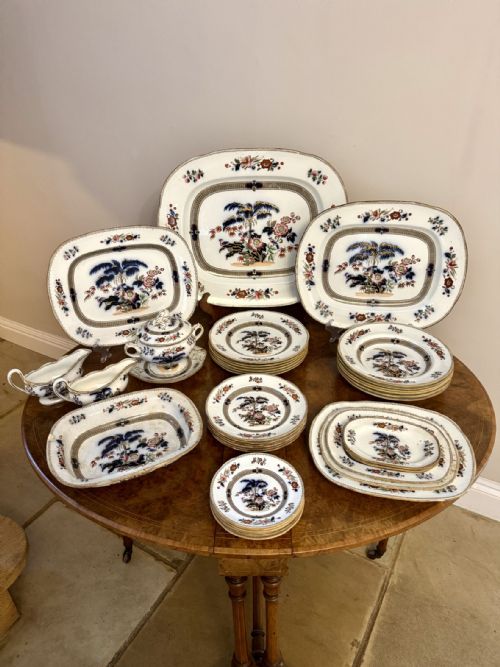
Nineteenth-century transferware dinner services catered directly to formal domestic dining and food service. Warehouses and households utilised ironstone and earthenware plates for daily meals.
What is the difference between delftware and transferware?
Delftware relies on hand-painted tin glaze applied to an earthenware body, resulting in unique brushstrokes and an opaque white surface. Artisans painted each scene individually.
Transferware utilises a mechanical printing process to transfer engraved designs onto the ceramic body. This technique allowed for intricate, uniform patterns like the Canton River and Willow scenes during the nineteenth century.