

Antique Chinese Porcelain Dishes
These antique chinese porcelain dishes range from robust Ming chargers to intricate Qing plates, offering a tangible link to centuries of ceramic artistry.
Antique Chinese Porcelain Dishes
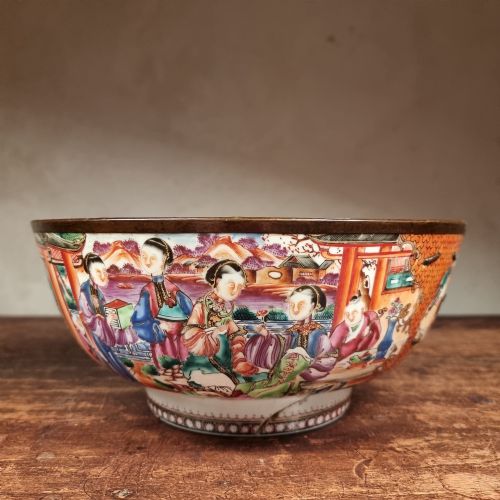
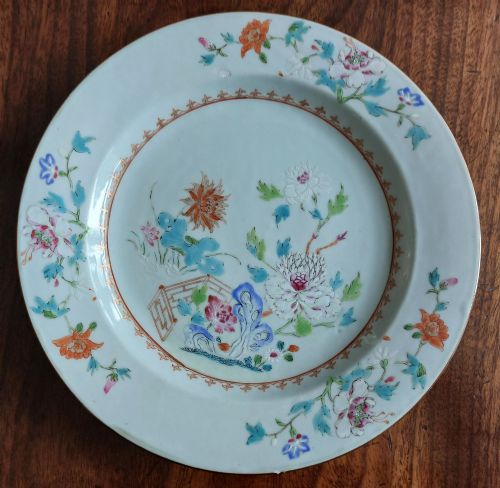
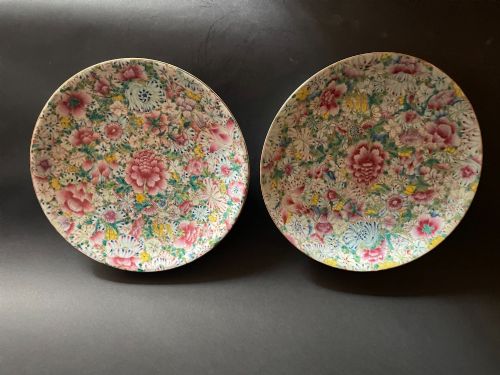
When you search for antique chinese porcelain dishes, you encounter a diverse array of forms including chargers, platters, bowls, and baskets designed for utility and display. The selection spans significant dynasties and eras, with seventeenth-century Ming pieces appearing alongside eighteenth-century Kangxi and Qianlong works, as well as nineteenth-century Canton and Qing productions.
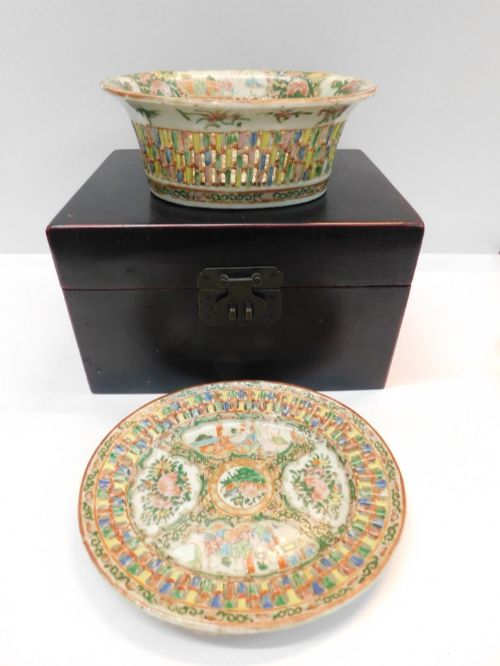
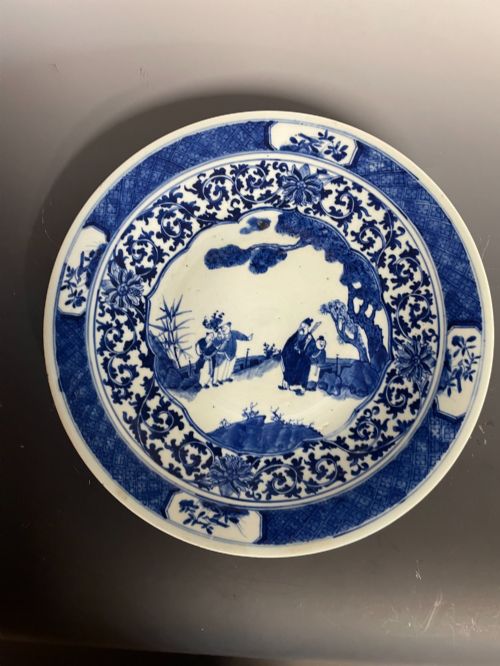
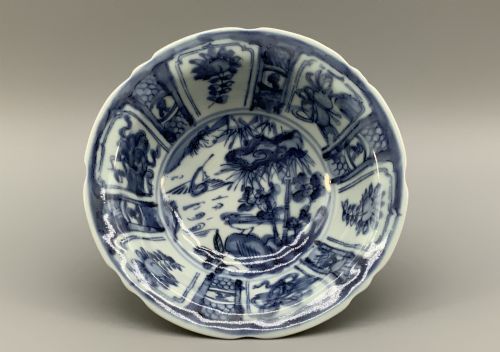
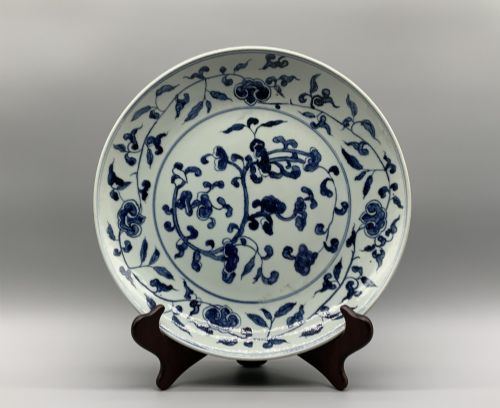
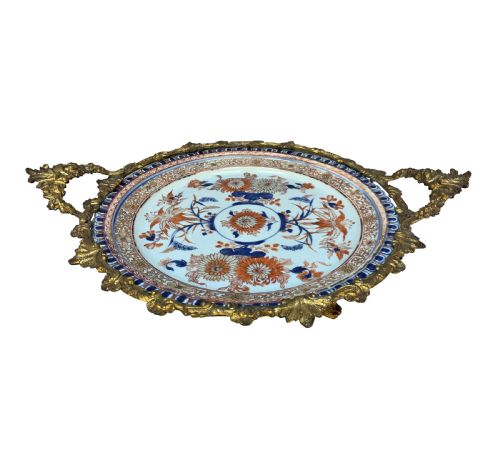
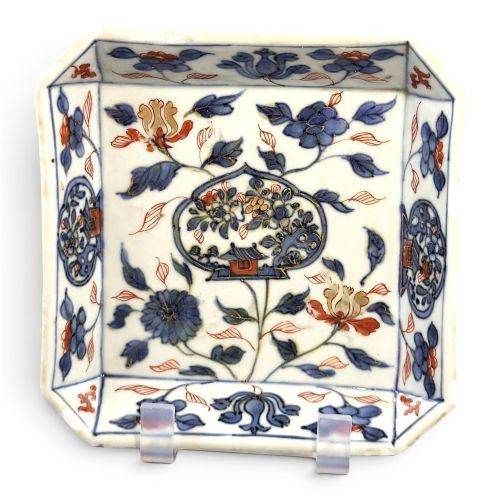
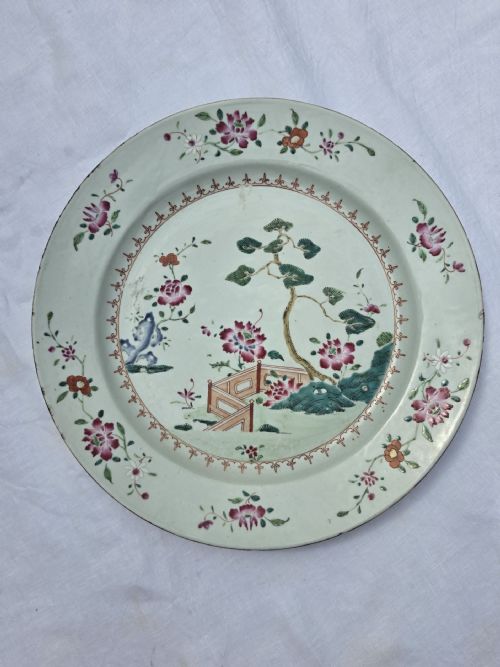
The version you are most likely to meet on this page is the decorative plate or charger originating from the eighteenth or nineteenth century. These items manifest in various shapes such as lobed, chamfered square, and shamrock forms, often carrying cobalt blue underglaze or polychrome enamels.
Vessels range from deep saucer-dishes and pedestal dishes to large serving platters and chestnut baskets with stands. Each piece reflects the functional requirements of its original household or export market, adapted into enduring decorative objects for modern spaces.
How They Were Made
Potters utilised hard-paste porcelain combined with cobalt underglaze to achieve deep blue painting before the final firing. This technique allowed intricate botanical and figural scenes to remain permanently fixed beneath a clear vitreous coat.
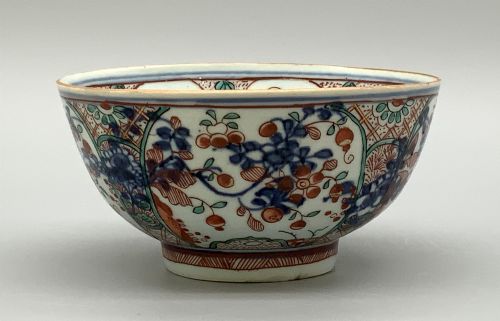
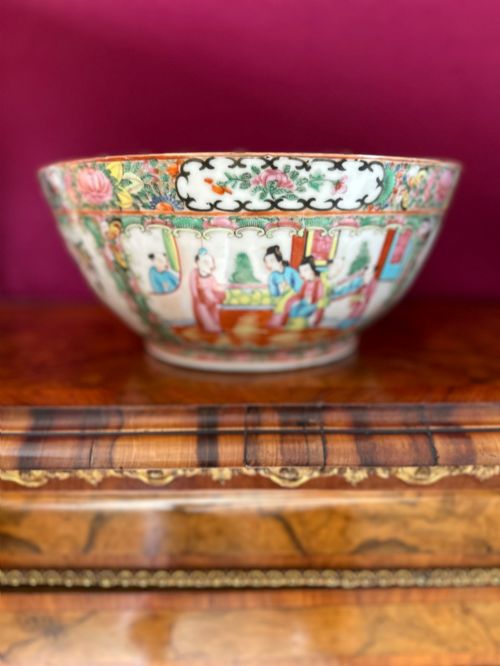
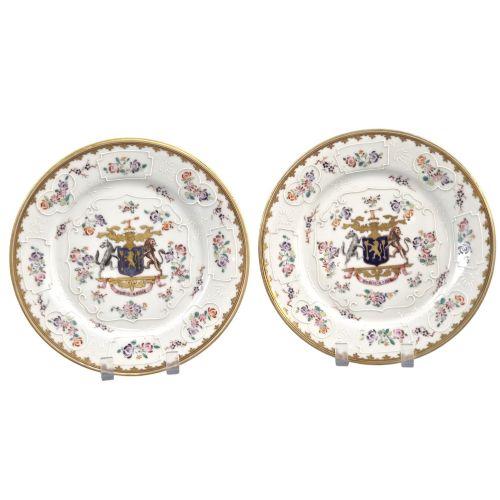
Enamel colours, gold leaf, and gilding were frequently applied over the glaze in subsequent firings to produce vibrant palettes associated with Famille Rose, Famille Verte, and Imari styles. Some works incorporated European ormolu mounts added long after the ceramic body left the kiln.
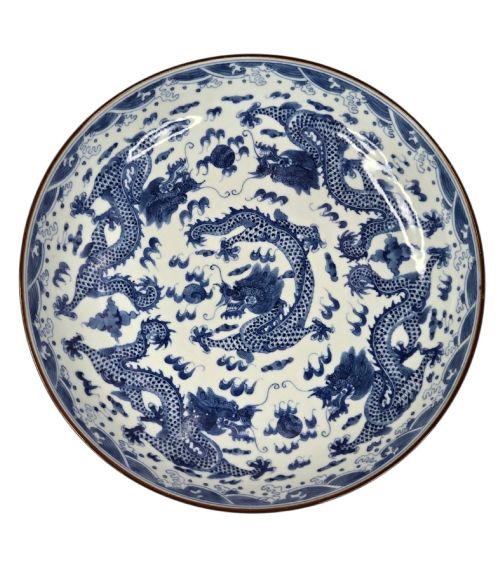
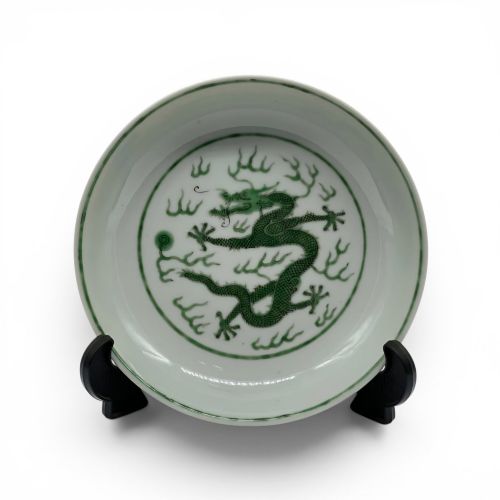
The inventory includes diverse forms such as chestnut baskets, pedestals, and dragon chargers.
What Varies in Quality
The refinement of the painted brushwork dictates much of the distinction between standard vessels and exceptional imperial pieces. Skilled hands produced controlled, highly detailed motifs such as dragons, court scenes, and calligraphy with precise linework.
Body thickness and the purity of the white porcelain surface also separate grades of manufacture. Heavier provincial wares like Swatow pieces differ fundamentally in finish from the thin, translucent walls and meticulous iron-red gilding found on marked imperial dishes.
Daisy Makeig Jones·Bluett And Sons
The Antique Chinese Porcelain Dishes Glossary
- Famille Rose
- A palette of opaque pink and rose enamels introduced during the Qing dynasty. This technique allowed for nuanced shading of floral and figural compositions.
- Kangxi Period
- The reign spanning the late seventeenth and early eighteenth centuries noted for vibrant blue and white porcelain. Pieces from this era often display deep cobalt tones and precise potting.
- Imari
- A decorative scheme employing cobalt blue, iron red, and gold, originating in Japan and widely adopted in China for export. The style presents dense, contrasting geometric and floral layouts.
- Swatow Ware
- A category of robust, heavily potted Chinese export porcelain produced during the late Ming dynasty. These pieces typically feature freely painted cobalt designs under a crackled glaze.
- Celadon
- A green glazed ceramic where iron oxide fires within a reduction atmosphere to produce jade-like hues. Longquan wares represent a primary historical source for this finish.
Antique Chinese Porcelain Dishes: Frequently Asked Questions
How do I display antique porcelain dishes safely?
Support large chargers with stable wall hangers or dedicated stands designed for heavy ceramic weight. Keep pieces away from direct sunlight and high-traffic areas to prevent accidental impacts.
Ensure shelves are level and lined with protective material if stacking is necessary, though single display is preferred for fragile foot rims.
Can I use these dishes for serving food?
Most antique pieces are intended for decorative display rather than daily culinary use. Historic glazes and overglaze enamels can wear or absorb liquids over time.
Gentle hand washing in lukewarm water without harsh detergents is required if you occasionally use them for dry presentation.
What does Kangxi period mean?
It refers to the decades ruled by the Kangxi Emperor between 1662 and 1722. Porcelain from this time is celebrated for superior technical control and brilliant cobalt blue pigments.
Items bearing this attribution often show refined potting and crisp underglaze painting.
How do export wares differ from imperial pieces?
Export wares were manufactured specifically for Western markets, often blending European shapes with Chinese motifs. Imperial pieces were made for the court, frequently featuring specific reign marks and superior artistic execution.
Imperial objects typically exhibit greater rarity and more meticulous attention to detail across the body and glaze.