





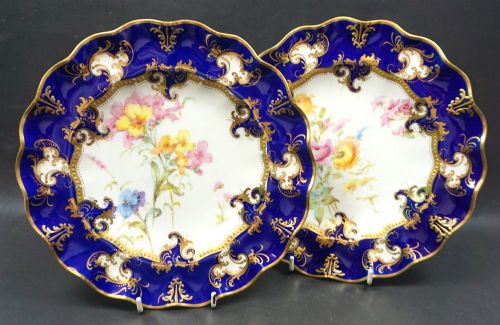

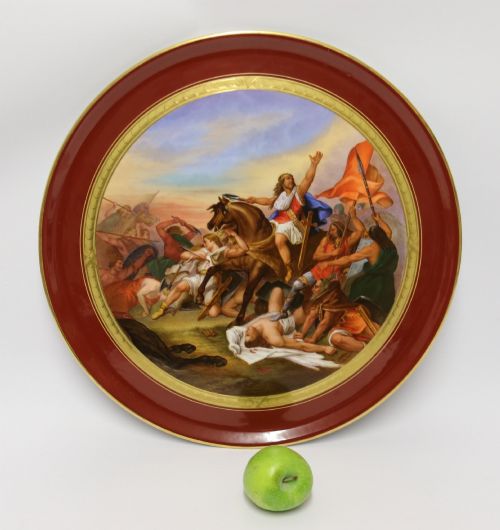
Antique Ceramic Wall Charger
An antique ceramic wall charger is a large display dish made to hang or set on a surface, bringing pattern and pigment to an interior.
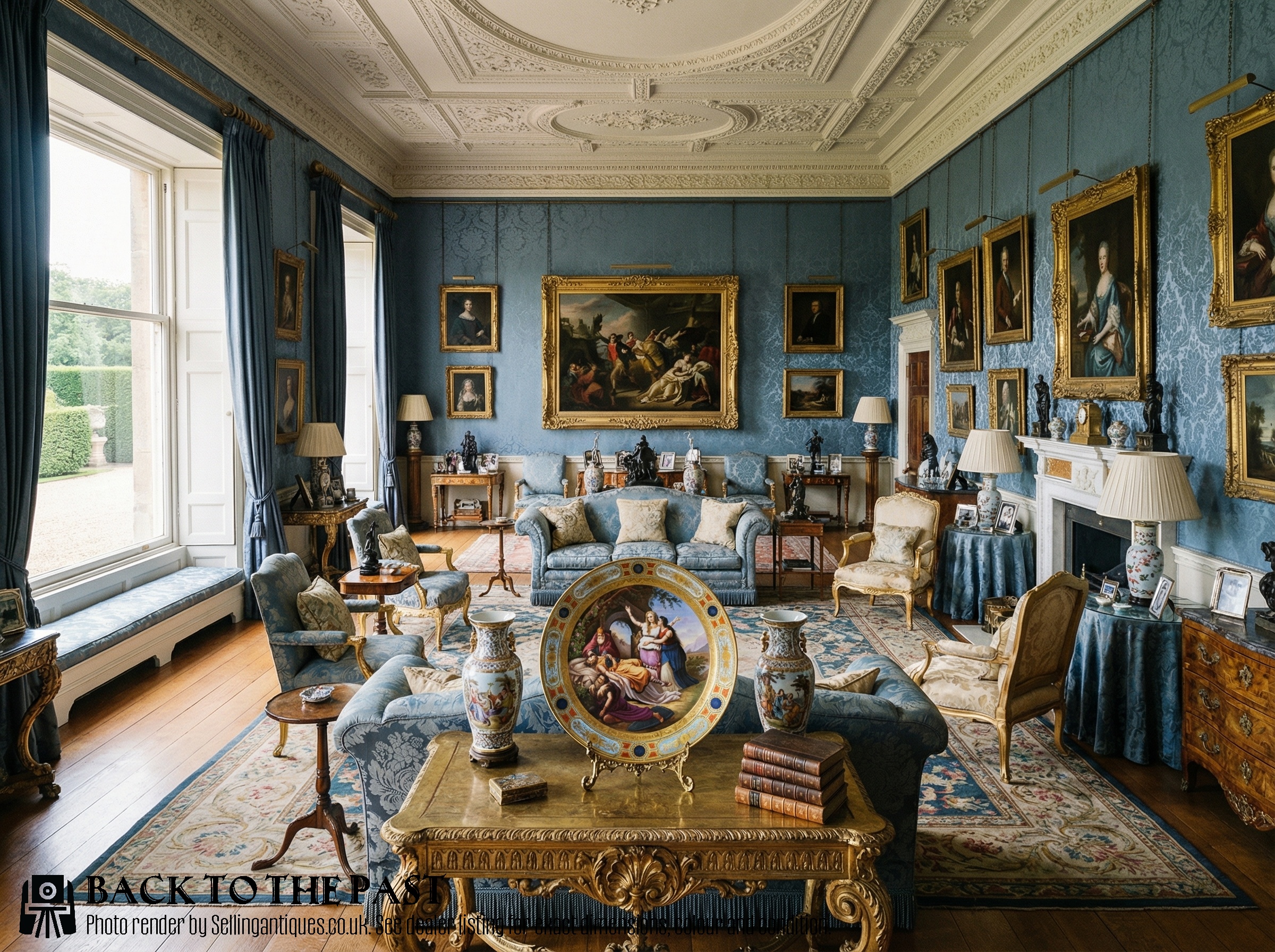
Antique Ceramic Wall Charger
The antique ceramic wall charger spans from the seventeenth century through to the mid-twentieth century, encompassing European delftware, English earthenware and oriental porcelain. Large scale and decorative ambition separate these wide dishes from standard tableware, as they were produced primarily for display on walls or sideboards.
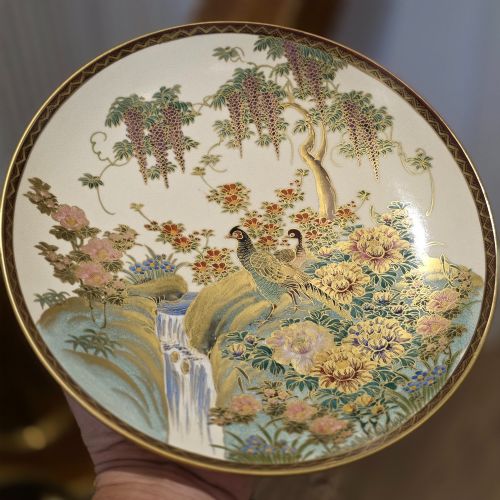
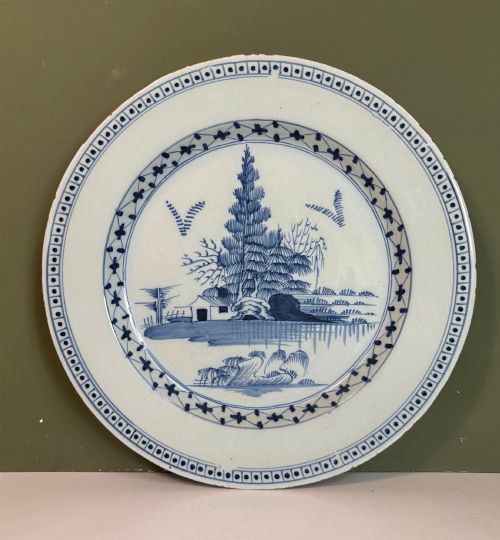
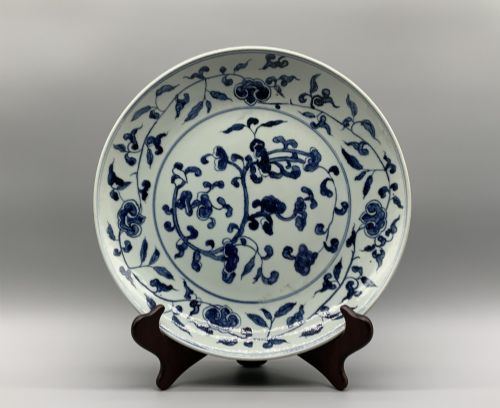
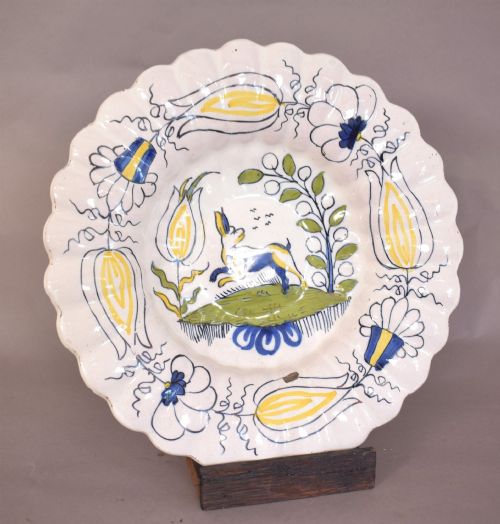
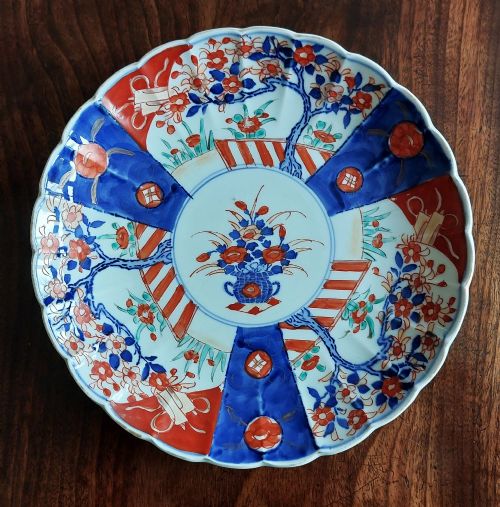
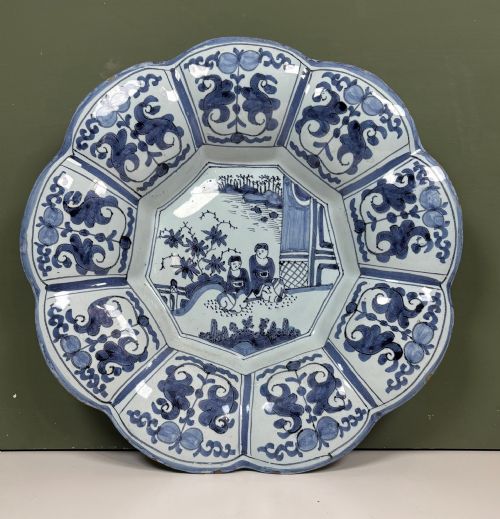
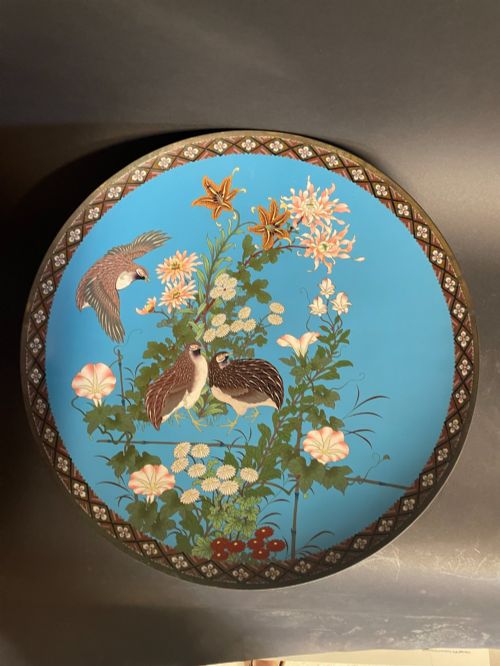
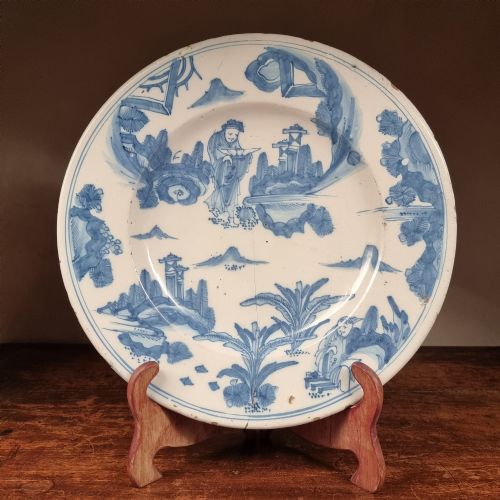
Dutch, English and French tin-glazed earthenware forms appear frequently, alongside Japanese Imari porcelain dating from the Meiji period. Pieces range from blue and white Chinese export wares to polychrome continental faience and nineteenth-century pictorial plaques.
The buyer encounters varied regional interpretations, including Moorish style delft, Italian maiolica and English ironstone. Diameters are typically substantial, providing a broad canvas for painted floral motifs, landscapes and narrative scenes.
Materials and construction methods
Potters shaped these large plates from earthenware, ironstone or hard-paste porcelain before applying opaque tin glazes or translucent finishes. Cobalt pigment and polychrome enamel paints supplied the decorative schemes, applied directly to the raw glaze or fired over the top.
Japanese pieces utilise high-fired porcelain bodies decorated with iron-red, cobalt blue and gold leaf highlights. European delftware relies on tin-glaze grounds that accepted hand-painted manganese, yellow and blue pigments prior to kiln firing.
Antique Ceramic Wall Charger Retail Price Guide 2026
Typical asking prices for ceramic wall charger among the pieces listed under this phrase on Sellingantiques today, from the lower quarter to the upper quarter. They describe what is for sale here now, not the wider market.
The selection includes Japanese Imari, Dutch delftware, English ironstone and French painted plaques.
Assessing quality in decorative plates
Skill in the hand-painted brushwork determines the visual success of the surface, separating hurried production from careful artistic execution. Crispness in cobalt outlines and harmonious colour blending indicate superior workshop output.
The weight and stability of the ceramic body matter greatly given the substantial diameter of these dishes. Superior pieces maintain a balanced form without excessive warping from the kiln firing process.
Royal Crown Derby·Royal Worcester·John Davenport·Copeland Pottery·Mettlach
The Antique Ceramic Wall Charger Glossary
- Tin-Glazed Earthenware
- Pottery coated with an opaque white glaze containing tin oxide, providing a smooth surface for painted decoration. This technique defines European delftware and faience.
- Imari
- A style of Japanese porcelain featuring a palette of underglaze blue, iron red and gold leaf. It gained immense popularity in Europe during the export trade.
- Maiolica
- Italian tin-glazed earthenware decorated with colourful pigments. It often depicts historical or mythological narratives across large display surfaces.
- Cabinet Plate
- A decorative dish intended for display inside a cabinet or on a wall rather than for practical dining use. These often feature detailed hand-painted scenes by named artists.
- Chinoiserie
- European artistic interpretations of Chinese and East Asian design motifs. It appears frequently on seventeenth and eighteenth-century delftware chargers.
Antique Ceramic Wall Charger: Frequently Asked Questions
How were antique ceramic wall chargers displayed originally?
Historic interiors utilised heavy plates as focal points on dresser shelves or mounted them directly onto wall surfaces using specialist wire hangers. Wealthy households arranged large porcelain and delft displays to showcase imported goods and artistic patronage.
Today, modern owners employ similar hanging methods or sturdy plate stands to exhibit these decorative works safely on interior walls.
What is the difference between delftware and porcelain chargers?
Delftware uses a porous earthenware body covered in an opaque white tin glaze, which absorbs painted pigments into the surface during firing. Porcelain starts from a dense, vitrified clay body that fires at higher temperatures to create a non-porous, translucent material.
Porcelain wares generally display finer detail and brighter enamel colours, whereas delft pieces offer softer outlines and thicker earthenware bodies.
How do I identify a Meiji period Imari charger?
Meiji period Japanese Imari pieces date from the late nineteenth century and typically display dense symmetrical patterns in iron red and cobalt blue. Gold leaf highlights frequently accent the floral panels and mythical bird motifs.
The porcelain bodies feel heavy and resonant, often featuring spur marks on the base from kiln stacking supports.
Can I hang a heavy antique charger securely?
Secure wall mounting requires a professional spring-clip hanger that distributes the weight evenly across the rim without putting pressure on historical repairs. The fixing must anchor directly into wall studs or utilise appropriate masonry plugs.
Regularly check the tension of the wire and brackets to ensure the ceramic remains stable over time.