

Antique Ceramic Dogs
These antique ceramic dogs bring the hearth-side charm of the Victorian era and the precision of continental porcelain directly into modern rooms.

Antique Ceramic Dogs
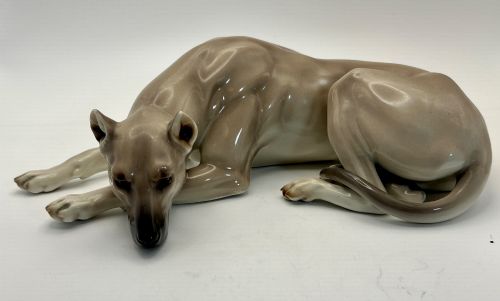
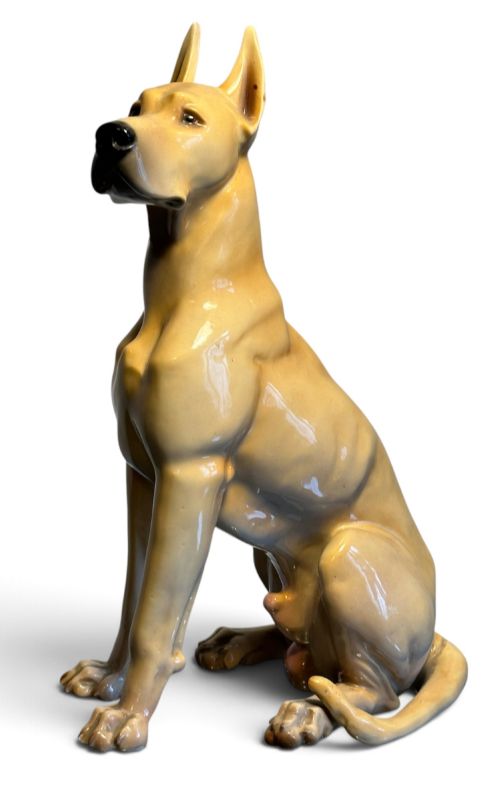
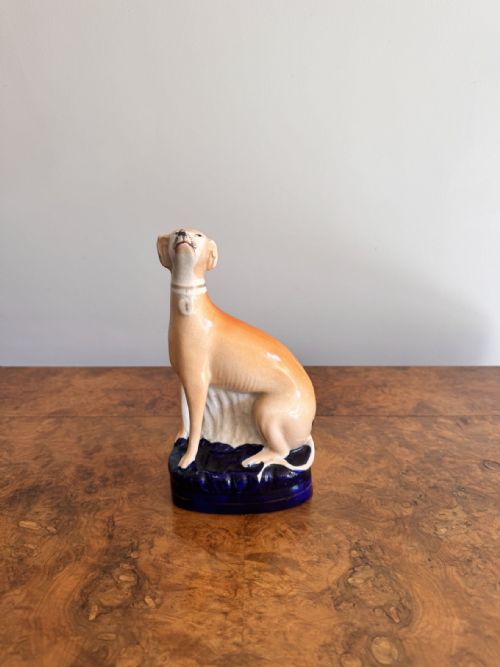
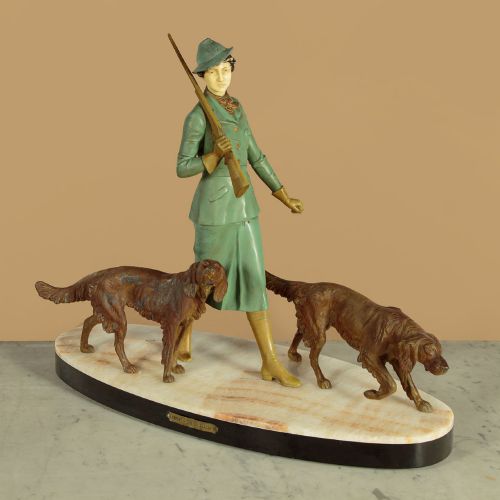
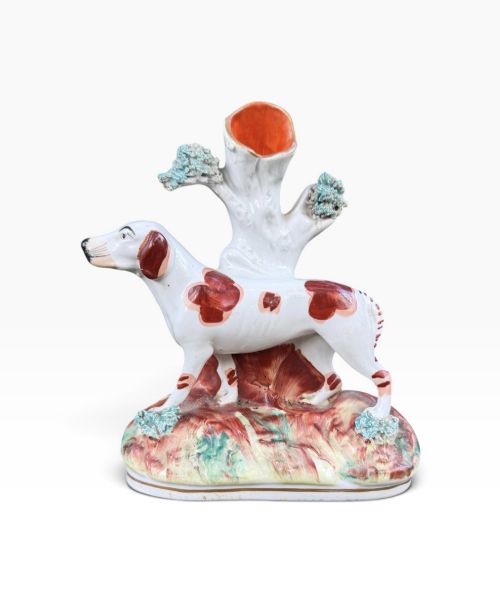
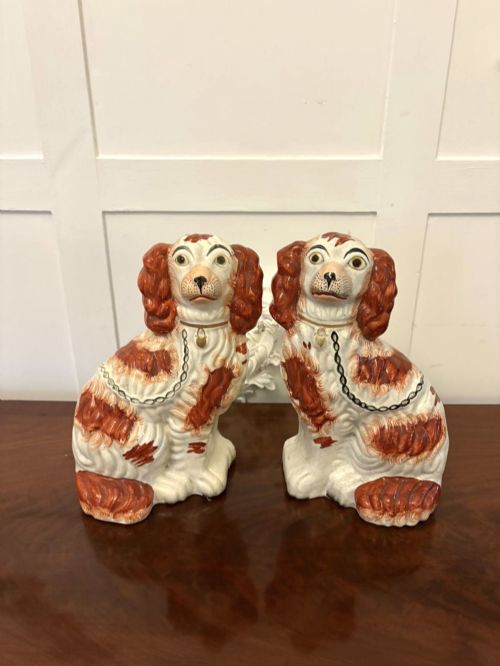
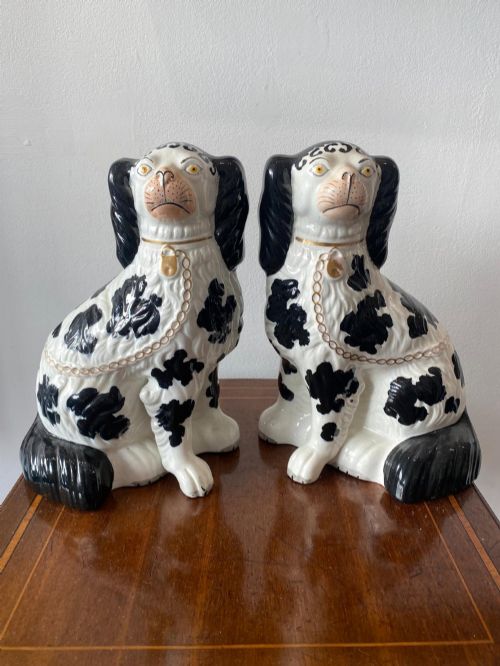
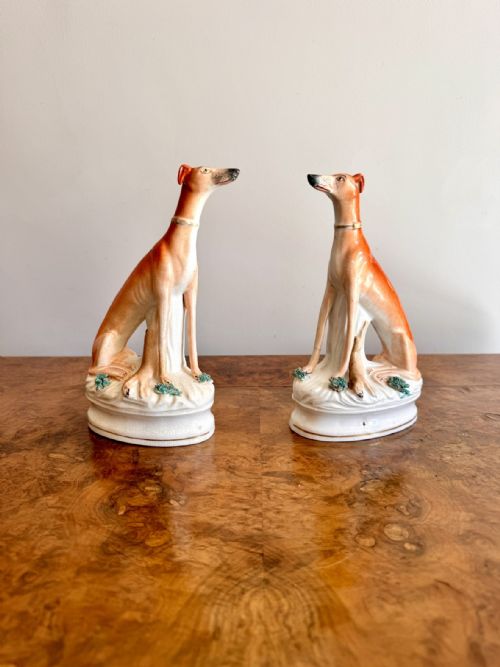
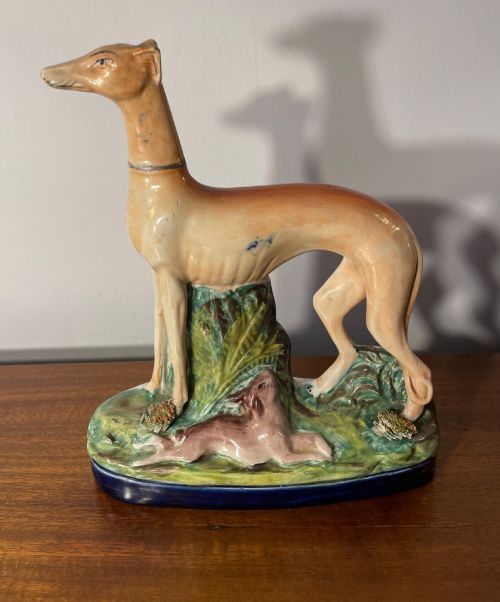
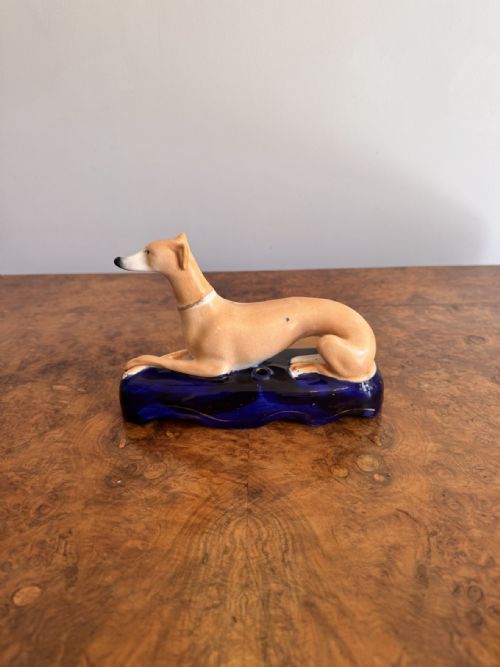
Antique ceramic dogs comprise figures, companion pairs, and sculptural groups originating largely from nineteenth-century Staffordshire potteries alongside European porcelain factories. Buyers searching for antique ceramic dogs frequently encounter earthenware spaniels, poodles, greyhounds, and pugs modelled as mantelpiece ornaments.
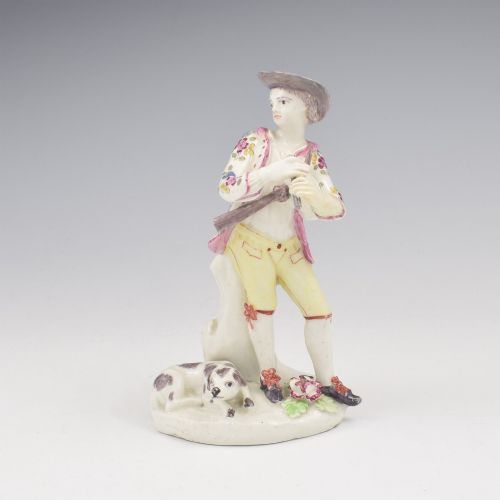
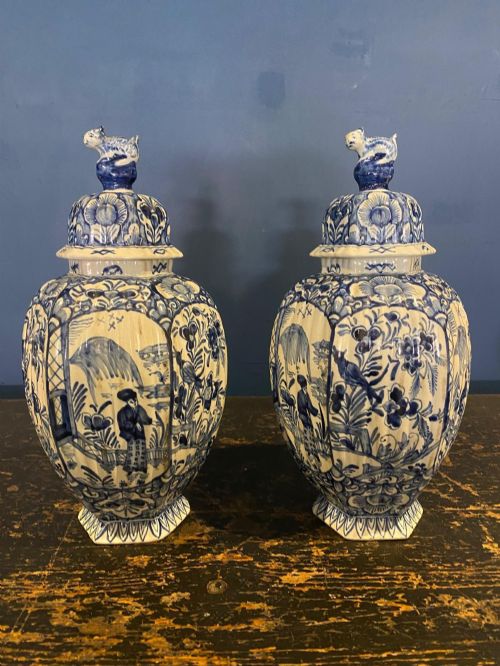
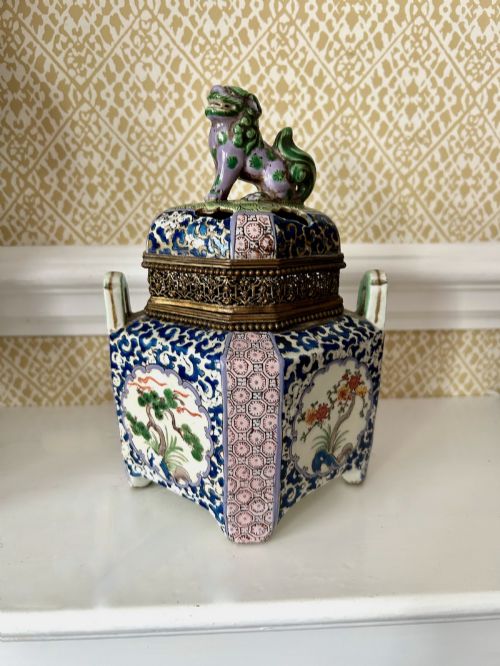
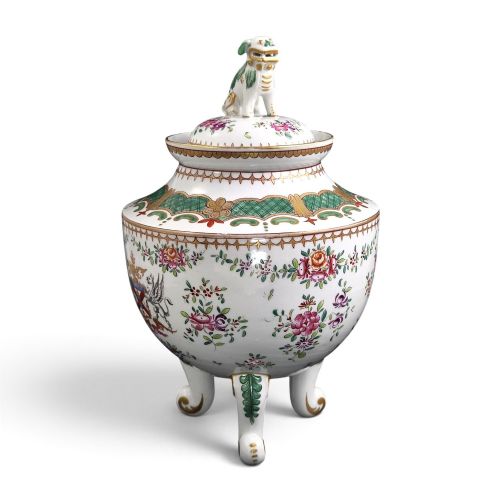
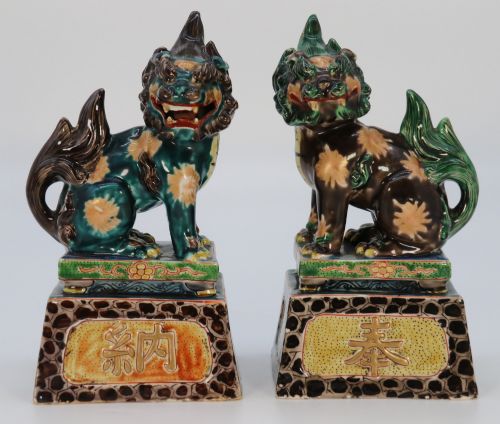
Pieces span the Georgian period through to the late nineteenth century, encompassing English pottery figures, Meissen porcelain models, and Austrian terracotta hounds. Domestic animal subjects dominate, though mythological beasts such as Chinese foo dogs and Japanese shishi figures also appear.
How they were made
Potters shaped these figures using earthenware, terracotta, and porcelain, applying lead glazes and enamel colours before firing. Many Victorian Staffordshire dogs emerged from moulds, receiving hand-painted detailing to coats, eyes, and collars.
Continental pieces from factories like Meissen and Derby utilised refined porcelain pastes paired with intricate polychrome enamels and gilding. Terracotta sculptures, particularly those from Austrian workshops, relied on modelled clay fired to create durable life-size forms.
Antique Ceramic Dogs Retail Price Guide 2026
Typical asking prices for ceramic dogs among the pieces listed under this phrase on Sellingantiques today, from the lower quarter to the upper quarter. They describe what is for sale here now, not the wider market.
Several Victorian poodles carry baskets in their mouths, doubling as whimsical matchholders for the nineteenth-century parlour.
What varies in quality
Quality rests upon the crispness of the moulding and the sensitivity of the hand-painted details. Finer examples display cleanly defined fur textures, steady enamel application, and well-balanced stances, particularly in matched pairs.
Earlier Georgian and mid-Victorian pieces often exhibit superior weight, deeper glaze depth, and more naturalistic modeling compared to later mass-produced variants. The precision of the facial expression and the condition of the original gilding separate superior models from standard production.
Thomas Parr·Samson Paris·Meissen·Derby
The Antique Ceramic Dogs Glossary
- Earthenware
- Porous pottery fired at lower temperatures, commonly used for nineteenth-century Staffordshire animal figures. It requires a glaze to hold liquids and form a smooth surface.
- Lead glaze
- A glossy coating containing lead oxide applied to pottery before firing. This technique provides a shiny protective finish typical of early ceramic animal models.
- Enamel
- Opaque glass-based pigments applied over or under the glaze and fired to fix the colours. These pigments deliver the bright markings found on spaniels and poodles.
- Terracotta
- Unglazed or glazed fired brownish-red clay utilised for larger sculptural dog figures. The material allows for deep texture and substantial weight.
- Porcelain
- A hard, fine-grained ceramic fired at high temperatures, utilised by factories such as Meissen and Derby for refined animal figures. It yields a white, non-porous body.
Antique Ceramic Dogs: Frequently Asked Questions
How do I spot reproduction Staffordshire dogs?
Examine the weight, crazing of the glaze, and the vibrancy of the enamel colours. Genuine nineteenth-century earthenware displays age-appropriate wear and distinct potting characteristics.
Modern copies often feel lighter, show uniform machine-applied painting, and lack the characteristic crazing lines developed in the glaze over generations.
Were these dogs meant for mantels?
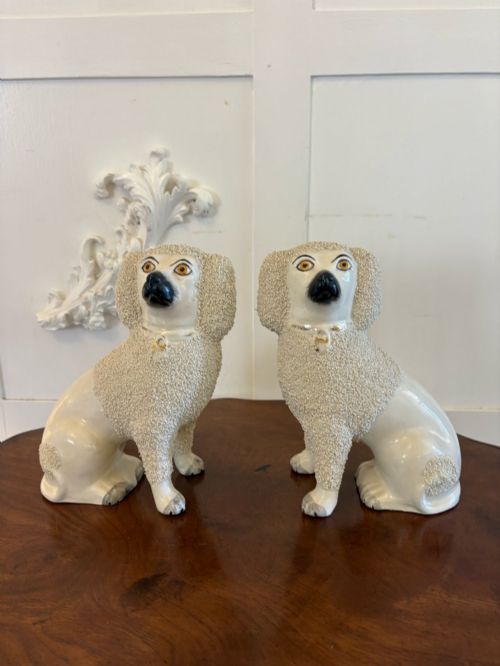
Victorian Staffordshire spaniels were traditionally manufactured in mirrored pairs to sit on either end of a fireplace mantelpiece. They served as domestic ornaments and symbols of loyalty in nineteenth-century homes.
Smaller breeds and porcelain figures also found places on side tables, bracket shelves, and display cabinets alongside other ceramic ornaments.
How should I clean my ceramic dog?
Dust the surface gently with a soft, dry brush to prevent dirt accumulation in crevices and glaze crazing. Avoid submerging older earthenware in water, as moisture can penetrate through hairline cracks.
Use a slightly damp cloth only when necessary on glazed porcelain surfaces, drying the piece immediately afterwards with a soft cloth.
What is a comforter spaniel?
Comforter spaniels represent the characteristic Staffordshire figures modelled after King Charles spaniels. Victorians placed these ceramic pairs on hearths to mimic real lapdogs kept for comfort.
They are instantly recognizable by their seated posture, floppy ears, painted chain necklaces, and patched markings in black, copper, or red.