
Antique Cast Iron Hearth
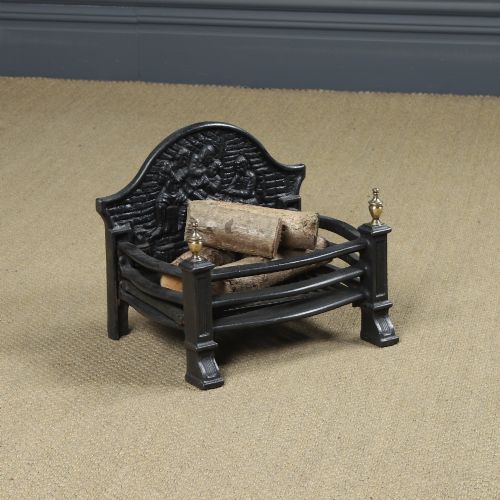
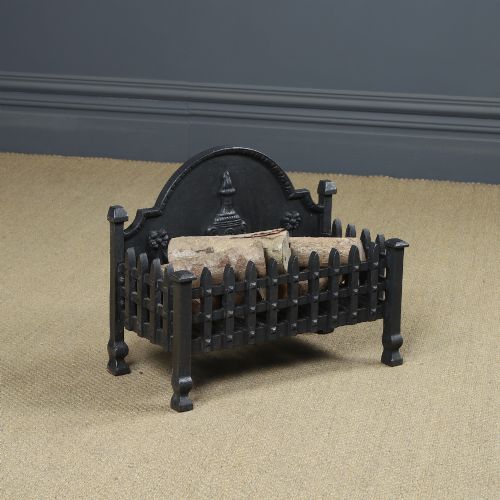
When you search for an antique cast iron hearth, you are looking at the heavy metal firebacks, grates, baskets, and andirons that managed the domestic fire.
Antique Cast Iron Hearth
The term antique cast iron hearth covers a diverse group of fireside metalwork designed to hold fuel, reflect heat, and protect the masonry of the chimney. Pieces span from the 16th century through the Victorian era and into the early 20th century, with styles including Gothic Revival, Georgian, and Adam.
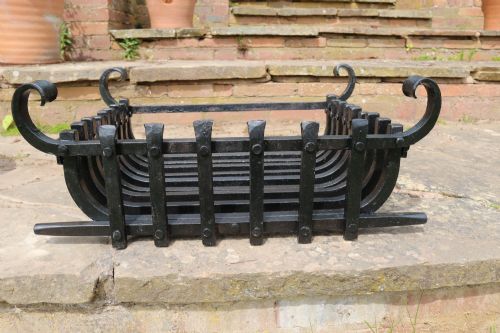
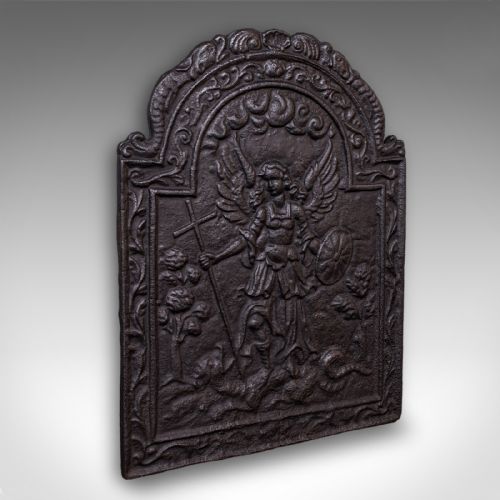
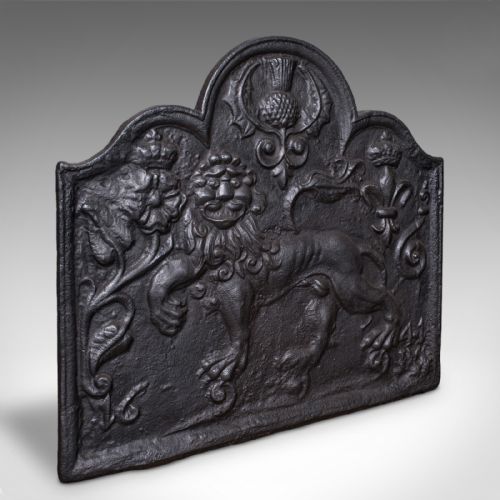
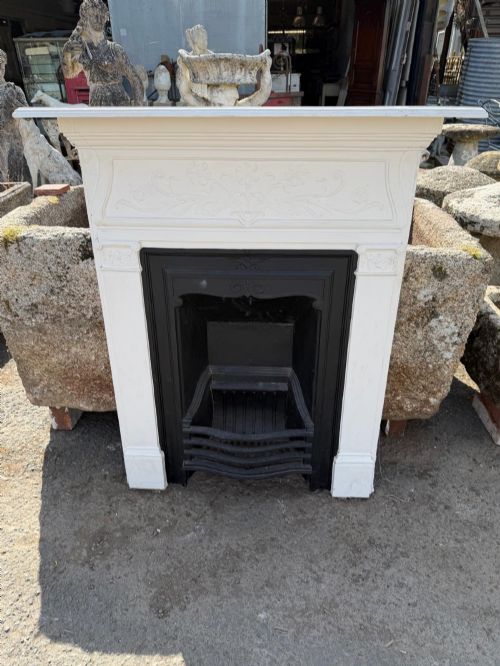
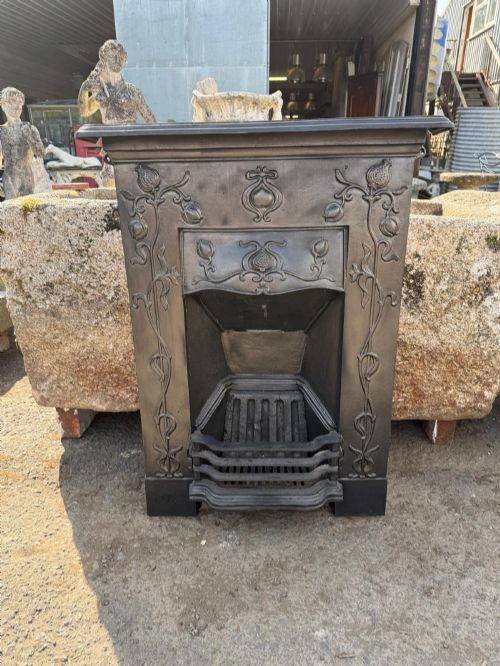
Buyers most frequently encounter Victorian fire backs, cast iron grates, and wrought iron fire baskets on this page. These functional items range from simple country-house footmen to large combination fireplaces and decorative firebacks bearing relief panels.
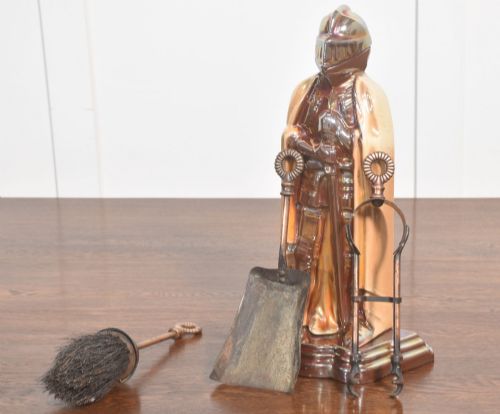
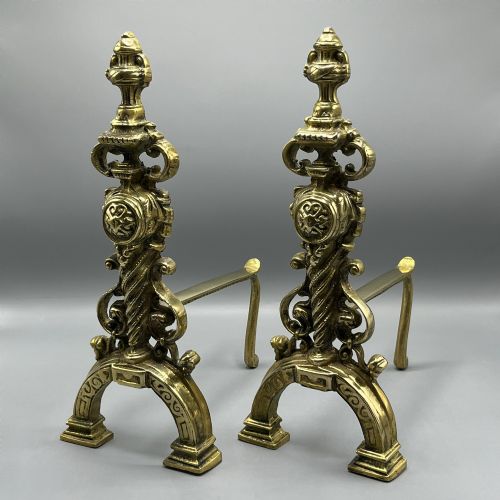
The selection also includes associated hearth furniture such as andirons, firedogs, brass and iron fenders, and companion sets. Together, these objects form the traditional apparatus of a coal or wood-burning hearth.
Materials and construction
Makers relied primarily on cast iron for its ability to withstand intense heat and retain warmth long after the fire died. Molten iron poured into sand or open-face moulds created heavy fire backs and grates featuring detailed relief work.
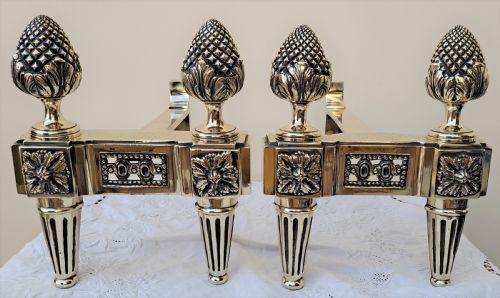
Wrought iron and steel appear alongside cast iron in fire baskets, footmen, and andirons, offering toughness and flexibility during forging. Brass components, including finials, fenders, and companion tool sets, added brighter metallic contrast against the dark iron.
Listings feature periods spanning from the 16th century through the Victorian era, utilising cast iron, wrought iron, brass, steel, and timber.
Evaluating craftsmanship and detail
Quality in these pieces rests upon the crispness of the casting and the weight of the metal. Finer fire backs display deep, well-defined relief mouldings, while lesser examples suffer from worn or shallow patterns due to degraded moulds.
Construction methods also separate standard items from superior ones, visible in the strength of the joints on wrought iron baskets and the solidity of cast brass fittings. Heavier gauge metals and integrated firebrick linings indicate higher utility and longevity in daily use.
The Antique Cast Iron Hearth Glossary
- Fire back
- A heavy iron plate placed against the back wall of a fireplace to reflect heat into the room and protect the brickwork. They often feature cast coats of arms or allegorical scenes.
- Andirons
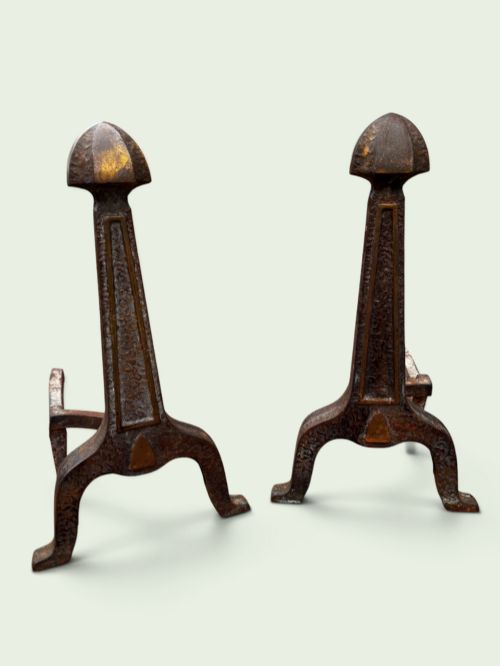
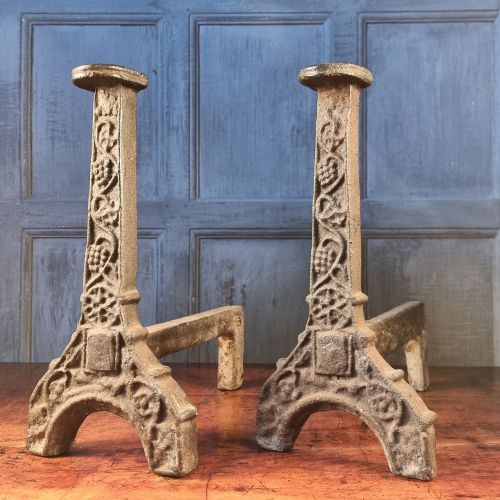
- Supporting metal firedogs placed on either side of a hearth to hold logs above the floor for better airflow. They frequently terminate in decorative brass or cast iron finials.
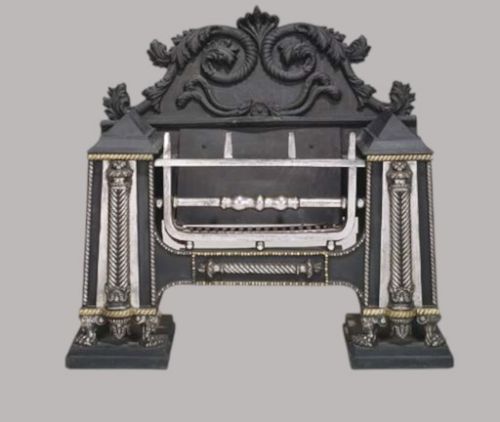
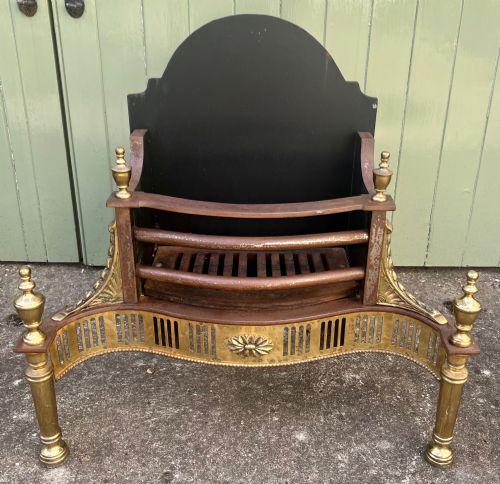
- Fire grate
- A metal basket or framework designed to hold coal or wood off the hearth floor. Grates often sit within larger fireplace openings or combine with hobs.
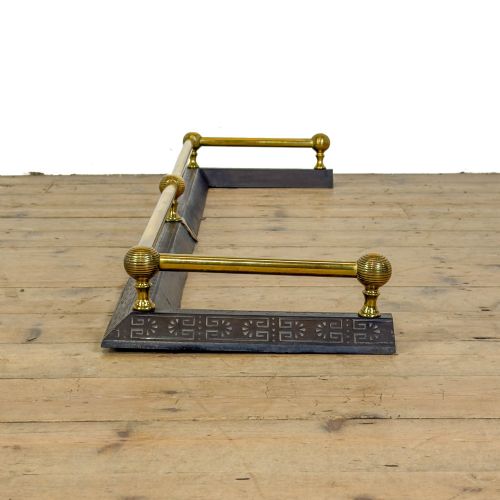
- Fender
- A low metal kerb placed around the hearth to keep embers from rolling onto the floor. Fenders incorporate brass rails, pierced ironwork, or tiled plinths.
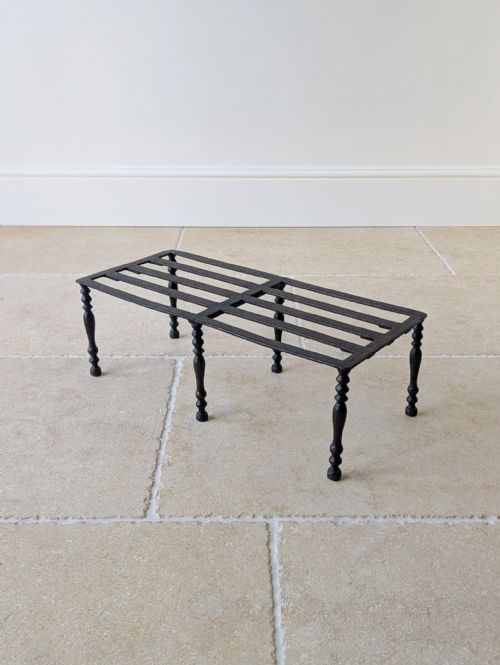
- Footman
- A metal stand used beside the hearth to keep food warm. Georgian country-house examples utilise wrought iron legs and a handled top plate.
Antique Cast Iron Hearth: Frequently Asked Questions
What is an antique cast iron hearth?
An antique cast iron hearth encompasses the functional metal furniture used in traditional fireplaces, including fire backs, grates, baskets, and fenders. These pieces were manufactured to manage fuel, protect brickwork, and radiate heat into the room.
They reflect centuries of metalworking traditions, spanning utilitarian designs to highly decorative period pieces from the Georgian and Victorian eras.
How do I date a cast iron fire back?
Dating a fire back involves examining the casting style, motifs, and the thickness of the iron plate. Early pieces often feature crude moulding and armorial designs, while Victorian examples lean toward Gothic Revival, Renaissance, or naturalistic relief work like the Tree of Life.
Reference markers such as registered design numbers or maker stamps, when present, narrow down the decade of production.
Can I use an antique fire grate with a real fire?
Many cast iron grates and fire baskets remain structurally capable of holding solid fuel, provided they undergo professional inspection. You must ensure the metal is free from deep heat-stress fractures and that the chimney can safely handle the output.
Some buyers prefer to use them purely as decorative focal points within non-working fireplaces.
What is the difference between andirons and a fire basket?
Andirons are a pair of freestanding metal supports designed to hold logs horizontally above the hearth floor. They focus on the sides of the fire and often display ornate forged or cast fronts.
A fire basket is a self-contained metal grate that holds coal or wood within a unified frame, sometimes incorporating its own backplate and dogs.