


Traditional Iron Fire Plate
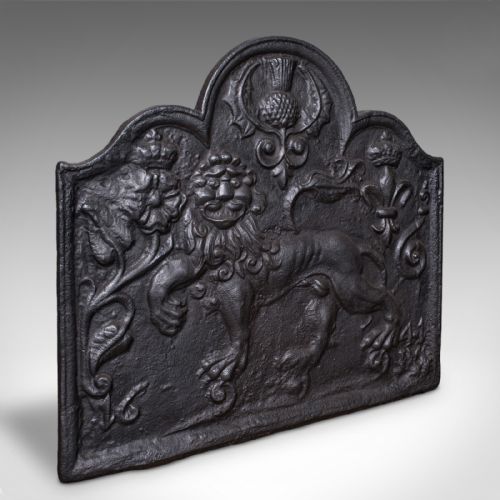
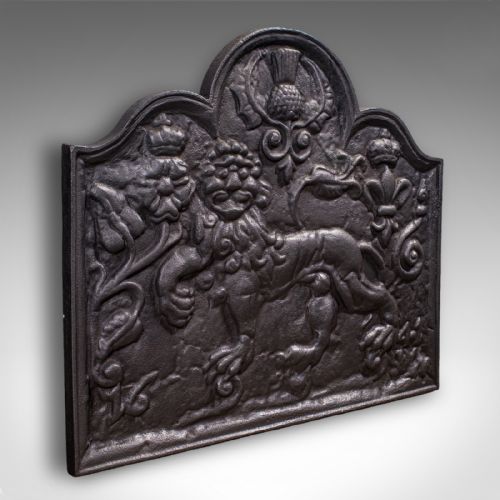
These traditional iron fire plate pieces are heavy cast iron fireplace reflectors designed to project warmth and protect masonry.
Traditional Iron Fire Plate
Traditional iron fire plate examples on this page are cast iron firebacks and fireplace reflectors originating from the Georgian and Victorian periods. Buyers search for these items to install behind hearth fires for both functional heat reflection and decorative effect.
The pieces listed span various revival styles including Neoclassical Revival, Carolean Revival, and Victorian Heraldic designs. Most examples date from the nineteenth century, including specific pieces from around eighteen hundred up to nineteen hundred.
Forms range from small antique firebacks to heavy decorative relief panels depicting subjects such as the tree of life. These English iron accessories serve to shield the rear wall of an open fireplace from intense heat while radiating warmth back into the room.
How traditional iron fire plate items were made
Makers utilised cast iron poured into moulds to create these sturdy fireplace accessories. The production technique allowed for detailed relief moulding, capturing heraldic motifs, neoclassical patterns, and organic designs such as the tree of life.
English foundries produced these heavy plates with robust iron compositions designed to withstand sustained high temperatures in active hearths. The resulting cast metal surfaces often feature decorative borders and high-relief central ornamentation.
Tree of life motifs on these iron plates brought botanical symbolism right into the soot and smoke of the nineteenth-century hearth.
What varies in quality
Depth of relief and crispness of casting separate standard examples from finer decorative works. Superior plates display sharp detailing in heraldic and neoclassical motifs, whereas lesser pieces show softer, worn edges from repetitive moulding.
Thickness and weight indicate the substantial nature of the cast iron used in construction. Heavier nineteenth-century examples provide greater durability and thermal mass for hearth use compared to lighter variants.
The Traditional Iron Fire Plate Glossary
- Fireback
- A heavy metal plate placed at the back of an open fireplace. It protects the wall and reflects heat into the room.
- Fireplace reflector
- An alternative term for a fireback emphasising its primary thermal function. These plates bounce radiant heat forward.
- Neoclassical Revival
- A nineteenth-century design style drawing on classical Greek and Roman motifs. It appears frequently on decorative iron plates.
- Carolean Revival
- A style referencing the decorative arts of the mid seventeenth century. This aesthetic influences certain nineteenth-century cast iron designs.
- Cast iron
- An iron-carbon alloy poured into moulds while molten. It forms the sole material basis for these heavy fire plates.
Traditional Iron Fire Plate: Frequently Asked Questions
What is a traditional iron fire plate?
A traditional iron fire plate is a heavy cast iron panel placed at the back of an open hearth. It serves to protect the brickwork from intense heat.
These plates also function as reflectors to throw warmth back into the living space. Most examples found here date from the Georgian and Victorian eras.
How do you install a fireback?
Firebacks stand upright against the rear wall of the fireplace opening. Their substantial weight usually keeps them stable without permanent fixings.
Proper placement ensures the plate absorbs direct flames and protects vulnerable masonry behind the grate.
What styles are common on these plates?
Common decorative styles include Victorian heraldic, Neoclassical Revival, and Carolean Revival motifs. Relief patterns range from floral trees of life to formal classical arrangements.
Foundries during the nineteenth century drew heavily on these historical aesthetics for hearth ironwork.
Are these plates made of cast iron?
All listed pieces are constructed from cast iron. This material provided the necessary durability and heat resistance for nineteenth-century hearths.
The casting process also allowed makers to incorporate high-relief decorative scenes onto the heavy iron surfaces.