


Heavy Iron Hearth Plate
These heavy iron hearth plate examples are substantial cast iron firebacks designed to radiate heat and protect masonry, bringing enduring utility and period character to any functional fireplace.
Heavy Iron Hearth Plate
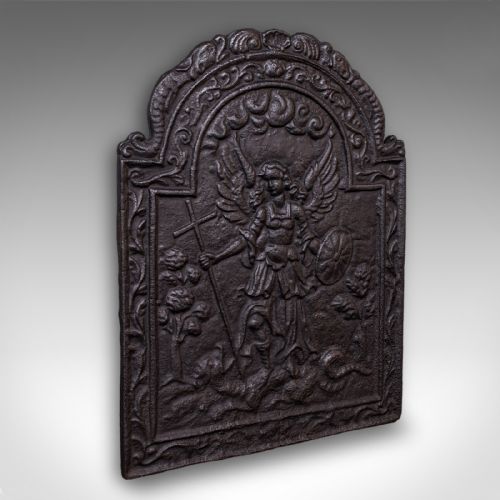
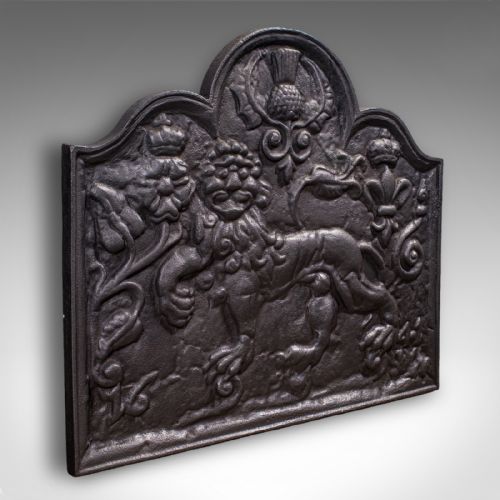
A heavy iron hearth plate is fundamentally a cast iron fireback placed at the back of a fireplace to absorb and radiate heat into the room whilst protecting the brickwork. When buyers search for this phrase, they encounter robust cast iron slabs featuring relief decoration and functional forms.
The pieces listed on this page span several distinct periods, most notably the Victorian era alongside 17th Century, Georgian, and 19th Century examples. Stylistic variations range from Neoclassical Revival and Carolean Revival to Victorian Heraldic and Gothic influences.
Forms are designated variously as fireplace accessories, firebacks, or specific reflectors. Many examples incorporate traditional motifs such as the Tree of Life or figurative scenes including a horse and rider.
Cast iron construction
Every heavy iron hearth plate recorded here is manufactured from cast iron, utilising traditional moulding and pouring techniques suited to high temperatures. The metal is poured into open beds or prepared moulds to achieve the substantial thickness required for fireplace longevity.
Surface ornamentation is achieved through direct relief casting, pressing patterns, heraldry, or pictorial scenes into the sand bed before the molten iron is introduced. This method yields the distinct textures seen across Baroque, revival, and period pieces.
Distinctions in quality
Quality in a heavy iron hearth plate rests upon the crispness of the cast relief work and the proportional thickness of the iron slab. Finer examples display sharp detailing in complex motifs such as heraldry, foliage, or figurative subjects.
The age of the casting and the ambition of the revival style also differentiate the pieces, with earlier 17th Century or 1700 examples carrying a different weight of history compared to later Victorian interpretations.
The Heavy Iron Hearth Plate Glossary
- Fireback
- A heavy metal plate placed against the rear wall of an open fireplace. It reflects heat back into the room and protects the wall from intense flames.
- Cast iron
- An iron-carbon alloy poured into a mould to form solid shapes. This material defines the entire selection on this page.
- Reflector
- An alternative term for a fireback used to describe its primary thermal function. These pieces bounce radiant heat outward.
- Relief
- Sculptural projection from a flat background surface. Many listed examples utilise this technique for decorative motifs.
- Carolean Revival
- A historicist design style reviving late 17th-century aesthetics. Pieces in this style imitate earlier craftsmanship.
Heavy Iron Hearth Plate: Frequently Asked Questions
What is a heavy iron hearth plate used for?
These plates sit at the rear of an open hearth to absorb and reflect heat forward into the room.
They also serve a structural purpose by shielding the surrounding brickwork and masonry from direct exposure to intense fire.
Are these plates suitable for modern fireplaces?
Many examples function effectively in open hearths provided the dimensions match the fireplace opening.
Buyers should verify weight and clearance before installation to ensure safe placement against the rear wall.
How do I identify the period of a fireback?
Dating relies on stylistic clues such as Neoclassical, Gothic, or Carolean revival motifs, alongside manufacturing characteristics.
Specific dates or centuries assigned to listings indicate the era of production or stylistic emulation.
What motifs appear on these plates?
Common decorative elements include heraldic designs, floral patterns like the Tree of Life, and pictorial subjects such as a horse and rider.
These subjects often reflect the aesthetic preferences of the Victorian era or earlier centuries.